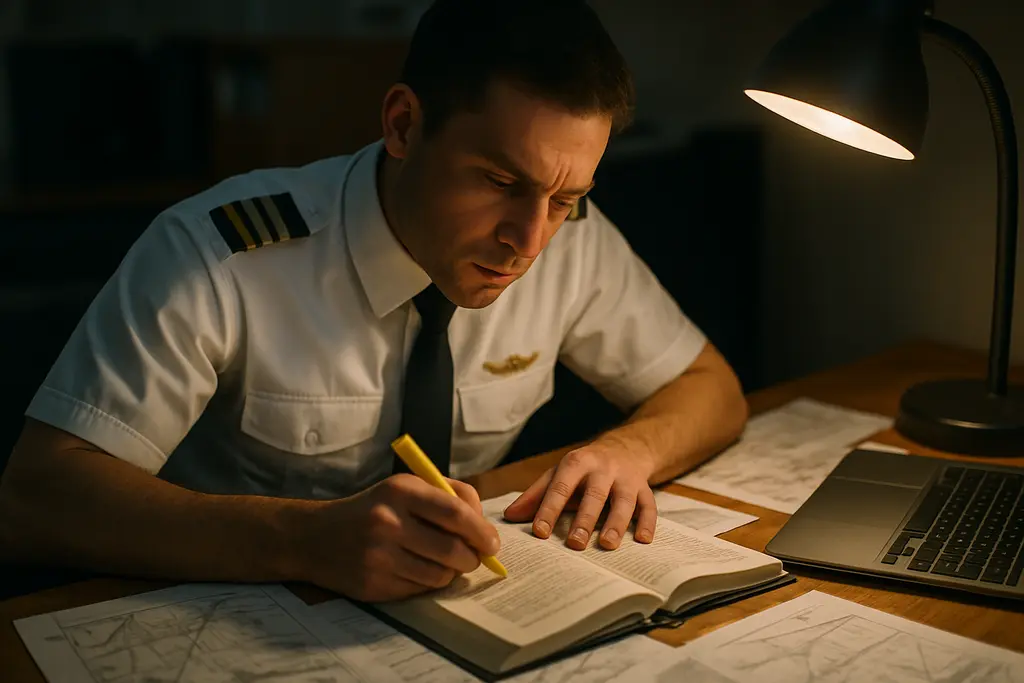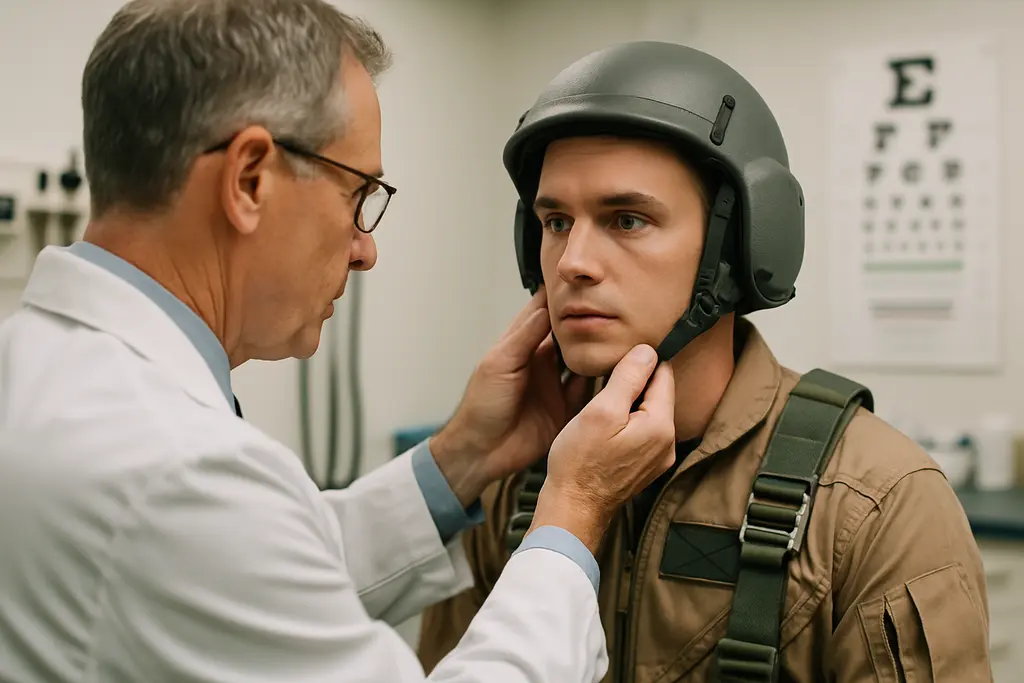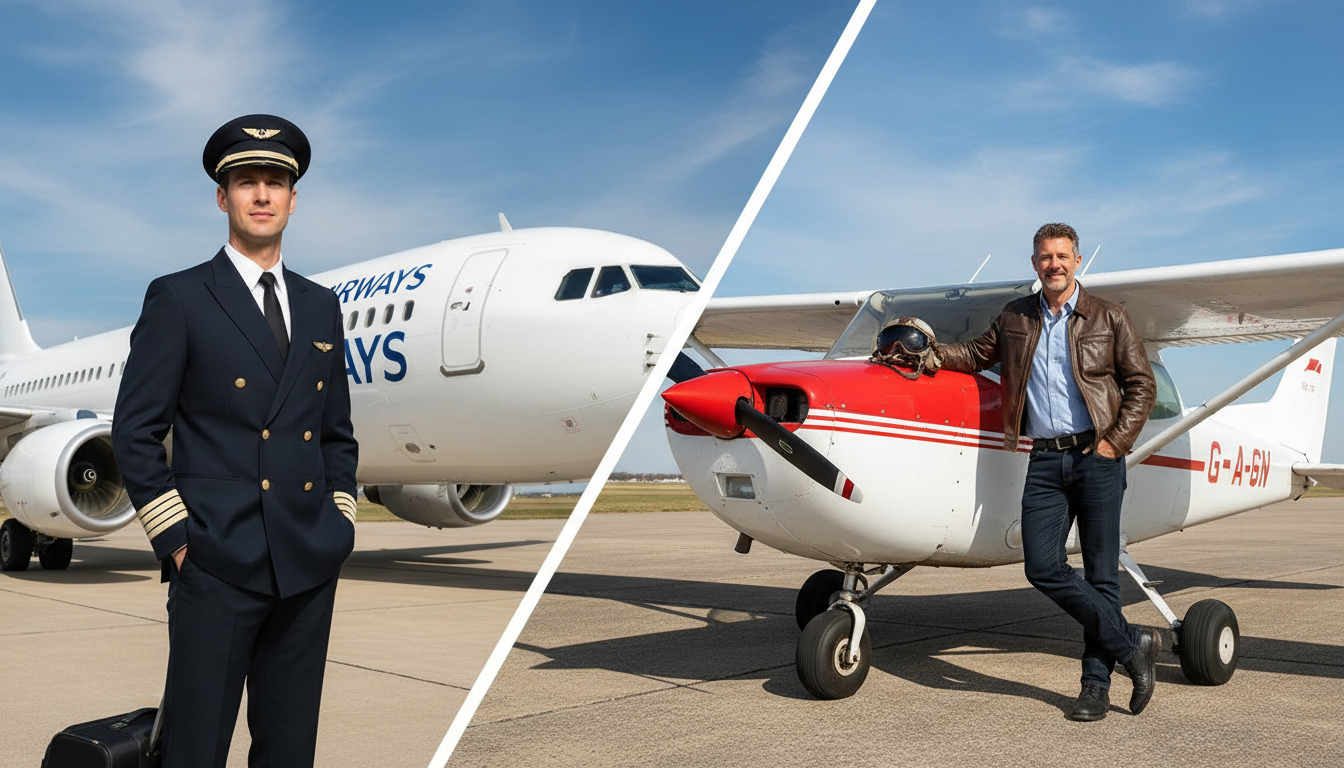
I thought piloting was about the thrill—gliding at sunset, wearing cool jackets, listening to “Runway Vibes.” Then, I learned that flying is more about the rules than the mood. Hours and regulations matter more than anything when it comes to getting paid.
With a Private Pilot License, you’re free to fly friends around and enjoy the skies. You can even rent planes for fun trips. However, you can’t make money from flying. The FAA has strict rules about earning from flights with a PPL.
Getting a Commercial Pilot License means flying becomes your job. It can be exciting but it’s always under strict rules. In the U.S., becoming a commercial pilot requires a lot of training. You need 250 hours of flying, more than a PPL, and you face tougher medical exams.
Choosing between licenses feels more like planning a budget than following a dream. Getting a PPL might take just a few months and costs less. A CPL takes much longer, up to two years, and is more expensive. There’s also the Airline Transport Pilot certificate, requiring 1,500 hours of flying.
This guide is for those who see flying as more than a job. It’s for those wanting a career that starts with a commercial license. If you’re weighing the pros and cons of commercial and private piloting, you’re doing it right. Reading closely before diving in is smart.
Introduction
I used to think it was about hobby versus career. But I was wrong. Like missing a radio call, it seemed small but had a big impact.
The main difference is purpose and privilege. With a Private Pilot License (PPL), you can fly for fun, bring friends along, and split some costs. However, you can’t make money from it. This matters if you’re eyeing a pilot’s salary.
Getting a Commercial Pilot License (CPL) means you can be paid to fly. It demands tougher training and stricter health and legal requirements. When money comes into play, the rules and mindset shift.
Now, let’s look at the basics for U.S. aspirants, without the complex parts like advanced training. This is your guide to time, money, and patience.
| License Path | Minimum FAA Hours (U.S.) | Typical Training Timeline | Common Cost Range (U.S.) | What You Can Do |
|---|---|---|---|---|
| Private Pilot License (PPL) | 40 hours | 3–6 months | $10,000; often $15,000–$20,000 in pricier areas | Fly for personal trips, carry friends, and share some costs; no pay |
| Commercial Pilot License (CPL) | 250 hours | 20–24 months | Could reach $30,000; often $30,000–$40,000 after PPL in expensive areas | Earn money from flying and aim for beginning pilot jobs; starts showing how pilot pay grows |
Most start with a PPL to see if they truly love flying. If they do, they gain more hours, earn higher ratings, and go commercial. That’s when choosing between commercial and private piloting becomes practical. It affects your schedule, your finances, and your future plans.
1. Regional Airline First Officer
When folks think of “a real pilot,” they usually imagine a first officer. Picture someone in a sharp uniform, effortlessly strolling through the airport. It seems straight out of a movie. For many, this ends the commercial vs private pilot debate because it’s about earning money. With just a private certificate, flying is just for fun—you can’t earn from it.
Everything changes with a Commercial Pilot License. Now, you can get paid for flying, which puts this job high on the list in the United States. Flying becomes more than a hobby. It’s about following tight schedules, sticking to checklists, and making tough decisions, regardless of personal plans.
Training is crucial here. CPL training focuses on professional skills like precise navigation and handling complex situations. These abilities are vital for early flights in challenging weather. Adding IFR, night flying, and long distances makes your logbook very appealing to airlines.
But the journey doesn’t end there. Most pilots aim for the Airline Transport Pilot certificate next. Airlines value experience, measured in flight hours. In the U.S., you need about 1,500 hours. Earning these hours is a unique process, filled with routine and dedication, much like a long podcast series.
Money is often a topic of early discussion because, well, bills need to be paid. Salaries for regional pilots can vary. However, as you gain experience and switch aircraft, your income will likely increase. It’s like earning points for patience in a rewards program.
| What Changes | Private Pilot (PPL) | Commercial Pilot (CPL) on the Regional Track |
|---|---|---|
| Compensation | Cannot be paid to fly | Can be paid, opening core pilot jobs |
| Operating style | Flexible, personal decision-making | Airline-style SOPs, dispatch, and tighter standardization |
| Training emphasis | Basic navigation and practical flying skills | Advanced navigation, IFR proficiency, night ops, and complex scenarios |
| Typical next milestone | More recreational flying or add ratings | Build hours toward ATP (often 1,500 hours) |
| How pay is discussed | Costs and aircraft rental rates | Pilot salaries, contracts, and progression by seniority |
If you’re thinking about a career and choosing between commercial and private flying, the regional first officer role is perfect. It’s a clear path to getting paid for flying. This role is structured and very visible to the public. It’s like learning a dance where the steps are weather patterns, and your audience is passengers eager to reach their destinations.
2. Corporate/Charter Pilot
Corporate and charter flying ends the private vs commercial pilot debate and focuses on rules. Money for flights means the paperwork is crucial. A private certificate is for flying people you know, not for selling flight time.
Choosing a license is about understanding risk over the allure. Charter operations deal with schedules, weather, passenger needs, and dispatch pressures. That’s why the commercial path stresses good judgment, accuracy, and flying safely in tough conditions.
Real pilot jobs show the difference quickly. Pilots might fly business leaders to important meetings, move planes with no passengers, or handle last-minute trips. It’s more about managing a schedule than adventurous flying.
The training for a Commercial Pilot License (CPL) is more intense. It focuses on higher skills, dealing with complex flights, and controlling planes in hard situations. It’s the same world of flying but with stricter rules and more attention to your actions.
| What changes | Private certificate reality | Commercial path expectation |
|---|---|---|
| Compensation | You can share costs but can’t get paid for flying. | You get paid for flights and support charter operations. |
| Mission profile | Private trips, flexible dates, “maybe next weekend.” | Firm schedules, moving planes, and quick changes for clients. |
| Operating environment | Easy plans, fewer people involved, less stress. | Needs more coordination, has higher expectations, and more people check your work. |
| Common add-ons | Extra skills like instrument and multi-engine might be optional for fun. | For better jobs, skills like instrument and multi-engine are usually required. |
When deciding on a license, don’t overlook specialized ratings. For corporate/charter pilots, using instruments is an everyday thing, not just optional. Having experience with more than one engine is also key, especially as planes and missions grow more demanding.
Here’s a simple way to see private vs commercial flying: one is about personal choice, the other about professional duty. Jobs in corporate/charter flying value pilots who can stay calm and make good decisions quickly, for others.
3. Tour Pilot
Tour flying is like the fun, adventurous cousin in the aviation family. But, customers are expecting a thrilling “wow” experience, not a scary “whoops” moment. This is when the debate between being a commercial versus a private pilot gets real. With a Commercial Pilot License (CPL), you get paid for flying. But with a Private Pilot License (PPL), earning money is off the table—even if friends offer to pay for gas.
I enjoy tour flying because it demands strict discipline, even though it might look easy. Pilots have to monitor the weather, manage the aircraft’s weight, and ensure a smooth flight while showing off landmarks. It’s a role that blends being a pilot, a guide, and a reassuring presence, especially when turbulence hits.
The difference in training intensity between PPL and CPL is significant. PPL covers the basics like takeoffs, landings, and navigating in good visibility. CPL training ups the ante. It involves more complex flight planning and higher skill standards. This includes flying at night, under Instrument Flight Rules (IFR), and longer trips. After all, tourists prefer a scenic flight, not an unexpected adventure.
| What You’re Doing | Private (PPL) Reality | Commercial (CPL) Reality |
|---|---|---|
| Flying passengers for compensation | Not allowed; you can’t get paid for piloting | Allowed; compensation for pilot services is the point |
| Typical tour profile | Personal trips, sightseeing with no pay, careful cost sharing rules | Short legs, high frequency, strict dispatch habits, customer schedule pressure |
| Weather and airspace demands | Often VFR in good weather; conservative go/no-go choices | More advanced decision-making; IFR and night skills commonly expected |
| Professional standard | Safety-focused, but informal and self-paced | Audited habits: checklists, briefings, SOPs, and consistent passenger management |
Considering a career as a private or commercial pilot? Tour flying shows the stark differences between the two paths. While the mood among passengers is lively, the cockpit remains a place of serious focus. For those looking into pilot jobs that offer both skill development and stunning views, tour flying offers a unique learning experience.
4. Banner Towing
Banner towing is like a flying pop-up ad, without a “skip” button but with FAA rules. From the beach, it seems easy. But the pilot must fly slowly, make steady turns, and decide quickly. Choosing between private and commercial pilot? Banner towing shows commercial flying is not just for fun but for earning.
There’s a big difference between a PPL and a CPL. A PPL doesn’t let you make money flying. A CPL does. Wondering which license is for banner towing? The answer is as clear as skywriting.
The paperwork might be boring, but it’s important. Commercial flying has strict medical and legal rules. The debate of private vs commercial boils down to medical standards. Commercial pilots need a Class 1 medical; private pilots, a Class 2.
Now, let’s talk about flight hours. A PPL requires a minimum of 40 hours in the U.S. A CPL needs at least 250 hours. Banner towing is professional flying, no matter how fun it looks from below.
| License checkpoint | Private Pilot License (PPL) | Commercial Pilot License (CPL) | What it means for banner towing |
|---|---|---|---|
| Can you be paid to fly? | No, compensation is not allowed for flying | Yes, you can fly for compensation or hire | Banner towing is paid work, so CPL is the practical requirement |
| Minimum flight hours (U.S.) | 40 total hours (20 dual, 10 solo minimum) | 250 total hours with defined categories | Operators want experience because low-and-slow work leaves little margin |
| Medical expectation in practice | Often treated as Class 2 territory | Often treated as Class 1 territory | Stricter standards can affect eligibility and long-term planning |
| Skill stress test | Good stick-and-rudder foundation | Professional consistency under oversight | Precision flying, radio work, and judgment get evaluated every flight |
| How it fits the money question | Personal flying, time-building only | Paid entry-level pipeline for many pilots | pilot salaries vary by region and season, but the job can build hours fast |
Pilot salaries in this niche rise quickly because the work is seasonal. Hours add up fast when events overlap. If picking a license, remember “fun flying” and “paid flying” are legally different.
5. Flight Instructor
After getting my CPL, I went for flight instruction. This means getting paid to teach others how to fly safely. It’s a quick way to gain flight hours, as every lesson counts.
The debate between commercial and private pilots is interesting. Having a private certificate is like testing the waters, perfect for weekend flyers. Yet, it doesn’t allow you to get paid, making career planning tough.
Earning through instruction needs a commercial license and an instructor certificate. This extra certification usually costs between $7,000 and $10,000 in the U.S. It feels like buying a “teaching” expansion pack for your career.
Flight instruction is a wise choice for moving forward. It improves your flying abilities and teaching skills. It also helps you become a solid pilot. However, the pay might not be as high as some expect.
| What you’re comparing | Private Pilot (PPL) reality | Commercial Pilot + Instructor path |
|---|---|---|
| Ability to get paid | Generally no compensation for flying | Paid instruction is common once properly certificated |
| Why people start here | Tests commitment without going all-in | Career-focused step toward pilot jobs and flight hours |
| Typical extra training cost | Not applicable for teaching | Instructor training often cited around $7,000–$10,000 |
| What you gain day to day | Personal travel skills and confidence | Teaching skill, sharper decision-making, faster hour-building |
| How it affects pilot salaries | Not a direct income track | Entry-level pay, but adds hours that can unlock higher pay later |
When choosing between commercial and private flying, the decision becomes clear. Most start with a private certificate to get used to flying. Then they aim for commercial training, because loving aviation isn’t enough for a career.
6. Aerial Survey
Aerial survey links flying to collecting data. It’s less about the thrill (Top Gun style) and more about detail work. Pilots fly straight over different landscapes while their equipment captures important data. Their aim? To collect clear and useful images, lidar, or mapping data for clients.
This topic brings up the private versus commercial pilot discussion. A Private Pilot License (PPL) lets you share flight costs with friends but not earn money. To be paid for flying, like in aerial survey jobs, you need a Commercial Pilot License (CPL).
Commercial training is a big step up. It’s longer and harder, preparing you for precise and tough flying jobs. You’ll face strict requirements, long hours, and a lot of flying duties. Training includes flying at night, instrument flight rules (IFR), and extensive cross-country flights. Survey flights demand you leave your comfort zone behind.
| Item | Private Pilot License (PPL) | Commercial Pilot License (CPL) |
|---|---|---|
| Can you get paid for survey flights? | No; recreational flying and limited cost-sharing only | Yes; compensation allowed and typical for survey operators |
| Typical timeline | 3–6 months (often 3–12 depending on pace) | Often 20–24 months; can take up to 2 years |
| Training focus | Core airmanship and local proficiency | More rigorous standards; complex ops, longer cross-country, frequent IFR and night exposure |
| What daily work feels like | Flexible, self-planned flights | Structured routes, repeat passes, strict altitude and track control |
Wondering which license suits survey flying? Go for the one that treats flying seriously, beyond a hobby. Survey teams value reliability, endurance, and precision even when it’s tough.
If earning to fly and honing your skills in a structured way appeals to you, consider aerial survey. It’s quiet, focused, and rewarding. It’s about making perfect patterns in the sky on your first try.
7. Air Ambulance
Being an air ambulance pilot is more than just a job. It’s a vital public service. Every call is critical, weather challenges are real, and following rules is a must. It’s the perfect match if you love both responsibility and adrenaline.
In air ambulance flying, whether you have a commercial or private pilot license matters a lot. With a CPL, you can fly for pay, which includes rescue missions. A PPL is more for fun and can’t be used to earn money. This difference is crucial in air ambulance work.
The need for high standards means more intense requirements. A Class 1 medical is often needed for commercial pilots, but private pilots might only need a Class 2. It’s like going through a deep check before you can start.
Training for this role is tough. Both paths have exams and flight tests, but commercial pilots face more on advanced skills. They learn about better navigation, quick decision-making, and how to cope when plans fail. These skills are essential for air ambulance flights.
Pilot salaries in this field are often discussed early. The work is hard, and the hours can be unpredictable. How much you make can depend on who you work for, the type of aircraft, and where you are. But being professional is always key.
| What matters | Commercial vs private pilot | How it shows up in air ambulance work |
|---|---|---|
| Getting paid to fly | CPL supports paid flying; PPL is not for paid services | Operators need pilots who can legally fly missions for compensation |
| Medical expectations | CPL roles often require Class 1; PPL commonly aligns with Class 2 | More medical oversight helps manage fatigue, stress, and duty demands |
| Testing and training | Both require written and practical tests; CPL emphasizes advanced nav and higher workload | Matches real-time reroutes, alternates, and complex risk decisions |
| Operational pressure | CPL training targets professional standards and tighter procedures | Standardized callouts, dispatch coordination, and strict compliance |
| Career outcomes | CPL opens more pilot jobs and broader pathways | Experience can translate to other IFR-heavy roles and stronger pilot salaries |
8. Crop Dusting
Crop dusting might seem like a small job, until you see how farming relies on precise timing. Pilots in this field use planes as tools, not just for flying. They navigate low to the ground, through all kinds of weather, and against tight deadlines.
To fly for money, you need the right license. You can’t earn money with just a private pilot’s certificate. If spraying crops for cash sounds good, you’ll need a Commercial Pilot License. This makes people decide on their path and how to start collecting flight hours.
Your plane’s size and how complex it is count too. Starting pilots with a private certificate usually fly smaller, simple planes. They do this to build their flying abilities. Yet, for larger planes, more loads, or busier commercial work, you must have a Commercial Pilot License.
| What changes | Private Pilot License (PPL) | Commercial Pilot License (CPL) |
|---|---|---|
| Getting paid | Cannot accept compensation for flying services | Can accept compensation for crop spraying and other pilot jobs |
| Typical training focus | Core airmanship, basic decision-making, simpler operations | More rigorous standards, tighter maneuvers, professional-level judgment |
| Flight-time expectations | Lower minimum hours, slower path to high-frequency work | Higher hour requirements, built for paid flying and higher duty |
| Aircraft and mission fit | Generally sufficient for small, single-engine aircraft contexts | Needed as operations scale up in complexity, workload, and commercial use |
Crop dusting suits those who enjoy doing the same task with a goal in mind. Flying precise routes, controlling drift, and managing resources becomes almost a hobby. Deciding between private or commercial? This job clearly shows the benefits of a commercial license: better pay but more rules and responsibility.
9. Skydive Pilot
Skydive piloting is like ridesharing, but passengers leave mid-flight on purpose. The climb up is silent, until the door opens. Suddenly, everyone feels better than when they arrived. Dropping off here means exactly that, and no one complains.

The payment rules are straightforward. With a PPL, you can fly friends and non-commercial passengers. There isn’t a limit on how many you can carry if your plane allows. However, a PPL doesn’t let you get paid for flying, marking a clear line between private and commercial pilots.
With a CPL, you’re allowed to make money by flying jump runs. You’ll work more regularly, just like a regular job. This is what sets commercial apart from private pilots: the same skies, different rules. One can help you pay your bills. While it may not pay as much as an airline job, it’s a good way to build flying hours and make some money.
On the ground, insurance and experience are key, not just the drop zone staff. In the UK, you can start jump-flying with 100 hours PIC, or even 75 with a C-license. But insurers usually ask for more. The jump pilot pathway shows the reality of getting hired, including hours and types of aircrafts.
| What You’re Allowed to Do | PPL (Private) | CPL (Commercial) |
|---|---|---|
| Carry passengers | Yes, as non-commercial passengers when the flight is not for hire | Yes, including employment-style operations when properly arranged |
| Get paid for flying jumpers | No, compensation for pilot services isn’t permitted | Yes, payment is permitted for pilot services and job flying |
| How the job is viewed by many drop zones | Often not enough for paid work, even if you have strong stick-and-rudder skills | Common baseline credential because it can reduce insurance friction |
| Experience expectations (varies by operator) | May be accepted only for non-paid flying and limited roles | Often paired with higher hour minimums; 500+ hours is a common insurance target |
Pilots often start on small, noisy planes like the Cessna 182 or 206. Later, they move to bigger planes like the Cessna Caravan. This growth depends on skill and what operators and insurers are okay with.
The pay in skydiving may seem low compared to other pilot jobs. Yet, it’s a good way to quickly add up flying hours. The key is to keep flying and connect with other jump pilots. In the world of flying, paperwork often tells if you’re volunteering or truly working.
10. Ferry Pilot
Ferry flying moves planes from point A to B, often urgently. It’s a mix of planning, patience, and weather monitoring. Some days involve short trips; others, long journeys with multiple stops. It’s like a road trip where checklists and a Pilot’s Operating Handbook (POH) guide you.
In the debate between private and commercial pilot licenses, some points are often missed. With a Private Pilot License (PPL), flying internationally is possible. You just need to follow the destination’s rules and handle the paperwork. Yet, you can’t earn money for flying, even if it seems glamorous.
When flying is for profit, the question of which license to have changes. The Commercial Pilot License (CPL) is for those paid flying gigs. Ferry flights have their own demands, like delivery times and insurance, which don’t consider your personal time.
| Feature | Private Pilot License (PPL) | Commercial Pilot License (CPL) |
|---|---|---|
| Typical training timeline | Often 3–6 months with steady flying and study | Commonly 20–24 months; can stretch to about 2 years |
| International ferry flights | Allowed if you comply with foreign aviation rules and entry requirements | Allowed, with added emphasis on operational standards and employer rules |
| Getting paid to ferry | Not allowed for pilot services; no compensation for flying | Allowed when the operation and role meet commercial requirements |
| Day-to-day complexity | More personal discretion; simpler mission pressure | More structure: schedules, documentation, and higher professionalism |
| Why it matters for pilot jobs | Great for experience-building, but not a paycheck path | Opens paid ferry work and other commercial flying opportunities |
Ferry pilots focus on details like weight, balance, and route choices. It involves risk math and constant weather checks. It might not seem exciting, but it’s vital. Whether you’re into adventure or seek a paying job, ferry flying helps you decide.
11. Cargo Pilot
Cargo flying blends romance with reality: boxes pay the bills on time. Choosing between commercial and private pilot means deciding how you make rent. With a commercial license, you can fly cargo and earn.
A private certificate won’t let you make money flying. It’s for flying for fun, not for getting paid. It’s like getting “exposure” instead of a paycheck.
The FAA cares about your flight hours. A commercial pilot needs 250 hours in the U.S. For a private license, you need 40 hours, including 20 with a teacher and 10 alone.
This hour difference matters for landing cargo pilot jobs. It also shows why cargo pilot pay can go up with experience and the type of plane you fly. This is especially true with night flights and tough schedules.
| Certificate | Minimum FAA Flight Hours | What You Can Do in Cargo | Pay Allowed | Common Next Step |
|---|---|---|---|---|
| Private Pilot (PPL) | 40 total (20 instructor, 10 solo) | Personal flying only; no commercial cargo operations | No | Build hours toward CPL |
| Commercial Pilot (CPL) | 250 total | Operate cargo flights for compensation, within certificate and aircraft limits | Yes | ATP later for broader roles |
| Airline Transport Pilot (ATP) | 1,500 total (typical requirement) | Qualifies for advanced professional operations and higher-responsibility roles | Yes | Type ratings and larger aircraft pathways |
Many cargo pilots aim for an ATP as they move forward, needing 1,500 hours. It’s not magic, but it opens new doors. It lets you fly bigger planes and reach higher pay.
Cargo flying has its perks if you like routine. You focus on weight, weather, and planning. Your work builds your experience and keeps you competitive in a field always needing pilots.
12. Firefighting
Firefighting in the air isn’t easy. You fly low and heavy, near the ground, through smoke that blinds you. For pilots, this job asks for calmness and smart choices, not just good vibes.
When deciding between a private and a commercial pilot license, reality hits. A Commercial Pilot License demands more: higher standards, tougher situations, and you get paid. For fighting wildfires, go with the professional option.
The commercial path also means meeting stricter health standards. Expect a Class 1 medical, with tougher exams. A Private Pilot License fits casual flying and has easier medical checks.
| Training Focus | Private Pilot License (PPL) | Commercial Pilot License (CPL) |
|---|---|---|
| Navigation and planning | Basic navigation, general route planning, and core radio work | Advanced navigation, higher precision, and decision-making under tougher conditions |
| Aircraft handling | Standard maneuvers aimed at safe, normal operations | Refined control, tighter tolerances, and stronger performance management |
| Testing emphasis | General aircraft operation and fundamentals | Professional-level standards, complex scenarios, and higher accountability |
| Compensation | No compensation for flying services | Allows compensation, which matters in specialized pilot jobs |
In the cockpit, commercial training stands out. You need steady control, good energy use, and clear talk in tough conditions. Think about what you can handle, not just what sounds cool.
Choosing a license? Ask if you want to fly for fun or in serious, risky jobs. Firefighting in the sky doesn’t accept “good enough.”
Qualifications for Each
Aviation changes from a dream to a real task here. Knowing the requirements for each license in the United States is key before debating commercial versus private pilot roles. Each type of license involves certain requirements.
The private pilot license (PPL) is where many start. You must complete at least 40 total flight hours, which includes 20 hours with an instructor and 10 hours solo. The focus is on VFR—flying in clear conditions. This helps you learn important flying skills.
For the medical part, aiming for a Class 2 medical standard is common, even though BasicMed can work in some situations. With a PPL, you can bring passengers on non-commercial flights, fly abroad with permission, and split costs like fuel. But, you can’t be paid to fly or run commercial flights. This is a big difference when choosing between private and commercial licenses.
The commercial pilot license (CPL) marks a serious commitment. It requires at least 250 flight hours and specific flying experiences. The training includes flying by instruments, flying at night, longer flights, and precise maneuvers.
A Class 1 medical certificate is often needed to keep flying as a career. With a CPL, you can make money flying, work in different flying jobs, and must follow strict laws. Choosing this license means more work opportunities but also more regulations.
| Requirement | Private Pilot License (PPL) | Commercial Pilot License (CPL) |
|---|---|---|
| Minimum U.S. flight time | 40 hours total (20 dual, 10 solo) | 250 hours total with specific hour categories |
| Typical training focus | VFR basics: maneuvers, traffic patterns, navigation, emergencies | Advanced skills: IFR exposure, night flying, cross-country depth, precision maneuvers |
| Medical expectation | Often aligned with Class 2-style fitness; may vary by privileges used | Class 1 commonly expected for career-ready pathways |
| Money and operations | No payment for pilot services; limited to cost-sharing and personal travel | Can be paid to fly; supports charter, rescue, cargo work with stricter oversight |
| Practical career pathway | Often first step before adding instrument and time-building | Common next step after PPL; may add multi-engine and IFR ratings |
| Long-term airline progression | Build hours and ratings toward professional minimums | Many pilots later pursue ATP/ATPL at 1,500 hours |
Most don’t jump straight to CPL. The common path is from PPL to CPL, then adding other ratings. Employers value skills over just confidence. And for those aiming for airlines, the journey often continues to ATP/ATPL after 1,500 hours, because aviation values achievements and clear goals.
So, in the debate of commercial versus private pilots, it’s not only about prestige. It’s about understanding each license’s limits, rights, and legalities. Knowing this helps in choosing the right path without just going with the flow.
How to Apply
Applying for pilot jobs is like training for a marathon, not just clicking “order.” You must prepare in two areas: learning the theory at ground school and practicing flying. You can either complete ground school before starting flight training or do both at the same time, depending on your schedule.
Do the medical early. It may seem tedious, but getting your medical check done first can prevent disappointment later. Many start with a medical fit for private flying and upgrade for the commercial path if their interest lasts beyond a “Top Gun” moment.

Most start with obtaining a Private Pilot License because it’s quicker and less expensive. It also helps you find out if you enjoy flying for real. Once you know you do, getting a Commercial Pilot License seems less risky and more like a solid plan. Having both licenses makes job interviews smoother since your experience tells a story.
An online ground school like Level Flight can clear up confusion and focus on exam essentials. This method keeps you from feeling overwhelmed, which is crucial in the beginning. Keep your study notes organized, practice deliberately, and remember that watching videos is not the same as studying.
| Step | What you do | Why it matters for pilot jobs and pilot salaries | Timing tip |
|---|---|---|---|
| Medical certificate | Schedule an aviation medical exam and confirm you meet eligibility | A clean medical keeps your pipeline open, which protects your shot at better pilot salaries later | Before training or in week one |
| Ground school | Study regs, weather, performance, and systems; prep for the knowledge test | Strong academics signal professionalism when you start applying for pilot jobs | Start early; online tools can speed momentum |
| Flight training | Build stick-and-rudder skills, procedures, and decision-making in the aircraft | Employers hire competence, not confidence; clean fundamentals can raise earning potential | Fly consistently to reduce re-learning costs |
| Private vs commercial pilot progression | Earn PPL, then add ratings and move into commercial training | That staged route reduces risk and lines up with how many pilot jobs are staffed | Confirm commitment after PPL, then accelerate |
| Application package | Resume, logbook totals, training records, and a clean background narrative | Clear documentation helps recruiters match you to roles that align with pilot salaries expectations | Update after every milestone and checkride |
When you’re ready to apply, keep your resume focused on the job, not a fantasy. Tailor it to show your judgment and skills relevant to each job type. Be upfront about your flight hours, stay updated on your qualifications, and understand the differences between private and commercial piloting.
- Logbook hygiene: totals, categories, and recency should be easy to verify.
- Interview prep: know your training gaps and how you fixed them.
- Pay reality check: ask smart questions about schedules, bases, and upgrades, because pilot salaries often hinge on those details.
Final Tips
When folks ask me about the choice between commercial and private flying, I don’t compare it to a quiz. It’s about what you want, your budget, and your timeline. If you dream of flying on weekends, going on trips with your family, and valuing freedom, then a Private Pilot License (PPL) is for you. But if you aim to earn—through charter flights, carrying cargo, conducting rescue ops, teaching flying, or working in the airlines—a Commercial Pilot License (CPL) is essential.
Talking about cost, it’s a major factor even high up in the sky. Getting a PPL might start at $10,000, but don’t be surprised if it jumps to $15,000–$20,000 in some areas. For a CPL, prepare to shell out up to $30,000. And remember, you need a PPL first which means in expensive places, you might spend up to $40,000. Extras like a multi-engine rating or instructor certification can add thousands more to your bill.
Don’t forget, time is just like money here. Choosing between a private or commercial pilot’s license isn’t just about skill—it’s also about how much time you can commit. Some get their PPL in 3–6 months, but it can take up to a year with certain hiccups. CPL requires 20–24 months, sometimes even two years. Training near busy airports? Expect delays, more expensive fees, and fluctuating fuel prices to affect your schedule.
So, deciding which license to go for really boils down to your own goals with flying. Both will have you taking written and practical exams. With a PPL, you’ll learn the basics of flying and navigation. The CPL dives deeper with advanced navigation, stricter standards, and more challenging conditions to master. Remember, the sky is impartial to your dreams; it only responds to how well you’re prepared.