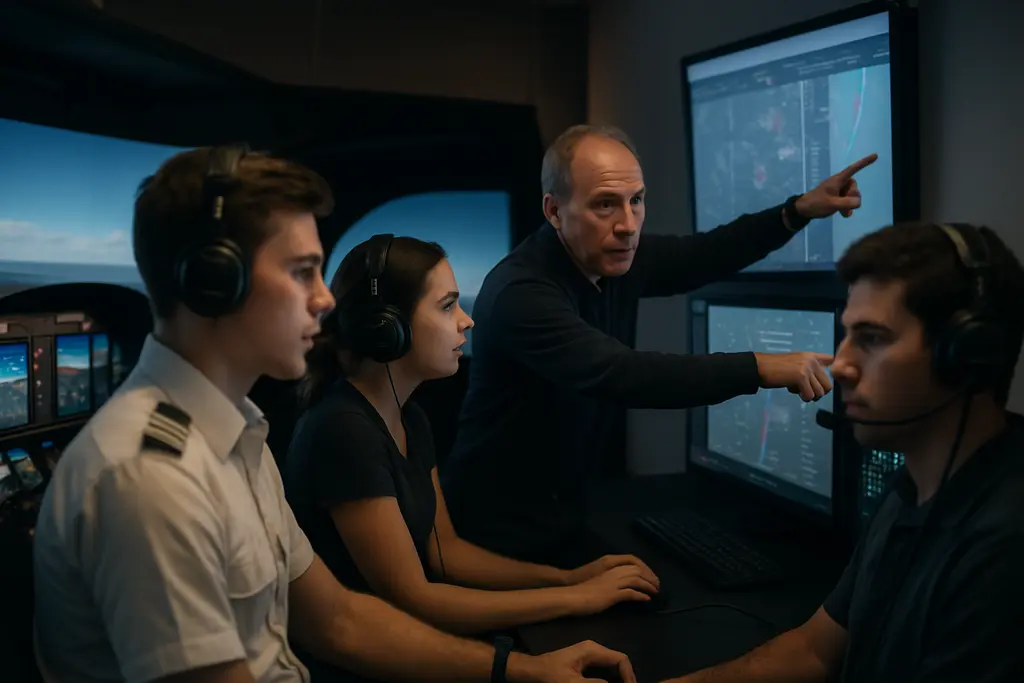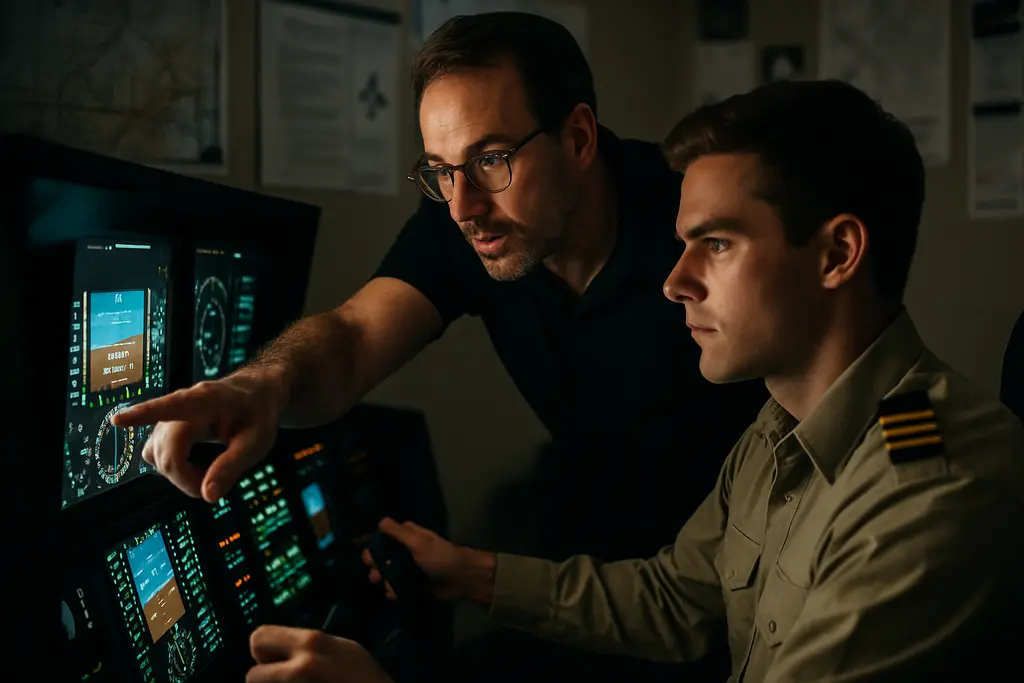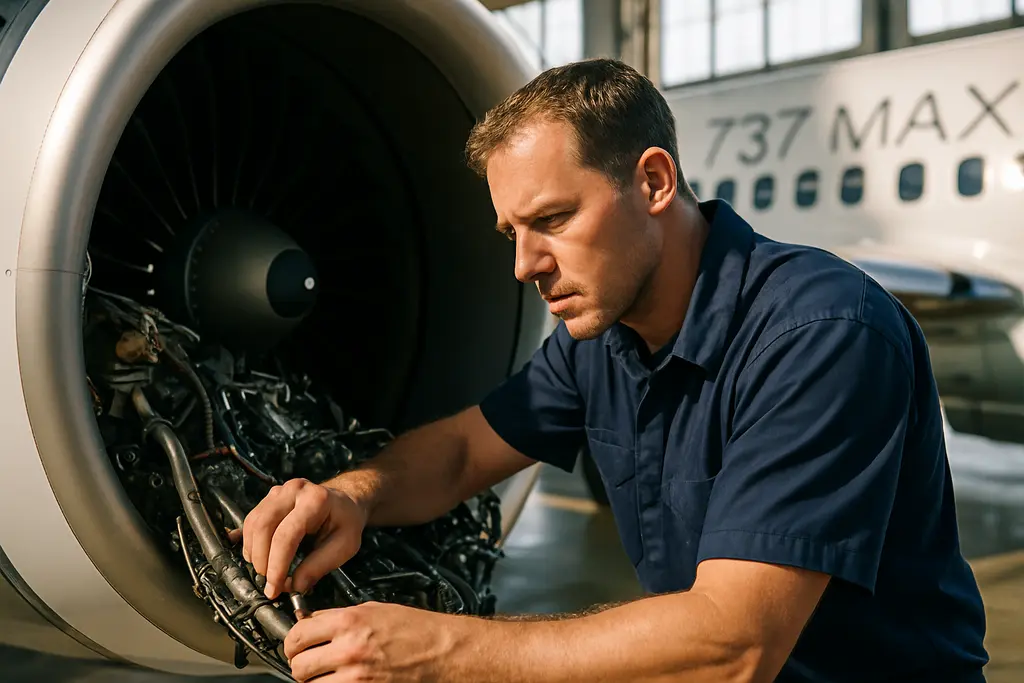
The latest 737 MAX inspections order is not a new training mandate, but it deserves close attention from chief pilots, training center leaders, check airmen, and line instructors. As of September 7, 2026, the FAA rule finalized on August 7, 2026, is set to take effect on September 10, 2026, covering 471 U.S.-registered Boeing 737-8, 737-9, and 737-8200 aircraft for fatigue-crack inspections near the forward service door area. The order is based on cracks found in older 737 Next Generation aircraft, not cracks already observed in MAX-series aircraft, according to The National. That distinction matters in training: the immediate task is not rewriting a type-rating course, but making sure pilots understand how airworthiness actions, aircraft availability, and maintenance coordination affect real airline operations.
What 737 MAX inspections Actually Change
Confirmed Scope Of The FAA Order
The confirmed inspection action applies to certain U.S.-registered MAX variants, not the entire global MAX fleet. Research notes place the global in-service fleet at about 2,300 aircraft, with about 823 in the United States. The FAA action covers a defined subset of those U.S. aircraft, which means flight departments should avoid speaking about the order as if every MAX airframe were affected in the same way. Precision in language is part of good safety culture. If a pilot hears “all MAX aircraft have cracks,” that is not supported by the facts provided. If a pilot hears “the FAA ordered inspections on specific aircraft because of a related structural concern seen on older 737s,” that is a far better briefing standard.
Training leaders should also separate airworthiness compliance from pilot qualification. The inspection checks a structural area near the forward service, or galley, door. That is a maintenance inspection item. It does not, by itself, introduce a new flight crew memory item, simulator event, or type-rating difference course. For pilots, the practical change is awareness: knowing that a regulatory inspection can affect fleet planning, aircraft swaps, reserve usage, and line training schedules even when the flight deck procedures remain unchanged.
Why 737 MAX inspections Are Not A New Type Rating
No new pilot type rating requirement has been announced in connection with the crack-detection or seat inspection actions described in the research. The recent directives are structural and cabin-installation related, not changes to flight control law, aircraft handling, warning logic, or emergency procedure design. That is why the training impact is indirect rather than immediate. In my view as a flight training professional, this is where programs can lose focus: they either ignore the issue because “it is maintenance,” or they overreact by implying pilots need a new procedure that regulators have not issued.
A disciplined response sits between those two extremes. Instructors should brief what changed, what did not change, and which department owns each action. Maintenance owns the inspection and corrective work. Dispatch and scheduling manage aircraft availability. Training departments monitor whether aircraft downtime affects initial operating experience, simulator slot usage, or recurrent training attendance. Flight crews remain responsible for normal aircraft acceptance, logbook review, and communication with maintenance control under company procedures.
Training Programs After The MAX Return-To-Service Baseline
Confirmed Simulator Training Already Exists
The training baseline for the MAX was reshaped before these 2026 inspection actions. After the Lion Air and Ethiopian Airlines accidents, the FAA worked with ANAC, Transport Canada Civil Aviation, and EASA on the return-to-service review. The FAA summary states that pilots were required to complete special training, including ground training on subjects such as MCAS and stabilizer trim, along with simulator training that included MCAS activation during an imminent stall scenario in the FAA return-to-service summary. That remains the relevant training foundation for MAX flight crews.
This distinction is useful for training managers. The simulator requirement addressed aircraft-control and pilot-response issues tied to the MAX return to service. The 2026 inspection order addresses potential structural fatigue in a specific area, with no reported MAX cracks in the cited research. A training department should not mix those two categories casually. A flight control training event is different from a maintenance inspection program. Both affect safety, but they enter the training system through different doors.
Reviewed Training Risk: Confusing Maintenance With Maneuver Training
The direct effect of 737 MAX inspections on a training center is likely schedule management rather than lesson-plan redesign. If airlines complete the work during heavy-maintenance visits, as research notes indicate they intend to do, line flying and simulator training should face less disruption than they would if aircraft were removed from service unexpectedly. Still, even a well-planned inspection program can create pressure around checkride timing, line checks, and aircraft substitutions. That is where training administrators earn their keep.
For practical training alignment, I would brief instructors to focus on three points: the FAA action does not create a new pilot curriculum requirement; pilots should understand the airworthiness context without treating it as a new cockpit procedure; and schedulers should watch for knock-on effects if a training aircraft, check airman pairing, or operating segment changes. A good internal explainer can keep rumors out of the classroom and help new hires understand how regulatory actions flow through airline systems. For readers comparing this with broader safety instruction, Pilot Pointer’s analysis of pilot decision-making in training connects well with this kind of operational judgment.
Seat Inspections And Cabin Configuration Awareness
Proposed Seat Action And Training Relevance
The research also describes a July 27, 2026 FAA proposal covering 453 U.S.-registered MAX aircraft for track-mounted passenger seat inspections. Up to 69 seat assemblies per aircraft may be affected, with roughly one hour of inspection time per assembly and about one hour per aircraft for fixes if needed. This is not a pilot handling issue, but it is not irrelevant to airline training culture. Cabin configuration, minimum equipment considerations, maintenance signoffs, and crew coordination all sit near the edge of flight crew awareness.
For flight training, the seat inspection proposal is a reminder that pilots operate a whole transportation system, not only a flight control system. A captain may not inspect seat tracks personally, but the captain does depend on proper cabin airworthiness documentation and communication from maintenance and cabin crews. New first officers should learn that aircraft acceptance is not a casual walkaround followed by a quick dispatch release scan. It is a structured review of aircraft status, open items, and operational limits.
Training Analysis For Line-Oriented Scenarios
The strongest training response is not a new emergency checklist. It is better line-oriented discussion. A recurrent ground school case can ask: What should the crew do if an aircraft substitution follows a maintenance inspection delay? What records must be reviewed before accepting the aircraft? How should the captain communicate a maintenance-related delay to the crew without speculating? These questions keep the lesson tied to confirmed facts while building habits that matter during real operations.
For audience members who follow aviation safety coverage across related sites, Noir Whale is a part of our same network and complements industry insights. Maintaining a disciplined use of information in pilot education is key here. Training rooms should not become rumor exchanges. They should turn regulatory facts into operationally useful habits.
Scheduling Pressure And Training Center Planning
Confirmed Operational Impact Is Expected To Be Limited
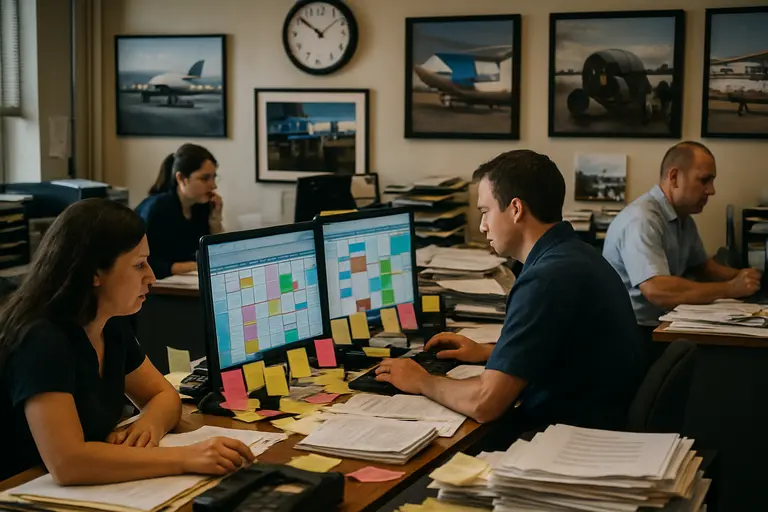
Research notes indicate airlines and pilot groups did not expect the structural and seat inspection activity to force near-term curriculum changes or major flight training schedule disruption. Operators expected to place the work inside heavy-maintenance visits such as C-checks or similar events where possible. That approach lowers the chance of aircraft being removed from service outside normal maintenance planning.
Even so, training departments should treat “limited impact” as a planning assumption, not a reason to stop watching the operation. If a carrier has a concentrated MAX fleet, training footprints can be sensitive to small changes. A delayed aircraft can move a line check, which can move an instructor assignment, which can push a trainee’s operating experience into another pairing. None of that means the FAA order changes how pilots fly the airplane. It does mean chief instructors should maintain close communication with fleet planning, maintenance control, and crew scheduling.
Practical Steps For Instructors And Managers
For training managers, 737 MAX inspections should trigger a short, factual briefing rather than a course rewrite. I would use the following actions as a practical framework:
- Issue a one-page training note explaining the inspection scope, effective date, and the fact that no new pilot curriculum has been directed.
- Remind instructors to keep MAX return-to-service simulator training separate from the 2026 structural and seat inspection topics.
- Ask scheduling teams to flag any checkride, recurrent, or line-training event that depends on a specific aircraft rotation.
- Coach pilots to avoid unsupported statements about cracks on MAX aircraft, since the cited report says no such cracks had been observed in MAX-series aircraft.
- Use line-oriented scenarios to practice maintenance communication, aircraft acceptance, and professional crew briefings.
Those steps are modest, but they match the nature of the event. Flight training should scale its response to the risk and the regulator’s instruction. Overtraining on a non-mandated item can waste simulator time. Under-briefing can let confusion spread. The right answer is concise, accurate, and tied to the daily work pilots actually perform.
737 MAX inspections And Pilot Training Practice
What The Training Community Should Retain
The lasting training value of 737 MAX inspections is not a new maneuver. It is a clearer understanding of how design history, production oversight, airworthiness directives, maintenance planning, and crew qualification meet in daily airline life. The MAX already carries a specific post-return-to-service training history. The 2026 inspection actions add a separate lesson: pilots must understand regulatory context without overstating it.
For flight schools that teach airline transition concepts, this case is useful even if they do not operate transport-category jets. Students can learn how an FAA action moves from rulemaking into maintenance planning, then into scheduling conversations, then into the crew room. For airline training centers, the case supports better instructor standardization. Every instructor should answer the same basic questions the same way: what aircraft are affected, what date applies, what the FAA has required, and what has not been required.
As of September 7, 2026, the FAA inspection start date of September 10, 2026, remains the key near-term marker from the research provided. Until a regulator directs new pilot procedures or curriculum changes, training leaders should stay factual, preserve simulator time for required competencies, and use this case to strengthen maintenance-aware decision-making. That is the real-world training implication: not alarm, not indifference, but disciplined operational education.