For many aspiring pilots, the first flight lesson is both exciting and slightly intimidating. It is the moment when aviation stops being something you read about and becomes something you experience firsthand. A first lesson—often called a discovery flight—introduces students to basic aircraft controls, cockpit procedures, and the environment of a working flight school. While every training program has its own approach, most first lessons follow a similar structure designed to make the experience educational, safe, and memorable.
The goal of the first lesson is not to overwhelm you with technical information. Instead, it introduces the fundamentals of how airplanes fly and how flight training works. In most cases, the instructor will let you handle the controls at some point during the flight so you can experience what it feels like to fly an airplane for yourself. According to guidance from the FAA’s pilot training resources, the first flight lesson typically focuses on basic aircraft orientation, safety procedures, and introductory maneuvering in a controlled training environment. (faa.gov)
The Pre-Flight Briefing Comes First
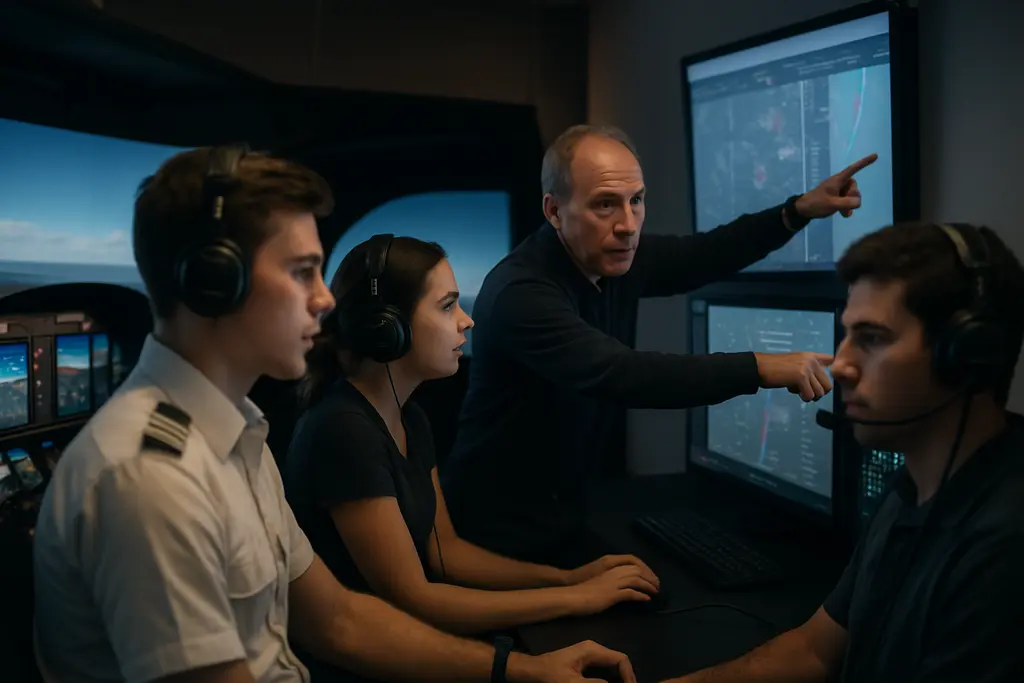
Before stepping into the aircraft, your instructor will usually spend time explaining what the lesson will involve. This pre-flight briefing helps reduce uncertainty and prepares you for what will happen in the air. Expect a short discussion about safety procedures, basic aircraft controls, and how the flight will unfold.
During this briefing, the instructor will explain the purpose of the lesson and describe how the aircraft is controlled using the yoke or stick, rudder pedals, and throttle. They will also cover simple safety concepts such as seat belts, emergency procedures, and how communication works inside the cockpit.
Many instructors also introduce the concept of aviate, navigate, communicate, which reflects the priority order pilots use when managing the airplane. Learning this mindset early helps students understand that flying safely always comes before everything else.
Learning The Basics Of Aircraft Controls
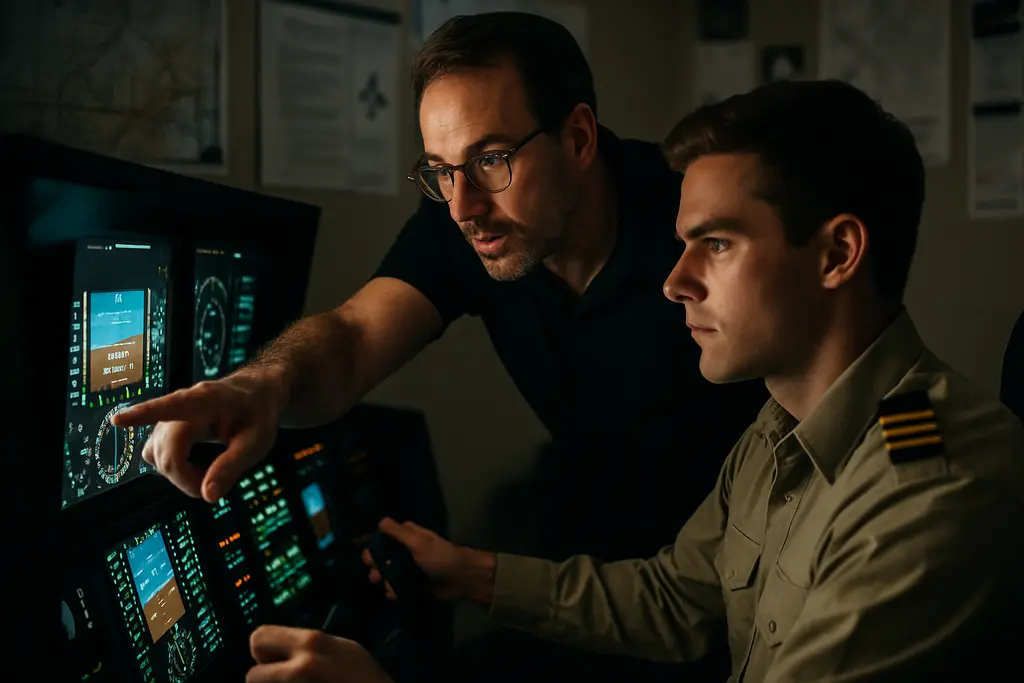
Once inside the cockpit, the instructor will point out the most important controls and instruments. While modern aircraft contain many gauges and displays, students only need to understand a few essential ones during the first lesson.
| Control | What It Does | What Students Usually Try First |
|---|---|---|
| Yoke or control stick | Changes pitch and roll | Turning the airplane |
| Rudder pedals | Controls yaw and steering | Coordinating turns |
| Throttle | Controls engine power | Adjusting climb or descent |
| Basic flight instruments | Show altitude, airspeed, and attitude | Monitoring flight performance |
Most instructors demonstrate how each control affects the airplane, then allow the student to try simple inputs once the aircraft is safely airborne.
The experience often surprises students because airplanes respond smoothly and predictably when the controls are used gently. The first lesson focuses more on feeling how the airplane reacts than on performing precise maneuvers.

What Happens During The Flight
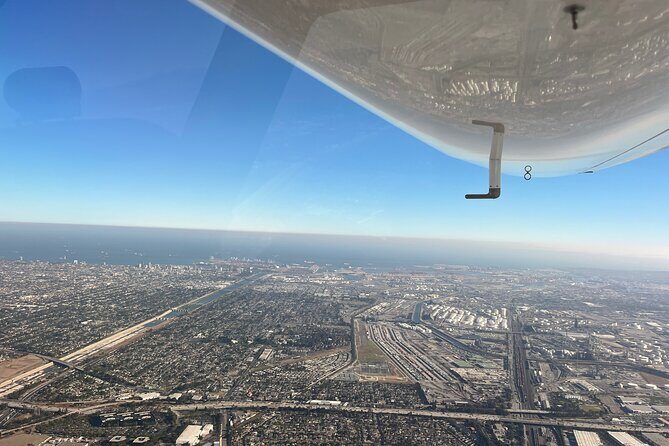
After taxiing to the runway and completing pre-takeoff checks, the instructor will usually handle the takeoff while explaining what is happening step by step. Once the airplane reaches a safe altitude, the instructor may invite you to place your hands on the controls and try gentle turns, climbs, or descents.
This is often the moment when students realize that flying is something they can actually learn. The airplane may feel complex from the outside, but the basics of controlling it become surprisingly intuitive with guidance from an instructor.
During the flight, the instructor may introduce a few fundamental skills such as:
- Maintaining level flight
- Gentle turns
- Recognizing the horizon and aircraft attitude
These exercises help build the earliest foundation for flight training.
Expect A Focus On Safety And Awareness
Safety awareness is a major theme throughout the first lesson. Your instructor will likely demonstrate how pilots scan for other aircraft, monitor instruments, and maintain situational awareness.
Instructors emphasize these habits from the beginning because aviation relies heavily on discipline and consistency. Even during a relaxed introductory flight, pilots are continuously evaluating weather conditions, aircraft performance, and traffic around the airport.
For many students, this is the moment when flying starts to feel less like a thrill ride and more like a professional skill that requires attention and responsibility.
The Flight Will Usually Last About An Hour
Most discovery flights or first lessons last between 45 minutes and 90 minutes, depending on the flight school and aircraft availability. Not all of that time is spent in the air.
| Phase | Typical Duration | Purpose |
|---|---|---|
| Pre-flight briefing | 15–30 minutes | Overview of aircraft and lesson |
| Aircraft inspection | 10–15 minutes | Checking aircraft condition |
| Flight time | 30–60 minutes | Introductory flight experience |
| Post-flight discussion | 10–20 minutes | Review and questions |
The post-flight discussion is important because it allows the instructor to answer questions and explain what future training might look like.
You Do Not Need To Know Anything Before The First Lesson
A common misconception is that students should study aviation before their first flight lesson. While curiosity certainly helps, instructors expect beginners to arrive with little or no prior knowledge.
Flight training is designed to build skills gradually. The first lesson focuses on exposure rather than mastery. As training continues, students learn more about navigation, weather, aircraft systems, and regulations.
Many students later discover that early milestones—like the first time they control the aircraft—build toward larger achievements such as solo flight. If you want a preview of that next step, PilotPointer’s first solo flight tips guide explains how students prepare for that important training milestone.
The Instructor Will Also Evaluate You
Although the first lesson is mainly educational, instructors also observe how students respond to the learning environment. They may pay attention to things like coordination, focus, communication, and how comfortably you handle new information.
This evaluation is informal and supportive rather than critical. Instructors want to understand how you learn so they can adapt future lessons accordingly. Some students pick up aircraft control quickly, while others need more time to develop the feel for it.
Either way, progress in flight training depends much more on consistency than natural talent.
The Experience Often Confirms Whether Flying Is Right For You
For many people, the first flight lesson becomes a turning point. Some students immediately know they want to continue training, while others simply enjoy the experience and gain a better understanding of aviation.
That is exactly why discovery flights exist. They allow prospective pilots to explore aviation in a low-pressure environment before committing to the full training path. The FAA’s pilot training guidance emphasizes that becoming a pilot involves structured training, aeronautical experience, and practical testing, all of which begin with the earliest introductory flights. (faa.gov)
Frequently Asked Questions
Do You Actually Fly The Plane During The First Lesson?
In most cases, yes. After takeoff and once the aircraft reaches a safe altitude, instructors often allow students to try basic turns or level flight under supervision.
Is The First Flight Lesson Difficult?
No. The first lesson focuses on simple concepts and hands-on experience. The instructor handles most of the technical aspects while guiding the student through the basics.
How Much Does A First Flight Lesson Cost?
Prices vary by location and aircraft type, but discovery flights typically range from about $100 to $250 depending on the flight school and aircraft used.
Do You Need A Medical Certificate Before Your First Lesson?
No. Students can take flight lessons before obtaining a medical certificate, though one will be required later before solo flight.
Final Takeaway
Your first flight lesson is designed to introduce you to aviation in a structured and encouraging environment. Rather than testing your abilities, it allows you to experience the fundamentals of flying while learning how flight training works. Most students walk away from that first flight with a better understanding of both the aircraft and themselves. For many, it marks the beginning of a journey that leads to solo flight, cross-country adventures, and eventually earning a pilot certificate.