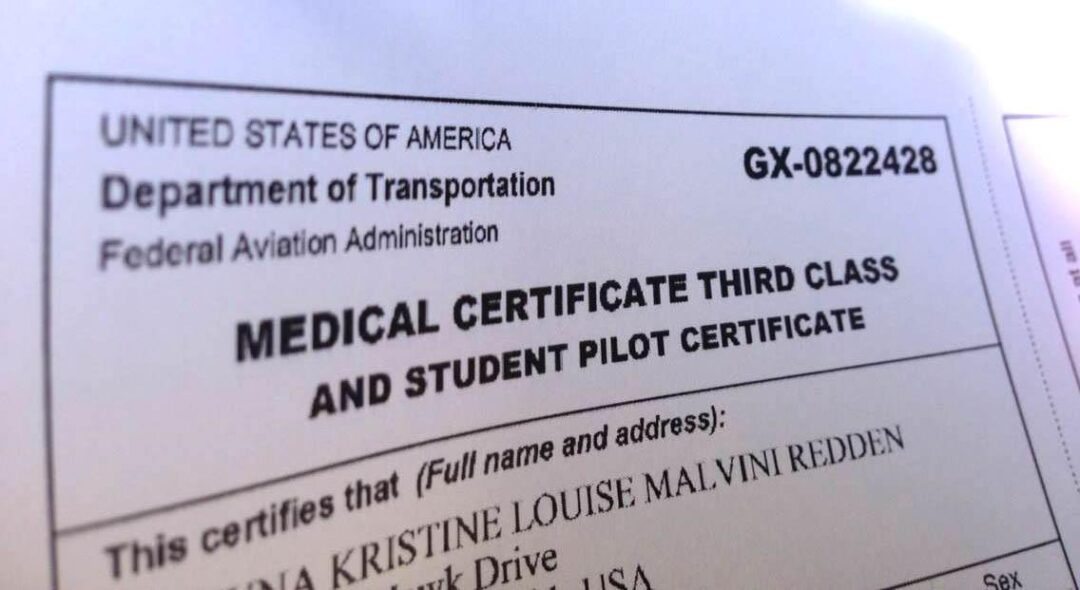
Losing your medical certification instantly grounds your aviation career. A routine checkup that reveals an irregular heartbeat, a new mental health diagnosis, or a required surgery strips away your legal authority to act as pilot-in-command. The Federal Aviation Administration explicitly disqualifies certain physical conditions to protect the national airspace system from sudden pilot incapacitation. A disqualifying diagnosis does not mean a permanent lifetime ban from the flight deck. The government provides a legal pathway back to the left seat through an FAA special issuance waiver. This administrative procedure allows pilots with manageable health issues to prove they pose no safety risk to the flying public. Successfully clearing this bureaucratic hurdle requires strict organization, patience, and a refusal to let missing paperwork delay your return to the cockpit.
The Medical Deferral And Initial Paperwork
The process formally begins when an Aviation Medical Examiner (AME) defers your application. If you check “yes” to a disqualifying condition on your MedXPress application, the local examiner lacks the legal authority to issue your certificate on the spot. They must defer your file to the Aerospace Medical Certification Division in Oklahoma City. This triggers a formal request from the federal government for detailed medical records.
You must provide clinical notes, operative reports, and letters from your treating physicians. You can review the exact documentation standards required for specific diseases by referencing the official FAA Guide for Aviation Medical Examiners, which lists the exact testing metrics the regulatory doctors expect to see. Supplying incomplete data guarantees a massive delay, forcing the agency to mail you another request for clarification. Before you submit your initial application, you should gather every single piece of medical history related to your condition.
Working With Specialized Aviation Medical Consultants
Clinical doctors focus on treating your symptoms; they rarely write notes that satisfy federal regulatory standards. A letter from your cardiologist stating you are “cleared for normal activities” means absolutely nothing to an aerospace medicine specialist evaluating your risk of sudden incapacitation at altitude. Bridging this communication gap often requires hiring an independent aviation medical consultant.
Organizations specializing in aerospace medicine employ former military flight surgeons and retired government examiners who speak the exact language required by Oklahoma City. If you are reviewing standard aviation resources to plan your training budget, factor the cost of these consulting services into your emergency fund. These experts review your clinical file, identify missing tests, and draft specific instructions for your primary care physician. You can explore consulting options through advocacy groups like the Aircraft Owners and Pilots Association Pilot Protection Services, which provides direct access to legal and medical professionals who handle deferral cases daily.
Standard Timelines And Managing Expectations
| Application Status | Typical Federal Response Time | Required Pilot Action |
| Initial Deferral | 60 – 90 Days | Await the formal letter requesting specific documentation. |
| Document Review | 90 – 120 Days | Submit a complete packet via certified mail; avoid piecemeal submissions. |
| Final Decision | 30 – 60 Days | Receive the official authorization letter or a denial. |
The timeline tests your patience aggressively. The federal medical division handles thousands of applications every month, creating a massive backlog. A standard review routinely takes six to eight months from the date of your initial deferral. Calling the medical branch daily will not speed up the review of your file. The most effective strategy involves submitting a single, perfectly organized packet of medical records that leaves zero ambiguity about your physical stability.
Securing Your Authorization Letter
When the government finally approves your file, they issue an Authorization for Special Issuance of a Medical Certificate. This letter explicitly outlines your ongoing reporting requirements. Most waivers require the pilot to submit updated medical tests every twelve months to maintain their flying privileges. The physical stress of a grounding combined with the financial strain of consulting fees forces many pilots to reconsider their career path. Approaching this administrative challenge with cold, analytical precision protects your investment in aviation. Treat the paperwork with the exact same respect you give an emergency checklist in the aircraft. By supplying clinical facts and utilizing professional consultants, you secure the legal right to fly again.