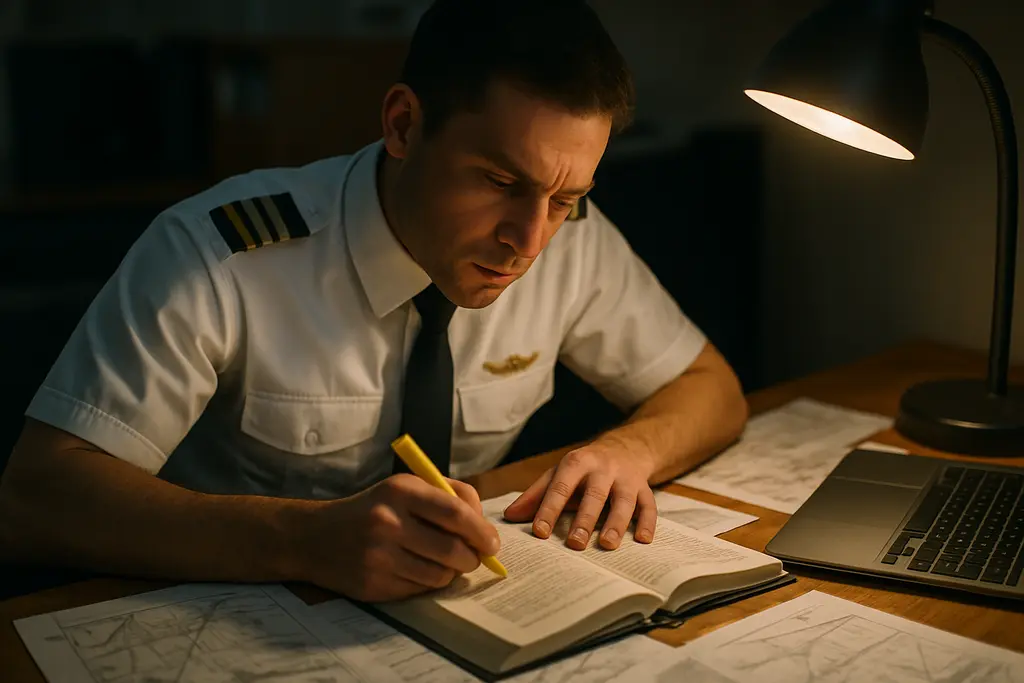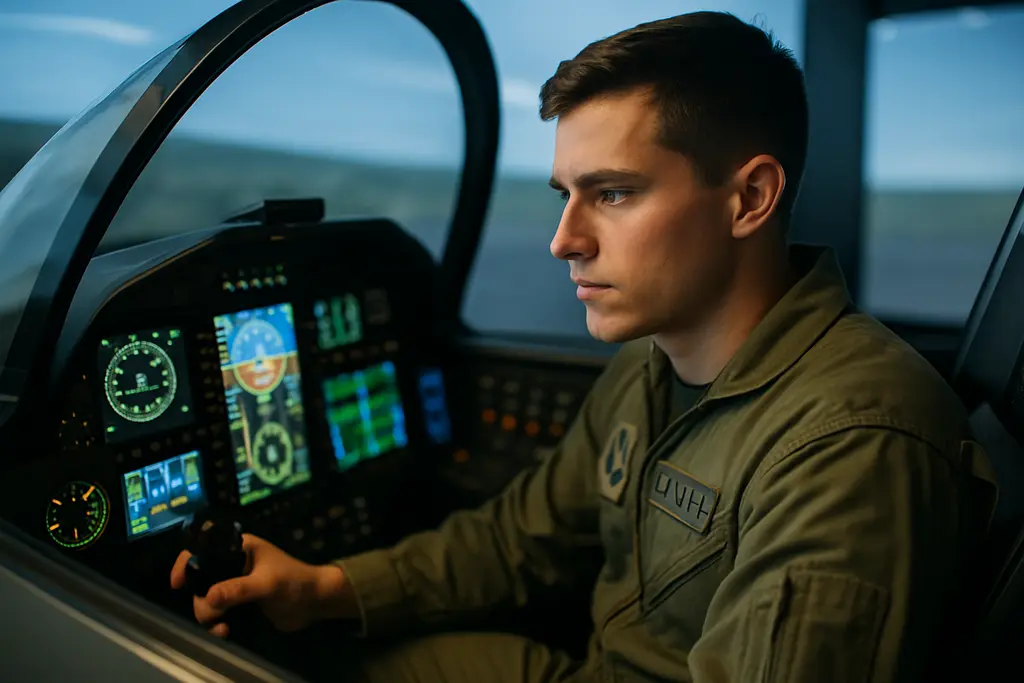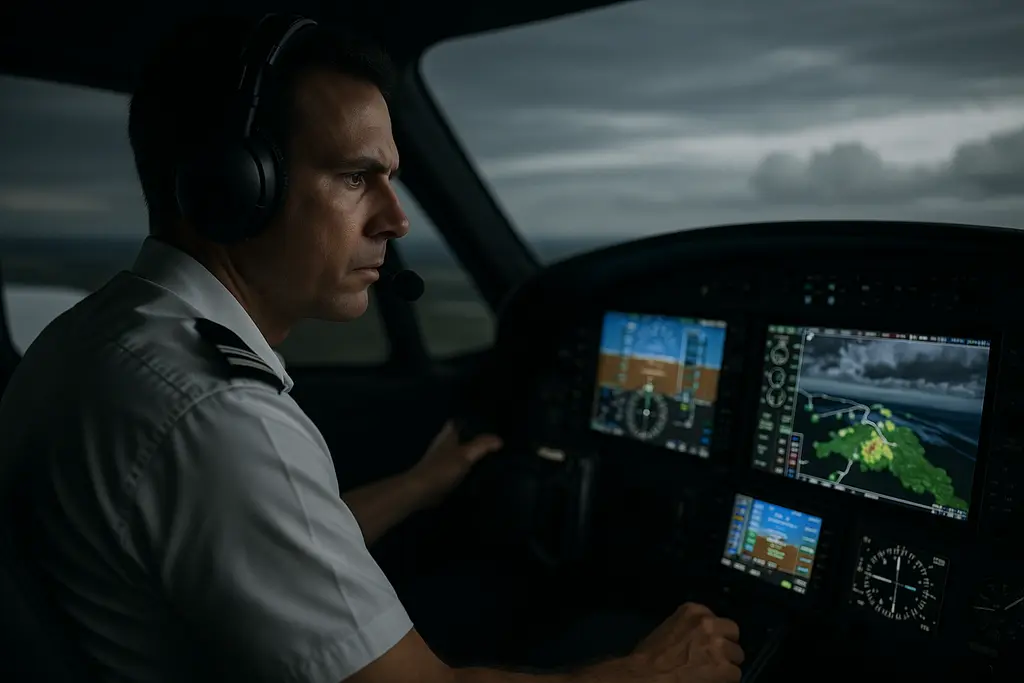
Confirmed: pilot training models are shifting toward real-world scenarios because technical control of the aircraft is only one part of safe flying. A pilot also needs to recognize risk, manage workload, communicate clearly, and make sound decisions while conditions change. The strongest training designs now place those skills inside practical flight situations rather than treating them as separate classroom ideas. For aspiring pilots working toward certification, that shift matters because scenario practice connects what they study, what they brief, and what they may need to do in the cockpit.
Why Pilot Training Models Now Use Scenarios
How Pilot Training Models Fit The Lesson Brief
Confirmed: scenario-based training uses realistic flight situations to combine technical flying skills with risk management and situational awareness. The approach asks pilots to analyze a problem, compare options, and choose a safe operational response, as described in the scenario-based training reference. That structure changes the tone of a lesson. Instead of repeating a maneuver only for precision, the student is asked to explain why the maneuver is needed, what risks surround it, and what decision points could change the plan.
Training analysis: this is especially valuable during certification preparation because many weak areas show up under context. A student may know a checklist step in isolation but hesitate when weather, traffic, workload, or system indications compete for attention. Scenario design lets an instructor see whether the student can connect knowledge to action. For instructors, pilot training models built around scenarios give a clearer view of judgment, prioritization, and consistency across the full lesson.
From Task Completion To Operational Thinking
Confirmed: evolving training approaches are placing more weight on decision-making, risk management, and operational proficiency. The benefit is not that basic stick-and-rudder work becomes less valuable. The benefit is that technical skill is practiced under conditions that resemble real flying. A short cross-country exercise, for example, can become a discussion about fuel decisions, alternate planning, system warnings, airspace communication, and personal minimums. The same flight hour can train control, planning, communication, and judgment together.
Training analysis: this helps reduce the gap between passing a lesson item and acting safely without constant prompting. Certification training often contains repeated standards and defined maneuvers, but the real test of readiness is whether a pilot can apply those skills while the situation is changing. Scenario practice gives the learner a chance to make decisions, review the result, and refine the thought process before operating with greater independence.
Scenario Design For Risk And Judgment
Building Pressure Without Creating Unsafe Conditions
Confirmed: scenario-based training is meant to challenge pilots to evaluate options and make safe operational decisions. The key is controlled pressure. A well-built scenario should be realistic enough to create workload, but structured enough that the instructor can pause, coach, or reset the exercise. That balance protects the learning environment while still showing the student how quickly small choices can affect the flight.
Training analysis: the best scenarios are not simply dramatic events. They can be ordinary situations that require disciplined thinking. A student might face a simulated system indication during recurrent ground school, a route change that affects fuel planning, or a communication problem that requires patience and verification. Research notes also describe micro-learning approaches in recurrent ground school, where pilots work through short scenario-driven exercises and identify responses to in-flight system warnings. Short exercises can be useful because they focus attention on one decision loop without overwhelming the learner.
Why Debriefing Carries The Lesson
Reviewed: scenario practice produces its strongest value after the event, during the debrief. The instructor can ask what cues the pilot noticed, what information was missed, and whether another choice would have reduced risk. That discussion turns a single event into repeatable learning. It also gives the student language for future self-briefing, which is a major part of becoming a safer certificate holder.
Training analysis: debriefing should focus on observable behavior rather than personality. A useful review might identify a delayed checklist callout, a rushed fuel decision, or a missed traffic advisory. That level of specificity supports growth because the pilot knows what to practice next. Related training discussions on competency-based training and pilot safety make the same practical point: observable behaviors give instructors a better way to target risk than a simple pass-or-fail task list.
Data And Simulation In Pilot Training Models
Competency-Based Training And Assessment
Confirmed: competency-based training and assessment, often shortened to CBTA, focuses on pilot competencies and operational behaviors. Research notes describe airline use of data-driven CBTA systems that keep training focus areas, lesson content, and design aligned with operational conditions. This differs from a model that only checks whether a pilot completed a fixed set of items. CBTA asks whether the pilot is showing the behaviors needed for safe operation.
Training analysis: in practice, pilot training models that use competency markers can help instructors identify patterns sooner. If a learner repeatedly struggles with workload management, communication timing, or threat recognition, the next lesson can address that pattern directly. This does not remove instructor judgment. It gives the instructor more structured evidence to support that judgment and to explain the training plan to the student.
Synthetic Data And Rare Events
Confirmed: synthetic data can create many variations of situations that are uncommon in the real world, a concept discussed in technology reporting by The Guardian on synthetic data. In aviation training, the idea is relevant because rare combinations of cues are difficult to experience repeatedly in normal flying. Simulated or virtual environments can expose pilots to unusual patterns without waiting for them to occur naturally.
Training analysis: this does not mean synthetic scenarios should replace real aircraft experience. It means they can support preparation for events that are too risky, too expensive, or too uncommon to practice often in flight. Research notes also point to mixed reality, virtual reality, full-scale cockpit replicas, motion platforms, and simulated air traffic control components as ways to add realism and consistency. Simulated ATC is especially useful because it can reduce the need for an instructor to act as both teacher and controller, making the communication environment more consistent for the learner.
Practical Effects For Student Pilots

What Changes In Daily Training
Confirmed: real-world scenario training links classroom knowledge, simulator work, and flight lessons more closely. A student should expect more questions about why a decision was made, not just whether a maneuver met a target. That can feel demanding, but it is productive. It asks the student to brief risk before the flight, identify triggers during the flight, and explain choices afterward.
Training analysis: students can prepare by treating every lesson as an operational exercise. Before a flight, they can review the route, weather, aircraft status, communications, and possible diversion points. During the lesson, they can verbalize what they see and what decision point is approaching. Afterward, they can write down one technical item and one judgment item to improve. For readers interested in how broader technology and learning trends interact, the training methods discussed on sites like NoirWhale emphasize the importance of tools that enhance decision-making in aviation training.
What Does Not Change
Reviewed: scenario practice does not remove the need for core knowledge, aircraft control, procedures, or disciplined study. It places those foundations inside operational context. A pilot still needs to know the aircraft, understand system indications, use checklists, and communicate clearly. The difference is that the learner is asked to apply those skills while weighing risk and workload.
Training analysis: this is where instructors can help students avoid a common trap. A scenario is not a script to memorize. It is a chance to practice a decision method. If the same student faces a different route, aircraft warning, or weather change later, the goal is not to remember the old answer. The goal is to recognize the hazard, gather the right information, and choose a safe course of action.
Pilot Training Models For Certification Readiness
Confirmed: evolving training approaches increasingly use realistic scenarios, competency assessment, simulation, recurrent micro-learning, and data-informed design to prepare pilots for operational conditions. For certification candidates, that means readiness is broader than completing a syllabus line. Readiness includes explaining decisions, recognizing threats, communicating under pressure, and adapting when the plan changes.
Training analysis: the practical value of pilot training models built around real-world scenarios is that they make safety habits visible. Instructors can see how a student thinks, not just how the aircraft moves. Students can see where their judgment is strong and where it needs more practice. That combination supports a more honest certification pathway: one that respects technical standards while preparing the pilot for the decisions that define safe flying.