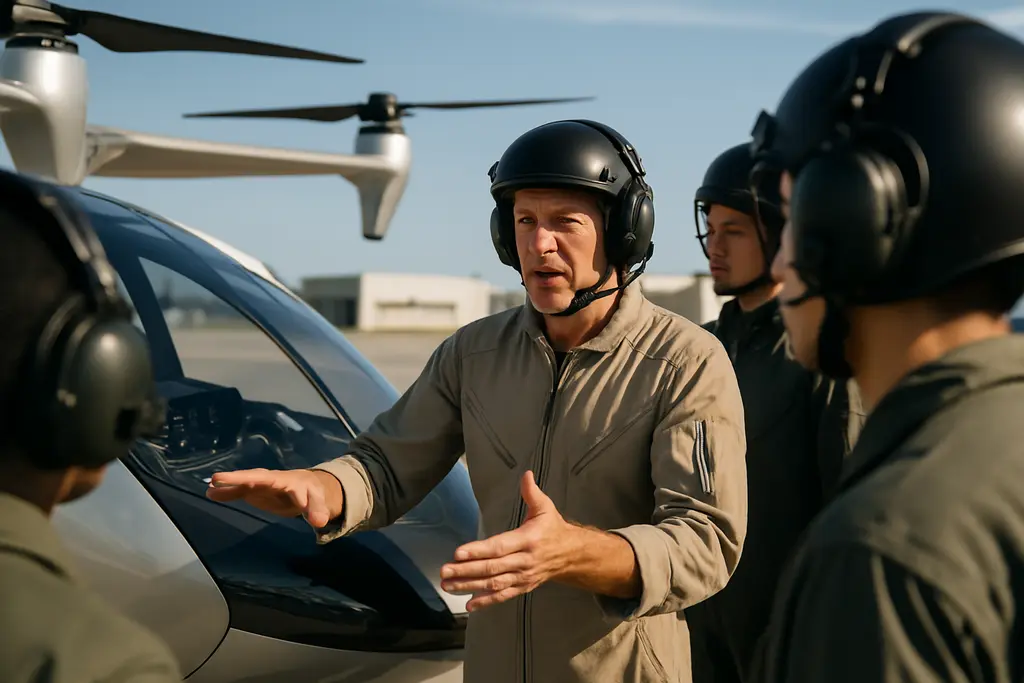
Embarking on a career as a pilot is a significant undertaking that demands careful planning, unwavering dedication, and a robust foundation in several critical areas. To become a proficient pilot, one must comprehend the intricate systems, regulations, and skills necessary for ensuring safety and efficiency in aviation.
The journey to becoming a skilled aviator involves meeting specific prerequisites that lay the groundwork for a successful career. Understanding these essential airline pilot requirements is crucial for aspiring pilots.
Key Takeaways
- Understanding the complex systems and regulations in aviation is crucial.
- Meeting specific pilot prerequisites is essential for a successful career.
- A strong foundation in critical areas is necessary for aspiring pilots.
- Dedication and careful planning are vital for a pilot’s journey.
- Comprehending airline pilot requirements is key to becoming a proficient pilot.
Age, Education, and Citizenship
The path to a pilot career is governed by strict guidelines regarding age, educational qualifications, and citizenship. Understanding these foundational requirements is crucial for anyone aspiring to join the ranks of professional pilots.
Education Levels Needed
To become a pilot, one must meet specific educational criteria. At a minimum, a high school diploma or equivalent is required. Some airlines and flight schools may also prefer or require a bachelor’s degree, particularly in fields related to aviation, physics, or other sciences.
| Educational Level | Requirement | Preferred By |
|---|---|---|
| High School Diploma | Minimum Requirement | All Airlines |
| Bachelor’s Degree | Preferred or Required | Major Airlines |
Legal Requirements
Legal requirements include meeting specific age thresholds and citizenship criteria. For a private pilot’s license, one must be at least 17 years old, while an Airline Transport Pilot (ATP) certificate requires being at least 23 years old. Additionally, pilots must be citizens of the country where they are licensed or hold a valid visa.

Meeting these age, education, and citizenship requirements is the first step towards a successful pilot career. It’s essential to check with the relevant aviation authority or airline for the most current requirements.
Physical and Mental Fitness
Physical and mental stamina are crucial for pilots, who must withstand the rigors of flight while ensuring the safety of their passengers. The aviation industry places a high premium on the physical and mental well-being of its pilots, recognizing the critical role they play in safe flight operations.
To become a pilot, one must undergo rigorous medical examinations to ensure they are fit to fly. The Federal Aviation Administration (FAA) mandates that pilots hold a valid medical certificate, which is categorized into different classes based on the type of flying they will be doing.
Medical Certificate Classes
The FAA issues three classes of medical certificates: First Class, Second Class, and Third Class. The class required depends on the type of pilot license and the privileges it grants.
- First Class: Required for airline transport pilots, this is the most stringent medical examination.
- Second Class: Needed for commercial pilots, this class ensures that pilots can safely operate aircraft for hire.
- Third Class: For private pilots, this class is less stringent than the first two but still crucial for ensuring safety.
As noted by the FAA, “A medical certificate is your ‘license to fly.’ It is a critical component of ensuring safety in the skies.”
“The aviation industry’s commitment to safety is reflected in its stringent medical standards for pilots.”
Cognitive and Personality Traits
Beyond physical health, pilots must also possess certain cognitive and personality traits. These include situational awareness, decision-making, and effective communication skills. Developing these traits is vital for success in the aviation industry.
Key cognitive traits include:
- The ability to process information quickly and accurately.
- Good spatial awareness and the ability to navigate complex airspaces.
- Effective decision-making under pressure.

Personality traits such as calmness under stress, teamwork, and leadership are also essential. As Captain Chesley Sullenberger once said, “The ability to remain calm and make rational decisions in the face of adversity is a hallmark of a good pilot.”
“Leadership and teamwork are not just desirable traits; they are essential for safe and effective flight operations.”
How to Prepare Before Training
Preparation is key to a successful aviation career, and it starts long before you enter the cockpit. Aspiring pilots must be proactive in laying the groundwork for their future profession.
Building a Foundation: Math, Physics, & English
A strong foundation in math, physics, and English is crucial for a career in aviation. Math is essential for understanding navigation, physics helps in comprehending the principles of flight, and English is vital for effective communication.
To build this foundation, aspiring pilots should focus on developing their skills in these areas. This can be achieved by taking advanced courses in math and physics, and practicing English through reading and writing exercises.
Gaining Experience Outside the Cockpit
Gaining experience outside the cockpit can significantly enhance a pilot’s skills and understanding of the aviation industry. This can be achieved by participating in aviation camps, joining flying clubs, or even simulating flight experiences.
These activities provide valuable insights into the world of aviation and help aspiring pilots develop skills that will be beneficial during formal training. They also offer opportunities to network with experienced pilots and learn from their experiences.
Checklist for Aspiring Pilots
The path to becoming a pilot is paved with specific requirements and skills that aspiring pilots must acquire. To help navigate this complex process, we’ve compiled a comprehensive checklist that covers all the essential prerequisites and steps outlined in the previous sections.
Essential Requirements:
- Age: Ensure you meet the minimum age requirement of 17 years for private pilot certification and 23 years for an Airline Transport Pilot (ATP) certificate.
- Education: Hold a high school diploma or equivalent. While not mandatory, having a degree in aviation or a related field can be beneficial.
- Citizenship: Be a citizen of the country where you’re applying for your pilot’s license.
Physical and Mental Fitness:
- Medical Certificate: Obtain a medical certificate from an authorized aviation medical examiner. The class of medical certificate required depends on the type of pilot license you’re pursuing.
- Cognitive and Personality Traits: Develop critical cognitive skills such as spatial awareness, decision-making, and multitasking. Additionally, cultivate personality traits like discipline, focus, and stress management.
To further enhance your pilot skills, consider the following:
- Gaining Experience: Look for opportunities to gain flight experience through flight schools, flying clubs, or volunteer programs.
- Building Foundations: Strengthen your knowledge in subjects like math, physics, and English, as these are foundational to understanding aviation principles.
By following this checklist, aspiring pilots can ensure they’re on the right track to achieving their goal. Remember, becoming a pilot requires dedication, hard work, and a passion for flying.
Stay Focused: Regularly review and update your checklist to stay focused on your goals. With persistence and the right guidance, you can successfully navigate the journey to becoming a pilot.
FAQs
Aspirants often have questions about the requirements and process of becoming an airline pilot. Let’s address some of these frequently asked questions to provide clarity on airline pilot requirements and pilot prerequisites.
What are the basic pilot prerequisites? To start, one must meet the age, education, and citizenship requirements. For instance, to qualify for a commercial pilot license, you must be at least 18 years old and hold a valid U.S. driver’s license.
How important is physical and mental fitness? It’s crucial. Pilots need a medical certificate from a Federal Aviation Administration (FAA)-designated Aviation Medical Examiner (AME). Regular medical check-ups ensure they are fit to fly.
What kind of training is required? Aspiring pilots must undergo rigorous training, including ground school and flight training, to obtain their licenses. The FAA sets the standards for these programs.
Understanding these airline pilot requirements and pilot prerequisites is key to a successful aviation career. By meeting these standards and staying committed, you can achieve your goal of becoming an airline pilot.