I once thought climbing the aviation career ladder was like playing Pokémon: work hard, level up, earn a shiny badge, then do it all over again. That changed when I discovered the MEI. Suddenly, there were new challenges like wind shear and tricky system questions.
Getting the MEI rating changes everything. With it, instructors enter a more complex world. They teach multi-engine flying, which demands sharp skills and quick thinking.
Becoming a multi-engine instructor is tough. You need to teach engine-out maneuvers, understand multi-engine aerodynamics, and manage emergencies confidently. Teaching becomes about working through problems together, often under pressure.
In terms of salary, the range is wide for instructors in the U.S. They can earn between $15 and $50 an hour. Annually, that’s around $28,000 to $65,000, based on their schedule and where they teach. MEIs often start at about $22/hour. It’s not about making a fortune but advancing in your career.
For ambitious CFIs, becoming an MEI is a strategic move. It’s not just about meeting requirements. It proves your capability and opens doors for better jobs in aviation. This can lead to more opportunities and a path to major airline roles sooner.
What Do CFIs Get Paid?
Talking about money in flight instructing is confusing. It’s like trying to pick the best TV streaming bundle. Everyone claims they have the top deal, but the details are hard to understand. The question of what CFIs earn seems simple at first. But, it gets complicated because they’re not paid a regular salary. Instead, they earn money by the hour, by the task, or even based on how the day’s schedule looks.
The usual hourly rate for CFIs ranges from about $15 to $50. This depends on work location and the teaching subject. The yearly income can vary widely, falling between $28,000 and $65,000. However, these numbers come with a big “if”. They assume everything goes as planned, like students showing up and no bad weather.
The tricky part is that not all hours at the airport count as paid work. A workday for a CFI might include talking before flights, dealing with delays, or unexpected long discussions. When schools pay only for the flight instruction time logged, the amount a CFI makes can decrease quickly.
The kind of lesson also affects how much a CFI makes. Teaching in-flight, on the ground, or using a simulator can each earn different amounts. To really understand your earnings, it’s best to look at how much time you spend in flight, teaching on the ground, and in simulators.
| Instruction type | How it’s commonly billed | What can boost earnings | What quietly cuts pay |
|---|---|---|---|
| Flight instruction (single-engine) | Hourly, tied to Hobbs or lesson block | Back-to-back students, strong pass rates, high demand | Cancellations, bad weather, plane troubles, waiting between lessons |
| Ground instruction | Hourly, sometimes limited per stage or test prep | Exam prep packages, efficient lessons, returning students | Unpaid chats, long debriefs, students who don’t show up |
| Simulator / AATD sessions | Hourly, might be part of training packages | Being used a lot, organized lessons, steady schedule | Not enough simulators, unpredictable student numbers |
| Multi-engine instruction | Hourly, usually higher pay | Costs more per hour, specialized area, not many instructors | Not as many students, hard to get planes |
Adding multi-engine teaching can increase pay. MEI jobs often offer more than single-engine roles. A common average pay in the U.S. is about $22/hour. However, this can vary a lot depending on where you are and who you work for. Multi-engine instruction tends to pay more because it’s harder to find. There are fewer planes and instructors, and students often want to complete training quickly.
But it’s important to remember: the rate isn’t everything. What really matters is how many hours you can work each week. And, the variety of teaching you do. This is what shapes a flight instructor’s income. It can turn into a steady paycheck or an unpredictable calendar.
Factors Impacting CFI Earnings
CFI pay isn’t simple. It’s like politics: “performance” matters, but so do location and timing. What really affects how much you earn? The place you work, who pays you, and what subjects you can teach.
First comes the essential requirement. To get a CFI certificate, you need a commercial pilot certificate. This means at least 250 hours of flying time. This requirement sets the stage, as not everyone can start at the same level.
How you get paid can vary. Some schools pay differently for flying, teaching on the ground, and using simulators. If you teach more on the ground, your pay might look different from someone who flies a lot.

Adding more credentials can boost your income. If you get your CFII and teach instrument flying, you might earn more. Schools can advertise these skills, helping you to get more work.
Teaching multi-engine flying is special. It requires extra skills, so some places will pay more for it. Big cities and places close to airlines usually offer better pay. But smaller areas may pay less, though the work is steadier.
| Instructor pay factors | What changes day-to-day | How it can show up in earnings |
|---|---|---|
| State and metro area | Student volume, cost of living, weather downtime | Higher rates in dense markets; more cancellations in seasonal climates |
| Employer type | Standardized syllabus vs. ad-hoc scheduling | Universities may offer steadier hours; academies may pay more per flight hour |
| Session mix | Aircraft, ground, and simulator/AATD time | Different hourly rates can swing weekly totals even with the same hours worked |
| Ratings and seniority | What you’re allowed to teach and how often you’re requested | Advanced CFI earnings can climb with CFII/MEI demand and repeat clients |
| Multi-engine demand | Fleet size, insurance limits, checkride pipelines | MEI rating benefits can include higher hourly rates and priority scheduling |
Going the MEI way offers more than pride. It opens doors to teaching a sought-after student group. This can mean fewer “plane is unavailable” issues. But remember, in aviation, even paychecks can be unpredictable because of the weather.
Major Flight School vs. Local FBO
Choosing between a large flight school and a local flight operation is hard. It’s like deciding if you want your news from a big network or your local newspaper. Big schools focus on schedules and size, while local ones care more about personal connections and day-to-day changes. No matter what, teaching pilots isn’t usually a regular 9-to-5 job.
At big flight schools or universities, things are well-organized. You’ll find a steady flow of students, better support, and fewer unexpected breaks. This setup makes it easier to know how much you’ll work, even though it might feel never-ending.
Part 61 training offers flexibility and focuses on skill level, not hours spent. This is good if you can move fast. But it’s tough when life gets in the way, and lessons get pushed back. Teaching at a local FBO then feels like you’re relying on group chats and waiting out the weather.
Part 141 training follows a strict plan approved by the FAA, including set hours for learning. Teachers here get regular schedules but lose some freedom. The plan is set, and personal preferences don’t change it.
Multi-engine instruction really shows the difference in flight schools. It requires teaching complex skills and following strict FAA rules. You need to stay updated on safety practices, too.
Big schools and universities have systems to handle the extra work of multi-engine training. They use set teaching methods and have clear rules for work hours. Corporate training is more detailed, with high expectations for how things are done.
In big organizations, you might get to teach more advanced classes as you gain experience. At a local flight operation, getting those chances can depend on showing you’re reliable and versatile. You might even help out with scheduling when not teaching.
| Work reality | Major flight school or university ecosystem | Local FBO environment |
|---|---|---|
| Training structure | Often Part 141: FAA-approved syllabus, minimum ground/flight hour requirements, more standardized lesson flow | Often Part 61: flexible pacing, proficiency-driven, lesson plans adapt quickly to student needs and schedules |
| Scheduling and paid hours | Higher student volume and tighter blocks can improve predictability of paid time | More variability from weather, aircraft availability, and student churn; strong relationships can still keep the schedule full |
| MEI rating opportunities | More likely to have dedicated multi aircraft, standard briefs, and recurring multi-engine training events | Often limited by fleet size and maintenance capacity; opportunities can spike when a multi student shows up ready to fly a lot |
| How pay varies by employer type | MEI pay can differ across private academies vs. universities vs. corporate training; highly experienced MEIs at major training institutions can earn significantly above the average | Rates may be simpler and more negotiable, but income depends on utilization and the local market’s appetite for training |
| Path into advanced CFI roles | Defined tracks like standardization, lead instructor duties, stage-check authority, or multi-engine staffing needs | Responsibility expands informally: mentoring newer instructors, handling complex students, and stepping into operations when needed |
So, what type of job do you want? A big flight school is like a busy newsroom with strict deadlines. A job at a local FBO is more like a community radio station – quirky, personal, and fun. Both have their ups and downs, depending on what you’re looking for in a job.
Career Progression from CFI
Starting as a CFI is like climbing a ladder. Each step asks if you can explain tricky concepts early in the morning. Begin by teaching single-engine flying. Then, learn to teach instrument flying for when conditions and student confidence need it most.
The first milestones are crucial. They affect what you can teach and your earnings. They also help you develop skills valued by airlines and corporate flyers: thorough briefings, effective debriefs, and making calm decisions under stress. Advanced certificates mean you can teach more, build trust, and keep your schedule full.
Becoming a multi-engine instructor is when teaching shifts towards judgment. Suddenly, dealing with an engine failure becomes more real than theoretical. When one engine fails, everything changes quickly. Students look to you for decisions, not just comfort.
The path to MEI is direct, with FAA’s clear but uninspired rules. Requirements include being 18 or older, fluent in English, having a Commercial or ATP certificate with a multi-engine rating, and already being a certified Flight Instructor for single-engine planes. You also need a valid medical, 15 hours as PIC in multi-engines, a logbook endorsement for MEI, and a pass on the FAA MEI test.
The MEI checkride is a defining moment. It’s more than just meeting standards. It’s about teaching risk management effectively when dealing with critical situations. If you can cover important topics without causing panic, you’re on the right track.
| Milestone | What you’re trusted to teach | What it signals to employers | Training emphasis |
|---|---|---|---|
| CFI | Private and commercial single-engine basics, maneuvers, and fundamentals | Solid fundamentals in coaching and consistent student management | Lesson planning, practicing airwork standards, and safe flying habits |
| CFII | Instrument flying, including procedures, approaches, and decision-making | Ability to manage workload and think systematically under real conditions | Emphasis on discipline, managing clearances, risk management, and briefing skills |
| MEI | Teaching multi-engine operations, handling engine failures, and performance planning | Showcasing command under pressure and improved judgment | Focus on asymmetric thrust, VMC concepts, and scenario-based instruction |
When planning your career steps, treat each move like a goal instead of a wish. Accrue multi-engine PIC time deliberately. Secure your endorsement by mastering the required skills. Be fully prepared for the MEI checkride, with natural-sounding teaching methods.
That’s the secret to turning advanced certificates into career momentum. It opens up opportunities to teach more students, log more flight hours, and gain respect. Yes, becoming an MEI is challenging, but it’s rewarding and opens many doors.
Teaching as a Stepping Stone
Teaching is a way of saying, “I need hours,” without sounding too eager. It’s seen as the quickest legal method to gain flying experience. You end up flying a lot, planning ahead, and always thinking about your next move.
Teaching also sharpens your brain. When you explain complex topics like stalls, weather, and regulations, you solidify your own understanding. Advanced CFIs don’t just fly—they instill good habits, make smart choices, and prepare students for FAA exams confidently.
The real game-changer is getting your MEI rating. Teaching multi-engine flying focuses on understanding the aircraft’s systems and handling emergencies. You learn about Vmc, asymmetric thrust, and the plane’s quirks.
In the sky, it’s all about handling emergencies with precision. On the ground, you dive deep into system operations and performance calculations. This phase not only builds flight time but also hones your decision-making skills.
| Instructor focus | Typical work you actually do | Skills employers notice fast |
|---|---|---|
| Advanced CFI in single-engine | Build lesson plans, run pre-/post-flight briefings, teach maneuvers and cross-country planning, document progress, maintain FAA compliance | Clear communication, risk management, consistent standards, strong endorsements, polished checkride prep |
| Multi-engine aerodynamics instruction as an MEI | Teach engine-out operations, emergency procedures, and safety protocols; deliver ground school on systems and performance; coach advanced aerodynamics; track training records and currency | Systems thinking, performance discipline, abnormal procedures, sharper cockpit management, confidence under workload |
| MEI rating advantages in day-to-day training | Run scenario-based flights, set decision gates for takeoff/landing performance, adjust plans for density altitude and equipment limits, stay current with multi-engine training changes | Airline-style planning, better margins, stronger judgment, calm execution when the plan changes mid-flight |
Either teaching path leads to growth, but multi-engine instruction comes with more complexity. You don’t just teach actions; you explain their importance, especially in emergencies. This not only counts as building flight time but also forms better flying habits.
Instructor to Airline: Real-World Transitions
The path from teaching to flying for an airline is not as simple as it seems. It involves lots of paperwork and waiting due to weather delays. It’s more complicated than just logging hours and starting your job.
Even if you meet the airline’s requirements, it’s not just about your flight hours. They look for your ability to handle stress. That’s something you can’t pretend to have, even with a smart look.
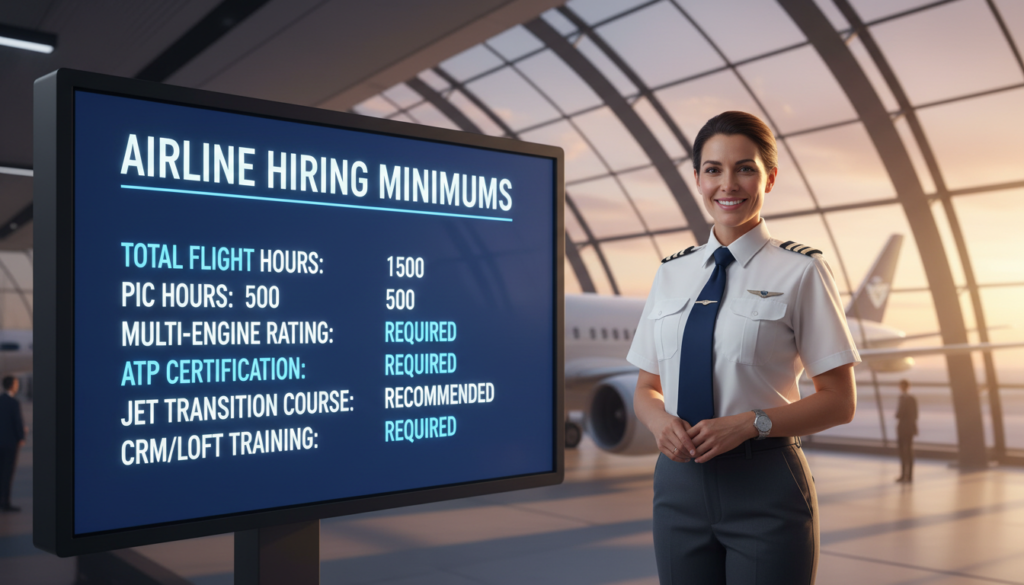
When you’re aiming for that MEI rating, it’s important to focus on quality teaching, not just flight time. Great instructors explain the reasons behind actions, especially when students are overwhelmed.
Teaching emergency procedures starts slowly in a good training program. It begins with simple tasks like cruising, then gradually adds more challenges. This way, engine failures are less frightening for students.
Ground simulations are crucial before any real flying. They help students learn faster, reduce risks, and make actual flight emergencies feel manageable.
| Transition path | What they scrutinize | How MEI teaching translates | Typical logbook signals |
|---|---|---|---|
| Regional airlines | Standardization, checklist discipline, calm in fast workflows | Brief-debrief habits, stable callouts, consistent failure setups | Structured multi-engine instructor experience, repeated OEI patterns, clear remarks |
| Corporate and charter | Customer-facing professionalism, weather judgment, adaptable planning | Scenario-based training, conservative go/no-go decisions, strong risk management | Multi-engine transition work, diverse mission profiles, documented recurrent-style training |
| Universities and academy programs | Syllabus compliance, student outcomes, audit-ready records | Clean lesson plans, stage checks, measurable standards | Commercial/ATP-track instruction, detailed endorsements, consistent pass rates |
| Simulator training centers | Technical accuracy, crew concepts, teaching under time pressure | High-tempo coaching, pause-and-reset instruction, error pattern spotting | Instructor notes quality, repeat client bookings, complex systems familiarity |
| Training department leadership | Safety culture, curriculum design, compliance and trend tracking | Standardization mindset, mentoring other instructors, procedural clarity | Check airman-style tasks, safety meeting involvement, SOP updates |
Prepping for the MEI checkride also gets you ready for your career. It teaches you to explain your decisions, meet standards, and handle criticism. These are key skills for job interviews.
So, while chasing airline goals, remember it’s not just about reaching a target. The real success is in making wise, consistent choices. Your teaching experience should show you can bring calm to any situation.
Salary Trends by Region
Regional pay in aviation feels a lot like regional politics: everyone swears it’s “just math”. But then, the map reveals it’s more about mood, weather, and local habits. Looking at U.S. CFI pay by state shows a clear pattern. It all comes down to *throughput*—the number of students flying, not just talk.
Across the U.S., CFI pay roughly falls between $15–$50 per hour or $28,000–$65,000 per year. This depends on their schedules and how their billable time adds up. The key here is what “actually” happens. Even great rates on paper can fall short due to slow traffic or bad weather.
Living costs also affect what CFIs make. In high-cost areas, higher rates don’t always mean more money. That’s because of tight airspace, long waits, and scheduling problems. Yet, big training centers offer better pay. They have a constant flow of students, making schedules and earnings more reliable.
Multi-engine instructor pay in the U.S. varies greatly, depending on aircraft availability and flight frequency. A common starting rate is about $22/hour. Experienced MEIs in big schools may earn more. But, everything depends on the plane being available and students being ready to fly.
| Regional driver | What it changes in day-to-day pay | What to watch before you move |
|---|---|---|
| Student volume and waitlists | More consistent billable hours and fewer “nothing days” | Instructor-to-student ratio, checkride backlog, dispatch flow |
| Weather patterns and seasonality | Monthly income swings even with the same posted rate | IFR days, winter cancellations, summer convective downtime |
| Metro airspace and airport congestion | Longer ground time that doesn’t always translate to pay | Taxi times, slot constraints, training area distance |
| Institutional scale (universities, academies, simulator centers) | More predictable schedules and demand, sometimes better benefits | Pay structure (hourly vs. salary), minimums, stage check cadence |
| Multi-engine fleet availability | Direct impact on MEI hours and upgrade opportunities | Number of twins, maintenance capacity, student multi demand |
When predicting pay trends, ignore pilot chatter. U.S. CFI salaries reflect the local training market: how many aircraft are used, instructor turnover, and student progress speed. For MEIs, it’s about how many multi-engine lessons a school can offer regularly.
Is Full-Time or Part-Time Better?
Choosing between full-time and part-time teaching is a big decision. It’s like asking if you prefer freedom now or faster progress later. Since you get paid by the hour as a CFI, how much you make mainly depends on how many students you have. Whether it’s flight time, ground lessons, or sessions in a sim or AATD, you won’t earn much if you don’t have enough students.
Usually, a full-time MEI instructor makes more money. They have more students, which means more hours to bill, more time for checkride prep, and less downtime due to bad weather. It might not sound exciting, but being predictable is something airlines appreciate. If you’re aiming to move up quickly, being fully immersed is better than just dipping your toes in.
Being a part-time CFI can work well if you’re juggling another job or watching your budget. However, the downside is clear: too much “flexibility” might mean you hardly see your students. By improving your scheduling and adding CFII and multi-engine teachings to your skills, you can take on a variety of lessons. This strategy helps you make money from MEI ratings without relying on just a few students.
No matter what path you choose, don’t forget about keeping your instructor certificate up to date every 24 months. You can renew it by taking a FIRC (ATP Alumni get one through their association), earning a new instructor rating, passing a practical test, having at least five of your students pass on their first try, or through certain other qualifications. And for those wondering about the pace of training, comparing full-time vs part-time training timelines shows that full-time is more straightforward, while part-time requires exceptional discipline.