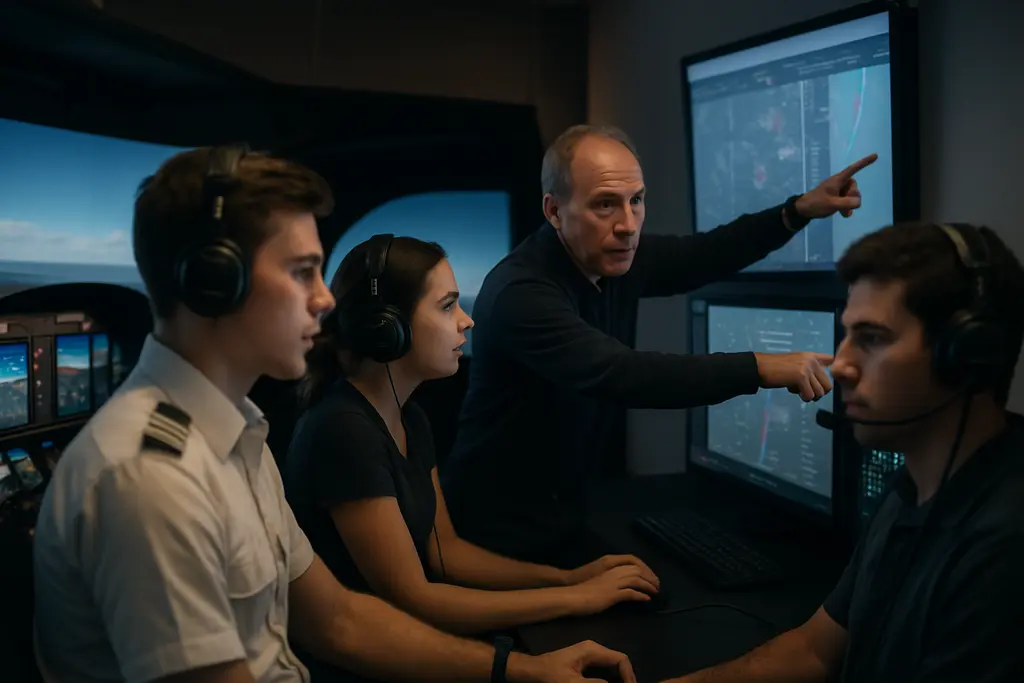
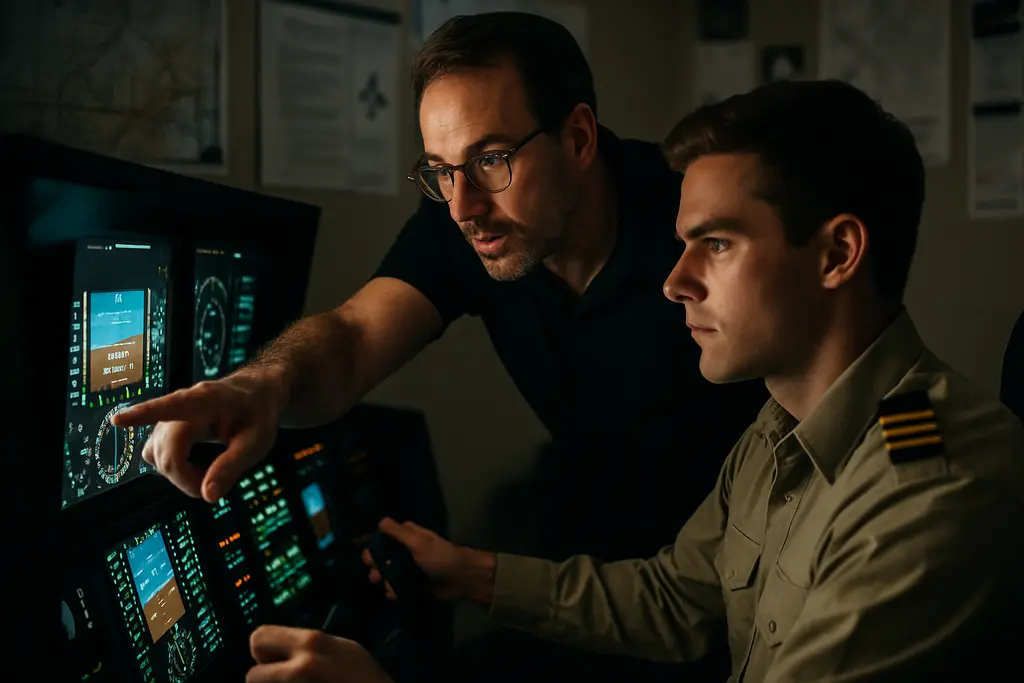
Earning your private pilot license is a race against both time and your bank account. Many student pilots find themselves stuck in a frustrating training plateau, logging endless hours in the local traffic pattern without making meaningful progress toward their checkride. The difference between a student who finishes near the minimum requirements and one who takes double the time rarely comes down to raw, natural talent. Instead, it is almost entirely dictated by how strategically they build flight hours.
The reality of flight training is that the Hobbs meter is entirely unforgiving. Every minute the engine is running, you are spending hard-earned money. If you are arriving at the airport without a concrete plan, simply hoping to practice a few steep turns and landings, you are passively burning through your budget. To build flight hours efficiently, a student pilot must treat every single lesson—whether dual instruction or solo practice—as a highly structured, objective-driven mission.
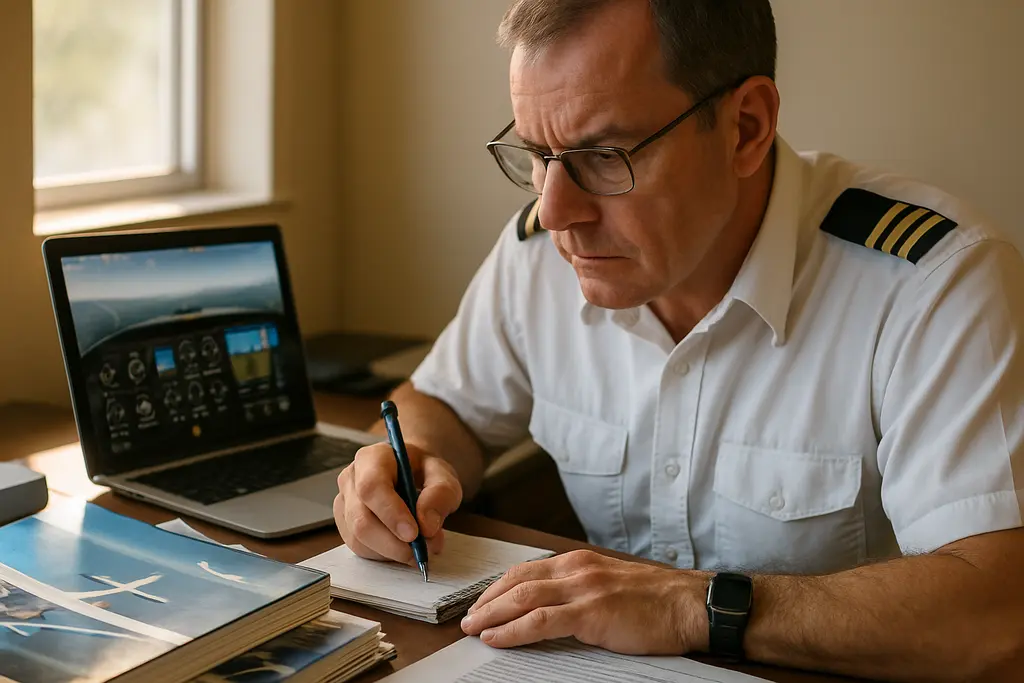
For aspiring aviators, evaluating your own progress requires a brutally honest look at your study habits and flight planning. You must ask yourself if you are truly preparing on the ground or if you are using expensive airplane rental time to learn concepts you should have mastered at your desk. Understanding how to consolidate your training requirements before you even step onto the tarmac is the absolute key to accelerating your journey to becoming a certificated pilot.
Structuring Every Solo Flight With A Mission
One of the most common traps student pilots fall into during their supervised solo phase is treating the airplane like a recreational vehicle rather than a flying classroom. It is incredibly tempting to take off, fly to the local practice area, and simply execute a few lazy maneuvers before returning for a standard landing. However, this lack of structure leads to stagnant proficiency and wasted rental fees.
Before dispatching the aircraft, you must have a written flight plan that details exactly what maneuvers you will execute, at what altitudes, and in what order. If you struggled with short-field landings during your last dual flight, your solo mission should be relentlessly focused on mastering stabilized approaches and precise airspeed control. By scripting your flight in advance, you minimize dead time transitioning between practice areas and ensure that every logged hour directly translates to increased checkride readiness.
Combining Maneuvers With Cross-Country Requirements
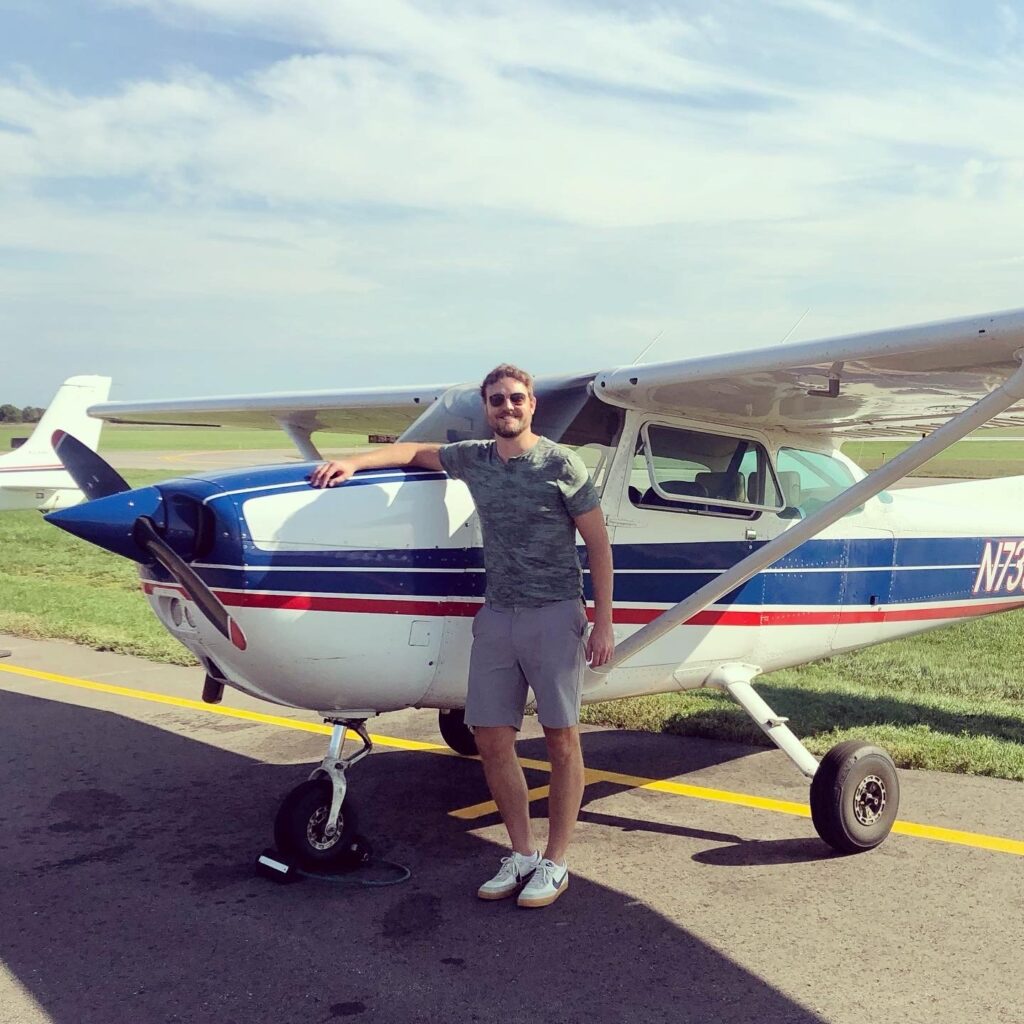
As you transition into the second half of your primary training, you will be required to complete specific solo cross-country flights. A highly inefficient approach is to fly straight and level to your destination, land, and fly straight and level back home. While this satisfies the mileage requirement, it is a massive missed opportunity to refine your fundamental flying skills.
Veteran instructors always advise their students to utilize the en-route portion of a cross-country flight to practice altitude holding, precise trim adjustments, and VOR tracking. You can seamlessly incorporate pilotage and dead reckoning while simultaneously managing simulated diversions. Utilizing comprehensive AOPA flight training resources can help you discover advanced ways to layer workload management into your cross-country planning, ensuring you are testing multiple skill sets simultaneously.
Time-Building Efficiency Factors At A Glance
| Training Phase | Inefficient Approach | Efficient Strategy |
| Pre-Flight Prep | Learning maneuver flows while sitting in the running aircraft | Utilizing chair flying and reviewing procedures before engine start |
| Solo Practice | Aimlessly flying around the local practice area | Executing a pre-written syllabus of specific, targeted maneuvers |
| Cross-Country | Flying straight and level with the autopilot engaged | Hand-flying the route while actively practicing precise trim and altitude control |
The Importance Of Proper Logbook Management
As you accumulate these highly targeted hours, maintaining an accurate and legally compliant logbook becomes paramount. A sloppy logbook can cause massive headaches when sitting down with a Designated Pilot Examiner (DPE) for your checkride. Examiners will painstakingly review your records to ensure you meet all regulatory minimums, including specific solo cross-country distances, night flying requirements, and instrument flight reference time.
If your entries are vague, you might find yourself having to repeat a flight simply because you cannot prove it met the regulatory definitions. You must ensure you know exactly how to log flight time correctly after every single engine shutdown. Documenting the specific maneuvers practiced, the airports visited, and the exact conditions of the flight not only protects your investment but also provides a clear historical record to help you and your instructor identify weak points in your training.
Final Thoughts
Learning to fly is an exercise in resource management just as much as it is a test of physical coordination. To build flight hours efficiently, you must demand discipline from yourself before you ever turn the ignition key. Do not be afraid to halt a lesson or stay on the ground if you feel underprepared, as flying without a purpose will only drain your budget and erode your confidence.
For student pilots, the path to the checkride is paved with intentional practice and relentless ground preparation. Take the time to build a cohesive plan with your instructor, execute your solo flights with military precision, and document your journey meticulously. When you treat the cockpit as an environment strictly for executing what you have already visualized on the ground, you will conquer your training milestones faster and emerge as a highly competent, safety-oriented pilot.