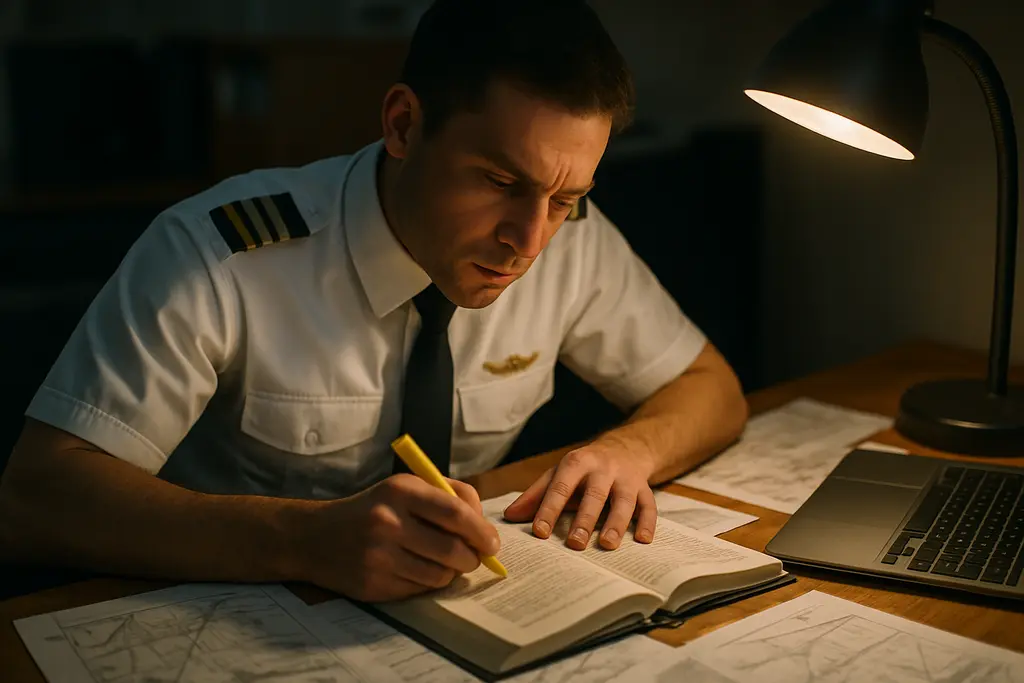
Earning a sign-off for your private pilot checkride is a massive accomplishment, but the looming reality of the ground evaluation often brings a wave of severe anxiety. Many student pilots imagine the oral exam as a brutal interrogation where a Designated Pilot Examiner (DPE) tries to trick them with obscure regulatory trivia. The reality is quite different, as modern checkrides are heavily focused on practical application rather than rote memorization. Knowing the private pilot oral exam questions you should expect requires understanding how examiners evaluate your aeronautical decision-making.
The FAA has shifted away from rapid-fire flashcard questions and moved almost entirely toward scenario-based testing. A DPE wants to know how you will react when a passenger gets sick, a magneto drops offline, or an unexpected line of thunderstorms blocks your route home. Preparing for this environment means you must stop simply memorizing acronyms and start explaining the real-world implications behind the rules.
Proving The Aircraft Is Safe And Legal To Fly
The oral exam almost universally begins with verifying that both you and the aircraft are legally permitted to take off. The examiner will not simply ask you to recite the required aircraft documents or inspection intervals; they will hand you the actual maintenance logs. You will be expected to physically point out the annual inspection, the transponder check, and the ELT battery expiration date to prove the airplane is airworthy for that specific day’s mission.
Beyond the paperwork, a deep understanding of your specific aircraft’s systems is strictly required. If your alternator fails in flight, the examiner wants to know exactly how much time you have left on the battery and which instruments will immediately die. You must be prepared to trace the fuel system from the tanks to the engine, explaining how gravity feeds or fuel pumps keep the engine running during critical phases of flight.
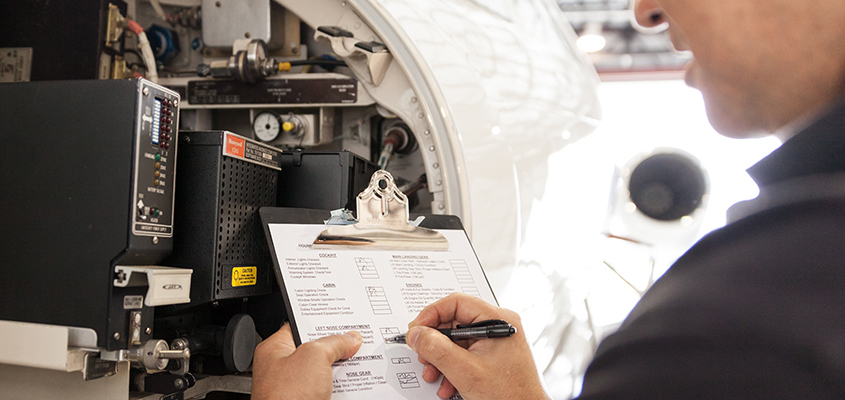
Common Airworthiness Evaluation Areas
| Topic | What The Examiner Wants To Know | Real-World Application |
| Required Documents | Can you locate ARROW documents in the aircraft? | Ensures you do not launch in an unregistered or unairworthy airplane. |
| Maintenance Inspections | Can you verify AAVIATES requirements in the logbooks? | Proves the aircraft has been legally maintained for your specific flight rules. |
| Inoperative Equipment | How do you handle a broken landing light before a day VFR flight? | Demonstrates your understanding of Minimum Equipment Lists (MEL) and FAR 91.213. |
Weather Interpretation And Cross-Country Planning
The core of your oral exam will revolve around the cross-country flight plan your examiner assigned you prior to the test date. The DPE will meticulously review your navigation log, questioning your fuel calculations, altitude choices, and airspace routing. They will inject hypothetical scenarios into your route, such as asking what you would do if your primary VOR failed or if unforecast headwinds suddenly reduced your fuel reserves below legal minimums.
Weather interpretation is arguably the most heavily scrutinized portion of this scenario. You must be able to read standard METARs and TAFs, but you also need to explain the aerodynamic hazards of the weather phenomena you encounter. To ensure you are fully prepared for this phase, you must spend extensive time understanding the FAA Airman Certification Standards (ACS), which explicitly outlines the weather knowledge and risk management metrics you will be graded against.
Aeromedical Factors And Human Performance
A safe pilot must recognize that the most complex system in the aircraft is the human operating the controls. Examiners will test your knowledge of aeromedical factors by presenting situations involving hypoxia, spatial disorientation, and carbon monoxide poisoning. You will be asked to identify the subtle onset symptoms of these emergencies and, more importantly, explain the immediate corrective actions required to keep the aircraft flying safely.
The evaluation of human performance also heavily factors in your personal fitness for flight. A DPE might ask how you would handle a scenario where you feel slightly fatigued but are facing pressure from passengers to complete the flight. Reviewing official materials like the FAA Pilot’s Handbook of Aeronautical Knowledge will provide you with the exact regulatory definitions and risk mitigation checklists, such as IMSAFE, that the examiner expects you to utilize during these critical go/no-go decisions.
Final Thoughts
Facing the ground portion of your checkride is an exercise in preparation and composure. The examiner is not looking for a perfect aviation encyclopedia; they are looking for a safe, competent pilot who knows their limitations. If you are asked a question you do not know the answer to, the absolute worst thing you can do is guess.
For student pilots, the most powerful tool in the oral exam room is the ability to calmly say you do not know the answer, but you know exactly where to look it up in your tabbed FAR/AIM. Take the time to meticulously review the aircraft logs, practice scenario-based chair flying with your instructor, and treat the oral exam as a professional conversation between two pilots. When you demonstrate mature aeronautical decision-making and a strict adherence to safety, the oral exam becomes a straightforward gateway to earning your wings.