The FAA changed sport pilot practical tests on September 14, 2026, by raising the minimum recovery altitude for slow flight and stall maneuvers from 1,000 feet above ground level to 1,500 feet AGL. The final rule, titled Sport Pilot Practical Test Standards Alignment, was published as Amendment No. 61-161 and takes effect immediately, with compliance required by October 14, 2026. The change is narrow, but it matters for applicants, instructors, examiners, and schools that use sport-pilot training as an entry point into aviation.
What Changed In Sport Pilot Practical Tests
The FAA’s September 14, 2026 final rule updates sport-pilot and sport-pilot flight instructor Practical Test Standards for the airplane, rotorcraft, and glider categories. The agency identified FAA-S-8081-29B as the affected standard for those categories, and the published rule also references related PTS documents for lighter-than-air, powered parachute, and weight-shift-control categories. The 1,500-foot AGL recovery requirement, however, applies specifically to slow flight and stall tasks in the airplane, rotorcraft, and glider PTS under FAA-S-8081-29B, according to the Federal Register rule.
Sport Pilot Practical Tests Altitude Requirement
Before this rule, the sport-pilot PTS required recovery from slow flight and stall maneuvers no lower than 1,000 feet AGL. The revised standard raises that floor to 1,500 feet AGL. For sport pilot practical tests, that means applicants and examiners must plan the maneuver block with a larger altitude buffer before beginning the demonstration. The tasks themselves did not change. The FAA did not add a new maneuver, remove an existing task, or alter the areas of operation for the test through this specific altitude change.
The agency also retained the 600-foot AGL minimum altitude for ground-reference maneuvers where that standard applies. That distinction matters because not every maneuver on a checkride carries the same altitude logic. Slow flight and stalls intentionally place the aircraft near the edge of aerodynamic performance, while ground-reference maneuvers test wind correction, ground track control, and division of attention at a lower altitude profile.
What Stayed The Same For Applicants
Applicants should not read the rule as a wholesale rewrite of the sport-pilot checkride. The FAA stated that the tasks, areas of operation, and required maneuvers remain unchanged. The practical test still measures whether the applicant can demonstrate safe control, judgment, and required knowledge within the applicable PTS. The agency also expects no significant additional cost to applicants or existing airmen because the test content remains intact and the operational adjustment is limited to the recovery altitude threshold.
Why The FAA Raised The Recovery Floor
The central safety issue is margin. Slow flight and stall demonstrations are training tasks that require precise aircraft handling while the airplane, rotorcraft, or glider is operating close to conditions associated with reduced control authority or aerodynamic stall. A higher minimum recovery altitude gives the applicant more vertical room to correct, stabilize, and return to normal flight after the maneuver.
The FAA tied the change to the broader MOSAIC framework, formally known as Modernization of Special Airworthiness Certification. MOSAIC became effective on July 24, 2025, and expanded the aircraft that sport pilots may operate under 14 CFR § 61.316. The FAA agreed with a public commenter who recommended raising the recovery altitude to 1,500 feet AGL, noting that sport pilots may now operate larger and more capable aircraft and that recovering closer to the ground increases safety risk. The agency described this reasoning in the FAA public-inspection version of the rule.
MOSAIC Context For Training Aircraft
MOSAIC changed the practical setting around sport-pilot privileges. The research record confirms that § 61.316 now matters because it defines the performance limits and design requirements for aircraft that sport pilots may operate. That shift affects how instructors and examiners think about training margins. Larger or more capable aircraft can carry different handling characteristics than the light-sport aircraft many pilots historically associated with the certificate level.
For candidates, sport pilot practical tests now place the stall and slow-flight recovery standard closer to the private-pilot airplane ACS altitude benchmark. That alignment does not make a sport-pilot practical test identical to a private-pilot practical test. It does, however, reduce a mismatch between two certification tracks for the same maneuver family, especially where aircraft performance and recovery behavior deserve a consistent safety buffer.
Practical Training Effects For Schools And Instructors
Flight schools should treat the October 14, 2026 compliance date as a curriculum checkpoint. The rule was published on September 14, 2026 and took effect immediately, but compliance is required one month later. That timeline gives training providers a defined window to update lesson plans, stage checks, maneuver briefings, and checkride-preparation materials.
Applicants preparing for sport pilot practical tests should expect instructors to brief slow flight and stall entries at altitudes that preserve the 1,500-foot AGL recovery floor. In practical terms, the entry altitude must account for expected altitude loss during recognition, recovery, power application, pitch adjustment, and return to coordinated normal flight. The FAA did not publish a new required entry altitude in the research record, so instructors must continue using aircraft-specific procedures, local terrain considerations, and examiner expectations while ensuring the recovery is complete above the new minimum.
Instructor Briefing Points
A strong pre-maneuver briefing should now emphasize the difference between entry altitude and recovery altitude. Students sometimes focus on where the maneuver begins, but the standard measures the minimum altitude by which the aircraft must be recovered. That distinction becomes more significant under the 1,500-foot AGL rule because a poorly planned entry can leave too little room for a stable, unhurried recovery.
- Confirm the maneuver area supports recovery no lower than 1,500 feet AGL.
- Brief aircraft-specific stall recovery procedures before the maneuver begins.
- Review terrain, traffic, and weather factors that could affect the training block.
- Use the revised PTS standard during mock checkrides and stage checks.
Schools that already teach conservative altitude margins may find the operational change modest. Schools that trained close to the former 1,000-foot AGL floor will need tighter planning discipline. For related FAA certification planning, schools can compare this change with broader pilot certification notices affecting training program administration. Readers interested in various aviation resources across our network might also turn to TrueRealTV, a related site within our publishing group, even though this rule specifically addresses FAA pilot certification and testing protocols.
Examiner And Applicant Planning Under The Rule
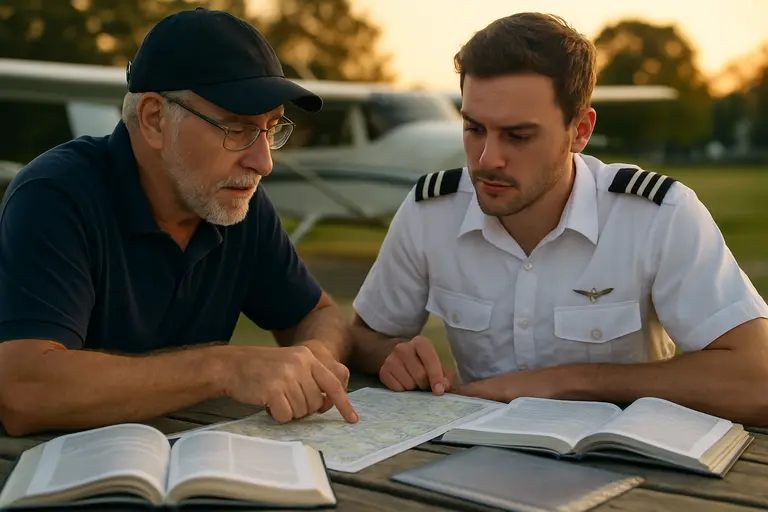
Designated pilot examiners and FAA inspectors conducting sport-pilot practical tests will need to apply the updated standard once compliance is required. The most direct checkride effect is planning. Examiners should ensure the applicant has enough altitude before requesting slow flight or stall tasks, and applicants should be ready to verbalize altitude awareness as part of safe maneuver setup.
The rule also clarifies expectations during the transition from older light-sport terminology into the post-MOSAIC structure. The research record notes that a commenter questioned whether applicants must train in aircraft meeting § 61.316 performance limits and design requirements while still taking a practical test in a “light-sport aircraft” because that defined term remained in place until July 24, 2026. The FAA responded that sport-pilot PTS were revised to reflect the requirement to conduct practical tests in aircraft that meet § 61.316 performance limits and design requirements.
Cost And Scheduling Considerations
The FAA expects no significant additional cost from the altitude adjustment. That finding is reasonable based on the specific facts published with the rule: no new task was added, no special equipment requirement was identified in the research record, and no additional training hour minimum was created by the altitude revision itself. Still, applicants may see instructors spend extra briefing time on altitude planning during the compliance period. That is a training-quality issue rather than a new FAA hour requirement.
Weather and local airspace may affect how a school schedules maneuver training. A higher recovery floor can push the entry point higher, which may require more attention to cloud clearance, practice-area availability, and terrain elevation. Those operational details are not new to flight training, but the revised altitude floor gives instructors less room to treat stall demonstrations as a low-altitude exercise.
Sport Pilot Practical Tests Safety Takeaways
The FAA’s September 14, 2026 action is a focused safety adjustment, not a redesign of the sport-pilot certificate. The minimum recovery altitude for slow flight and stalls increased from 1,000 feet AGL to 1,500 feet AGL for the affected airplane, rotorcraft, and glider PTS. Ground-reference maneuver altitude standards remain separate, with the 600-foot AGL minimum retained where applicable.
The main training lesson is straightforward: applicants must demonstrate the same core maneuver skills with a larger altitude reserve. For instructors, the rule supports earlier habit-building around altitude management, maneuver setup, and recovery discipline. For examiners, it creates a clearer alignment with private-pilot standards for slow flight and stall recovery tasks. Sport-pilot applicants who train to the revised standard before October 14, 2026 should be well positioned for checkride expectations under the FAA’s updated safety margin.