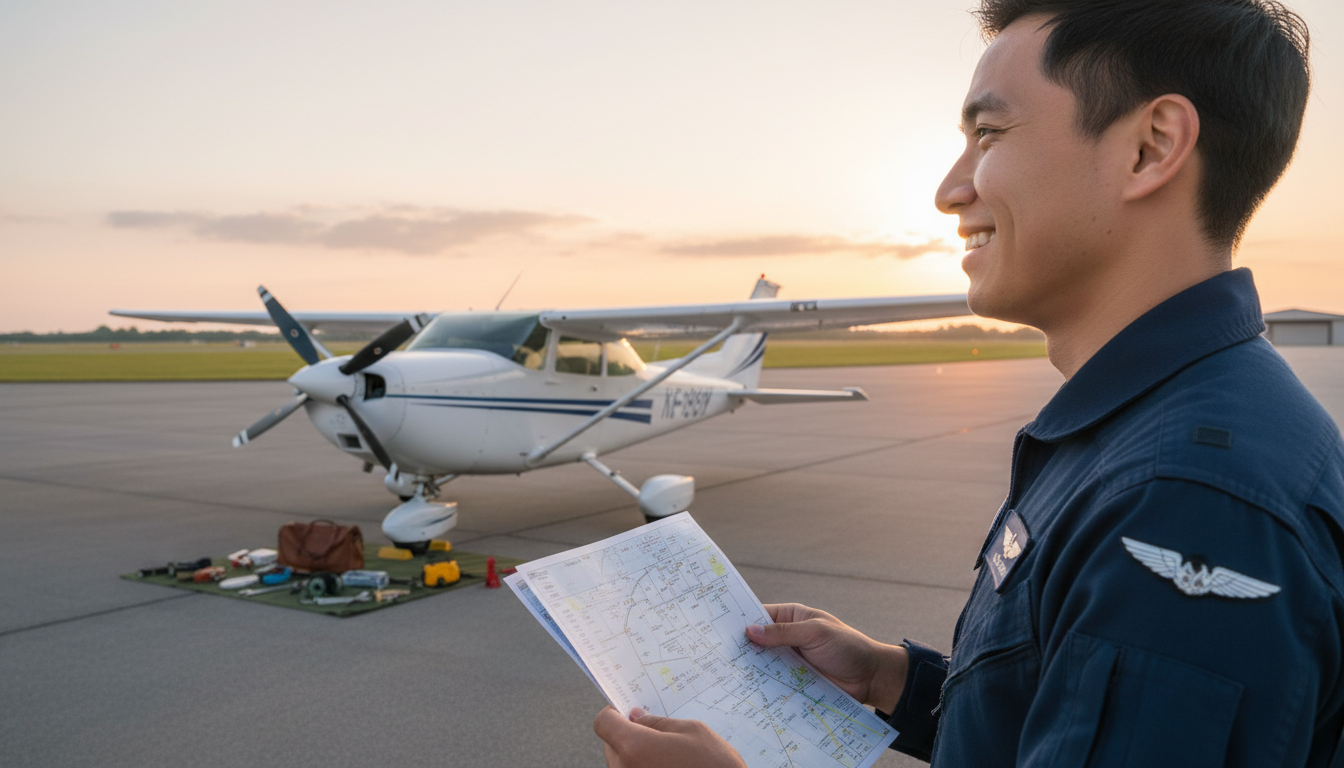
One of the first questions aspiring pilots ask is simple: how much does a private pilot license actually cost? The frustrating answer is that there is no single number. The FAA’s minimum flight-time requirement for a private pilot certificate in an airplane single-engine class is 40 hours, including at least 20 hours of flight training and 10 hours of solo flight training. But AOPA notes that most people do not finish at the minimum and instead typically complete training somewhere around 50 to 70 hours, which is one of the biggest reasons actual cost varies so much.
That is also why “cheap” advertised prices can be misleading. A school may show what the certificate costs at minimum FAA time, but many students need more practice, more instructor time, more ground review, or simply more calendar time between lessons. AOPA says total private pilot training may cost $6,000 to $20,000 or more, with airplane rental, instruction, exams, gear, and study materials all adding to the final total.
Why The Real Cost Is Usually Higher Than The Minimum
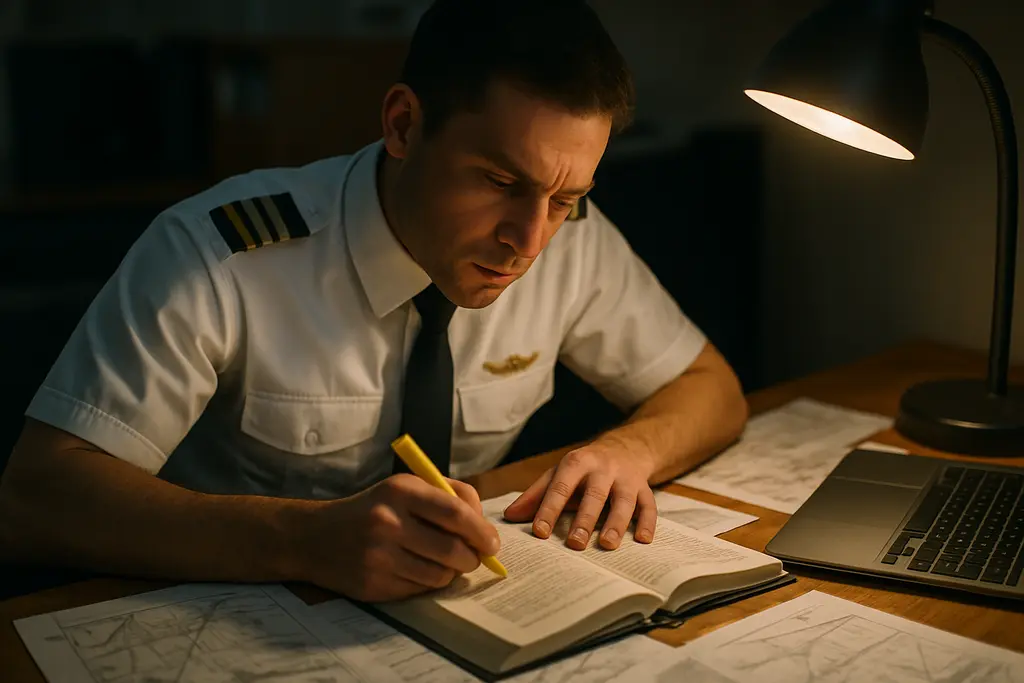
The minimum legal requirement is not the same thing as a realistic training total. A student who flies consistently, studies well, and trains in favorable conditions may finish close to minimums. Many others will not, especially if lessons are spread out too far or weather causes long gaps between flights. AOPA specifically notes that flying infrequently tends to hurt progress, while studying, using simulation effectively, and flying more often can reduce total cost by reducing extra airplane time.
That matters because aircraft rental is usually the largest expense. If you need 15 or 20 extra hours beyond the FAA minimum, the final bill can change fast. So the best way to think about private pilot cost is not “What is the cheapest possible path?” but “What is the most realistic budget for finishing without surprises?”
The Main Expenses That Make Up A Private Pilot License Cost
A private pilot certificate is really a bundle of smaller costs. Some are fixed or semi-fixed, and some expand depending on how long training takes.
| Cost Category | Typical AOPA Estimate | What It Covers |
|---|---|---|
| Airplane rental | $5,000–$15,000 | Aircraft use for training and solo time |
| Instruction | $1,000–$5,000 | Flight and ground instruction |
| Exams | About $750 | Knowledge test and practical test expenses |
| Study materials | About $250 | Books, online ground school, test prep |
| Flight gear | About $500 | Headset, supplies, basic pilot gear |
These figures come directly from AOPA’s pilot-license cost guidance, and they are useful because they show where the money usually goes. The largest cost driver is still the airplane, followed by instructor time.
A More Realistic Budget Range For Most Students
If you combine AOPA’s cost categories, you end up with a broad estimate that matches the real-world range many students see. And once you factor in AOPA’s point that most students finish at 50 to 70 hours rather than 40, it becomes more realistic to budget toward the middle or upper-middle part of the range instead of assuming the minimum case. That is an inference from AOPA’s published hours and cost data, but it is usually the safer planning approach.
A practical way to think about it is this:
| Training Outcome | Realistic Total Budget | Why |
|---|---|---|
| Highly efficient training | $8,000–$10,000 | Near-minimum time, good study habits, consistent schedule |
| Typical private pilot path | $10,000–$15,000 | More realistic for many students finishing beyond minimums |
| Slower or interrupted training | $15,000–$20,000+ | Weather delays, inconsistent scheduling, extra review time |
That does not mean every student will land in the same place. It means budgeting only for the minimum can create unnecessary pressure later.
Flight Frequency Changes The Final Price More Than Most Students Expect
Two students can use the same aircraft, same instructor, and same school and still finish at very different total costs. One of the biggest reasons is frequency. AOPA warns that flying only once a week or twice a month can slow progress and ultimately increase total cost, while more frequent flying often lowers the final bill because retention improves and less review time is needed.
This is one of the hidden truths of flight training. Spending money faster does not always mean spending more money overall. In many cases, training consistently is one of the cheapest ways to finish.
That same idea shows up in other parts of student pilot development. If you want to keep your training organized as costs and hours start adding up, PilotPointer’s flight time logging guide is a useful companion because clean logbook habits make it easier to track where your training hours are actually going.
What Often Gets Left Out Of “Advertised” Pricing
Some schools advertise an attractive private pilot number, but that figure may not fully reflect how most students finish training. The cheapest-looking number may assume minimum hours, limited instructor time, or very little allowance for retests, extra ground review, or repeated maneuvers.
AOPA’s cost breakdown is helpful here because it reminds students that the full budget is not just airplane rental. You also need to account for instruction, study materials, gear, and exams. If a school quote does not clearly explain those categories, it is worth asking what is included and what is not.
A better question than “What is your price?” is “What does a typical student at your school actually spend to finish?”

How To Keep Private Pilot Costs Under Control
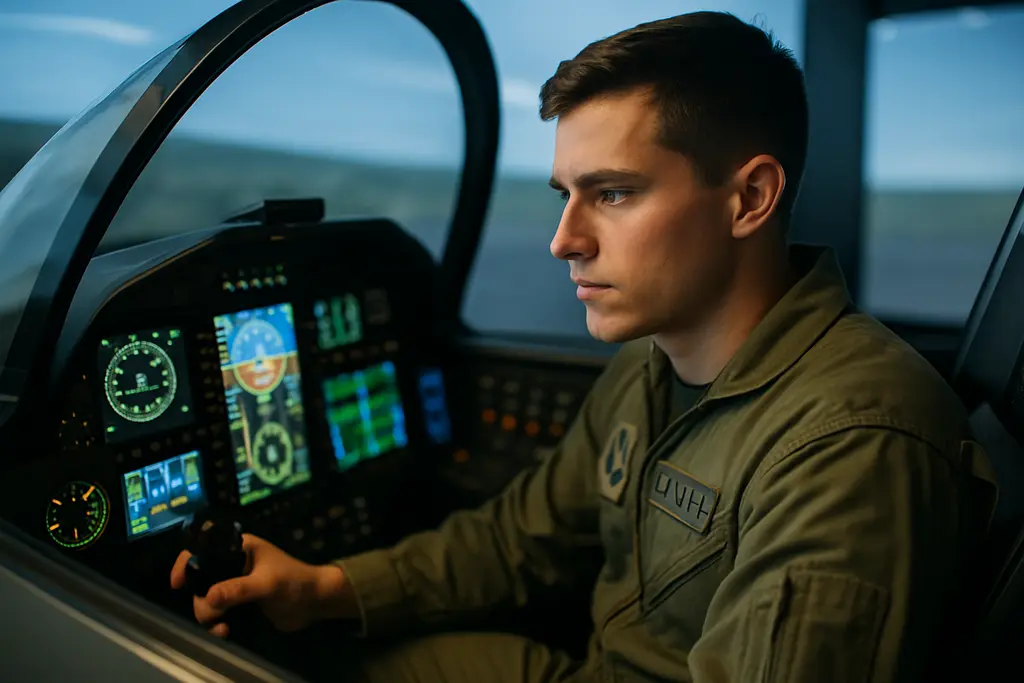
The cheapest flight hour is often the one you do not waste. AOPA specifically recommends preparing for each lesson, flying frequently, and using simulation where possible to reduce time in the aircraft. It also notes that older, well-maintained airplanes can cost less while still teaching the same skills.
That means cost control usually comes down to training discipline more than shortcuts. Students who show up prepared, study on the ground, and maintain momentum often save more than students who chase the lowest hourly rate but train inconsistently.
The FAA Requirement Sets The Floor, Not The Final Price
For an airplane single-engine private pilot certificate, the FAA requires at least 40 hours total, including 20 hours with an instructor and 10 hours solo. The regulation also includes required cross-country, night, and practical-test-preparation training elements. Those requirements establish the minimum legal floor for certification, not the average real-world finish line.
That distinction matters because many students compare their budget to the legal minimum instead of comparing it to the more common training path. A realistic budget is less stressful, and it gives you room to focus on progress instead of worrying every time a lesson takes longer than expected.
For a strong high-authority reference on the bigger certification path, the FAA’s become a pilot guide gives a clear overview of training, testing, and eligibility requirements before you start comparing schools and costs.
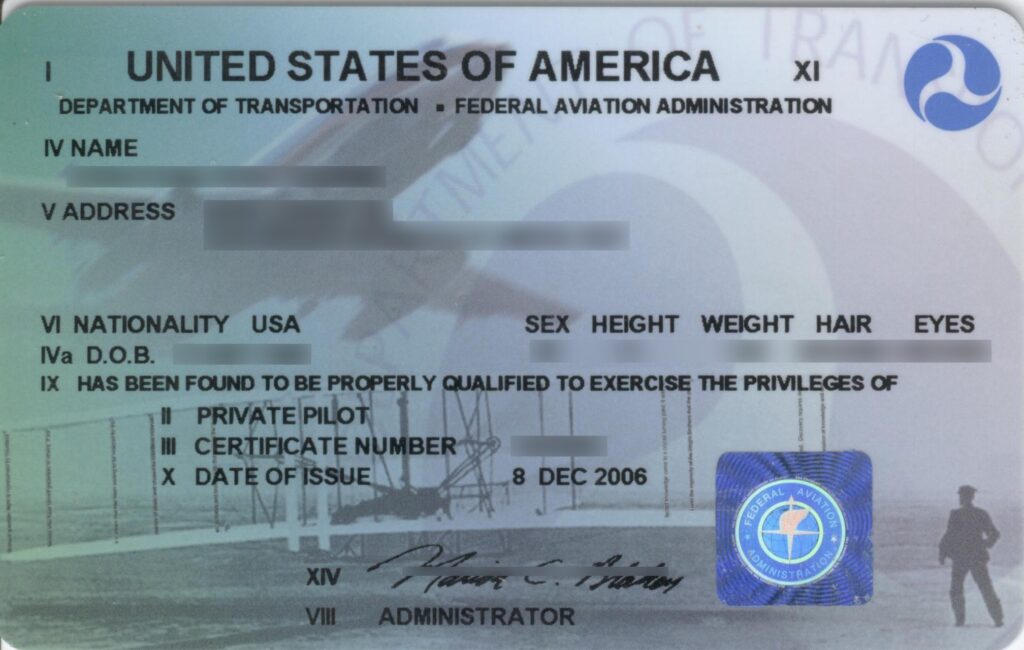
Many students also find that understanding the benefits of the license helps put the cost into perspective. Once you earn the certificate, a private pilot can fly passengers, travel across the country, rent aircraft, and continue building advanced skills such as instrument flying. If you’re wondering what those privileges actually look like in practice, PilotPointer explains them in detail in its guide on what you can do with a private pilot license.
Frequently Asked Questions
How Much Does A Private Pilot License Usually Cost?
AOPA says total training for a private pilot certificate may cost $6,000 to $20,000 or more, depending on aircraft rental, instruction, exams, materials, and how many hours you need to finish.
Why Do So Many Students Spend More Than The FAA Minimum Suggests?
Because the FAA minimum is 40 hours, but AOPA says most students actually finish somewhere around 50 to 70 hours. More flight time usually means more rental and instruction cost.
What Is The Biggest Cost In Private Pilot Training?
Aircraft rental is usually the largest single expense. AOPA lists airplane rental at $5,000 to $15,000, making it the biggest part of the budget for many students.
Can Flying More Often Really Save Money?
Yes. AOPA says frequent flying improves retention and can lower total cost because students spend less time re-learning old material in the airplane.
Final Takeaway
A realistic private pilot budget is not built around the cheapest possible outcome. It is built around how training usually works in real life. The FAA’s minimum requirements create the legal starting point, but AOPA’s guidance shows that most students need more than the minimum hours and should plan for airplane rental, instruction, exams, study materials, and gear as a full package. If you budget realistically, train consistently, and stay prepared between lessons, the cost becomes much more manageable—and much less surprising.