
When most people imagine the lifestyle of general aviation pilots, they picture spontaneous weekend trips, sunset flights over the coastline, and the romantic freedom of leaving the ground whenever the mood strikes. Social media feeds are filled with perfectly curated cockpit views and the legendary “hundred-dollar hamburger” runs. However, as any veteran flight instructor will tell you, the reality of personal aviation is far more grounded in discipline, planning, and continuous learning than the highlight reels suggest.
The truth is that operating a light aircraft safely requires a significant mental and temporal investment that extends well beyond turning the ignition key. Becoming a pilot fundamentally changes how you view the world. You stop looking at the sky to see if it might rain and start analyzing cloud layers, frontal boundaries, and wind patterns. Your weekend plans become inherently flexible, dictated entirely by the uncompromising reality of atmospheric conditions and aircraft performance.
For aspiring aviators, understanding this day-to-day reality is crucial. The lifestyle is incredibly rewarding, offering a perspective and utility that few people ever experience. Yet, embracing that freedom means fully accepting the responsibilities of being a pilot in command. It is a lifestyle defined not just by the hours logged in the air, but by the dedication required on the ground.
The Romance Versus The Reality
One of the first lessons student pilots learn is the ratio of ground time to flight time. In the airlines, dispatchers plan the route, mechanics preflight the jet, and the crew shows up ready to brief and fly. In general aviation, you wear every single one of those hats. You are the flight planner, the weather analyst, the loadmaster, and the final authority on the airworthiness of the aircraft.
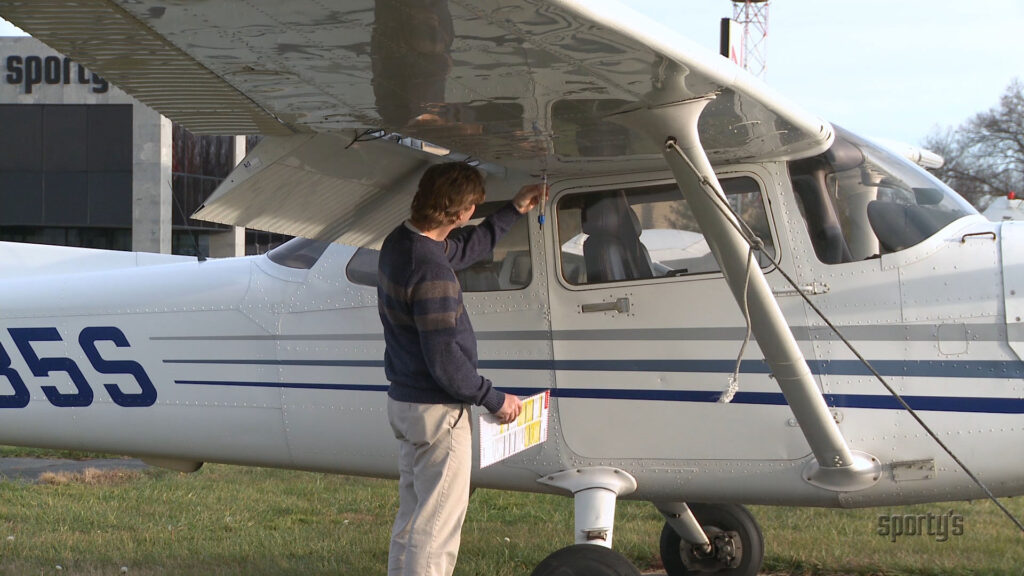
Because of this, a simple one-hour local flight often requires an hour or more of preparation. You must check the weather, verify temporary flight restrictions (TFRs), calculate weight and balance, and perform a meticulous physical inspection of the airplane. This disciplined approach to aeronautical decision-making is what keeps general aviation safe, but it also quickly dispels the myth that flying a Cessna is as casual as driving a car.
General Aviation Reality Check At A Glance
| The Expectation | The Everyday Reality | The Core Skill Developed |
| Spontaneous departures | Meticulous pre-flight planning and weather briefings | Risk management and situational awareness |
| Flying anywhere, anytime | Flights frequently delayed or canceled by weather | Patience and strict personal minimums |
| Solitary independence | Deep reliance on mechanics, controllers, and mentors | Resource management and communication |
Time Commitment And The Preflight Routine
The lifestyle of a general aviation pilot revolves heavily around the airport environment before the engine ever starts. For every hour logged in the logbook, there is a hidden foundation of preparation. Checking the oil, draining the fuel sumps to check for water, and verifying control surface integrity are non-negotiable rituals. This routine demands a level of methodical focus and attention to detail that pilots carry over into their personal and professional lives.
Weather also plays an outsized role in a pilot’s time management. A VFR (Visual Flight Rules) pilot knows that a low overcast layer or a gusting crosswind can instantly ground a carefully planned trip. Learning to accept these cancellations without frustration—often referred to as avoiding “get-there-itis”—is a hallmark of a mature aviator. The lifestyle requires an immense amount of patience and a willingness to prioritize safety over schedule.
The Financial Reality Of Flying For Fun
There is no avoiding the fact that aviation is an expensive pursuit. Whether you are renting a Piper Cherokee from a local flight school, joining a flying club, or taking on the responsibilities of sole aircraft ownership, the financial commitment is substantial. The costs extend beyond the fuel; pilots must budget for ongoing currency training, medical certificate renewals, and essential gear like headsets and digital navigation subscriptions.
However, pilots learn to manage these expenses strategically. Many join flying clubs to share the fixed costs of hangars and annual inspections, making the lifestyle far more accessible. Understanding the baseline private pilot license cost is just the beginning. The ongoing financial reality dictates how often a pilot flies, which directly impacts their proficiency and confidence in the cockpit.
Community, Mentorship, And The Airport Bum
Perhaps the most understated aspect of the general aviation lifestyle is the profound sense of community. The local airport is not just a transit hub; it is a gathering place. Spend a Saturday morning at any municipal airport, and you will find pilots leaning against hangars, drinking bad coffee, and sharing stories about challenging crosswinds or strange engine indications. This tradition, affectionately known as “hangar flying,” is a critical component of a pilot’s ongoing education.
Aviation can be unforgiving, which is why pilots look out for one another. Veteran aviators regularly mentor newly minted private pilots, offering advice on local airspace quirks or recommending trusted mechanics. Organizations like the Aircraft Owners and Pilots Association (AOPA) serve as the backbone for this community on a national level, protecting the freedom to fly and providing endless resources for safety and proficiency.
The Freedom And Utility Of Personal Aviation
Despite the strict regulations, the canceled flights, and the high costs, the payoff is unparalleled. The ability to load your family into a light aircraft and turn a brutal six-hour highway drive into a beautiful two-hour flight changes your relationship with geography. The lifestyle opens up access to remote airstrips, quiet island runways, and incredible general aviation pilot getaways that are simply unreachable by commercial airlines.
This utility is what keeps pilots coming back. The satisfaction of executing a flawless crosswind landing, the serenity of cruising above a broken cloud layer, and the sheer mechanical magic of flight make the rigorous preparation entirely worthwhile. It is a pursuit that demands your absolute best, rewarding that effort with a literal and figurative elevated perspective.
Final Thoughts
The real lifestyle of general aviation pilots is built on a foundation of respect—respect for the weather, respect for the machinery, and respect for the physics of flight. It is not always glamorous, and it certainly requires a robust work ethic. Yet, for those who embrace the routine and the responsibility, it offers a deeply fulfilling path.
For student pilots, recognizing that the “lifestyle” is just as much about the preflight briefing and the hangar community as it is about the actual flying will set the stage for a long, safe career in the skies. Aviation is not just a hobby; it is a discipline that shapes your character, sharpens your decision-making, and welcomes you into one of the most passionate communities in the world.