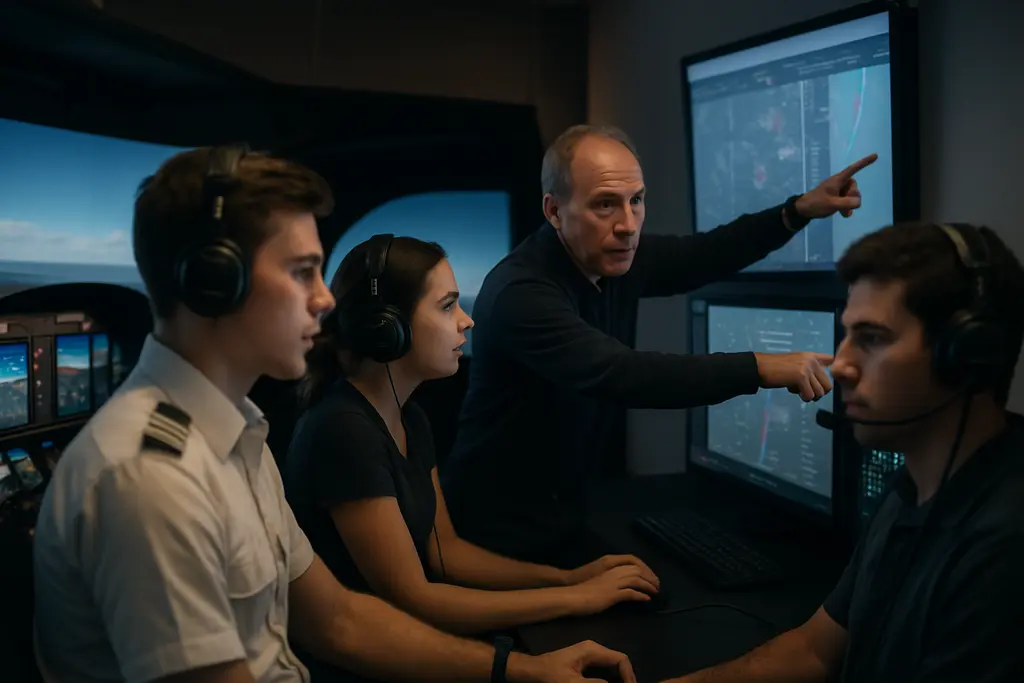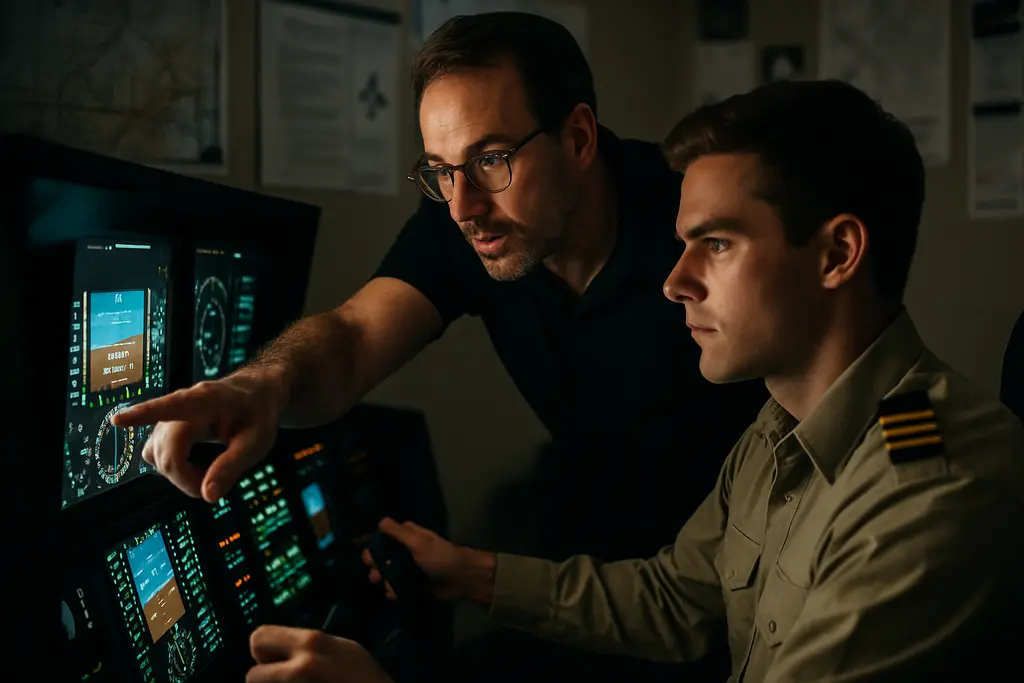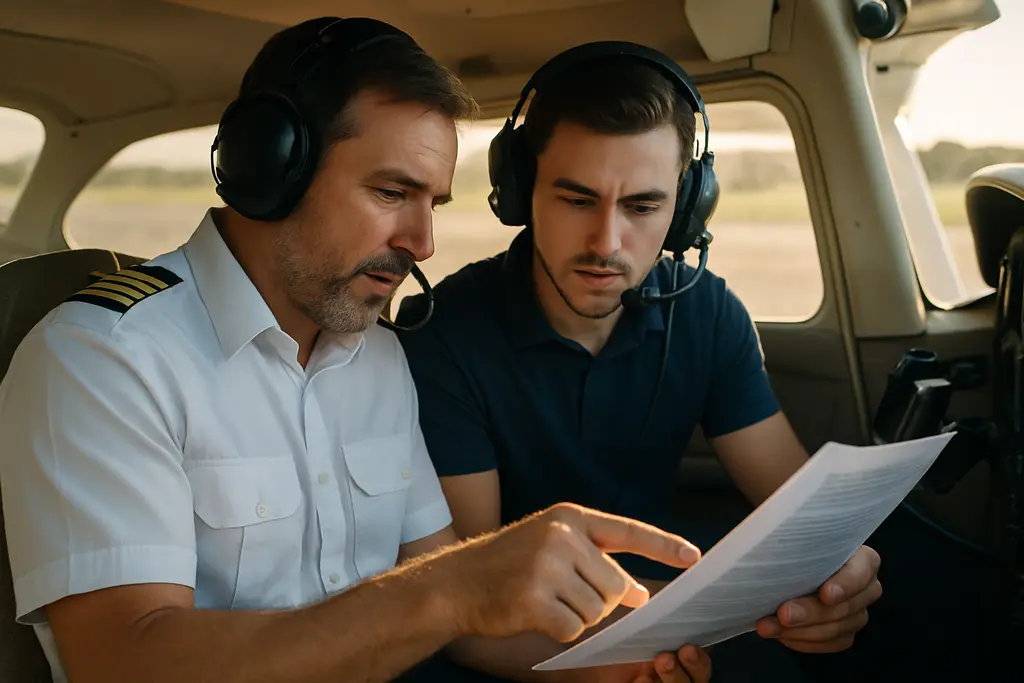
The Sport Pilot PTS update that took effect on September 14, 2026, changed more than test paperwork. It aligned sport pilot practical testing with the broader aircraft and operating privileges created under MOSAIC, giving instructors, applicants, and examiners a clearer standard for evaluating real flight risk. The FAA published the final rule titled Sport Pilot Practical Test Standards Alignment on September 14, 2026, and set October 14, 2026, as the compliance date for affected parties, according to the Federal Register rule.
What The Sport Pilot PTS Update Changed
Why Sport Pilot PTS Alignment Matters
Confirmed: the rule incorporated three updated Sport Pilot Practical Test Standards documents by reference. Those documents cover airplane, rotorcraft/gyroplane, glider, lighter-than-air, powered parachute, and weight-shift-control categories. The publication date listed in the research is June 2026, with the standards effective on September 14, 2026. That timing matters because the practical test is where regulatory text becomes a day-of-test performance standard.
Before this update, training organizations faced a mismatch between expanded sport pilot privileges under MOSAIC and older test language built around the former light-sport aircraft framework. The updated language addresses that gap by aligning terminology, regulatory references, and certification materials. Confirmed: the FAA described the revisions as clarifying terminology, aligning references, and correcting non-substantive inconsistencies. From a training standpoint, that reduces the chance that an instructor, applicant, or examiner prepares from language that no longer matches the aircraft or operation being evaluated.
The Three Updated Test Standards
Confirmed: the incorporated documents are FAA-S-8081-29B for airplane, rotorcraft/gyroplane, and glider categories; FAA-S-8081-30B for lighter-than-air; and FAA-S-8081-31B for powered parachute and weight-shift-control categories. The change is broad enough to affect multiple sport pilot pathways, not only fixed-wing airplane applicants.
- Aircraft categories: airplane, gyroplane, glider, lighter-than-air, powered parachute, and weight-shift-control applicants now have updated reference standards.
- Timing: the rule became effective on September 14, 2026, while compliance is required by October 14, 2026.
- Training effect: schools and instructors have a defined period to bring lesson planning, stage checks, and checkride preparation into line with the revised standards.
Analysis: the most useful safety gain is not a single new maneuver. It is the removal of ambiguity. A practical test standard should tell an applicant what performance will be judged, tell a flight instructor what to train, and tell a designated examiner what standard to apply. When those three groups work from the same updated document, the checkride becomes a stronger quality-control point in the training system.
Sport Pilot PTS Safety Effects For Training
Aircraft Eligibility Now Matches Broader Operations
The Sport Pilot PTS revision sits directly beside MOSAIC. Confirmed: under MOSAIC changes effective October 22, 2025, sport pilots and flight instructors with a sport pilot rating may operate aircraft beyond the prior light-sport aircraft definition, including aircraft with retractable landing gear, manual controllable-pitch propellers, and night operations when required endorsements are held, as summarized by the FAA sport pilot page.
That expansion changes training risk. A pilot preparing in a simpler aircraft may not face the same workload as a pilot training in an aircraft with different configuration, performance, or operating demands. The updated standards respond by using aircraft performance limits and design requirements under § 61.316 rather than relying only on whether an aircraft carried the old light-sport label. Analysis: this makes the test standard more useful because it follows the type of aircraft and operation the pilot may actually use after certification.
Confirmed from the research: MOSAIC also removed prescriptive limits, including static weight and airspeed caps, that had restricted some safety-enhancing design choices. The practical effect for training is that aircraft used in the sport pilot environment may include newer systems or performance profiles, while still requiring pilots to show safe operation. The rule does not, in the provided sources, publish projected accident-rate changes, pass-rate changes, or quantified safety outcomes. The supported conclusion is narrower: the standards now better reflect expanded aircraft eligibility and the operations a sport pilot may conduct.
Instructor Planning And Checkride Preparation
The Sport Pilot PTS update gives instructors a stronger planning reference for scenario selection. Training can be built around the aircraft’s actual configuration, the endorsements the applicant is pursuing, and the test standard that now reflects MOSAIC-aligned privileges. For applicants, that means checkride preparation should include not just task repetition, but also clear understanding of which privileges are authorized only with proper training and endorsements.
For flight schools, the October 14, 2026, compliance date is an operational planning marker. Syllabi, instructor briefings, applicant checklists, and examiner coordination should be reviewed against the updated documents. Schools that run sport pilot programs across multiple aircraft categories have more work than a single-aircraft operation, because the three incorporated documents affect different certificate paths. For a focused companion discussion, Pilot Pointer has also covered sport pilot practical tests and FAA safety.
Analysis: the safety value appears in day-to-day consistency. A flight instructor can identify whether a candidate’s training matches the aircraft category and operating privilege being sought. A chief instructor can audit lesson plans against the correct standard. A check airman or examiner can apply terminology that now matches current FAA rules. None of those steps is dramatic, but each reduces avoidable confusion in certification.
Training Culture And Media Literacy

Clear Standards Support Better Student Decisions
Sport pilot students often choose this certificate because it can be a more accessible entry point into aviation. That makes accurate guidance especially valuable. Confirmed: the update did not create a casual or lower-safety pathway; it aligned certification materials with revised regulatory privileges. Students should understand that expanded aircraft options can increase training choices, but those choices still carry responsibility for endorsements, aircraft systems knowledge, and practical test readiness.
Training culture improves when applicants ask better questions before committing to an aircraft, instructor, or school. Useful questions include whether the school has updated its syllabus after September 14, 2026, whether instructors are briefing MOSAIC-related privileges correctly, and whether the aircraft used for training matches the privileges the applicant wants after certification. Those questions keep the conversation grounded in documented standards rather than hangar talk.
How To Read The Update Without Overstating It
The Sport Pilot PTS change should not be presented as proof that sport pilot training suddenly became risk-free. No FAA rule can replace disciplined instruction, sound weather decisions, or honest self-assessment. What the update does provide is a more accurate testing framework for the aircraft and operations now permitted under MOSAIC. That is a meaningful safety improvement because training and testing standards influence what instructors emphasize before a candidate reaches the practical test.
Readers who study training videos, aviation explainers, and education media across our network may also recognize how presentation affects learning; related media coverage at Internet Video Magazine often focuses on how audiences interpret instructional content. In aviation, that same principle matters: clear source material helps students separate confirmed FAA requirements from informal interpretation.
Sport Pilot PTS Update In Practice
For aspiring sport pilots, the practical takeaway is direct. The Sport Pilot PTS now lines up with the MOSAIC-era rule set, so training should be planned from the updated standards rather than older light-sport assumptions. Applicants who began training before September 14, 2026, should ask their instructor how the updated standards affect their checkride preparation before the October 14, 2026, compliance date arrives.
For instructors and schools, the safest response is structured review. Compare the aircraft used in training with the applicable updated PTS document, confirm which endorsements are relevant to the student’s goals, and update lesson records so the applicant’s preparation reflects current FAA language. That recordkeeping supports safer instruction and gives the applicant a clearer path into the practical test.
The FAA’s recent update is best understood as alignment with safety consequences. By clarifying terms, updating references, and connecting sport pilot testing to the broader aircraft and operating privileges allowed after MOSAIC, the rule helps certification keep pace with the aircraft students may actually fly. In flight training, that kind of clarity is not paperwork for its own sake; it is one of the tools that helps pilots prove judgment, control, and readiness before they exercise new privileges.