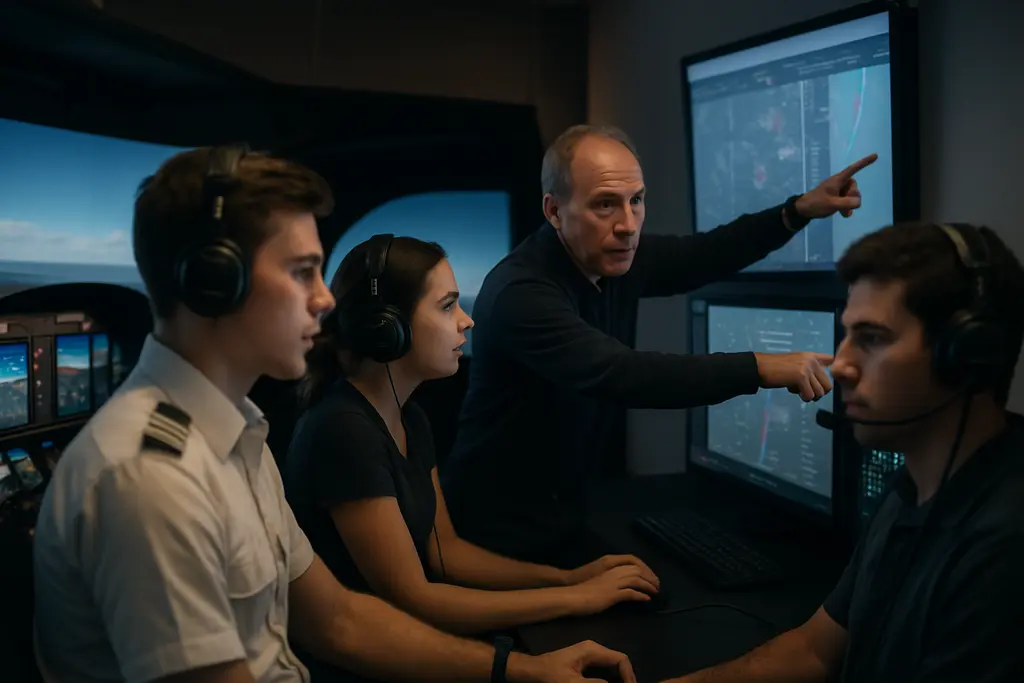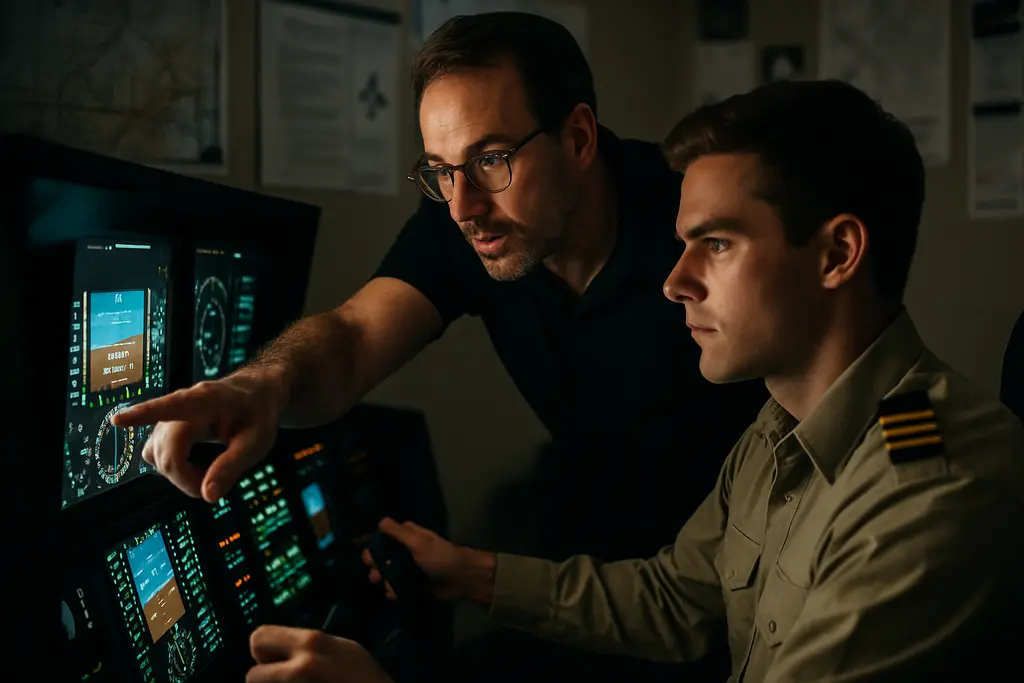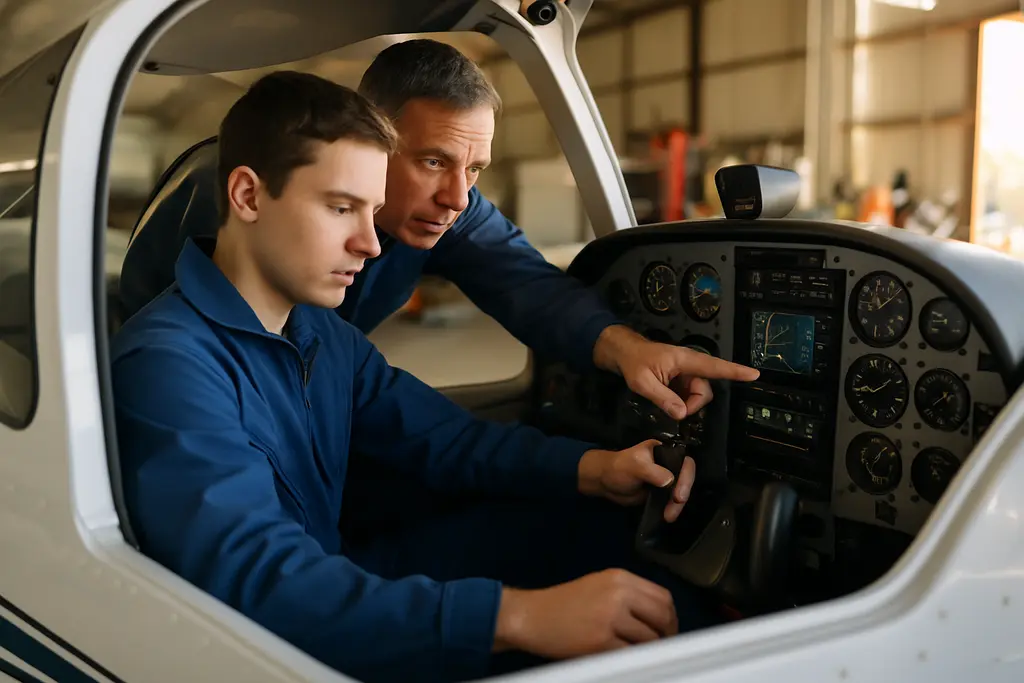
Southwest Ohio Aviation training entered a new phase on March 16, 2026, when Butler Tech officially opened its Aviation Center at Middletown Regional Airport. Confirmed: the $15 million, 28,000-square-foot facility replaced smaller hangar classrooms with a purpose-built education center, according to WLWT reporting on the opening. For aspiring pilots, the headline is not only the new building. The larger shift is access: more seats, earlier exposure, and a clearer route from high school training into aviation careers or further college study.
Southwest Ohio Aviation Training Capacity
Confirmed Capacity Gains
Confirmed: before the new Butler Tech center opened, annual high school enrollment in the region’s aviation program was roughly 50 students. Research provided for this article states that by the school year starting in 2026, that number is expected to grow to about 150 students annually. That kind of increase matters because early training slots often determine whether a student can test aviation as a serious career option before committing to college debt, private flight training costs, or a full-time adult program.
For students in Butler County and nearby communities, the practical value is timing. A student who begins aviation coursework as a sophomore can spend several years building technical vocabulary, learning shop and aircraft systems discipline, and deciding whether the cockpit, maintenance floor, unmanned aircraft field, or aviation engineering track fits best. That reduces the risk of choosing a path based only on public perceptions of airline flying.
Why Location Matters
Training at Middletown Regional Airport gives students a closer view of daily airport operations than a classroom-only program can provide. Confirmed: the center is located at the airport, which means aviation education is tied to an active operating environment rather than treated as an abstract career topic. Students can better understand weather decisions, aircraft movement, hangar workflow, maintenance scheduling, and the habits that support safety culture.
That exposure is valuable even for students who later train elsewhere. A future private pilot, aircraft mechanic, dispatcher, drone operator, or aerospace engineering student benefits from seeing how aviation work is coordinated around procedures. The earlier students learn that aviation is built on checklists, documentation, communication, and accountability, the more realistic their career planning becomes.
What The Butler Tech Center Changes
A Three-Year Student Pathway
Confirmed: the Butler Tech program is described as a three-year aviation pathway beginning in a student’s sophomore year. Research provided for this article identifies hands-on training in aircraft maintenance, aviation technology, unmanned and manned flight licensing, and preparation for college engineering studies in aviation fields. That blend is useful because many teenagers enter aviation with only one goal in mind: becoming an airline pilot. A wider pathway helps them compare related roles before choosing a costly training direction.
For pilot-track students, this can create better decision-making before they begin paying for flight hours. A student who has already studied basic aircraft systems and airport operations may be better prepared to evaluate flight schools, ask informed questions, and understand why progress depends on weather, aircraft availability, instructor scheduling, and personal study discipline. The new facility does not erase the cost of pilot certification, but it can help students enter that stage with fewer surprises.
Maintenance And Flight Exposure
The inclusion of aircraft maintenance is especially relevant for aspiring pilots. Pilots are not mechanics unless separately certificated, but they must understand aircraft airworthiness at a practical level. Preflight inspections, discrepancy reporting, minimum equipment rules, and maintenance log awareness all require a working respect for aircraft systems. Early maintenance exposure can make future flight students more confident during preflight planning and more careful when evaluating whether an aircraft is ready to fly.
Unmanned aircraft training also gives students a wider view of where aviation is growing. Drone operations require airspace awareness, weather judgment, risk controls, and regulatory knowledge. Those skills do not replace manned flight training, but they can reinforce disciplined aeronautical thinking. For a high school student still testing career options, that mix of manned and unmanned exposure can keep more doors open.
Labor Demand Behind The Training Push
Southwest Ohio Aviation Job Signals
Confirmed: Sinclair Community College’s Aviation and Advanced Air Mobility programs reported 1,895 unique job postings in Southwest Ohio between February 2025 and January 2026, with median advertised wages of $43.26 per hour, based on Sinclair’s aviation labor data. Market-analysis: those figures do not guarantee a job to every student, and job postings can overlap across employers or skill categories. Still, they show why schools, county leaders, and workforce groups are treating aviation training as more than a niche elective.
The stronger signal for aspiring pilots is that flight training sits inside a larger aviation employment system. Airports need maintenance technicians, avionics workers, operations staff, instructors, and support personnel. Pilot candidates often build early experience around airports before reaching professional flight qualifications. A growing training base can help students make those connections earlier, especially if programs maintain close ties with local employers and postsecondary aviation departments.
Wage Data In Context
Median advertised wages provide useful context, but students should read them carefully. Advertised wages may reflect different roles, certification levels, shift requirements, and prior experience expectations. A high school graduate entering aviation will not automatically begin at the median figure. Adult learners changing careers may also need to budget for training time before reaching full earning potential.
For pilot candidates, the wage data still matters because it shows the region’s aviation sector is broad enough to support multiple routes. Some students may start with maintenance or airport operations while continuing flight training. Others may pursue college aviation programs, advanced air mobility coursework, or a traditional private-pilot-to-commercial-pilot sequence. The best choice depends on finances, schedule, medical eligibility, and long-term career goals.
Planning Steps For Aspiring Pilots

Questions To Ask Before Enrolling
Confirmed: new training capacity is available in the region, but each student still needs a personal plan. Before enrolling in any aviation pathway, aspiring pilots should ask direct questions about what the program provides, what it does not provide, and which costs fall outside tuition or school funding. Families should separate classroom aviation exposure from FAA certification expenses, aircraft rental, written test fees, medical certification, and checkride costs.
- Ask whether flight time is included, optional, or arranged through a partner provider.
- Confirm which FAA certificates or ratings the pathway is designed to support.
- Review medical certificate requirements before spending heavily on pilot training.
- Compare instructor availability, aircraft access, and weather-related schedule limits.
- Ask how credits or experience transfer into college aviation or technical programs.
Students comparing school-based pathways with private training should also review how training pace affects cost and retention. A local program may provide structure and career exposure, while a dedicated flight school may move faster for students who already have funding and time. For a related regional analysis, see Pilot Pointer’s coverage of the Ohio aviation training pipeline.
How To Fit High School And Adult Options
High school pathways can be a strong starting point, but adult learners should not assume they have missed their chance. Research provided for this article notes that Butler Tech received a $2.25 million state grant for hangar expansion and adult-education aviation programming after Ohio Gov. Mike DeWine visited the Aviation Center on August 24, 2026. That detail points to a wider regional goal: aviation training for both students entering the workforce and adults seeking a new technical career.
Adult students should plan around time, transportation, and certification sequence. A person working full time may need evening or modular options. A younger student may need advising on college transfer, scholarships, and how to balance academics with flight lessons. For broader education and technology coverage across the same publishing network, consider exploring related articles on Noir Whale outside the flight training category.
Southwest Ohio Aviation Training Initiatives
A Practical Read On The Region
Southwest Ohio Aviation initiatives now give aspiring pilots a stronger starting point than the region had before the 2026 opening of the Butler Tech Aviation Center. The facility expands high school access, places students in an airport setting, and connects aviation coursework with maintenance, technology, licensing preparation, and engineering interests. The Sinclair labor data adds another layer by showing active regional demand across aviation and advanced air mobility roles.
The most useful takeaway is practical rather than promotional. Students should treat these programs as a way to make better decisions earlier. A new aviation center can open doors, but progress still depends on study habits, medical eligibility, funding, instructor access, aircraft availability, and long-term planning. Families that ask specific questions now will be better prepared to choose a flight training route that fits both the student’s ambition and the realities of aviation certification.