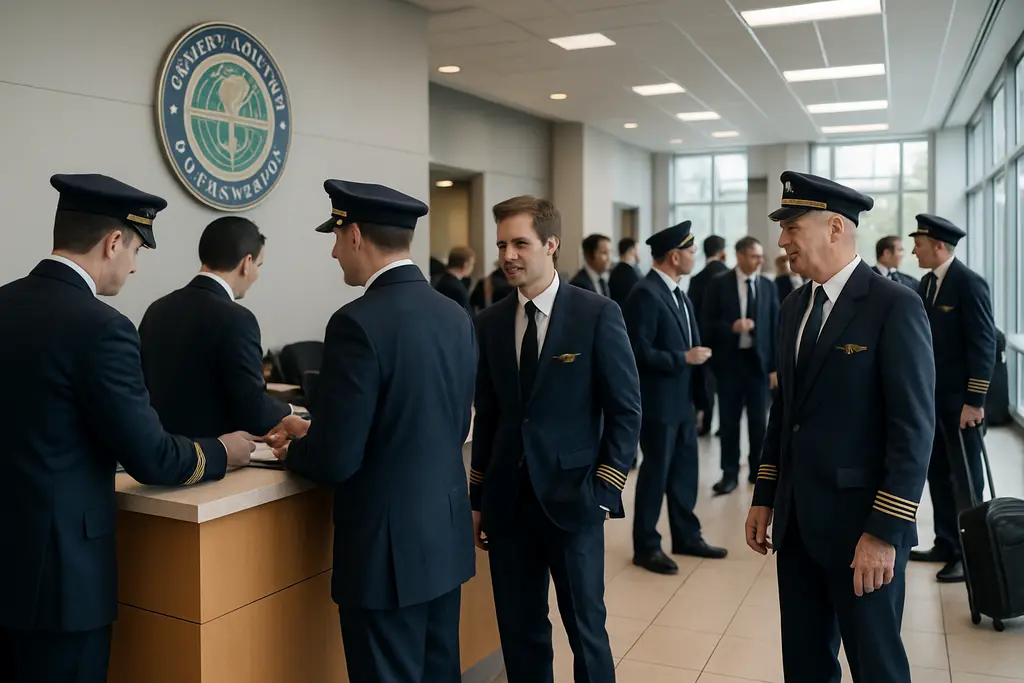
Air Force Pilot Training has become a useful signal for the wider aviation workforce because the service is testing many of the same ideas civilian schools, regional airlines, and certification planners are weighing: earlier screening, stronger instrument foundations, multi-engine exposure, and faster movement from classroom learning to operational readiness. The military system is different from an airline hiring pathway, yet the recent Air Force approach shows how training organizations can respond when demand rises faster than traditional capacity can comfortably support.
What Air Force Pilot Training Shows About Demand
Training Output Became A Workforce Signal
Confirmed: In fiscal year 2025, the U.S. Air Force pilot shortage was reported at approximately 2,470 pilots. As of September 2026, the service said it was on track to produce 1,500 new pilots in a single fiscal year under its Future of Undergraduate Pilot Training model. Because today is October 11, 2026, and the research does not provide a verified post-fiscal-year total, that 1,500 figure should be read as a September 2026 status marker rather than a confirmed final count.
That distinction matters for aviation students and training providers. A large training target does not only reflect recruiting success; it also reflects whether schools, aircraft, instructors, simulators, scheduling systems, and assessment standards can support sustained throughput. In plain terms, the Air Force was not only trying to attract more candidates. It was trying to move qualified candidates through a training sequence without lowering the meaning of the wings earned at the end.
Confirmed: The U.S. Air Force Academy Class of 2026 graduated on May 28, 2026, and 457 of 931 graduates, or 49%, were selected to attend pilot training, according to the Academy’s Class of 2026 data. That selection rate shows how strongly the Academy remained connected to rated officer production during a period of heavy pilot demand.
Why Air Force Pilot Training Starts Earlier
Air Force Pilot Training under the Future of Undergraduate Pilot Training model shifted foundational instruction into civilian FAA Part 141 flight schools. Students in that Initial Pilot Training phase received an FAA private pilot certificate plus instrument and multi-engine ratings before entering military undergraduate pilot training bases. That structure is significant because it places core certification work before the student reaches the military aircraft pipeline.
Confirmed: In May 2025, the first full Future Undergraduate Pilot Training class graduated with 24 new pilots. The group earned FAA private pilot, instrument, and multi-engine ratings after about 110 flight hours in Initial Pilot Training, then moved into T-6A training and completed the military competency phase over 108 days. Confirmed: In January 2026, 10 U.S. Air Force student pilots in a Small Group Tryout graduated from Italy’s International Flight Training School under the same model, showing that civilian-led foundational preparation could feed directly into advanced military training overseas.
Market-analysis: This does not mean civilian schools should copy the military program outright. The Air Force has selection tools, funding channels, operational needs, and service commitments that differ sharply from private career training. The transferable lesson is narrower and more practical: stronger early screening and FAA certificate alignment can help training organizations identify readiness before students reach the most expensive and resource-heavy phases.
Certification Pressure Beyond The Military
FAA Certificates Are Moving In The Same Direction
Confirmed: U.S. pilot certifications grew by about 10% from 2017 through 2024, with most of that increase occurring since 2021; the same GAO report found that the average hourly wage for a first-year regional airline first officer rose from about $52 in 2021 to about $93 in 2024, reflecting stronger competition for qualified pilots in the regional airline sector GAO workforce report. Those two figures sit at the center of the certification issue: more people are earning credentials, yet employers still compete heavily for pilots who meet the right experience, medical, currency, and training standards.
For aspiring professional pilots, this is a useful caution. A certificate is not a hiring guarantee by itself. The certificate verifies a level of legal qualification; the employer still evaluates recency, judgment, crew readiness, training record, and the ability to succeed in a structured airline or military training environment. That is why the Air Force model is relevant outside the service. It links certificates to progression gates rather than treating them as isolated milestones.
Regional Airline Pay Signals Competition
Market-analysis: The regional pay increase from 2021 to 2024 suggests that airlines were willing to spend more to attract qualified pilots, especially those ready for Part 121 training. Higher first-year pay can encourage more students to begin training, but it can also place strain on instructor supply if newly qualified commercial pilots leave flight schools quickly for airline pathways. That same tension appears in military and civilian systems: producing more pilots requires enough experienced people to teach the next class.
Air Force Pilot Training also shows why certificate sequencing matters. If a student earns private, instrument, and multi-engine credentials before entering advanced training, instructors can spend less time rebuilding basic scan, radio, checklist, and weather decision habits. For readers comparing military training reform with civilian school planning, our related analysis of future pilot training explains how Air Force production goals can expose lessons for nonmilitary programs.
Lessons For Civilian Flight Students

Practical Steps Before Advanced Training
Reviewed from a certification planning standpoint, the Air Force example supports a disciplined approach for student pilots who want an airline or military career. The goal is not to rush through checkrides. The goal is to build a record that shows steady progression, clean documentation, and readiness for higher workload environments.
- Protect logbook accuracy from the first lesson; advanced programs rely on verified experience, not rough estimates.
- Treat instrument training as a core professional skill, not a box to check after private pilot certification.
- Build multi-engine habits carefully because later turbine and crew training depend on strong engine-out discipline.
- Ask schools direct questions about instructor availability, aircraft scheduling, maintenance downtime, and checkride access before enrolling.
Opinion based on the available training pattern: students who understand each certificate as part of a larger readiness chain are better prepared for structured programs. They also tend to ask better questions about school capacity, training pace, and whether advertised timelines match aircraft and instructor availability.
Where Schools Feel The Pressure
Market-analysis: Civilian flight schools face a balancing act similar to the Air Force, though at a different scale. If demand rises, schools need enough instructors, aircraft, maintenance support, and stage-check capacity to keep students moving. If schools expand too quickly without those supports, students may face training gaps that weaken proficiency and increase costs.
That is where certification planning becomes a lifestyle and financial issue, not just a regulatory issue. A student who waits weeks between lessons may need repeat flights to regain proficiency. A student who cannot schedule an instrument checkride at the right time may lose momentum. Readers comparing aviation education topics across our publishing network may also find further insights at SiteBob, a related site in the same network.
Air Force Pilot Training And The Certification Pipeline
Military Success Points To Shared Standards
Air Force Pilot Training reflects a shared aviation priority: the industry needs more qualified pilots, but it cannot treat qualification as a simple headcount problem. The Air Force response placed FAA certificates, civilian training providers, military screening, and advanced aircraft instruction into one connected sequence. That approach is meaningful because the civilian market faces its own version of the same issue through regional airline hiring, instructor supply, and ATP readiness.
What Still Needs Careful Reading
Confirmed data from the research supports the direction of travel: more pilot certificates, higher regional first-officer pay, strong Air Force pilot selection from the Academy’s 2026 class, and a military training model that used civilian FAA pathways before advanced instruction. The uncertain point is the final fiscal year 2026 Air Force production total, because the research only confirms that the service was on track as of September 2026. For students, schools, and workforce planners, the clearest lesson is still firm: certification systems work best when they measure readiness at each step, not only completion at the end.