The U.S. Air Force’s future pilot training model has moved from concept to measurable production at a moment when the service has faced a serious pilot deficit. As of the end of Fiscal Year 2025, the Air Force reported a shortfall of about 2,407 pilots, a gap that affected planning for combat readiness, instructor staffing, and long-term force management. The central question for military and civilian training leaders is not only whether the Air Force can produce more pilots, but whether it can do so without weakening standards, overloading instructors, or shifting pressure onto the next stage of training.
Why Future Pilot Training Matters Now
The Air Force has had an annual production goal of 1,500 pilots through Undergraduate Pilot Training, yet that number had been difficult to reach under the legacy structure. On September 14, 2026, Air & Space Forces Magazine reported that 1,408 pilots had already been winged, with 147 more expected before the end of Fiscal Year 2026, putting the service on track to exceed the 1,500 target Air & Space Forces reporting. Later in September 2026, Air Education and Training Command said it had achieved the 1,500-pilot goal and validated the modernized model AETC announcement.
That progress matters because pilot production is not a simple numbers exercise. A new pilot still needs safe instruction, aircraft access, simulator time, instructor continuity, and a syllabus that builds judgment rather than just logbook time. For students watching from the civilian side, the Air Force’s progress offers a rare large-scale case study in how a training organization can raise throughput while still protecting skill development.
Why The Shortage Is A Training System Issue
The Air Force pilot shortage did not appear from a single cause. Research notes identify instructor pilot shortfalls, aging training fleets, aircraft availability problems, and maintenance delays as key limits on output. Those constraints are familiar to many civilian students as well. If an aircraft is down for maintenance, a simulator slot is full, or an instructor leaves for an airline job, the training calendar slips. The military version of that problem has higher national-security stakes, but the training mechanics are recognizable to anyone who has waited weeks for a checkride or aircraft assignment.
How The New Model Changes Student Flow
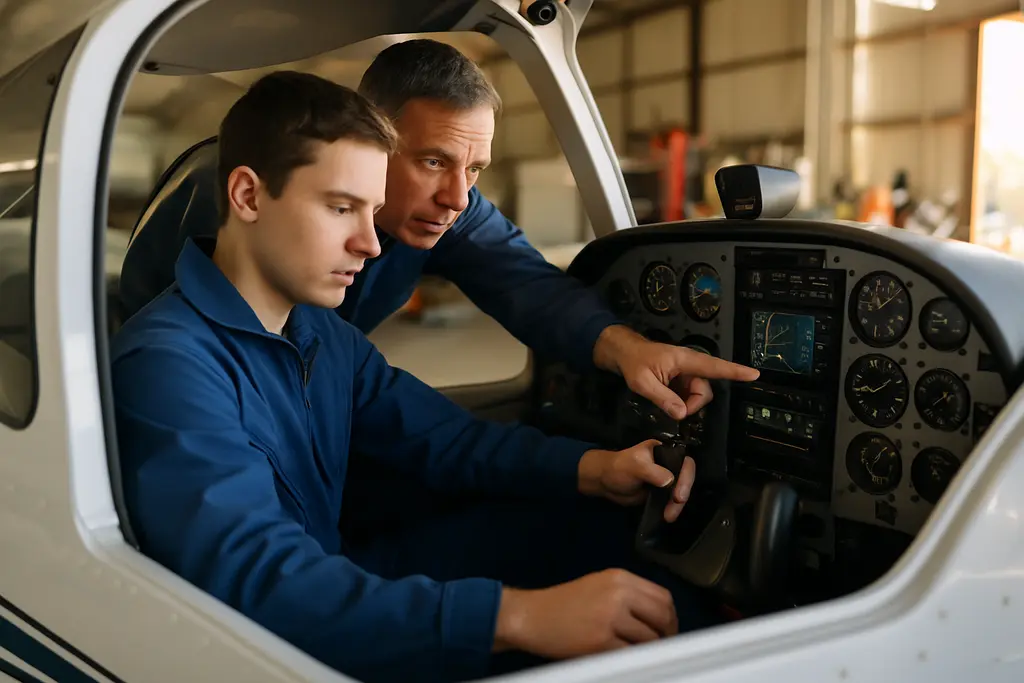
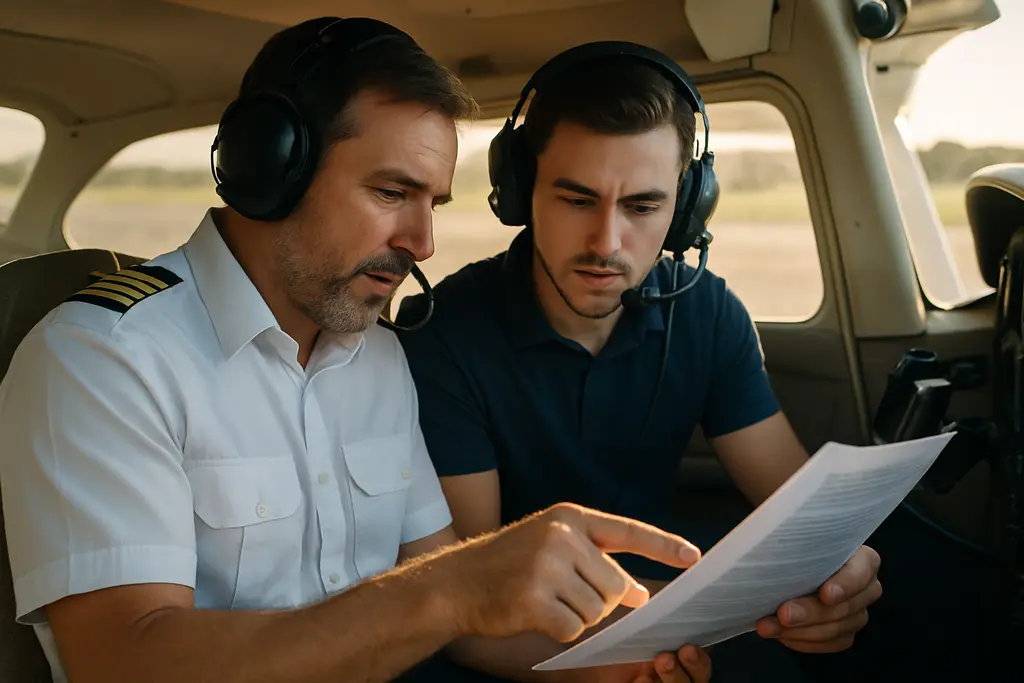
The revised model changes the front end of pilot training. Instead of keeping every early training event inside the traditional military pipeline, the Air Force has used a hybrid private and government instruction program. The program includes civilian FAA Part 141-certified schools for earlier hands-on flying, a shorter course structure, and higher initial flight hours before students move into the military phase. That design gives students more aviation exposure before they reach a UPT base.
Future Pilot Training In The IPT Phase
Under the Initial Pilot Training phase, students in the Spring 2024 cohort flew about 110 flight hours and earned a private pilot certificate, instrument rating, and multi-engine rating before moving into military training. That is a major shift in sequencing. The student arrives at the military phase with more real aircraft time and a broader foundation, which can make later training more focused on military-specific performance rather than basic aircraft handling.
For civilian students, this part of future pilot training is worth studying because it shows how early structure can change downstream performance. A student who builds instrument scan habits, checklist discipline, radio confidence, and multi-engine decision-making before an advanced phase may be better prepared for compressed training. That does not mean every civilian school can copy the model, but it does show why early-phase quality matters as much as total course length.
The Military Phase After Civilian Flying
After the Initial Pilot Training phase, students continue at a UPT base such as Columbus Air Force Base. Research notes show that the military phase includes about 60 flight hours and 50 simulator hours in the T-6A Texan II over 108 military days. The revised syllabus also reduced T-6A training days by 31 percent through competency mapping while maintaining graduate quality, according to the provided Air Force research notes.
That is an important distinction. The model is not simply “less training.” It rearranges where training occurs and uses competency mapping to focus time on required performance. That approach aligns with broader industry interest in targeted practice, data-informed instruction, and simulator-supported learning. Readers who want more background on how technology and instruction intersect can compare this model with our analysis of adaptive Air Force instruction.
Production Targets And Training Bottlenecks
The Air Force plan assigns major production responsibility across UPT bases including Vance, Laughlin, Columbus, and Sheppard, with each base expected to produce about 425 pilots per year under the new structure. That distribution spreads output across the training enterprise rather than relying on a single location to absorb the increase. It also creates a clearer production expectation for base leaders, maintenance teams, instructor cadres, and simulator managers.
What The September 2026 Numbers Show
The September 2026 figures gave the strongest public signal that the model was producing results. Reaching the 1,500-pilot goal did not erase the earlier shortfall, but it showed that annual output can rise when the front end of training is redesigned. In practical terms, one strong production year helps stop the gap from widening. Several strong years would be needed before the shortage itself could be reduced in a sustained way.
This distinction is vital for anyone evaluating future pilot training as a solution to the national pilot shortage. A higher annual output number is a milestone, not a cure. Pilot demand continues to involve training capacity, retention, aircraft availability, instructor experience, and assignment needs. The Air Force still has to protect quality while raising production, especially as the new model is expected to take full effect across all UPT bases by Fiscal Year 2027.
Constraints That Still Shape Throughput
The training bottlenecks named in the research notes remain serious. Instructor pilot shortfalls can limit how many students can be trained safely at one time. Aging aircraft, including the T-38C Talon, can create maintenance and availability pressure. Maintenance delays can disrupt schedules even when students, instructors, and classrooms are ready.
- Instructor capacity: More students require enough experienced instructors to preserve feedback quality.
- Aircraft availability: Training plans depend on flyable aircraft and predictable maintenance cycles.
- Simulator scheduling: Simulator hours help absorb training demand, but slots must match syllabus timing.
- Standardization: A faster syllabus still needs consistent grading and clear performance expectations.
Implications For Civil Aviation Training
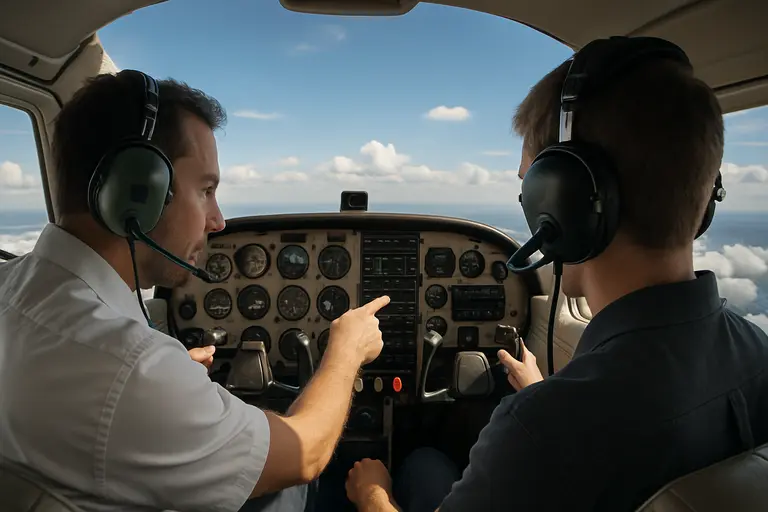
The national pilot shortage is not identical to the Air Force pilot shortage, but the training lessons overlap. Civilian flight schools, collegiate programs, and airline pathway partners also deal with instructor retention, aircraft access, simulator use, and curriculum design. The Air Force model shows that throughput can improve when early training is structured with clear outcomes and when advanced training focuses on the competencies students still need to prove.
For student pilots, the practical takeaway is to assess training programs by structure, not only by marketing language. Ask how early flight time is scheduled, how weather delays are handled, how instructor turnover affects continuity, and how simulator training supports aircraft lessons. A shorter advertised timeline has little value if aircraft access is poor or if stage checks back up for weeks.
For school leaders, future pilot training highlights the value of aligning each phase to a measurable purpose. Early training should build confidence and safe habits. Intermediate training should sharpen instrument procedures, crew communication, and decision-making. Advanced training should test whether those skills hold under time pressure. That sequence is not limited to military aviation; it is a useful lens for any training organization trying to increase output responsibly.
Public understanding also matters. Aviation training is often discussed only during shortage headlines or hiring waves, but the underlying system is more disciplined than those headlines suggest. For readers who also follow how technical fields are explained through broader media coverage, our network includes True Real TV, a related site focusing on culture and media from an audience-aware perspective.
Future Pilot Training And National Pilot Supply
The Air Force’s model has already shown that a redesigned training sequence can raise annual production toward a long-standing goal. The strongest lesson is not that one model solves every shortage, but that training flow can be improved when leaders address the earliest phase, use civilian capacity where appropriate, and protect standards through competency-based progression.
The national pilot shortage will still require sustained action across military and civilian systems. The Air Force entered Fiscal Year 2026 with a large pilot gap from the prior year, and one production success does not immediately replace years of shortfall. Still, the results reported in September 2026 give flight training leaders a concrete example to study. The best use of future pilot training is as a disciplined planning model: set a clear production target, identify the bottlenecks, restructure the phases, and measure whether graduates remain ready for the next aircraft and mission.