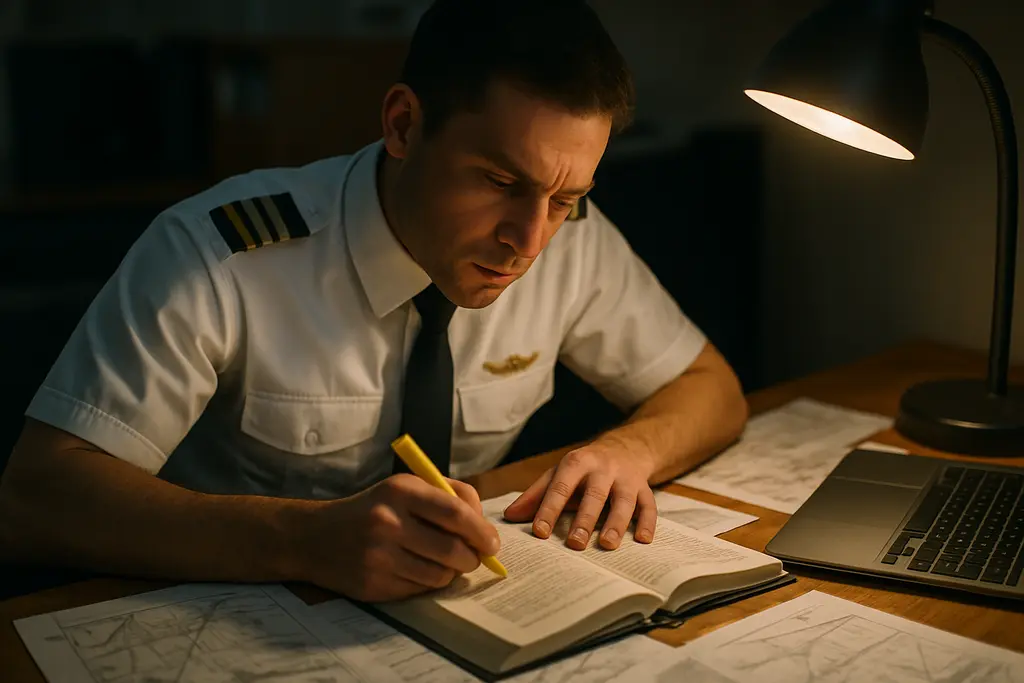
Earning your commercial pilot certificate represents a major shift in your aviation trajectory. For the first time, federal regulations allow you to accept compensation for your time in the flight deck. Most newly minted commercial pilots graduate with roughly 250 hours in their logbooks. Major airlines require an Airline Transport Pilot (ATP) certificate, demanding 1,500 hours of total flight time. This massive gap forces new aviators to find creative ways to get paid as they accumulate experience. If you are researching how to build flight hours efficiently as a student pilot, securing a flying job immediately after passing your commercial checkride provides the most direct route. Operating for hire requires strict adherence to specific legal frameworks. Reviewing the Federal Aviation Administration commercial operations guidelines clarifies exactly what types of flights you can legally conduct without holding a separate Part 135 charter certificate.
Flight Instruction And Aerial Surveying
The overwhelming majority of commercial pilots choose the flight instructor route to bridge the hour gap. Teaching new students solidifies your own grasp of aerodynamics and FAA regulations. Instructors fly constantly, making this the fastest way to accumulate the required time for the airlines. Preparing a student for their first solo flight success demands high-level aeronautical decision-making that translates perfectly to a multi-crew airline environment.
If teaching does not fit your personality, aerial surveying offers a highly technical alternative. Survey pilots fly modified single-engine or light twin-engine aircraft equipped with advanced camera equipment. You fly long, straight grid lines over specific geographic areas, capturing topographical data for agriculture or construction firms. This job requires absolute precision and heavy instrument scanning. Survey pilots spend weeks on the road, flying across the country and gaining heavy exposure to severe weather systems. You can explore typical survey requirements and hiring windows through industry organizations like the National Business Aviation Association.
Comparing Entry-Level CPL Jobs
| Entry-Level CPL Jobs | Typical Flight Hours Required | Primary Skill Developed |
| Flight Instructor (CFI) | 250 Hours | Deep technical knowledge and right-seat aircraft control. |
| Aerial Survey Pilot | 300 – 500 Hours | Precision instrument tracking and cross-country weather management. |
| Skydive Jump Pilot | 500 Hours | Maximum gross weight operations and rapid descent planning. |
| Banner Tow Pilot | 250 – 300 Hours | Low-altitude energy management and pure stick-and-rudder feel. |
Skydiving Operations And Banner Towing
Pilots seeking pure stick-and-rudder experience often gravitate toward dropzone operations or banner towing. Flying skydivers requires operating aircraft right at their maximum gross takeoff weight. You climb to altitude, drop the jumpers, and execute a rapid descent to pick up the next load. The cycle repeats continuously throughout the day. This environment sharpens your energy management and teaches you how to handle an airplane operating at its extreme performance limits.
Banner towing requires a completely different skill set. Tow pilots pick up heavy advertising banners using a grappling hook moving just a few feet above the ground. Once hooked, you drag the banner at low altitudes along crowded coastlines or sporting events. The drag from the banner drastically alters the aerodynamic characteristics of the aircraft. Pilots must monitor engine temperatures closely; flying at high power settings and low airspeeds reduces engine cooling efficiency.

Charter And Corporate Aviation Roles
Pilots who want to bypass the piston-engine phase entirely pursue right-seat jobs in the charter and corporate sectors. Many Part 135 operators hire commercial pilots with 500 to 800 hours to act as a First Officer in light jets or turboprops. This route introduces you to high-altitude operations, turbine engines, and multi-crew coordination long before you reach the major airlines.
Corporate flying offers a highly variable schedule. You might fly a wealthy client to a remote mountain town one day and an international hub the next. Adopting the lifestyle of general aviation pilots in the corporate sector means accepting on-call schedules and prioritizing customer service. Safety remains the highest priority for these operations. You can monitor industry safety standards and operational best practices through the Air Charter Safety Foundation, confirming you align with reputable operators who prioritize maintenance and crew rest over profits.
Final Thoughts
Your commercial pilot license acts as a ticket to the professional aviation industry. Every job you take between 250 hours and the airline transport threshold builds a specific, valuable skill. Instructing builds communication, surveying builds instrument discipline, and towing builds raw physical control. Treat your first aviation job as an extension of your training, actively absorbing lessons from every flight hour you log.