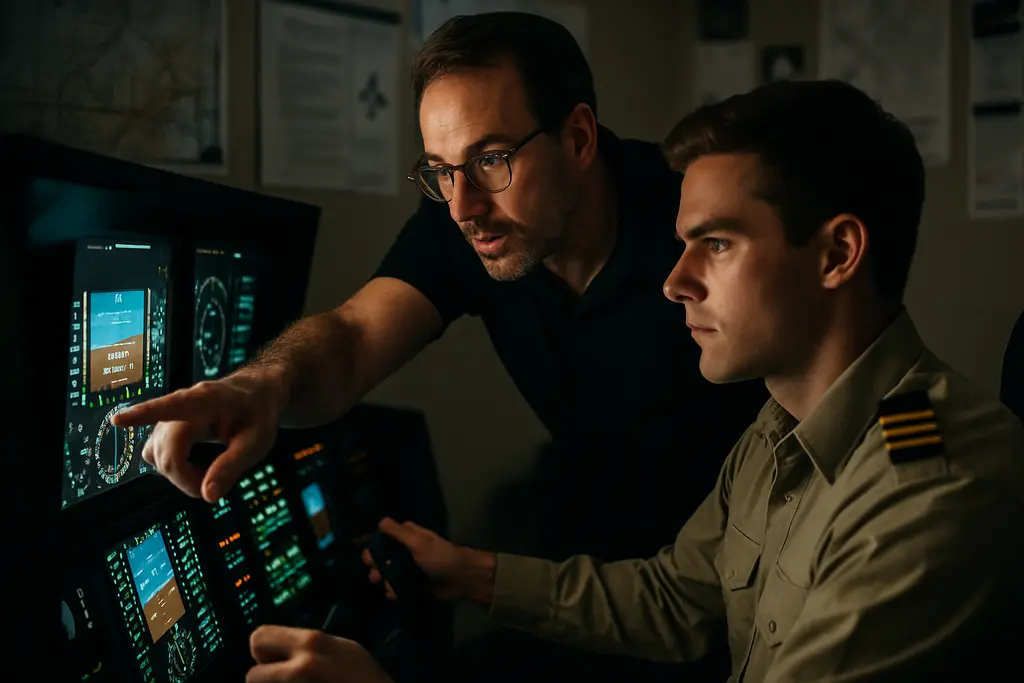
Modernizing EMKs moved from a long-running safety discussion to a documented regulatory action on August 4, 2026, when the FAA proposed updated requirements for emergency medical kits on commercial airplanes. The agency described a shift away from a fixed, prescriptive contents list and toward performance-based standards tied to current medical science, as stated in its FAA statement. For flight training, the practical point is not that pilots become medical providers. The point is that cockpit decision-making, cabin coordination, diversion review, and equipment familiarization must keep pace with any approved change to onboard medical capability.
Why Modernizing EMKs Changes Crew Planning
Modernizing EMKs In The Proposed Rule
The confirmed regulatory action came through a proposal, not a final rule, so training departments should treat the details as proposed requirements as of August 25, 2026. The proposal was connected to Section 368 of the FAA Reauthorization Act of 2024, which directed updates to emergency medical kit equipment and flight-crew training tools. That distinction matters in a training environment. A proposed rule can guide syllabus review and scenario design, but operators still need to follow the rules, manuals, and approved training programs in effect until the FAA completes the rulemaking process.
Modernizing EMKs also changes how instructors should frame medical-event readiness. In older training conversations, the kit could be treated as a known inventory item: where it is stored, who can access it, and how the crew coordinates with medical assistance. A performance-based standard asks a better training question: can the aircraft’s medical resources support the types of life-threatening events the FAA has identified? That question reaches beyond storage location and into crew briefings, cabin-to-cockpit communication, and command judgment under time pressure.
Performance Standards Instead Of Fixed Lists
The proposed rule published on August 5, 2026, would remove Appendix A of 14 CFR Part 121, which contains specific content lists for first aid kits and emergency medical kits, and replace it with proposed Section 121.807 focused on performance requirements for medical event types, according to the Federal Register proposal. That is a major training signal. Crews may see kit contents change over time while the safety objective remains tied to managing serious medical conditions during flight.
From my perspective as a flight training professional, that calls for a tighter link between equipment familiarization and scenario-based practice. A pilot does not need to memorize every item as though preparing for a pharmacy exam. The pilot does need to understand where the kit is, how company procedures control access, how cabin crew report its use, and how that information affects the captain’s risk assessment.
What The FAA Proposal Actually Requires
Nine Medical Event Categories
The proposed standard identified nine categories of life-threatening conditions that emergency medical kits would need to support. These categories give training managers a practical structure for lesson planning because they describe the type of event the crew may need to coordinate, not just the item count inside a container.
- Cardiac emergencies
- Breathing difficulties
- Gastrointestinal emergencies
- Opioid overdoses
- Childbirth
- Seizures
- Anaphylaxis
- Major bleeding
- Hypoglycemia
Those categories should not be taught as a medical diagnosis checklist for pilots. They are better used as operational triggers. A seizure, suspected cardiac problem, severe allergic reaction, or major bleeding event changes the cockpit workload because the crew must gather reliable cabin information, coordinate with available medical help, consult ground-based support if company procedures provide for it, and decide whether continuing, diverting, or landing as soon as practical is the safest course.
Training Limits For Flight Crews
The proposed regulation did not require training changes beyond current rules. Flight-crew training already must include instruction on the location, function, and operation of emergency medical kits, along with familiarization with their contents. The proposal also stated that crews are not required to train to administer medical contents without medical advice as though acting as medical professionals.
That boundary is essential for pilot safety protocols. If training implies that a pilot is expected to practice medicine, it creates confusion and risk. If training focuses on command responsibilities, communication accuracy, and support for qualified medical responders, it strengthens the operation. Modernizing EMKs should therefore be taught as a resource-management issue: know the equipment, understand the reporting chain, preserve cockpit control, and make the diversion decision using the best information available.
Safety Protocols For Part 121 Crews

Diversion Decision Discipline
A medical event can pressure a crew into fast action before the facts are complete. Good pilot training slows the decision process just enough to organize the information. The captain needs the nature of the symptoms as reported by the cabin, the passenger’s condition trend, whether a medically qualified volunteer is assisting, what equipment has been used, and what landing options are operationally suitable. Modernizing EMKs may improve the resources available in the cabin, but it does not remove the captain’s responsibility to weigh fuel, weather, airport capability, passenger condition, crew workload, and company procedure.
In training, I would avoid treating the improved kit as a reason to delay a diversion or as an automatic reason to divert. Either framing is too simple. The kit is one input. The patient’s condition, medical advice, aircraft position, and nearest suitable airports remain part of the same aeronautical decision-making process. This is where scenario-based training has value, especially when paired with the kind of real-world readiness principles discussed in pilot safety training.
Instructor Actions In Recurrent Training
Training managers can prepare for the proposed standard without overstating it. A sound recurrent module would start with a short equipment familiarization segment, then move into crew coordination scenarios. The instructor can ask the crew to identify where the emergency medical kit is located, who normally retrieves it, what information should reach the cockpit, and how the captain documents decisions after the event. The training value is in the flow of information, not in turning pilots into clinicians.
Modernizing EMKs also supports better audit habits. If kit contents change under a performance-based standard, training material should be checked against the operator’s actual equipment and procedures. A mismatch between the lesson and the airplane creates avoidable confusion during a high-stress cabin event. Aviation training benefits when public-facing explanations separate safety facts from entertainment-style urgency. Our same publishing network includes a resource, TrueRealTV, focused on screen culture. Here, the teaching standard should remain FAA language, operator manuals, and disciplined crew resource management.
Modernizing EMKs And Pilot Readiness
Modernizing EMKs is best understood as a cockpit protocol issue as much as a medical equipment issue. The FAA proposal pointed toward kits that address defined life-threatening event categories, while keeping flight-crew training centered on location, function, operation, and contents familiarization. That balance is appropriate. Pilots command the aircraft, manage risk, coordinate resources, and make time-sensitive operational decisions. They do not replace medical professionals.
For flight schools and airline training departments connected to Part 121 operations, the near-term task is disciplined preparation. Review the proposal, identify where current syllabi already cover emergency medical kit use, and strengthen the scenarios that test communication between cabin and cockpit. If the FAA finalizes the rule, operators will be in a better position to update lessons without rushing. The safest training response is measured, practical, and tied to the written standard: know the kit, respect the limits of crew medical training, and keep the aircraft decision process clear when a passenger’s condition becomes part of the flight plan.