Pilot training safety is moving away from a narrow task-check model and toward training built around measured performance, realistic scenarios, and better use of simulation. Confirmed research from MITRE analyzed data from 30 million flights over five years and then focused on 16,000 records involving pilot responses to safety events such as stalls and near-collisions, a level of operational evidence that helps training teams study what pilots actually do during high-pressure moments MITRE research. For aspiring pilots, instructors, and flight school leaders, the change is practical: safety standards are increasingly tied to demonstrated decision-making, not only to whether a maneuver was completed on a checkride.
Pilot Training Safety Standards Are Becoming Data-Led
What Flight Data Can Show
Confirmed fact: MITRE’s work used large-scale flight data to look at pilot performance during real safety events. That matters because training departments have long relied on simulator checks, instructor notes, and regulatory minimums to judge readiness. Those tools remain valuable, but they can miss patterns that only appear across thousands or millions of operations. A stall recovery lesson, for example, may look successful in a controlled training session while real flight data can reveal timing, recognition, or crew coordination issues that deserve more targeted practice.
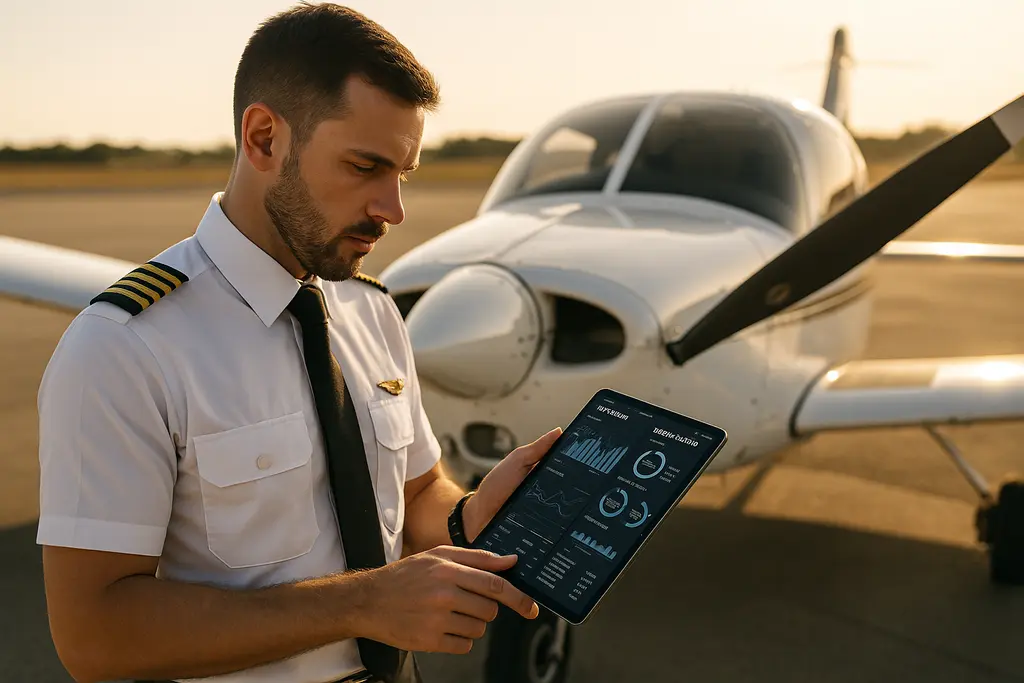
Reviewed analysis: For flight schools, pilot training safety becomes stronger when data supports the syllabus instead of simply sitting in a safety report. If repeated events show that pilots need earlier recognition of unstable energy states, then schools can adjust briefings, simulator sessions, and post-flight reviews around that need. This does not mean replacing instructor judgment. It means giving instructors better evidence so they can focus limited training time on behaviors that connect directly to operational risk.
Pilot Training Safety In Scenario Practice
Scenario-based training connects data with cockpit judgment. A student may know the correct recovery procedure, but the real test is whether that student recognizes the setup early, communicates clearly, manages workload, and makes a safe decision before the situation worsens. That is why many training conversations now point toward competency-based methods, where knowledge, manual skill, communication, and threat management are assessed together. For related planning, Pilot Pointer’s discussion of competency-based training explains how targeted practice can support safety protocols beyond simple task completion.
Confirmed by the supplied research, current training development is not centered on one single tool. It includes performance measurement, mixed reality, virtual environments, replay-based review, and safety management systems. The common thread is clearer feedback. Pilots learn faster when they can connect an event, a decision, and the outcome in a structured training setting.
Mixed Reality Reduces Aircraft Dependency
Confirmed FlightSafety Development
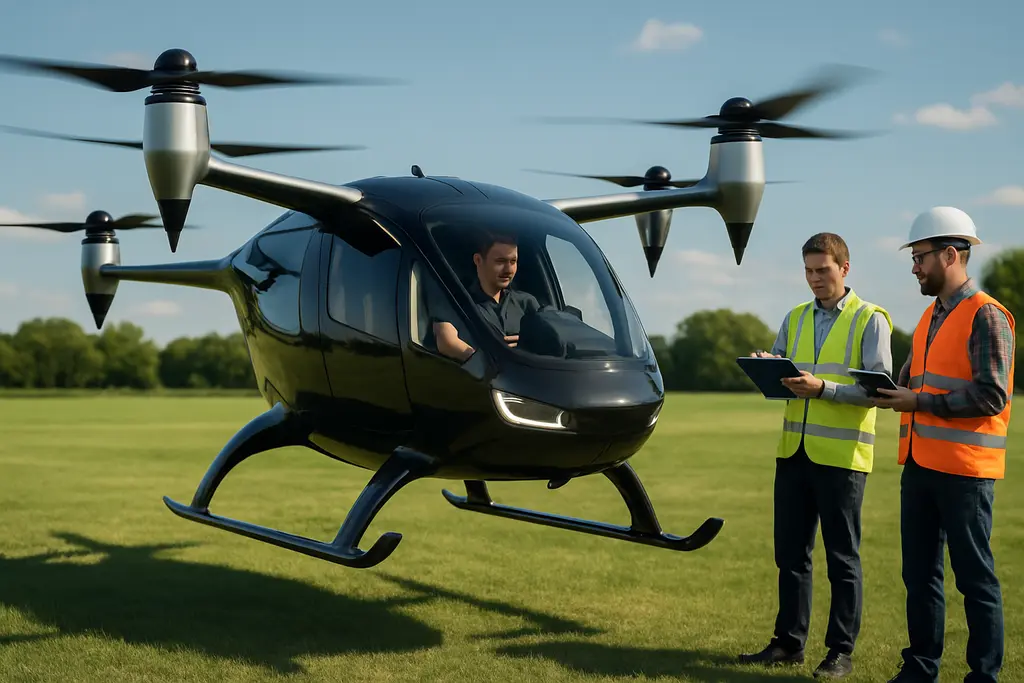
Confirmed fact: FlightSafety International announced in September 2025 that it had expanded mixed reality capabilities, integrating high-fidelity environments into pilot training with the stated goal of improving readiness and reducing reliance on actual aircraft FlightSafety announcement. That direction is significant because some training events are difficult, expensive, or unsuitable to repeat in a live aircraft. Weather surprises, system abnormalities, and high-workload cockpit events can be presented in a controlled setting, paused for instruction, repeated, and reviewed without adding risk to a training flight.
Reviewed analysis: The value of mixed reality is not that it looks impressive. Its training value depends on whether it helps pilots practice the right behavior at the right stage of learning. A private pilot candidate may need visual references, radio discipline, and traffic awareness practice. A type-rated pilot may need crew coordination in an abnormal procedure. The technology is useful only when the training objective is clear, the instructor is prepared, and the debrief links the simulation to real cockpit standards.
Why Aircraft Dependency Matters
Aircraft time is valuable, but it is not always the best place to introduce every risk scenario. Repeating a demanding event in flight can create cost, scheduling limits, weather constraints, and safety concerns. Mixed reality and advanced simulation can give schools a way to build recognition and decision habits before a student sees similar cues in the aircraft. The strongest pilot training safety programs still protect hands-on flying; they use ground-based tools to make aircraft time more focused.
For schools evaluating these systems, the key question is not whether a device is new. The better question is whether the device supports a clear training outcome and fits into a syllabus that instructors can use consistently. Pilot Pointer’s resource on pilot training technology is useful for schools comparing rollout plans, instructor preparation, data handling, and the balance between simulation and manual flying.
Real-World Applications In The Training Syllabus
From Event Review To Lesson Design
Reviewed analysis: A safety-focused syllabus should move from event review to lesson design. If data shows that pilots struggle with recognition during a developing upset, the lesson should not wait until the aircraft is already outside normal parameters. It should train earlier cues, verbal callouts, energy management, and decision timing. If replay or mixed reality tools are available, the instructor can compare what the pilot perceived with what the aircraft data or scenario timeline shows.
Confirmed by the supplied research, aviation training providers are also exploring virtual reality applications, artificial intelligence-supported learning, advanced training aircraft, and safety management tools. The exact features vary by provider and aircraft category, so schools should avoid treating every technology claim as equal. A professional training decision should ask whether the tool improves instruction, creates useful feedback, and supports recognized safety standards.
Practical Syllabus Questions
Flight school managers and training candidates can use a small set of questions to evaluate whether a program is applying these changes responsibly:
- Does the school connect simulator or mixed reality lessons to specific flight risks rather than using them as isolated demonstrations?
- Do instructors receive training on how to brief, observe, and debrief technology-supported lessons?
- Are data and replay tools used to support learning, not to shame students for normal training errors?
- Does the syllabus preserve aircraft handling, traffic awareness, and real radio communication practice?
- Can the school explain how safety reports or performance trends influence lesson updates?
These questions matter because students often judge a program by aircraft availability, hourly rates, or visible technology. Those factors are real, but readiness depends on the connection between standards, instruction, and feedback. A well-run school should be able to describe how each training tool helps a pilot make safer decisions in the cockpit.
Implementation Choices For Flight Schools

Instructor Preparation And Data Policy
Reviewed analysis: The instructor remains the link between technology and skill. A mixed reality session without a strong briefing can become a novelty. A flight data review without a fair policy can make pilots defensive. A replay tool without a structured debrief can create confusion instead of learning. Schools need policies that explain what data is collected, who reviews it, how it is used, and how students can ask questions about it.
For career-focused students, this is also a lifestyle and training-budget issue. Better ground preparation can make aircraft lessons more productive, but it may add fees, scheduled lab time, or required platform access. Students should ask how technology time is billed, whether it replaces any aircraft lesson, and what performance standard must be met before advancing. Clear answers help candidates compare programs without assuming that the most expensive equipment automatically produces the best outcome.
Keeping Manual Skill In The Loop
Market-analysis: Technology-supported training should not weaken stick-and-rudder skill. The research direction points toward safer preparation, but real aircraft still require sight picture judgment, control feel, sound recognition, traffic scanning, weather decisions, and cockpit discipline. A balanced program uses simulation for repetition and aircraft time for transfer of learning. That balance is especially important for primary students who are still developing basic handling confidence.
Readers who follow broader media and training-technology coverage across our network can visit TrueRealTV for additional insights. While this source remains dedicated to aviation training and safety, TrueRealTV explores interconnected topics for a comprehensive view.
Pilot Training Safety For Student And Career Pilots
How To Evaluate A Program
For student pilots, the practical takeaway is to ask better questions before committing to a school. Ask how instructors teach abnormal situations. Ask whether scenario sessions are repeated until decision-making improves. Ask how flight reviews are documented. Ask whether the school uses safety reports or performance trends to update lessons. A program does not need every new device to be effective, but it should be able to explain how its training prepares pilots for real cockpit demands.
Career pilots should take the same mindset into recurrent training. A simulator check is not only a pass-or-fail event; it is a chance to identify habits under pressure. Data-supported review and realistic training environments can help pilots see whether they manage workload, communicate early, and select safe options before a situation narrows. That kind of feedback is central to pilot training safety because it links training performance with operational behavior.
What Readiness Means Now
Readiness now means more than memorizing flows and completing maneuvers. It means recognizing risk early, using standard procedures, communicating clearly, and adapting to the aircraft and environment in front of you. The supported research shows a clear direction: measured performance and realistic training environments are becoming more important in how aviation prepares pilots. The best programs will treat those tools as part of disciplined instruction, not as replacements for instructor judgment or aircraft experience.
For aspiring pilots, that shift is encouraging. It gives you more ways to practice before high-workload events happen in flight. It gives instructors better information for coaching. It gives schools a clearer path for aligning lessons with safety standards and real-world applications. Used carefully, pilot training safety can become less about checking boxes and more about building dependable cockpit judgment.