The 737 MAX-7 certification on August 3, 2026, gave airlines, training departments, and line pilots a defined path for preparing the smallest MAX variant for service. For pilots, the practical story is not only that an amended type certificate was issued. The key training issue is how the approved aircraft configuration, updated software, flightcrew alerting changes, and redesigned engine anti-ice system affect classroom review, simulator events, recurrent training, and line operations.
FAA Approval And 737 MAX-7 Certification
What 737 MAX-7 Certification Changed
On August 3, 2026, the FAA issued the amended type certificate and updated Production Limitation Record for the MAX-7. The agency stated that Boeing had to complete improvements before approval, including flight-control software updates, flightcrew alerting enhancements, and a redesigned engine anti-ice system intended to prevent overheating and possible structural weakening, according to the FAA certification statement. Those items matter in training because they move the aircraft discussion from general MAX-family awareness into specific operating behaviors that crews must recognize, brief, and manage.
For line pilots, 737 MAX-7 certification is less about learning an entirely separate airplane and more about proving that the crew understands the approved configuration. A pilot already qualified on a 737 variant still needs training aligned with the aircraft and software version the carrier will operate. That distinction matters because a common type rating can make aircraft differences look smaller than they feel during non-normal events, especially when alerts, automation cues, and flight-control protections shape the crew’s first diagnosis.
Certification Does Not End Oversight
The FAA also said it would keep on-site safety inspectors at Boeing production facilities to monitor manufacturing stages and assess Boeing’s Safety Management System and safety culture. That oversight has a direct training link. Airlines build training programs around aircraft manuals, approved procedures, service bulletins, operational data, and regulator guidance. If production findings or approved configuration changes affect operating procedures, those changes can flow into bulletins, lesson plans, simulator profiles, and checking standards.
The approval also arrived after a long certification process. High-authority reporting stated that Southwest Airlines was expected to be the first recipient, with entry into service expected in the months after the August 2026 approval; no specific service-entry date is established in the research supplied as of September 29, 2026, based on Washington Post reporting. That timing matters for pilots because airline training departments usually stage qualification work before aircraft introduction, then refine emphasis areas after early operational experience.
Training Requirements For MAX-7 Crews
Special Training And Software Awareness
The FAA Flight Standardization Board materials referenced in the research require special training for pilots operating the 737 MAX with Flight Control Computer software version P12.1.2. That includes pilots already qualified on MAX aircraft under older software versions P10.0 or P11.1. The training may be standalone or embedded into recurrent, continuing qualification, or requalification programs, which gives airlines some scheduling flexibility while still tying completion to the approved training standard.
The strongest training response to 737 MAX-7 certification is to treat software version awareness as a line-safety habit, not as a paperwork item. Crews should know which differences are tied to the aircraft they fly, which events require memory-item discipline, and which non-normal checklists are likely to appear in simulator validation. That does not mean pilots need to become software engineers. It means they must be able to connect cockpit symptoms to approved procedures without hesitation or improvisation.
Ground And Flight Components
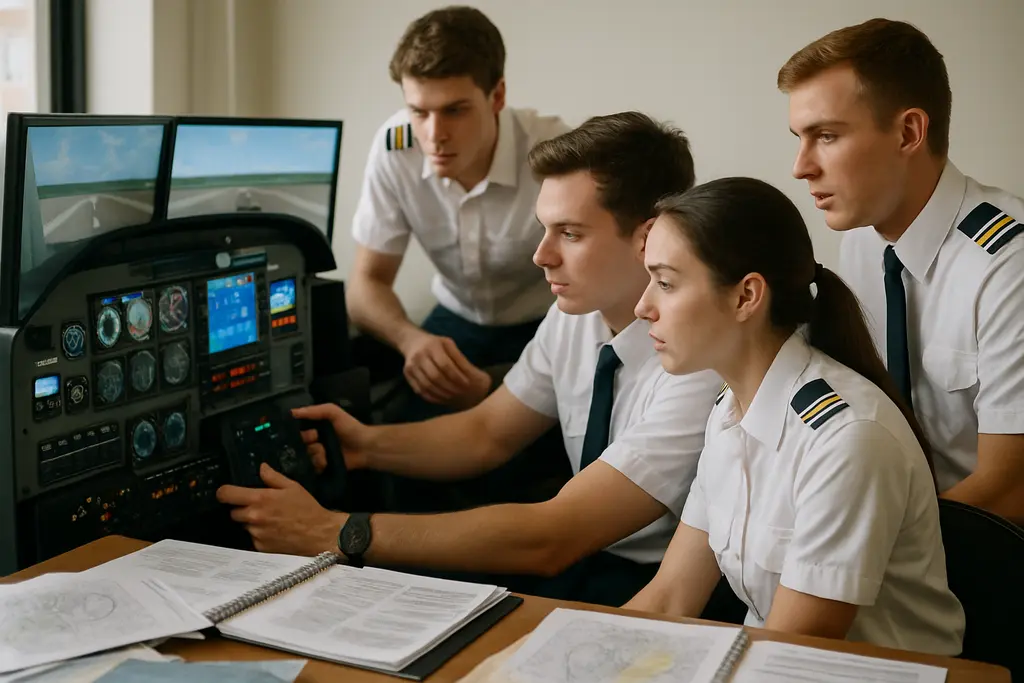
The training described in the research includes ground and flight components. Ground training is the place to build the mental model: how alerts are presented, how the flight-control system behaves in specified cases, and how crews should manage non-normal categories before workload rises. Flight or simulator training then tests whether pilots can apply that model while hand flying, managing automation, communicating, and verifying checklist actions under time pressure.
Specific non-normal topics identified in the research include runaway stabilizer, Speed Trim Fail, Stabilizer Out-of-Trim, Airspeed Unreliable, ALT DISAGREE, AOA DISAGREE, and aspects of MCAS and autoflight system behavior. These are not academic items. They sit close to core transport-category safety skills: aviate first, identify the condition, use the correct checklist, confirm configuration, and avoid chasing conflicting indications without a crew cross-check.
- Review the aircraft and software configuration assigned to the training event before simulator sessions.
- Practice disciplined callouts during stabilizer, airspeed, altitude, and angle-of-attack disagreement scenarios.
- Connect alert presentation to the correct non-normal checklist rather than relying on memory of older configurations.
- Use recurrent training to refresh manual flying, automation mode awareness, and crew resource management.
Safety Updates Behind The Pilot Training Focus
Alerting And Crew Recognition
Flightcrew alerting changes affect the first few seconds of a non-normal event. In training, those seconds are where confusion can either expand or get contained. A clearer alerting philosophy supports better crew coordination only if pilots understand the cue, verbalize the condition, and confirm the checklist path. Instructors should avoid turning alerting updates into slide-only content. Crews learn the value of alerting changes when a scenario forces them to sort indications while flying the aircraft.
For that reason, a simulator profile tied to 737 MAX-7 certification should include both recognition and recovery. Recognition checks whether a crew sees the right condition. Recovery checks whether the crew uses the approved response, manages aircraft state, and avoids compounding errors. The best training departments also debrief what the crew saw, what they expected to see, and where assumptions entered the cockpit conversation.
Anti-Ice And Configuration Discipline
The redesigned engine anti-ice system deserves careful treatment in training because anti-ice decisions often occur during weather, workload, and phase-of-flight pressure. The FAA statement linked approval to redesign work intended to prevent overheating and possible structural weakening. Pilots do not need to speculate beyond the approved procedures. They do need to understand the operational limits, annunciations, and checklist responses that govern engine anti-ice use on the approved MAX-7 configuration.
This is where training quality shows. A short differences module can introduce the system, but scenario-based practice can show how anti-ice use interacts with climb performance, dispatch considerations, cockpit workload, and crew briefings. If an airline operates multiple 737 variants, the training department should make differences visible enough that crews do not blend procedures from one variant into another.
Airline Implementation And Pilot Preparation
Differences Training For NG And MAX Pilots
Pilots transitioning from the 737 Next Generation to the MAX family must complete differences training under the FSB appendix described in the research. That training can include simulator-based instruction and approved computer-based training. The main point is not the delivery platform; it is whether the pilot can demonstrate the required knowledge and skill for the aircraft configuration.
For pilots already flying the MAX, the training challenge is subtler. Familiarity can reduce friction, but it can also create habit patterns. A pilot who knows one MAX configuration well must still respect updated software, alerting, and system behavior. That is why special training for FCC P12.1.2 should not be treated as a passive compliance box. It should be part of a wider safety refresh, especially for crews moving between aircraft or returning from time away from the fleet.
Scheduling, Records, And Line Readiness
Training managers need clean records showing which pilots completed the required curriculum before operating aircraft with the updated software. Pairing training completion with crew scheduling is a safety control as much as an administrative step. If aircraft deliveries, maintenance inputs, or software configurations change fleet availability, the training record must still match the airplane assigned to the crew.
A related Pilot Pointer analysis of MAX-7 pilot training impact can help frame how operators may connect FAA approval, alerting, anti-ice work, and training program design. For those interested in exploring how training topics like these are presented through various media formats, Internet Video Magazine provides a valuable reference as part of the same collaborative network.
737 MAX-7 Certification Training Takeaways
Used well, 737 MAX-7 certification gives pilots a clear training target: know the approved aircraft configuration, understand the software and alerting differences, and practice the non-normal events most likely to test crew coordination. The FAA approval did not remove the need for disciplined training. It made the required training path more concrete for airlines preparing pilots before line operations.
The practical pilot mindset should be direct. Ask which FCC software version applies. Review the non-normal categories tied to stabilizer, airspeed, altitude, angle-of-attack, MCAS, and autoflight behavior. Treat engine anti-ice procedures as a live operational subject rather than a memorized system note. During simulator events, focus on recognition, callouts, aircraft control, checklist discipline, and verification between crewmembers.
For instructors, the best use of the approval record is to connect certification changes to behavior in the flight deck. Pilots should leave training able to explain what changed, why it matters to their scan and checklist flow, and how they will manage the aircraft if indications disagree. That standard keeps the discussion professional, factual, and centered on the safety work pilots actually perform.