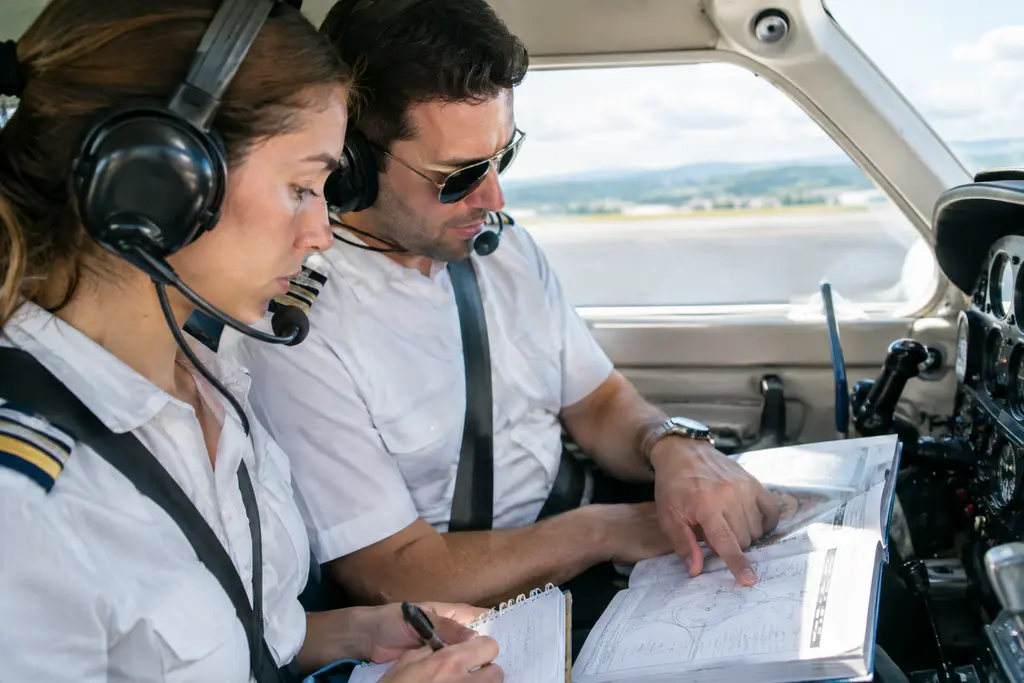
The Sport Pilot PTS changed in a targeted way after the FAA published its Sport Pilot Practical Test Standards Alignment final rule on September 14, 2026. For applicants, instructors, and flight schools, the practical effect was not a new certificate pathway or a new list of test areas. The shift centered on aligning sport pilot testing language with MOSAIC, updating aircraft eligibility references, and raising one key safety margin for slow flight and stall tasks. That makes the change practical rather than dramatic: training syllabi, aircraft selection, and checkride briefings needed careful review, but the core sport pilot test structure remained familiar.
What Changed In The Sport Pilot PTS
Sport Pilot PTS Timing And Scope
Confirmed change: the FAA’s final rule titled Sport Pilot Practical Test Standards Alignment was published on September 14, 2026, and aligned sport pilot testing standards with requirements adopted under MOSAIC, according to the U.S. Department of Transportation rule notice. The FAA stated that the action aligned practical test standards with the aircraft and operating framework already adopted under the broader sport pilot rule changes.
MOSAIC, short for Modernization of Special Airworthiness Certification, took effect on October 22, 2025. The FAA’s sport pilot information page states that MOSAIC changed the aircraft framework by removing previous weight and speed limits and using performance and design requirements under 14 CFR § 61.316 instead, as described by the FAA sport pilot page. For pilots, that means the checkride language had to catch up with aircraft privileges that were no longer tied to the older light-sport aircraft definition.
The updated practical test standards took effect on September 14, 2026. The affected documents included FAA-S-8081-29B for airplanes, rotorcraft, gyroplanes, and gliders; FAA-S-8081-30B for lighter-than-air categories; and FAA-S-8081-31B for powered parachute and weight-shift control categories. The research record confirms those documents remained publicly accessible through FAA training and testing resources after the change.
What Did Not Change
Confirmed change with limited scope: the FAA did not add new substantive testing processes or new areas of operation beyond those already tested under the existing practical test standards. That distinction matters for applicants who were close to a checkride on September 14, 2026. The Sport Pilot PTS updates were mainly alignment changes, not a wholesale rewrite of how applicants prove knowledge, risk management, and aircraft control.
Flight schools still needed to brief students on the new language because examiners could no longer rely on outdated aircraft references. Yet the training conversation stayed grounded in familiar checkride preparation: demonstrate safe aircraft control, understand limitations, manage risk, and meet the published standards for the category and class being tested. A related Pilot Pointer analysis of the sport pilot training safety update also tracks how the September 14, 2026 change affected test preparation.
Aircraft Eligibility And Test Planning
From Light-Sport Aircraft Language To Section 61.316
The most practical paperwork change involved aircraft eligibility. For sport pilot privileges in airplane and rotorcraft categories under section 61.316, applicants completing practical tests or proficiency checks needed to use an aircraft that met the applicable performance limits and design requirements. The older requirement tied to a “light-sport aircraft” was phased out for these purposes.
This change followed the broader MOSAIC framework. Under section 61.316, sport pilots gained access to aircraft features that had previously been unavailable under the old light-sport aircraft definition. The research record identifies retractable landing gear, manual controllable-pitch propellers, and certain four-seat airplanes as examples, while occupant capacity remained limited to two. That final point is essential for training operations: a qualifying aircraft’s seating capacity did not automatically expand the number of people a sport pilot could carry.
| Area | Before Alignment | After September 14, 2026 |
|---|---|---|
| Aircraft Reference | Older light-sport aircraft framework | Aircraft meeting section 61.316 performance and design requirements |
| Selected Aircraft Features | Retractable gear and manual controllable-pitch propellers were outside prior sport pilot aircraft access | Those features may be available when the aircraft meets the applicable requirements |
| Testing Structure | Existing sport pilot PTS areas of operation | No new substantive testing areas were added |
For a practical test, this placed more emphasis on early aircraft verification. A student who trained in one aircraft and tested in another needed to confirm that the test aircraft matched the updated sport pilot framework. Instructors also needed to account for equipment differences during preparation, especially when a student trained in aircraft with systems not commonly associated with pre-MOSAIC sport pilot operations.
Sport Pilot PTS Training Impacts
Slow Flight And Stall Recovery Altitude
The clearest flight maneuver change was the higher minimum recovery altitude for slow flight and stall tasks in the Airplane Category PTS. For Section 1, Tasks A, B, and C, the required minimum recovery altitude increased from 1,000 feet Above Ground Level to 1,500 feet AGL. This was a direct safety-margin change, and it deserved immediate attention in lesson plans, stage checks, and pre-checkride briefings.
For students, the training takeaway was straightforward: maneuver setup had to begin high enough to allow the task, recovery, and any examiner instruction without pressing against the minimum altitude. For instructors, the Sport Pilot PTS change meant reinforcing altitude awareness before the maneuver began rather than treating recovery altitude as a last-second callout. That adjustment was especially relevant for applicants who had practiced to the older 1,000-foot AGL reference and needed to reset their habits before a practical test.
Instructor And School Adjustments
Flight schools did not need to rebuild sport pilot training from the ground up, based on the research record. They did need to revise lesson notes, aircraft checkout guidance, and mock checkride profiles where those materials still reflected the older standards. A syllabus that mentioned the former altitude minimum or referred only to the old light-sport aircraft definition became outdated after September 14, 2026.
- Confirm the aircraft used for a practical test meets the applicable section 61.316 performance and design requirements.
- Brief the 1,500-foot AGL minimum recovery altitude for the affected airplane slow flight and stall tasks.
- Replace older light-sport aircraft wording in student handouts, checkride checklists, and instructor notes.
- Review whether retractable gear, manual controllable-pitch propeller, or four-seat aircraft features require added systems instruction for that aircraft.
Students and instructors exploring related topics might also visit Noir Whale, a site within the same network. Despite procedural changes, success in test preparation still hinges on understanding the relevant FAA standards and clarifying details during training sessions.
Compliance Steps For Sport Pilot Applicants

Before Scheduling The Practical Test
Applicants preparing after September 14, 2026 needed to treat the update as a checklist item early in training, not as a paperwork detail at the airport. The first step was identifying which practical test standard applied to the aircraft category. For airplanes, rotorcraft, gyroplanes, and gliders, that meant FAA-S-8081-29B. For lighter-than-air categories, it meant FAA-S-8081-30B. For powered parachute and weight-shift control categories, it meant FAA-S-8081-31B.
The next step was matching the aircraft to the test. Because the old light-sport aircraft requirement was phased out for the affected practical tests and proficiency checks, eligibility depended on the section 61.316 performance and design framework. This is where applicants should involve the instructor, school, and examiner early. The research record supports the rule change, but it does not provide a universal checklist for every aircraft model, so the aircraft-specific determination should be made through official records and current FAA standards.
During Checkride Preparation
In the final lessons before the test, the Sport Pilot PTS update should show up in maneuver planning. Slow flight and stall practice should include a pre-maneuver altitude plan that accounts for the 1,500-foot AGL recovery requirement. A student who can explain that margin during the oral portion and then demonstrate disciplined altitude planning in flight is better aligned with the updated standard.
For aircraft with retractable gear or manual controllable-pitch propellers, training should also cover the installed systems relevant to safe operation. The rule change expanded potential aircraft access, but it did not remove the pilot’s responsibility to operate the aircraft safely within its limitations. The Sport Pilot PTS remained a practical test of readiness, not just document knowledge.
Sport Pilot PTS After FAA Changes
The September 14, 2026 alignment brought sport pilot testing into step with MOSAIC without adding new substantive areas of operation. The most visible operational change was the 1,500-foot AGL minimum recovery altitude for selected airplane slow flight and stall tasks. The broader certification impact was the move away from the old light-sport aircraft reference toward aircraft that meet section 61.316 performance and design requirements.
For aspiring pilots, the smart response was not anxiety; it was preparation. Use the current PTS document for the correct category, verify the aircraft before scheduling, practice maneuvers with the new altitude margin, and make sure training materials no longer reflect the retired wording. That approach keeps the checkride focused where it belongs: safe aircraft control, clear risk management, and a current understanding of sport pilot privileges after the FAA’s 2026 alignment.