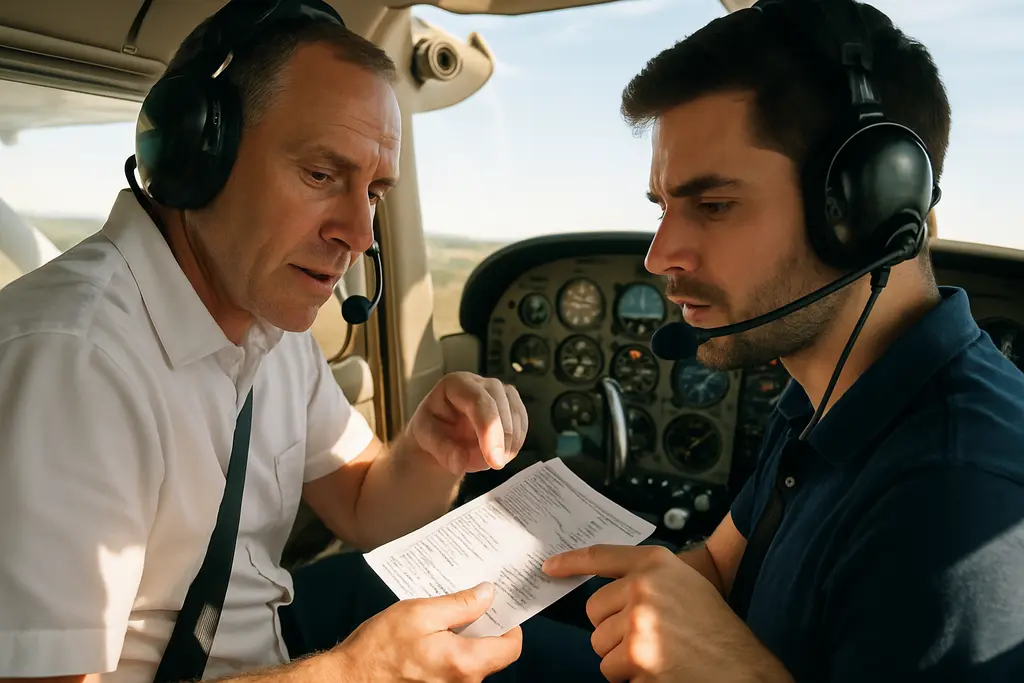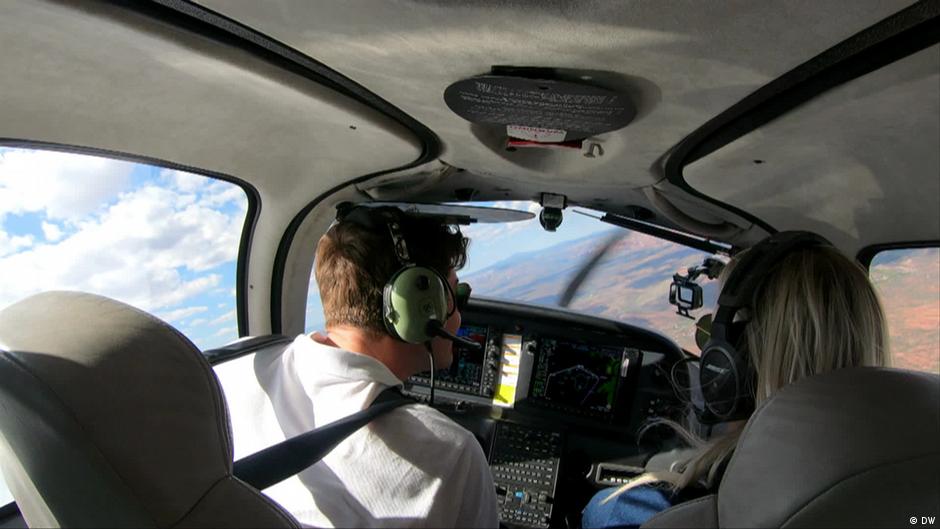
For student pilots and newly certificated private pilots, the traffic pattern can quickly become one of the busiest environments in aviation. Within a few minutes you may be monitoring airspeed, adjusting power, scanning for traffic, making radio calls, configuring the aircraft for landing, and preparing for the next turn in the pattern. When several aircraft are operating at the same airport, that workload increases even further. Learning how to manage this workload effectively is a core skill that every pilot develops early in training.
Busy traffic patterns are not unusual. Many training airports operate with multiple aircraft in the pattern simultaneously, especially during good weather and peak training hours. The FAA emphasizes that pilots operating in airport traffic patterns must maintain situational awareness, monitor other aircraft, and follow standard pattern procedures to maintain safe spacing and flow. (faa.gov)
The key to handling this environment is not working faster—it is working more organized.
Why Traffic Pattern Workload Increases So Quickly
The traffic pattern compresses several phases of flight into a short amount of time. Unlike cruise flight, where pilots may have long stretches between major tasks, pattern flying demands constant attention and timely decisions.
During a single circuit around the airport, a pilot may need to:
- Maintain pattern altitude and airspeed
- Monitor other aircraft in the pattern
- Configure flaps and power settings
- Communicate on the radio
- Track runway alignment
- Plan the landing
All of this often happens within a few minutes. When multiple aircraft are involved, the pace increases further because spacing and sequencing become critical.
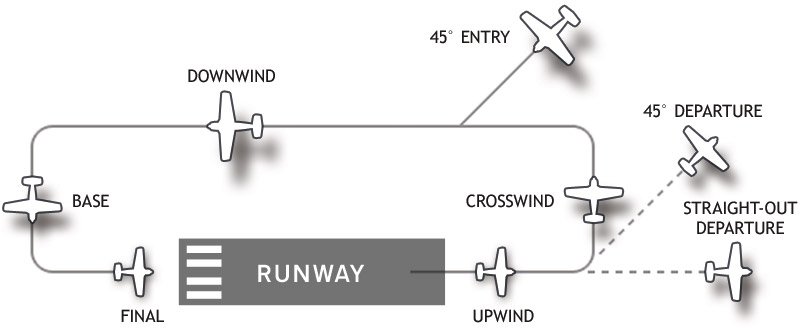
| Pattern Phase | Typical Tasks | Workload Level |
|---|---|---|
| Departure | Climb, maintain runway heading, traffic scan | Moderate |
| Crosswind | Traffic awareness, turn coordination | Moderate |
| Downwind | Checklist, spacing, configuration planning | High |
| Base | Descent, traffic spacing, runway alignment | High |
| Final | Stabilized approach and landing | High |
Recognizing when the workload will increase helps pilots stay ahead of the airplane.
Prioritize The Three Core Flying Tasks
One of the most effective tools pilots use to manage cockpit workload is the principle of aviate, navigate, communicate. This concept reflects the priority order pilots follow when multiple tasks compete for attention.
First, fly the airplane. Maintaining proper airspeed, altitude, and control always comes before everything else. Second, navigate the aircraft safely within the pattern and maintain proper positioning relative to the runway and other traffic. Third, communicate with other pilots or air traffic control.
If something unexpected happens—such as confusion on the radio or an aircraft appearing closer than expected—this priority order helps simplify the decision process. The airplane must always remain under control first.

Plan Each Pattern Leg Before You Reach It
Workload becomes manageable when pilots think one step ahead. Instead of reacting at the last moment, experienced pilots mentally prepare for the next task before it arrives.
For example, while flying the crosswind leg, a pilot should already be thinking about downwind spacing and checklist items. On downwind, the pilot should be planning the base turn and verifying runway alignment. This habit prevents the sudden rush of tasks that many student pilots experience when they fall behind the aircraft.
A helpful mental strategy is to briefly preview each leg of the pattern before reaching it.
| Pattern Leg | What To Think About Next |
|---|---|
| Departure | Crosswind turn and traffic scan |
| Crosswind | Downwind spacing and altitude |
| Downwind | Landing checklist and base turn |
| Base | Stabilized final approach |
| Final | Touchdown and go-around decision |
This forward-thinking approach keeps the workload distributed evenly throughout the pattern rather than concentrated in the final moments.
Use Checklists And Standard Procedures
Another way to reduce cockpit workload is by relying on consistent routines. Standard procedures—such as running a landing checklist at the same point on downwind—prevent tasks from being forgotten when the pattern becomes busy.
Most training aircraft use a simple memory aid such as a GUMPS check (Gas, Undercarriage, Mixture, Propeller, Seatbelts/Switches) during the downwind leg. Using the same routine each time reduces mental effort because the process becomes automatic.
Checklists are not only safety tools; they are also workload management tools. By following a structured sequence of tasks, pilots avoid scrambling to remember steps while also flying the aircraft.
Maintain Situational Awareness
In busy patterns, situational awareness is just as important as aircraft control. Pilots must keep track of where other aircraft are in the pattern and anticipate how spacing may change.
This awareness comes from several sources:
- Visual scanning outside the cockpit
- Listening carefully to radio transmissions
- Understanding the typical pattern flow
The FAA’s Aeronautical Information Manual notes that pilots should maintain vigilance for other aircraft and conform to established traffic pattern procedures to promote safe airport operations. (faa.gov)
By continuously updating their mental picture of the traffic pattern, pilots avoid surprises and reduce stress in busy environments.
Keep Radio Calls Short And Clear
Radio communication is another area where pilots can either increase or reduce their workload. Long or complicated transmissions create unnecessary distractions during critical phases of flight.
Short, standard phraseology works best in busy patterns. A clear position report allows other pilots to understand where you are without requiring them to process extra information.
For example, a concise call such as “Cessna 123AB left downwind Runway Two-Seven” communicates the most important information quickly and clearly.
If you want a deeper look at improving cockpit communications, PilotPointer’s student pilot ATC communication guide explains how clear radio habits can make busy traffic patterns easier to manage.
Know When To Go Around
One of the most important workload management tools is the willingness to perform a go-around. If the approach becomes unstable, spacing disappears, or the runway environment feels rushed, a go-around allows the pilot to reset and reenter the pattern safely.
New pilots sometimes hesitate to go around because they feel pressure to complete the landing. In reality, experienced pilots treat go-arounds as normal and responsible decisions.
Choosing to go around early often reduces workload dramatically because it restores time and spacing in the pattern.
Practice Builds Confidence In Busy Patterns
Handling busy traffic patterns becomes easier with repetition. As pilots gain experience, many tasks—such as radio calls, configuration changes, and pattern navigation—become automatic.
That familiarity frees mental capacity for higher-level tasks such as traffic awareness and decision making. Over time, the same environment that once felt overwhelming becomes routine.
Training flights often intentionally include pattern work for this reason. Repeating these short circuits allows pilots to practice managing workload in a structured and controlled environment.
Frequently Asked Questions
Why Do Traffic Patterns Feel So Busy For Student Pilots?
Traffic patterns compress many tasks into a short time frame. Students are learning new skills while also monitoring traffic, communicating on the radio, and preparing for landing.
What Is The Best Way To Reduce Workload In The Pattern?
Planning ahead is one of the most effective strategies. Thinking about the next step before reaching it helps distribute tasks throughout the pattern.
Should Pilots Focus More Inside Or Outside The Cockpit?
Most of a pilot’s attention should remain outside the cockpit during pattern operations to maintain traffic awareness and runway alignment.
When Should A Pilot Go Around In A Busy Pattern?
A go-around should be performed whenever the approach becomes unstable, spacing is unsafe, or the pilot feels rushed or uncertain.
Final Takeaway
Busy traffic patterns are one of the best training environments for developing strong pilot habits. By prioritizing aircraft control, planning ahead, using consistent procedures, and maintaining situational awareness, pilots can manage even complex traffic situations with confidence. What initially feels overwhelming gradually becomes routine as experience builds and workload management becomes second nature.