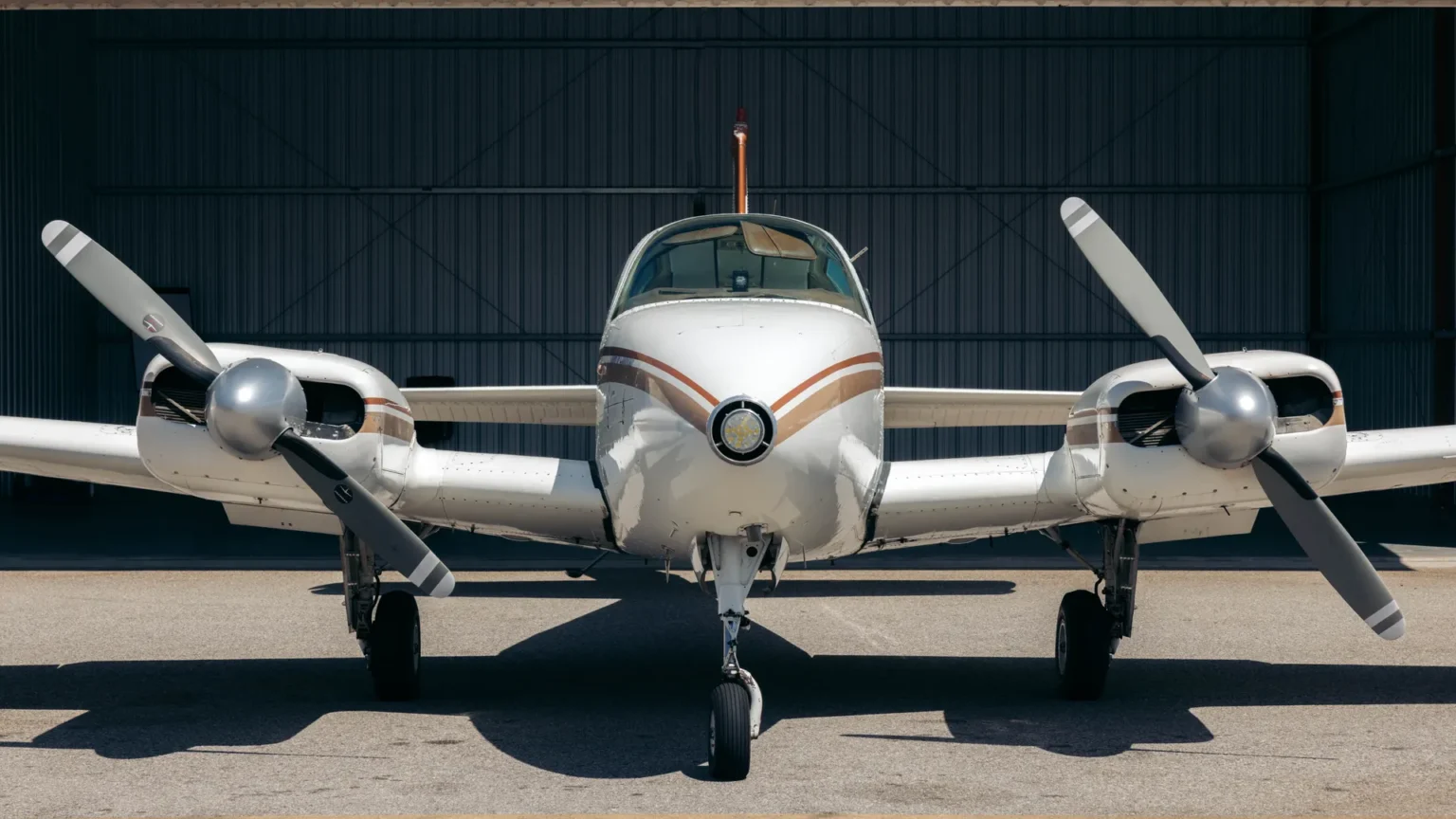
Advancing to the airlines or corporate flight departments requires commanding aircraft with multiple engines. A multi-engine rating acts as the definitive bridge between basic flight training and professional, multi-crew aircraft operations. Adding a second engine provides redundancy over hostile terrain, but it introduces severe aerodynamic hazards if one of those engines fails in flight. Earning this add-on to your private or commercial certificate shifts your focus from basic altitude management to extreme emergency system control. Pilots must approach this training with a highly analytical mindset, ready to react to sudden yaw and roll forces that simply do not exist in standard single-engine airplanes.
The Aerodynamics Of Asymmetric Thrust
When both engines operate normally, a light twin-engine aircraft climbs faster and cruises at higher altitudes than its single-engine counterparts. The exact moment an engine fails, the entire aerodynamic profile collapses. The operating engine continues producing massive forward thrust. At the exact same time, the dead engine transforms into a heavy block of parasitic drag. This imbalance creates immediate, violent yaw in the direction of the dead engine. If the pilot fails to apply heavy rudder pressure against the operating engine, the yaw develops into an unrecoverable roll. You must maintain minimum controllable airspeed (Vmc) at all costs; dropping below this airspeed guarantees a total loss of directional control. For a highly detailed breakdown of these exact aerodynamic forces, you can study the official FAA Airplane Flying Handbook section regarding twin-engine operations.
Identifying The Critical Engine
Not all engine failures create the exact same level of danger. Conventional twin-engine aircraft feature propellers that both rotate clockwise when viewed from the cockpit. The descending propeller blade sits further from the aircraft’s longitudinal axis on the right engine, producing a longer thrust arm. This physical reality makes the left engine the critical engine. Losing the critical engine creates the most adverse yaw and demands the highest amount of physical rudder pressure to keep the airplane flying straight. Instructors drill engine failure scenarios repeatedly until identifying and verifying the dead engine becomes pure reflex. The physical coordination required here builds directly on the stick-and-rudder foundation you established while preparing for your first solo flight success.

Training Timelines And Checkride Expectations
Primary training programs drag on for months. Flight schools treat the multi-engine rating as a highly accelerated add-on. Many programs pack the entire ground school and flight syllabus into an intense seven-to-ten-day window. You spend very little time practicing normal takeoffs and landings. The syllabus focuses entirely on single-engine operations, emergency descents, and advanced systems management.
| Training Focus | Single-Engine Aircraft | Multi-Engine Aircraft |
| Primary Emergency | Finding a safe landing spot. | Maintaining directional control and Vmc. |
| Systems Management | Basic electrical and fuel feed. | Cross-feeding fuel and feathering propellers. |
| Checkride Emphasis | Standard maneuvers and navigation. | Asymmetric thrust management and engine securing. |
The checkride requires you to demonstrate an engine failure during takeoff, approach, and cruise phases. The examiner wants to see you decisively pitch for the single-engine best rate of climb speed (Vyse), identify the correct failing engine, and simulate feathering the propeller without hesitation. You can review the exact testing tolerances required for this add-on certificate by referencing the Airman Certification Standards published by federal regulators.
Securing Your Professional Credentials
Securing a multi-engine rating completely changes how you operate an aircraft. It demands faster reaction times and a deep respect for aerodynamic limitations. Passing this checkride proves you possess the mechanical comprehension and physical skill to manage asymmetrical emergencies safely. Earning this sign-off clears the final major training hurdle, allowing you to transition directly into heavy turbine equipment and professional flight deck roles.