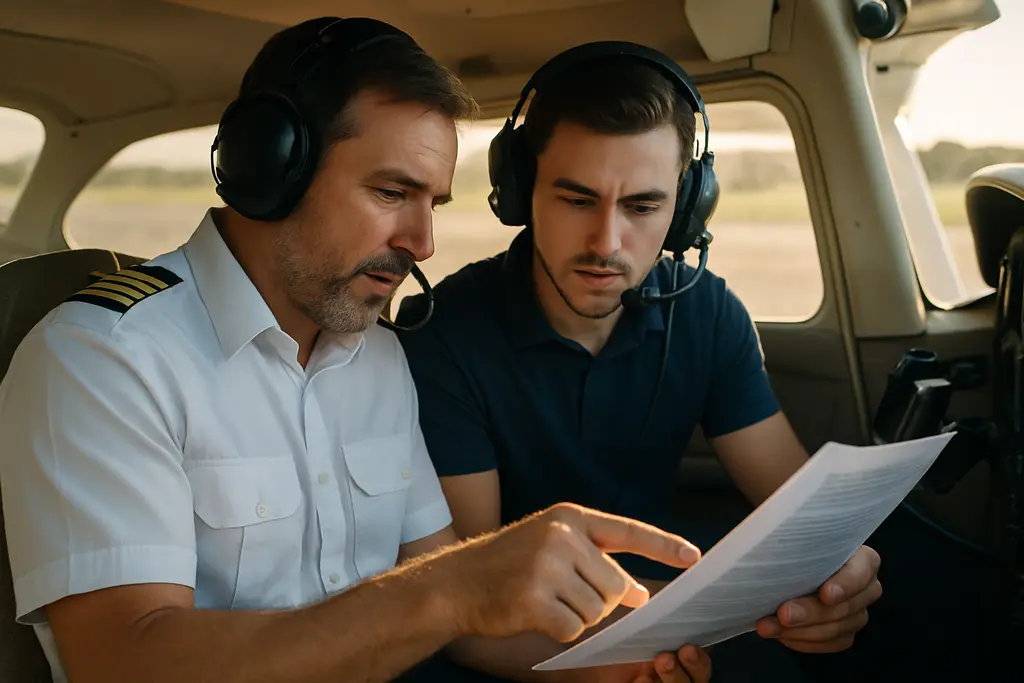
Graduating from unpressurized piston trainers to turbine-powered aircraft introduces a completely different physiological operating environment. Climbing above twenty-five thousand feet requires specialized training to manage the physical threats of a thin atmosphere. To act as pilot-in-command of a pressurized aircraft capable of reaching these altitudes, federal law mandates a specific high-altitude endorsement. This logbook sign-off confirms you possess the theoretical knowledge and practical physical skills to survive a massive systems failure in the flight levels. As you progress through your advanced pilot certifications, earning this endorsement acts as a mandatory prerequisite for operating regional jets, corporate turboprops, and advanced technically advanced aircraft. You can review the exact regulatory text governing this training requirement directly within the Electronic Code of Federal Regulations under Part 61.31.
Aeromedical Factors And Hypoxia Recognition
At thirty thousand feet, the atmospheric pressure drops so low that human lungs cannot absorb enough oxygen to sustain consciousness. Ground school for this endorsement focuses heavily on recognizing the insidious onset of hypoxia. Unlike a sudden mechanical failure, oxygen deprivation attacks your cognitive functions first. Pilots suffering from hypoxia routinely experience a false sense of euphoria, failing to recognize their own impairment until they lose consciousness entirely.
A key metric taught during this phase is the Time of Useful Consciousness (TUC). This represents the exact amount of time you have to recognize a depressurization event and don your oxygen mask before you can no longer take corrective action. The Federal Aviation Administration Civil Aerospace Medical Institute conducts extensive altitude chamber research to establish these baseline biological limits.
| Flight Altitude | Approximate Time Of Useful Consciousness |
| 22,000 feet | 5 to 10 minutes |
| 25,000 feet | 3 to 5 minutes |
| 30,000 feet | 1 to 2 minutes |
| 35,000 feet | 30 to 60 seconds |
| 40,000 feet | 15 to 20 seconds |
Mastering Pressurization Systems And Decompression
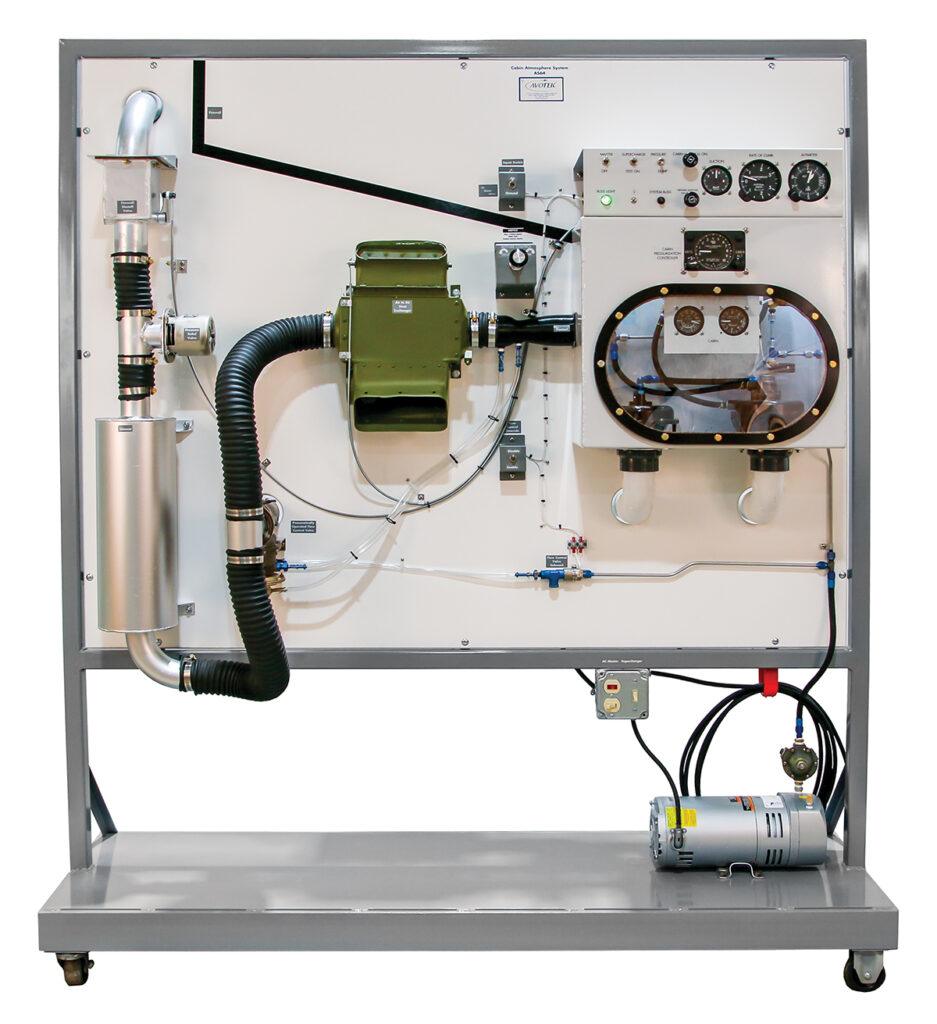
Surviving the flight levels requires a deep mechanical comprehension of how an aircraft maintains a livable cabin pressure. Turbine engines compress incoming air, bleed a portion of that hot air off, cool it, and pump it directly into the sealed fuselage. An outflow valve located at the rear of the aircraft regulates how much of that air escapes back into the atmosphere. The high-altitude endorsement teaches you how to manually manage this outflow valve if the automated controllers fail.
Instructors train you to recognize the physical signs of rapid decompression, which occurs when a door seal fails or a window shatters. The cabin fills with fog as the sudden pressure drop instantly condenses the ambient humidity. Your ears pop violently, and loose debris flies at the breach. By studying real-world depressurization incidents compiled by the National Transportation Safety Board, you learn to anticipate this physical chaos and react with mechanical precision rather than panic.
Executing Emergency Descents
When the cabin loses pressure, your immediate priority shifts to getting the aircraft down to ten thousand feet as fast as aerodynamically possible. The flight portion of the endorsement forces you to demonstrate a maximum-rate emergency descent. You must instantly don your oxygen mask, establish crew communication, pull the thrust levers to idle, and deploy the speed brakes.
Pitching a heavy aircraft straight down without causing structural damage requires absolute airspeed control. You must ride the edge of the maximum operating limit speed (Vmo/Mmo) without exceeding it. Pulling back too aggressively to level off at the bottom of the descent risks overstressing the airframe with excessive G-forces. Completing this training builds the muscle memory necessary to execute this aggressive maneuver safely, protecting you and your passengers when the aircraft pressurization system unexpectedly fails.