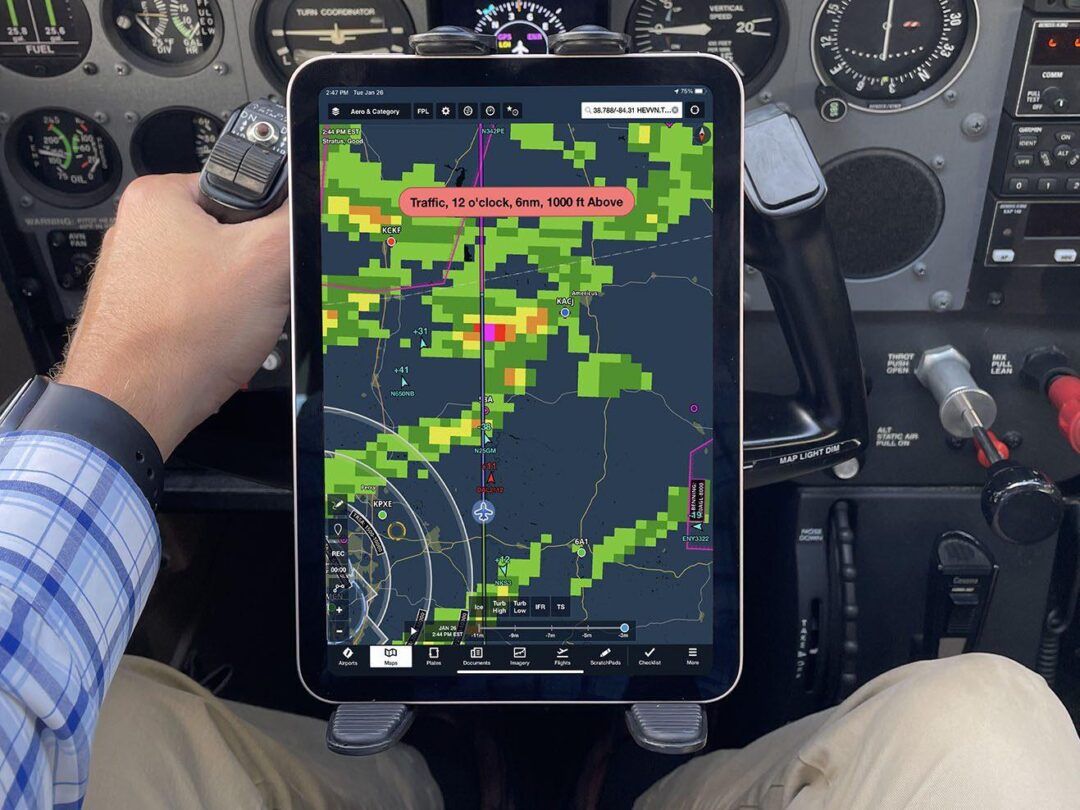
Combining the freedom of general aviation with the excitement of a championship sports weekend is one of the ultimate perks of holding a pilot certificate. Skipping long airport security lines and highway gridlock to land at a local airfield near the stadium feels like an unmatched travel luxury. However, flying your aircraft to a major sports getaway requires far more than just punching GPS coordinates into your flight deck display and taking off.
For general aviation aviators, flying into the Super Bowl, the Formula 1 Grand Prix, or a major college football rivalry transforms a typical cross-country trip into a complex operational mission. While sports enthusiasts spend their pre-game downtime analyzing match statistics or reviewing offshore vs regulated sportsbooks before making their picks, pilots must direct that same analytical focus toward managing reservation slots, ramp fees, and ground logistics. Ground congestion, temporary airspace restrictions, and surging fuel prices mean that success hinges entirely on thorough, advance flight planning.
Evaluating a sports fly-in requires looking beyond basic weather forecasts and runaway lengths. You must account for specialized Air Traffic Control (ATC) traffic management programs, severe ramp saturation at surrounding airports, and rigid departure windows after the final whistle. Understanding how to navigate these operational hurdles before turning the ignition key is essential for executing a stress-free game-day arrival.
Navigating Event TFRs And Special Air Traffic Procedures
The most critical operational factor when planning a stadium arrival is the existence of temporary flight restrictions. Federal regulations mandate a continuous Temporary Flight Restriction (TFR) around major sporting events, typically establishing a three-nautical-mile radius from the stadium extending up to 3,000 feet above ground level. Operating an aircraft near or through these restricted areas without specific ATC authorization can lead to severe FAA enforcement actions or fighter jet interceptions.
Beyond standard stadium TFRs, the FAA frequently institutes a Special Traffic Management Program (STMP) for marquee national events. These programs require pilots to obtain a specific arrival and departure slot time before filing an IFR flight plan or entering controlled airspace. Attempting to arrive without a confirmed reservation often results in extensive airborne holding patterns or mandatory vectors to an alternate airport miles away from your destination.
Checking real-time advisories published by the FAA Air Traffic Control System Command Center is the best way to verify whether special routing procedures, preferred departure routes, or slot reservations are active for your intended destination. Properly preparing for these complex routing structures is vastly easier when you maintain a high level of proficiency in understanding VFR vs IFR flight rules and specialized ATC clearances.
Securing FBO Reservations And Managing Ramp Fees
During a major sporting weekend, the regional airports closest to the venue experience an overwhelming surge in traffic. Fixed-Base Operators (FBOs) quickly reach physical ramp capacity, forcing them to implement mandatory reservation systems for all transient aircraft. Calling the FBO weeks—or even months—in advance is often necessary to secure a parking spot, arrange tie-downs, and confirm fuel availability.
Pilots must also prepare for significant event-based fee surcharges. FBOs frequently impose special event fees, facility charges, and higher fuel prices to offset their increased staffing and ground handling costs. If you simply land without a reservation, you may face astronomical landing fees or be turned away at the taxiway due to a lack of parking space.
Event Logistics Checklist At A Glance
| Operational Category | Key Planning Action | Common Pitfall To Avoid |
| Airspace & Routing | Monitor NOTAMs for STMP slot requirements and stadium TFRs | Assuming standard IFR routing will be granted without a confirmed slot time |
| FBO & Ground Parking | Book ramp space and ground transportation months in advance | Arriving unannounced expecting overnight tie-down space on a saturated ramp |
| Post-Game Departure | Pre-pay event fees and complete pre-flight checks before kickoff | Getting caught in a two-hour gridlock on the ramp during the post-game departure rush |
Game-Day Flight Planning And Departure Strategy
Arriving safely at the airfield is only half the battle; getting back home requires equal operational discipline. The departure period immediately following a major event is notoriously chaotic. Dozens of aircraft simultaneously start engines, request taxi clearances, and attempt to depart from a single runway, leading to extensive ground delays and wasted fuel while idling on the ramp.
To mitigate this departure gridlock, experienced cross-country aviators complete their pre-flight inspection, pre-pay all FBO event fees, and settle their fuel invoices prior to heading to the stadium. When returning to the airport after the game, your aircraft is fully prepped for departure, allowing you to quickly obtain your clearance and take your spot in the departure queue before the primary wave of traffic hits the ramp.
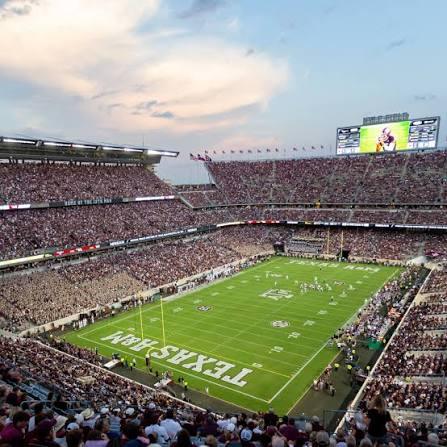
Final Thoughts
Flying your plane to a major sporting event is a uniquely rewarding capability of general aviation, but it demands meticulous preparation and heightened situational awareness. It requires looking beyond basic navigation logs and actively managing the complex web of airspace restrictions, airport reservations, and ground logistics that accompany large crowd gatherings.
For the modern aviator, a successful sports getaway is built on proactive communication with FBOs, strict adherence to FAA traffic management programs, and a flexible mindset. Take the time to secure your slot times early, double-check your event NOTAMs, and build generous fuel reserves into your flight planning. When you execute a seamless arrival and departure amidst a high-density traffic environment, you earn a smooth flight home and an unforgettable sporting experience.