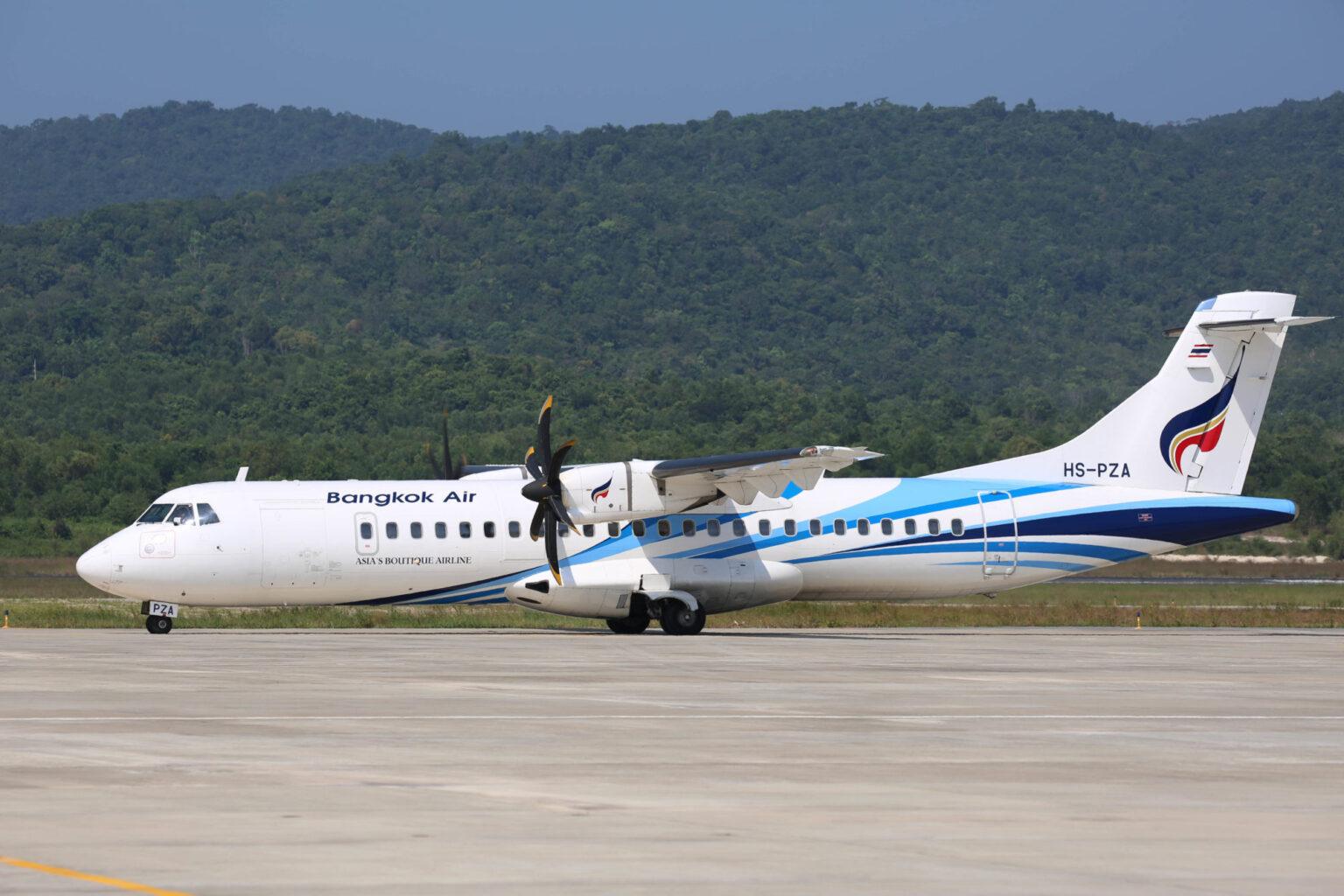
Earning a spot in the right seat of a regional jet marks a massive financial turning point. Years of paying out of pocket for flight training finally transition into receiving a professional paycheck. Today’s compensation packages look completely different than the low wages regional pilots accepted a decade ago. Recent contract negotiations completely restructured the entry-level pay scale. Tracking exact earnings requires looking past the base salary and analyzing how airlines calculate block hours, per diem, and training pay. Reviewing the latest employment statistics published by the Bureau of Labor Statistics confirms that starting a career in commercial aviation now provides immediate financial stability. You must analyze these pay structures carefully to budget for your first year on the line.
Hourly Rates And The Monthly Guarantee
Airlines do not pay their flight crews a flat yearly salary. Your paycheck depends directly on an hourly flight rate multiplied by the hours you spend operating the aircraft. In 2026, a first-year regional first officer typically earns an hourly rate ranging from ninety to one hundred and five dollars per hour. Schedulers cannot always guarantee you will fly a full schedule during slow travel seasons.
To protect your income, pilot contracts include a minimum monthly guarantee. The company must pay you for a set number of hours every month, usually between seventy and seventy-five hours, regardless of how much you actually fly. If weather cancels your trips and you only fly fifty hours, the airline still pays you the seventy-five-hour minimum. You can review standard pilot contracts and work rules managed by the Air Line Pilots Association to see exactly how these minimum guarantees protect your baseline income.

Per Diem And Untaxed Income
Flight crews spend massive amounts of time away from home. To offset the cost of eating in airports and hotels, airlines pay a strict hourly per diem rate. This rate activates the exact minute you check in for a trip at your home base and runs continuously until you return. A standard domestic per diem rate hovers around two dollars per hour.
A four-day trip easily generates over eighty hours of continuous per diem pay. This money arrives in your account untaxed, adding hundreds of dollars to your monthly take-home pay. Pilots use this tax-free allowance to cover meal expenses, often packing their own food using specialized coolers found in our recommended aviation resources to pocket the remaining cash.
| Pay Category | Calculation Method | Estimated First-Year Value |
| Base Flight Pay | Hourly rate × Monthly guarantee (75 hours) | $80,000 – $95,000 annually |
| Per Diem | Hourly rate away from base × Total hours away | $4,000 – $6,000 annually |
| Signing Bonus | Lump sum paid upon training completion | $15,000 – $40,000 one-time |
Signing Bonuses And Retention Incentives
Regional carriers compete fiercely for qualified aviators. To attract candidates who hold the required 1,500 flight hours, recruiters offer massive signing bonuses. These cash incentives range from fifteen thousand to over forty thousand dollars. The airline typically distributes this money in staggered payments. You receive a portion after passing your initial simulator checkride and the remainder after completing your first year of line flying.
Accepting a bonus ties you to a strict legal contract. Leaving the airline before your contract expires forces you to repay the bonus out of pocket. You must evaluate these financial traps carefully before signing an initial offer letter. You can track current regional hiring trends and bonus structures through industry advocacy groups like the Regional Airline Association to compare offers between competing carriers.
Hidden Costs And Commuter Expenses
Your gross income looks impressive on paper. Your actual take-home pay shrinks quickly after mandatory deductions. Pilots pay union dues, mandatory uniform fees, and standard medical insurance premiums.
The biggest financial drain hits pilots who choose to live outside their assigned domicile. Commuting by air forces you to rent a bed in a crashpad, adding hundreds of dollars in monthly rent to your budget. You must calculate these hidden living expenses before you bid for a base assignment. Living in base maximizes your paycheck and preserves the financial gains you secured by finally reaching the professional flight deck.