Modern pilot competencies are not limited to stick-and-rudder control. A safe pilot has to connect aeronautical knowledge, regulatory discipline, communication, medical readiness, aircraft systems awareness, and sound decision-making under pressure. That mix matters from the first student pilot application through advanced endorsements and professional training. The certification path gives structure, but the quality of a pilot’s habits determines how well that structure holds up in real operations.
How Modern Pilot Competencies Shape Training
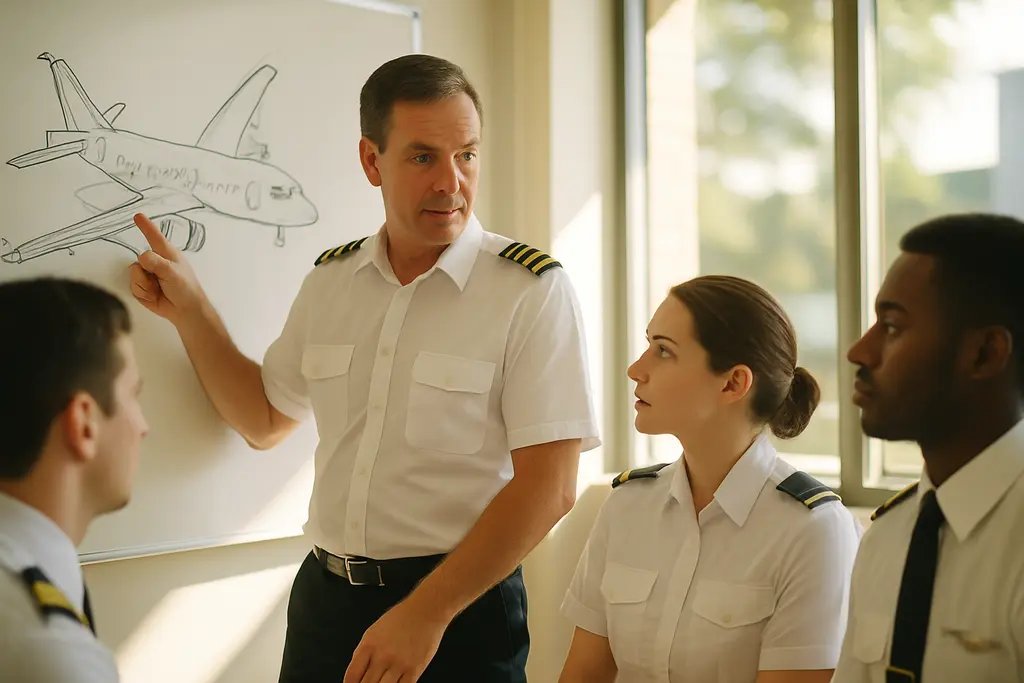
Training for a certificate is often described through minimum hour requirements, written exams, and checkride tasks. Those items are real checkpoints, yet they do not fully describe readiness. A student may meet the minimum training time and still need more practice before operating safely as pilot in command. That is why instructors look at performance patterns: how consistently the student plans, communicates, manages workload, responds to changing weather, and corrects errors before they grow.
For the private pilot certificate, the research notes a minimum of 40 flight hours, including at least 20 hours of flight training and 10 hours of solo flight. The same notes state that average completion time in the United States is about 75 hours. That difference is worth taking seriously. Minimums define eligibility; proficiency defines practical readiness. Students who budget only for the minimum may place unnecessary pressure on themselves and their instructors, especially if weather delays, aircraft availability, or skill plateaus extend training.
Modern Pilot Competencies In The Training Record
A strong training record should show more than completed lessons. It should show progress in judgment, workload management, and communication. If a student repeatedly struggles with airspace planning, radio calls, or stabilized approaches, those areas should be treated as competency gaps rather than isolated lesson notes. This approach connects well with competency-based pilot safety, where targeted practice helps strengthen weak areas before they become operational risks.
Modern pilot competencies also change how students should evaluate their own progress. A polished steep turn does not cancel out poor weather planning. A confident radio voice does not replace aircraft performance knowledge. Certification requires a balanced skill set, and that balance is what prepares a pilot to make calm decisions when a flight no longer matches the original plan.
Aeronautical Knowledge And Regulatory Discipline
Aeronautical knowledge forms the decision base for every flight. The research identifies regulations, airspace classifications, weather effects, aircraft performance, emergency procedures, and aeronautical decision-making as key knowledge areas. These are not separate academic boxes. A cross-country decision, for example, may require weather interpretation, fuel planning, performance calculations, airspace review, and a clear plan for diverting if conditions deteriorate.
The FAA’s remote pilot pathway also highlights how aviation authorities connect certification with aeronautical knowledge, operating rules, and ongoing knowledge currency through FAA remote pilot certification. While unmanned aircraft operations differ from airplane training, the training principle is familiar: a pilot must understand the operating environment before exercising certificate privileges.
Weather, Airspace, And Performance
Weather knowledge often separates a legal flight from a smart flight. A pilot who can read a briefing but cannot connect the information to aircraft performance, terrain, daylight, and personal limits is still exposed. Airspace knowledge has a similar practical dimension. It is not enough to memorize classifications; a pilot has to plan entries, communication requirements, equipment needs, and alternate routing before the airplane is moving.
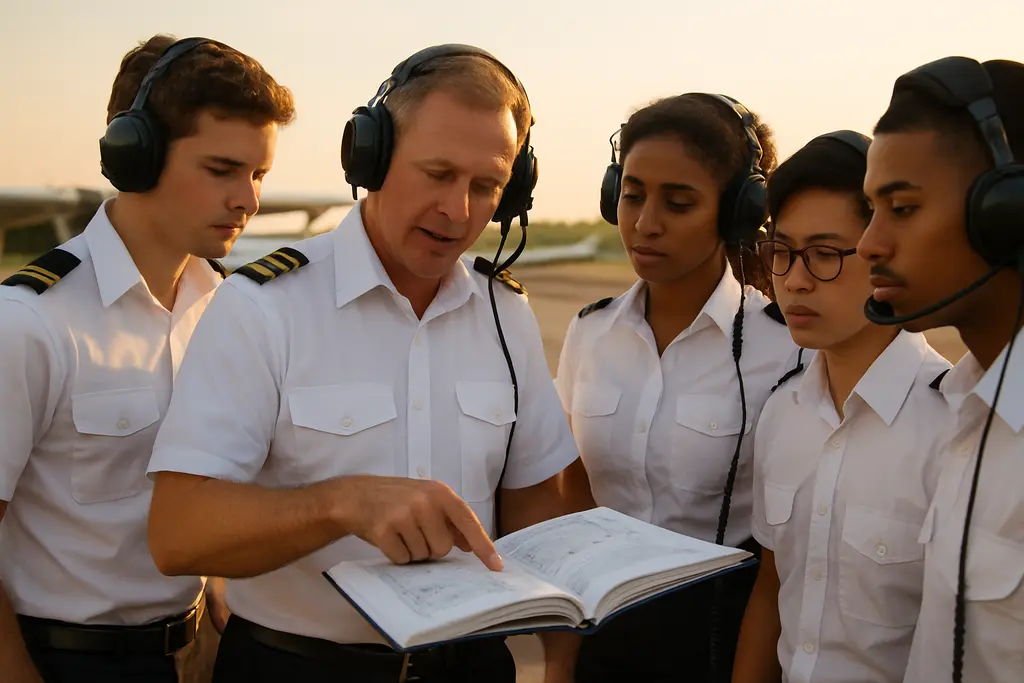
Aircraft performance knowledge becomes especially important as training moves beyond familiar local flights. Density altitude, runway length, aircraft weight, and climb performance can affect whether a departure is sensible. A pilot who treats performance charts as paperwork rather than decision tools may pass an exam but still build weak habits. The best training programs keep these calculations connected to real go/no-go decisions.
Certificates, Medical Standards, And English Proficiency
Certification readiness also includes personal eligibility. The research notes that a student pilot certificate generally requires a minimum age of 16, or 14 for gliders or balloons. It also notes that pilots must be able to read, speak, write, and understand English. These requirements support communication across instructors, air traffic control, written testing, aircraft manuals, and emergency procedures.
Medical certification should be addressed early, not after major training expenses have already been paid. The research states that pilots must obtain a medical certificate to ensure physical and mental fitness for aircraft operation. A student planning a long-term aviation career should ask an instructor or aviation medical examiner about the right timing before committing to an accelerated schedule. For students comparing certificates, ratings, and career sequencing, this student-to-CPL career path offers a useful way to see how early decisions affect later training steps.
Flight Skill, Systems Management, And Emergencies

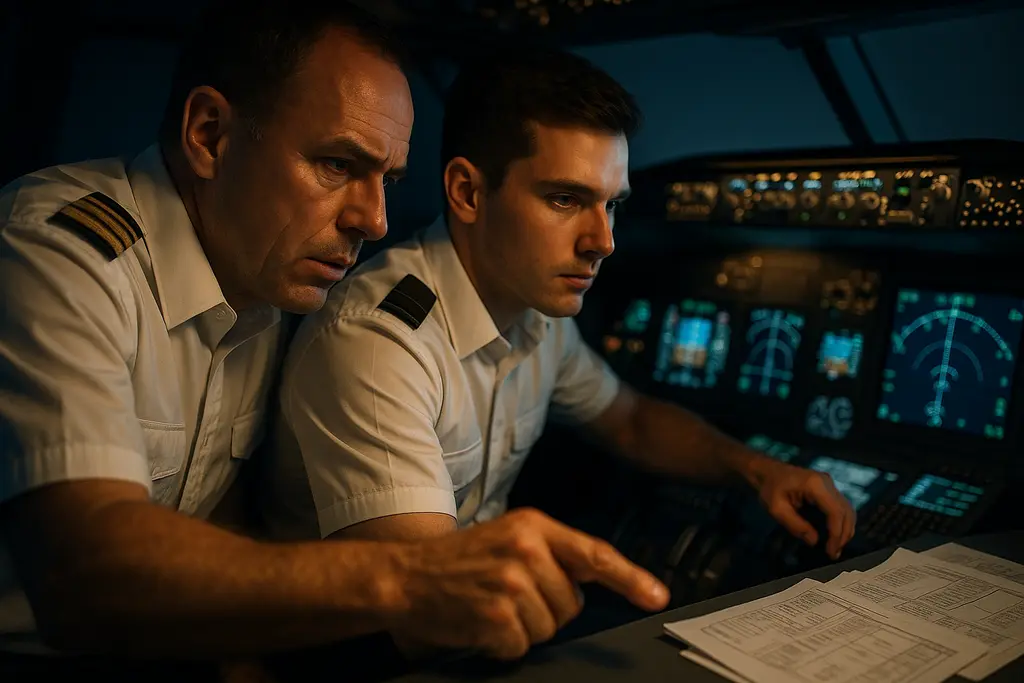
Aircraft control remains central to pilot training, but modern cockpits demand more than hand-flying skill. Pilots have to manage avionics, checklists, traffic awareness tools, radios, navigation sources, and aircraft limitations while still keeping the airplane stable. Technology can support situational awareness, yet it can also add workload when a pilot does not understand modes, data entry, alerts, or backup procedures.
Technological adaptability should be trained as a practical habit. A pilot should know when automation is helping, when it is distracting, and when to return to simpler methods. That includes maintaining basic navigation and attitude control skills if a display fails or if an unexpected avionics setting creates confusion. Competence is not shown by using every available feature; it is shown by choosing the right level of tool use for the phase of flight.
From Minimum Hours To Readiness
The gap between minimum hours and average completion time is not a sign of failure. It is a normal feature of skill development. Some students need extra time for landings, some need more cross-country planning practice, and some need repeated exposure to towered airport communication. The key is to identify the reason for added time, then train with purpose instead of simply repeating flights.
Modern pilot competencies give students a better way to measure readiness. Ask whether you can explain a weather decision, brief an emergency, recover from a planning error, and maintain aircraft control while communicating. If the answer depends on perfect conditions, more training is reasonable. A certificate should represent repeatable performance, not one strong day in the airplane.
Emergency Preparedness And Aircraft Systems
The research identifies safety and emergency preparedness as essential. Emergency training is not just memorizing engine-failure steps. It requires a pilot to aviate first, select a suitable landing area, troubleshoot within available time, communicate clearly, and protect passengers. The best emergency practice is scenario-based because real problems rarely arrive in a clean classroom format.
Aircraft systems knowledge becomes more demanding as pilots move into aircraft with higher performance or added equipment. The research notes that proficiency may include systems such as manual controllable pitch propellers and retractable landing gear under updated sport pilot regulations effective October 22, 2025. Regardless of certificate category, the training lesson is clear: new equipment changes workload, procedures, and failure modes. Pilots should treat endorsements and transition training as safety investments, not mere paperwork.
- Review aircraft performance before every flight, not only before checkrides.
- Practice radio communication until it can be handled without losing aircraft control.
- Use avionics deliberately, with a backup plan for failures or incorrect settings.
- Brief emergency actions before takeoff so the first response is not improvised.
Recurrent Training And Modern Pilot Competencies
Training does not stop at certification. The research notes a 24-month recurrent training expectation to maintain aeronautical knowledge and stay current with regulations and procedures. For any pilot, the principle is sound: knowledge fades, rules change, and personal habits can drift. Recurrent training gives pilots a scheduled opportunity to correct weak areas before they appear during a demanding flight.
Modern pilot competencies should be reviewed during recurrent training with the same seriousness used before a checkride. A pilot can ask: Have my weather minimums changed? Am I still comfortable with manual flying? Do I understand my avionics after software or equipment changes? Have I practiced emergency procedures recently? These questions turn recurrent training into a practical safety review rather than a calendar obligation.
There is also a lifestyle benefit for aspiring pilots. Clear competency goals reduce uncertainty and help students plan training time, finances, and study habits. Readers exploring aviation-related content across interconnected sites might find SiteBob to be a valuable reference for comprehensive resource links within the network. For pilot training itself, the strongest plan remains simple: build knowledge early, train weak areas honestly, protect medical and regulatory eligibility, and keep learning after the certificate is issued.
The safest pilots are not defined by one exam score or one checkride result. They are defined by repeatable decisions, disciplined preparation, clear communication, and the humility to keep training. That is the standard modern pilot competencies are meant to support.