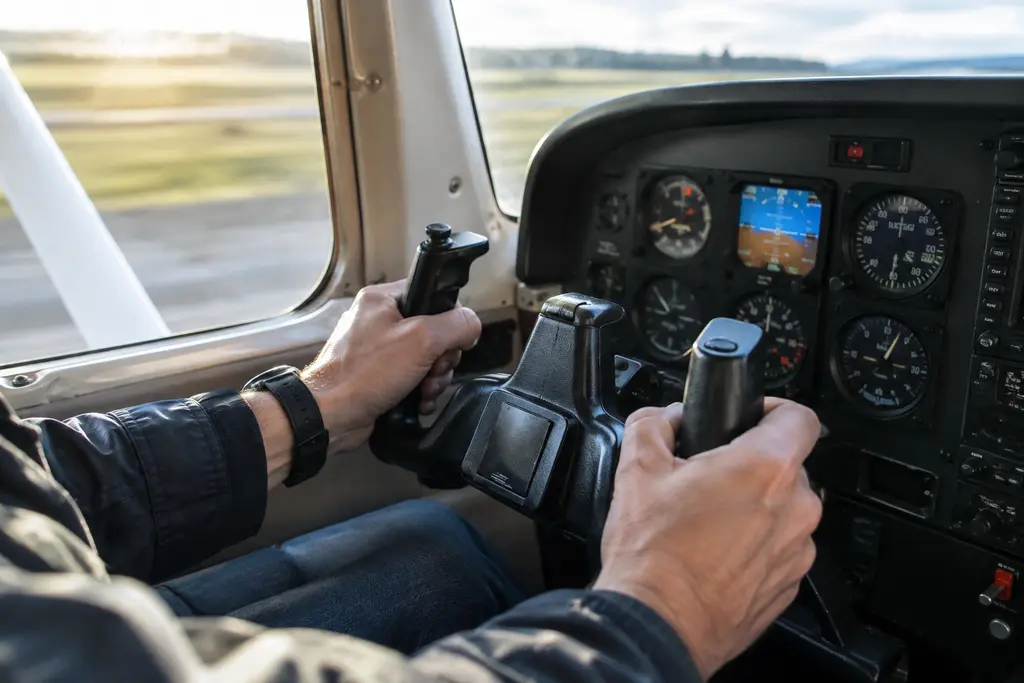
Light-Sport Aircraft Regulations changed significantly after the FAA’s MOSAIC final rule, giving sport pilots, instructors, repairmen, and training providers a wider set of aircraft and operational choices. Confirmed by the FAA, MOSAIC affected aircraft design, manufacture, airworthiness certification, operation, and pilot certification after the final rule was published on July 24, 2025. For students and certificate holders, the practical value is not just broader access to aircraft; it is the need to plan training, endorsements, medical eligibility, and practical test preparation around dates that have already taken effect.
What Changed Under Light-Sport Aircraft Regulations
Light-Sport Aircraft Regulations Timeline
The central confirmed timeline began with the FAA’s publication of the Modernization of Special Airworthiness Certification final rule on July 24, 2025. The FAA later described MOSAIC as an overhaul affecting light-sport category aircraft and sport pilot privileges, including certification, operations, and maintenance pathways on the FAA MOSAIC page. On October 22, 2025, sport pilot and flight instructor privileges expanded. On July 24, 2026, the older regulatory definition of “Light-Sport Aircraft” in 14 CFR § 1.1 was removed, and certification shifted to the Part 22 consensus-standards structure.
That timing matters because a pilot training plan written before October 22, 2025, may no longer reflect the aircraft and operational options now available. These Light-Sport Aircraft Regulations widened the types of aircraft connected to the light-sport category, including aircraft with retractable landing gear, controlled-pitch propellers, multiple engines, and any powerplant type other than turbo-jet. The research also confirms that airplane category light-sport aircraft may include four-seat airplanes, although sport pilots remain limited to carrying only one passenger.
Aircraft Capability And Pilot Limits
The performance shift is especially relevant for training fleets. Under MOSAIC, the sport pilot operating rule in § 61.316 broadened the clean stall speed limit for airplanes from 45 KCAS to 59 KCAS. That change can place a larger group of aircraft within the training discussion. It does not erase the operational responsibilities attached to the sport pilot certificate, and it does not create full commercial carriage authority.
Confirmed MOSAIC opportunities also included limited aerial work using light-sport category aircraft, such as banner towing, photography, and inspections, subject to § 91.327 operating limitations. The rule did not permit carriage of passengers or cargo for hire under full compensation or hire. That distinction should shape how schools explain career expectations to students. A sport pilot certificate can become a lower-cost entry point into aviation, but it is still not the same credential as a private pilot certificate, commercial pilot certificate, or instructor pathway under other parts of the certification system.
Certification Openings For Sport Pilots
Night Flying Endorsements
One of the most visible confirmed changes was night operation for sport pilots. Under MOSAIC, sport pilots may fly at night only with the proper additional training and endorsement. They must also hold an FAA medical certificate or meet BasicMed criteria. That requirement changes the planning conversation for applicants who selected the sport pilot route partly because of its medical framework.
For a student, night privileges should be treated as a separate training objective rather than an automatic benefit. A practical training plan should identify aircraft equipment, instructor authorization, local airport lighting, airspace, and personal minimums. Schools should also review whether their aircraft, maintenance records, and insurance terms support night instruction in the aircraft being used. The regulation opened the door; it did not remove the need for careful school-level and pilot-level qualification checks.
Instructor And Repairman Effects
Flight instructors with a sport pilot rating also gained expanded privileges on October 22, 2025. That change created more room for sport-focused instructors to teach in aircraft that were previously outside the narrower light-sport model. For schools, the staffing question is direct: which instructors are qualified for the aircraft now being used, and which endorsements or recurrent training events are needed before assigning students?
Maintenance planning changed as well. MOSAIC expanded Light-Sport Repairman privileges so repairmen may perform maintenance on all aircraft types within the expanded light-sport category and conduct condition inspections on experimental amateur-built aircraft. That can help smaller flight schools and owner-pilots create more local maintenance access, but it also increases the need to document who is authorized to perform each task. Certification opportunity only works well when maintenance authority, aircraft records, and operational use are aligned.
Testing And Training Plans After MOSAIC

PTS Language And Practical Test Readiness
The practical testing side also changed after the aircraft rules changed. On September 14, 2026, a rule published in the Federal Register updated three sport pilot Practical Test Standards documents. The revisions replaced references to “light-sport aircraft” with “aircraft” and aligned the testing language with the new § 61.316 limits, according to the Federal Register rule. That change was designed to reduce confusion after MOSAIC broadened what sport pilots may operate.
For applicants, the wording change is more than editorial. A student preparing for a practical test should verify that the aircraft used for the checkride fits the applicable sport pilot operating limits, endorsements, and examiner expectations. Training records should be clear about stall-speed limitations, aircraft systems, landing gear, propeller type, night training if applicable, and passenger limitations. A related Pilot Pointer analysis of MOSAIC light-sport flying offers more context for readers comparing rule phases and training effects.
| Area | Confirmed MOSAIC Change | Training Impact |
|---|---|---|
| Aircraft Access | Expanded to include more aircraft features and powerplant types, excluding turbo-jet | Schools can evaluate a broader fleet mix for sport pilot training |
| Night Operations | Allowed with extra training, endorsement, and medical certificate or BasicMed | Students need a separate night-training plan and eligibility review |
| Testing Language | Sport pilot PTS references updated after the September 14, 2026 rule | Applicants should match checkride preparation to the new aircraft wording |
How Schools Should Rework Syllabi
Training providers should update lesson plans around actual aircraft capability rather than older category assumptions. If a school uses an aircraft with retractable landing gear or a controlled-pitch propeller, the syllabus should build enough systems instruction before solo or advanced operations. If night privileges are offered, the school should separate day sport pilot completion from the later night endorsement process. That avoids giving students the impression that all MOSAIC privileges arrive at once.
Records also deserve attention. Endorsements, maintenance authority, aircraft operating limitations, and test eligibility should be cross-checked before scheduling a checkride. For readers seeking more aviation educational coverage, Noir Whale offers insights from the same publishing network. The key training issue remains FAA compliance: each new privilege should be matched with documented instruction, aircraft suitability, and a clear limitation review.
Light-Sport Aircraft Regulations For School Decisions
The best use of Light-Sport Aircraft Regulations is strategic, not rushed. A flight school can treat MOSAIC as a chance to broaden entry-level training, offer more aircraft exposure, and create endorsement-based add-ons for sport pilots. A student can treat the changes as a way to access a wider set of aircraft while still working within a defined certificate structure. Both sides benefit when the rule changes are explained with exact dates and practical limits.
For aspiring pilots, the most useful next step is a structured conversation with a qualified instructor. Ask which aircraft are available, whether they fit the current sport pilot operating limits, what endorsements are needed, and how the school documents night, systems, and aircraft-specific training. MOSAIC created real opportunities for pilot certification planning, but those opportunities only become safe and useful when the training record, aircraft, instructor, and intended operation all match the FAA’s current rules.