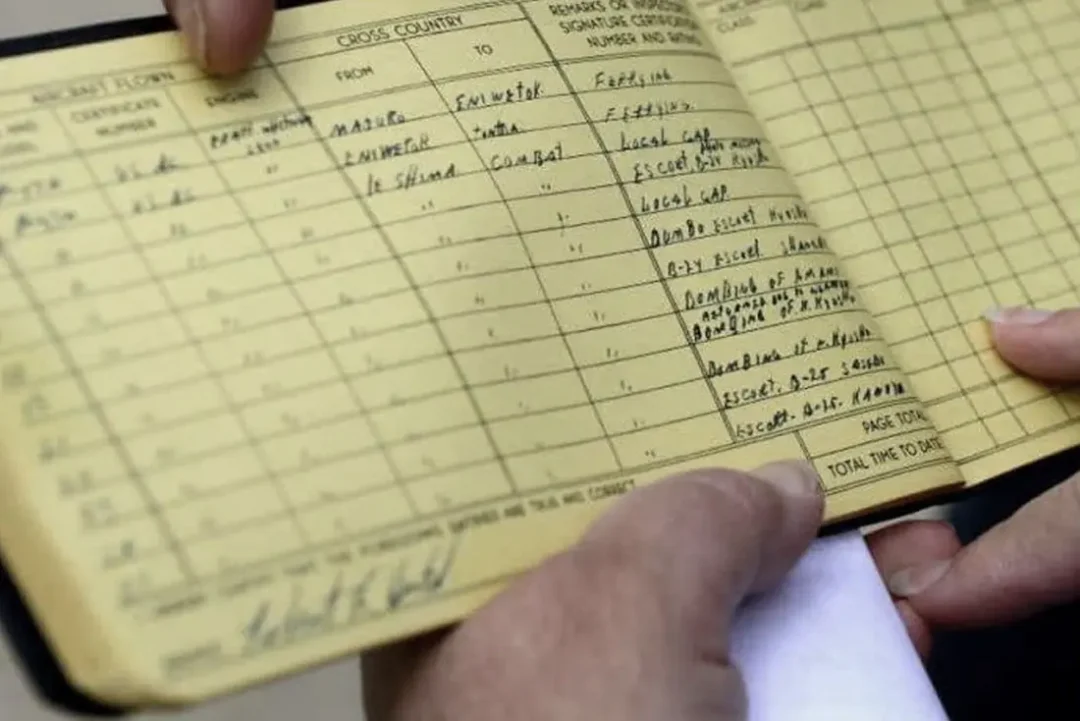
A single coffee spill destroys thousands of logged flight hours. Relying on a traditional paper ledger exposes your entire career history to fire, theft, and water damage. The aviation industry heavily favors digital documentation. Moving your flight history to an electronic format protects your data and automates the complex mathematical calculations required for airline applications. The Federal Aviation Administration directly supports this transition, publishing detailed advisory circulars governing electronic recordkeeping systems and digital signatures. Adopting a digital flight log from your first lesson eliminates calculation errors and provides a permanent, searchable database of your career progression.
Federal Acceptance And Electronic Signatures
Student pilots frequently question the legality of logging flight time on a smartphone or tablet. The federal government recognizes electronic logs as official records. Under current pilot certification rules, an electronic signature carries the exact same legal weight as a physical pen stroke. Modern logbook applications feature dedicated signature pads where a certified flight instructor signs directly on the touchscreen to authorize a solo flight or validate a checkride endorsement.
You do not need to carry a paper backup if you utilize approved software. Instructors lock these digital entries with a cryptographic hash, preventing anyone from altering the flight time after the signature activates. Incorporating a dedicated logbook app into your standard digital aviation resources guarantees you remain compliant during a surprise ramp check by an aviation safety inspector.
Airline Interview Preparation And Data Export
Applying to a regional or legacy airline requires separating your total flight time into exact categories. Recruiters demand a breakdown of your multi-engine turbine time, night cross-country hours, and instrument approaches. Calculating these metrics by hand using a paper ledger takes hours and often produces mathematical errors. A single addition mistake on an airline application often results in an immediate interview rejection.
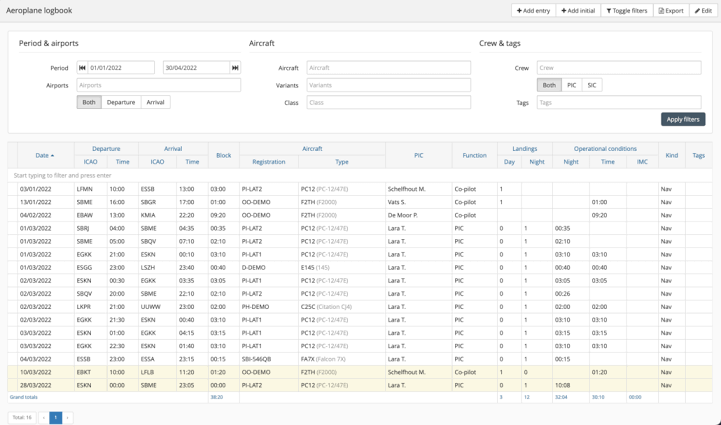
Digital logbooks automatically parse your flight history into formatted reports. With a single click, you can export your entire career into the exact formats required by standardized pilot applications used by major carriers. The software flags discrepancies, verifying your pilot-in-command time perfectly matches your total duration of flight.
| Logbook Format | Data Security | Calculation Accuracy | Airline Interview Prep |
| Traditional Paper | High risk of permanent loss | Prone to human addition errors | Requires hours of manual data extraction |
| Digital Software | Cloud-backed and redundant | Automated and mathematically precise | Instant export to standard application formats |
Transitioning Your Historic Flight Data
Converting a paper logbook into a digital database requires an initial time investment. You do not need to manually enter every single flight from the past ten years. Most pilots create a single baseline entry. You take the total hours from the bottom of your last paper page and input those exact numbers as a carry-forward block in the new software.
You then photograph the original paper pages, especially the pages containing your checkride endorsements and complex aircraft sign-offs, and attach those images directly to your digital profile. The federal government continues to modernize its own tracking systems, eventually migrating commercial pilots toward the mandatory Pilot Records Database for employment verification. Securing your personal data in a clean, digital format now prevents massive administrative headaches when you apply for your next type rating or captain upgrade.