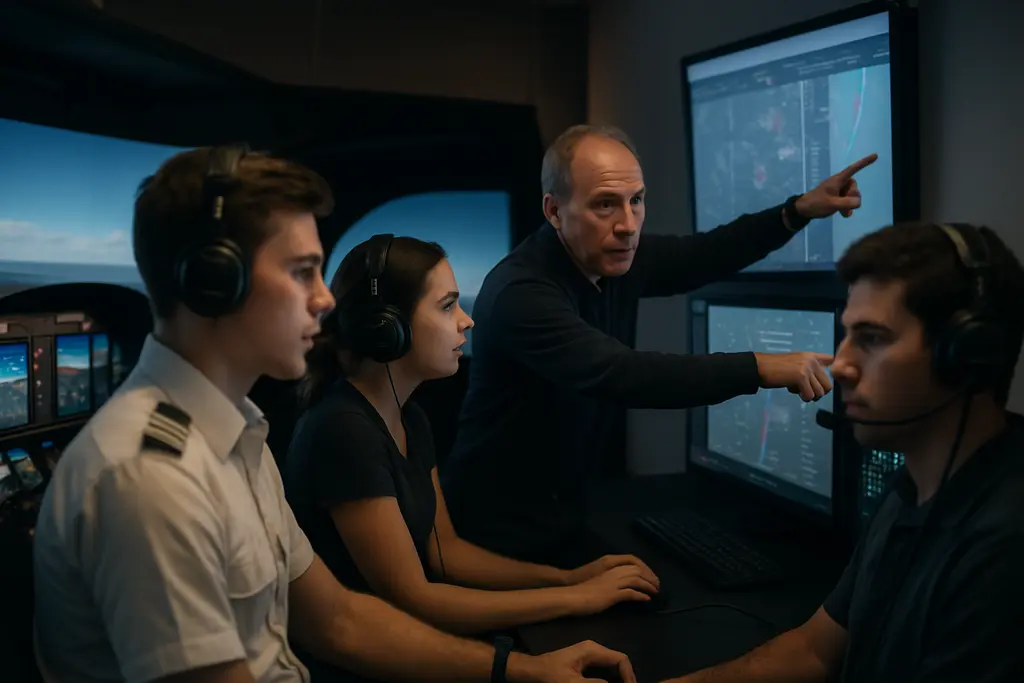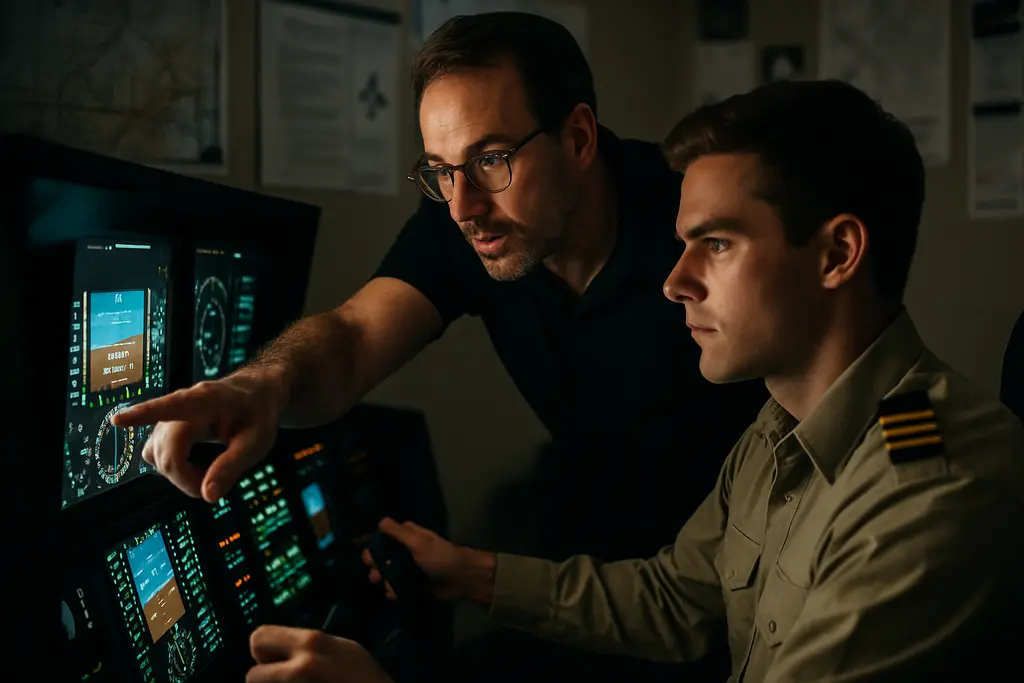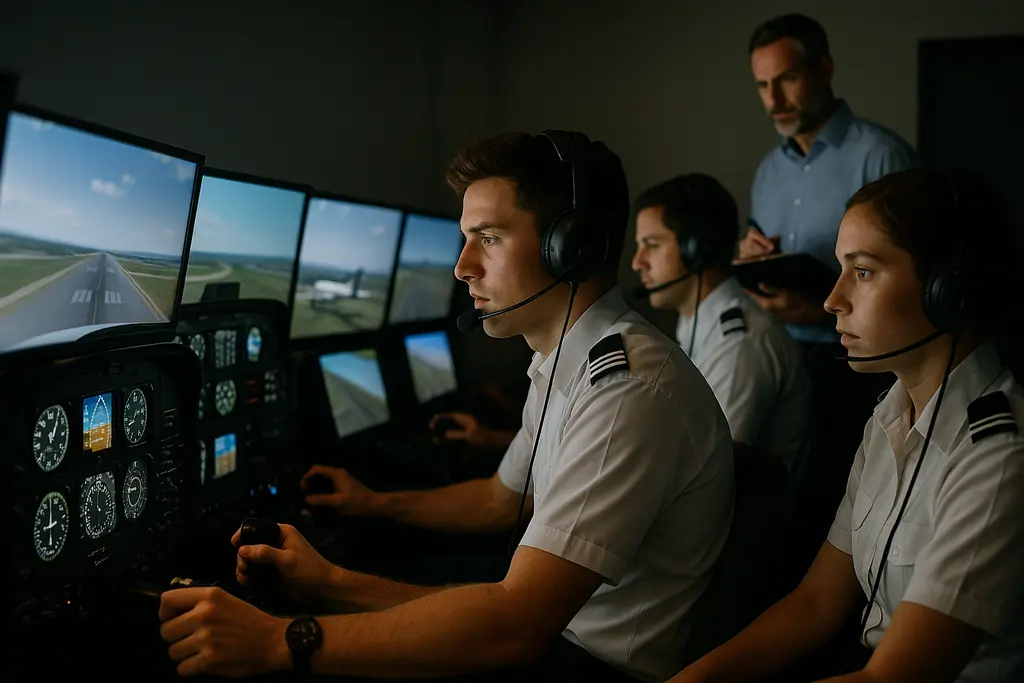
Confirmed: Airbus pilot training has moved deeper into Competency-Based Training and Assessment, or CBTA, as Airbus links pilot development to practical operational readiness rather than training time alone. The shift matters because Airbus has forecast a need for 540,000 new pilots over two decades, and its July 2018 ab initio cadet programme was introduced with Escuela de Aviacion Mexico to help answer that demand while building key competencies from the start Airbus announcement. For student pilots and career changers, the signal is clear: modern airline preparation is being framed around demonstrated behaviors, technical control, and readiness for a wider range of operating conditions.
Why Airbus Pilot Training Is Moving Toward CBTA
What Airbus Pilot Training Means By Competency
Confirmed: In the Airbus cadet programme, competency-based training is not presented as a late-stage add-on. It is built into the curriculum from the beginning. That matters because ab initio students arrive with little or no airline background, so the training system has to develop disciplined habits before advanced aircraft procedures become the main focus. In practice, this approach places emphasis on whether a pilot can apply knowledge and skill in context, not only whether the pilot has completed a fixed block of lessons.
Training analysis: The value of CBTA is strongest when it links classroom knowledge, simulator performance, instructor feedback, and flight behavior into one progression. A pilot may understand a procedure in theory, yet still need coaching to apply that procedure under workload. A competency-based model gives instructors a structure for identifying gaps earlier. For cadets, that can make feedback feel more direct: the discussion moves from “you passed the lesson” to “this behavior is improving, and this one still needs work.”
Why Cadet Training Is A Logical Starting Point
Confirmed: Airbus introduced the ab initio pilot cadet training programme in July 2018 in partnership with Escuela de Aviacion Mexico. Market analysis: That starting point is significant because early-stage cadets are still forming their professional operating style. If a programme waits until advanced airline training to assess core pilot behaviors, poor habits may already be embedded. Beginning with competencies gives a training provider a chance to shape decision-making, discipline, communication, and technical consistency before the pilot reaches a high-capacity commercial cockpit.
For aspiring airline pilots, the practical lesson is straightforward. Flight hours still matter, but professional growth is not only a logbook exercise. Candidates should expect more structured feedback on how they think, brief, learn, and respond to changing situations. A student who wants to prepare for this model should treat every lesson as evidence of professional behavior, from preflight preparation to post-flight review.
How CBTA Changes The Student Pilot Experience
Feedback Becomes More Specific
Training analysis: A competency-based approach changes the tone of pilot training. Traditional training often centers on maneuvers, lesson completion, and checkride readiness. CBTA keeps those items in view, but it also asks whether the trainee is building repeatable operating behaviors. For a cadet, this can make the training process more demanding, but also more useful. Instead of receiving a broad comment such as “improve situational awareness,” the trainee can be guided toward the specific action that needs improvement.
That style of assessment also helps students take ownership of progress. If a trainee knows which competency is being observed, the debrief becomes less vague. The instructor and student can agree on what was seen, what standard is expected, and what practice should follow. This is especially helpful for candidates aiming at airline pathways, where training records, consistency, and teachability often influence how well a pilot adapts to later crew training.
Technical And Non-Technical Skills Stay Connected
Confirmed: Airbus has described its training philosophy as focused on key pilot competencies, not only technical procedures. Analysis: That matters because safe line operations depend on both sides of performance. A pilot must know the aircraft, but also communicate, manage workload, and respond with discipline when a situation changes. Separating those skills too sharply can make training feel artificial. CBTA pushes them back together, which better reflects how pilots work in the aircraft.
Students comparing school options should ask how feedback is recorded, how instructor standardization is handled, and how progress is measured across phases. These questions are not minor administrative details. They help reveal whether a programme simply uses CBTA language or has built a repeatable training process around it. Readers tracking hiring cycles after training can pair this with pilot hiring trends to understand how training readiness and market timing may interact.
Digital Tools In Airbus Pilot Training

MATe Adds A Virtual Cockpit Layer
Confirmed: In July 2021, Airbus launched the Mobile Airbus Training experience Suite, known as MATe Suite, as a cloud-based pilot training service with a 3D interactive virtual cockpit environment MATe Suite launch. The service was described as aligned with the Airbus competency-based training philosophy. This is a notable development because it moves part of cockpit familiarization into a digital format that can support structured learning before and between formal training sessions.
Training analysis: A 3D interactive cockpit environment does not replace the discipline of simulator sessions or aircraft training. Its value sits in preparation and reinforcement. When a trainee can rehearse layout, flow, and system context before entering a higher-cost training device, time with instructors can be used more productively. For airlines and academies, the same tool can support consistency because students are introduced to the same cockpit logic and visual references.
What Digital Preparation Can And Cannot Do
Market analysis: Digital cockpit tools are best viewed as a support layer inside a broader training system. They can help trainees arrive better prepared, but they do not remove the need for instructor judgment, supervised practice, or formal assessment. CBTA depends on observed performance. A virtual environment may help a student understand where items are and how procedures connect, but the pilot still has to demonstrate reliable behavior under assessed conditions.
For self-study, this has a clear implication. Pilots should use digital tools to prepare questions, identify weak areas, and build familiarity before instructor-led training. Passive screen time is not the goal. The highest value comes when the trainee uses the tool to support a feedback cycle: prepare, perform, debrief, and correct. For readers interested in following aviation and adjacent industry coverage within our network, NoirWhale offers related insights as part of the same network.
Airbus Pilot Training And Career Readiness
What Applicants Should Take From The CBTA Shift
Confirmed: Airbus has positioned competency development as part of its cadet training approach and has connected digital learning tools to that same philosophy. Opinion based on the cited Airbus material: applicants should expect airline-oriented training to place growing weight on how they learn, not only how fast they progress. A candidate who accepts feedback well, prepares consistently, and can explain decisions clearly is better matched to a competency-based environment than a candidate focused only on minimum completion standards.
Airbus pilot training also points to a wider expectation for the next generation of flight crews: adaptability has to be trained deliberately. The industry demand forecast creates pressure to train many pilots, but speed cannot be the only metric. CBTA gives training organizations a way to discuss quality in terms of observable capability. For cadets, that means every briefing, simulator session, and debrief is part of a professional record of growth.
The practical move is to train like a professional before being hired as one. Keep a written record of instructor feedback, review weak competencies after each lesson, and ask what behavior would show improvement on the next session. That mindset fits the direction Airbus has signaled: pilot training built around demonstrated competence, structured assessment, and preparation for real airline operations.