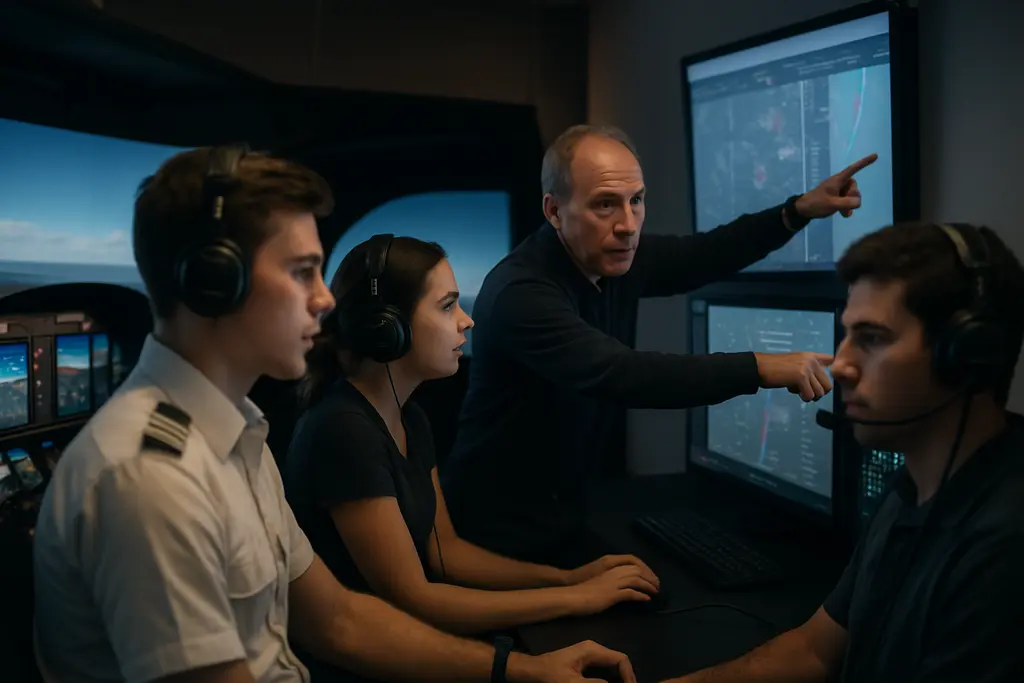
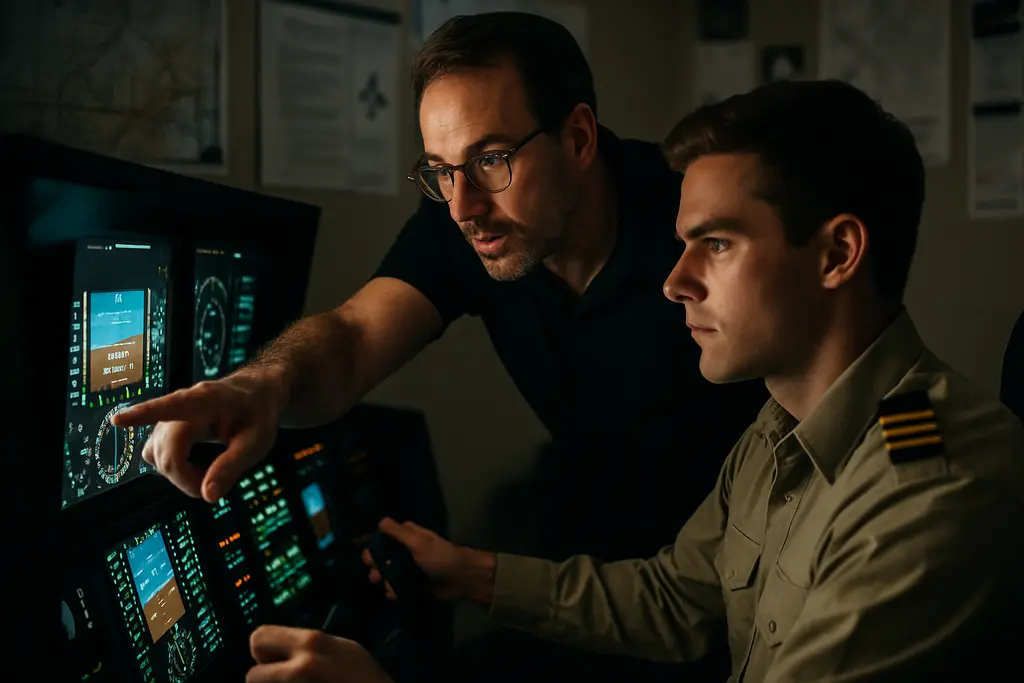
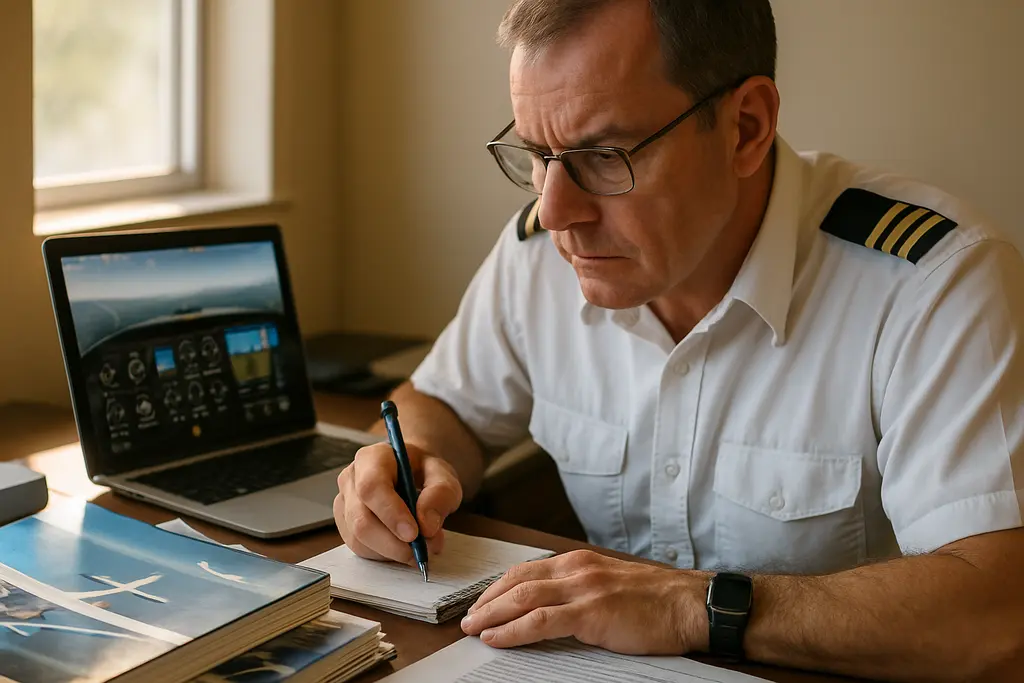
One of the hardest realities for a student pilot to accept is that the cockpit is a terrible classroom. When the Hobbs meter is ticking, the engine is roaring, and air traffic control is issuing rapid instructions, your brain’s capacity to learn completely new information drops significantly. This high-stress environment is where you go to practice what you already know, not to figure out a procedure for the first time. That is exactly why veteran instructors constantly preach the value of chair flying.
Chair flying is the disciplined practice of mental rehearsal. It involves sitting in a quiet room, often with a poster of your aircraft’s instrument panel, and physically touching the imaginary controls while visualizing a flight from engine start to shutdown. While it may feel silly at first, it is one of the most powerful tools in aviation. It bridges the gap between reading a textbook and actually executing a maneuver in the sky.
For student pilots, mastering this ground-based habit is the ultimate cheat code. It accelerates your learning curve, significantly reduces the amount of expensive dual instruction required, and builds a deep well of confidence. By the time you strap into the actual airplane, a well-rehearsed pilot feels like they have already flown the lesson a dozen times.
The Science Of Mental Rehearsal In Aviation
The effectiveness of chair flying is not just instructor folklore; it is rooted in neurology. When you vividly imagine performing a physical task, your brain fires electrical signals along the exact same neural pathways that would be used if you were actually doing it. You are effectively laying down the neurological wiring for muscle memory and procedural recall without ever leaving the ground.
This means that when you are visualizing a power-off stall recovery, your hands and feet are learning the coordination required to reduce angle of attack and apply full power. Organizations dedicated to aviation safety, and comprehensive AOPA flight training resources, consistently highlight mental visualization as a core competency for managing workload. A pilot who has mentally rehearsed a sequence requires less cognitive effort to execute it in the air, leaving more mental bandwidth available for flying the airplane and scanning for traffic.
Chair Flying Core Training Concepts At A Glance
| Training Phase | Chair Flying Focus | Practical Benefit In The Cockpit |
| Preflight & Taxi | Checklist usage and instrument setup | Reduces time spent idling on the ramp burning expensive fuel |
| Standard Maneuvers | Sequence of physical control inputs and visual cues | Smooth, coordinated execution without instructor prompting |
| Emergency Procedures | Memory items and immediate action flows | Instant, panic-free reaction to simulated or real failures |
How To Actually Chair Fly A Maneuver
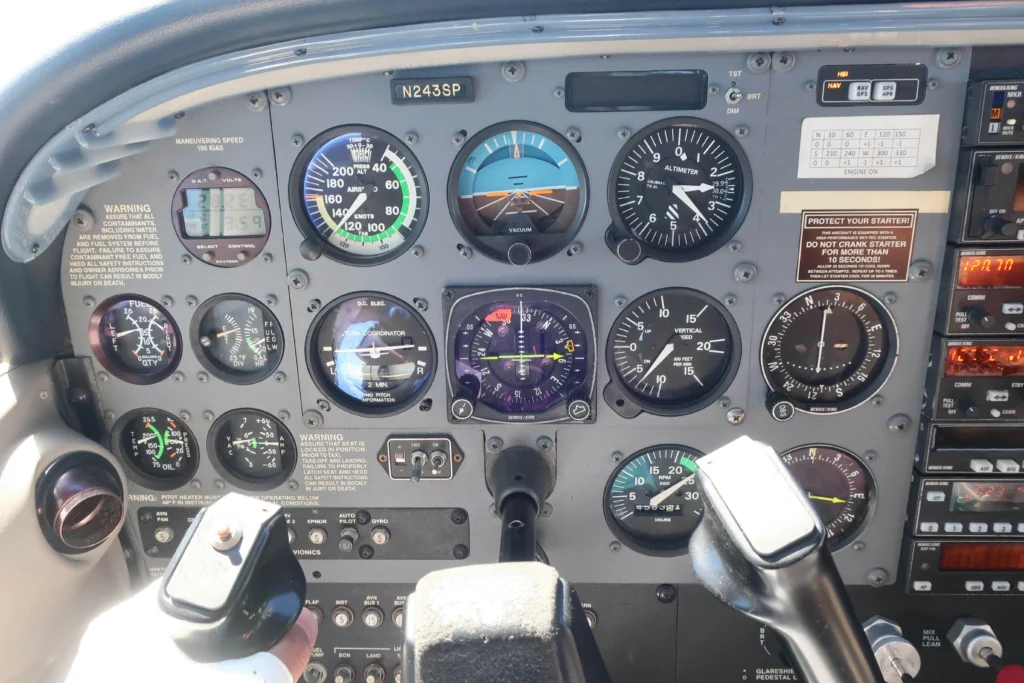
Effective chair flying requires far more than just sitting with your eyes closed. You need to recreate the environment and the physical motions as accurately as possible. Sit in a chair with your checklist in hand and a layout of your specific aircraft’s panel in front of you. If you are practicing the 10 most important maneuvers in private pilot training, speak out loud. Announce your clearing turns, call out your target airspeeds, and physically move your hands and feet to input rudder, throttle, and yoke commands.
The key is real-time visualization. If a steep turn takes forty-five seconds to complete in the air, your mental rehearsal of that steep turn should take exactly forty-five seconds in your living room. Visualize the horizon cutting across the cowling, anticipate the need for back pressure, and simulate dialing in nose-up trim. If you make a mistake or lose your place in the procedure during your mental run, stop, reset, and start the maneuver over.
Preparing For Emergencies And High-Workload Phases
Perhaps the most critical application for chair flying is preparing for abnormal situations. In an actual engine failure or electrical fire, you do not have time to casually read through a checklist to figure out your first three steps. You must rely on memory items. Chair flying allows you to drill these critical action flows until your hands automatically move to the fuel selector, mixture, and throttle without a conscious thought.
It is equally valuable for managing high-workload environments like a busy traffic pattern. Many students get overwhelmed trying to configure the airplane for landing while simultaneously handling radio communications. By sitting on the ground and practicing how to talk to air traffic control while mimicking the physical motions of lowering the flaps and adjusting the power, you strip away the anxiety. You train your mouth and hands to work independently of each other.
Final Thoughts
Chair flying is the silent separator between average students and excellent pilots. It is the cheapest, most accessible, and most effective flight simulator in the world. While you cannot replicate the physical forces of flight from your living room, you can absolutely master the procedures, the checklists, and the visual cues.
If you want to get through your flight training faster, save thousands of dollars on aircraft rental, and impress your flight instructor, commit to chair flying before every single lesson. Treat your time in the chair with the same focus and discipline as your time in the cockpit, and the airplane will quickly feel like a natural extension of your own body.