
Becoming a major airline pilot is a dream shared by many aviation enthusiasts. It requires a combination of rigorous training and significant flight experience.
This guide will walk you through the essential steps to achieve your goal, from meeting the initial requirements to navigating the hiring process.
With dedication and the right guidance, you can soar to new heights in the aviation industry.
Key Takeaways
- Understand the basic requirements to become a pilot.
- Learn about the different types of pilot licenses.
- Discover the steps to gain significant flight experience.
- Navigate the hiring process for major airlines.
- Develop a strategic approach to your aviation career.
How to Become a Major Airline Pilot
The path to becoming a major airline pilot involves meeting specific flight hour requirements, obtaining necessary certifications, and fulfilling educational criteria. Aspiring pilots must be aware of these requirements to plan their training effectively.
Hour Requirements
The Federal Aviation Administration (FAA) mandates a minimum of 1,500 hours of flight experience for an Airline Transport Pilot (ATP) certificate. This includes:
- 50 hours of cross-country flight time
- 75 hours of instrument flying experience
- 100 hours of night flying experience
Accumulating these hours requires dedication and a well-structured training plan. Aspiring pilots should focus on building a diverse flying experience to meet these requirements.
ATP Certificate
Obtaining an ATP certificate is a critical step in becoming a major airline pilot. To qualify, pilots must:
- Be at least 23 years old
- Be able to read, speak, write, and understand English
- Hold a valid first-class medical certificate
- Pass the ATP written exam
The ATP certificate is a prerequisite for flying for major airlines, and the process of obtaining it is rigorous to ensure that pilots are highly competent.
Education
While a degree is not always mandatory, having a bachelor’s degree in aviation or a related field can be advantageous. Many aspiring pilots choose to pursue higher education to gain a competitive edge in the hiring process.
Understanding the educational options and their relevance to a career in aviation is crucial for making informed decisions.
Building a Competitive Resume
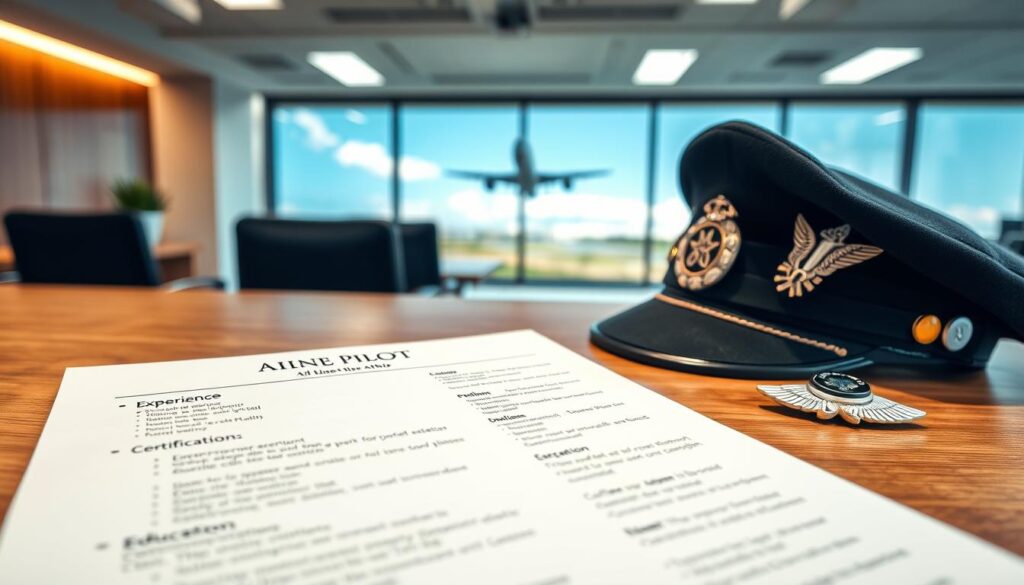
Aspiring airline pilots must prioritize building a robust and competitive resume for airline pilots to capture the attention of hiring managers. A well-crafted resume is more than just a document; it’s a strategic tool that highlights your skills, experience, and achievements in the aviation industry.
Maintaining a Detailed Logbook
A meticulously kept logbook is the backbone of any airline pilot’s resume. It serves as a comprehensive record of your flight experience, including total flight hours, aircraft types flown, and any notable flight experiences. Accuracy and detail are paramount in maintaining a logbook, as it will be scrutinized by potential employers.
| Logbook Details | Importance | Tips for Maintenance |
|---|---|---|
| Total Flight Hours | Indicates overall experience | Regularly update hours |
| Aircraft Types | Shows versatility and adaptability | Specify aircraft models |
| Notable Experiences | Highlights exceptional skills or situations | Include context and outcomes |
Securing Strong Recommendations
Recommendations from experienced professionals, such as captains or flight instructors, can significantly enhance your resume’s credibility. These endorsements provide insight into your skills, work ethic, and ability to work under pressure. When requesting recommendations, choose individuals who know you well and can speak to your strengths as a pilot.
Networking within the Aviation Community
Networking is a powerful tool for aspiring airline pilots. By connecting with professionals in the field, you can gain valuable insights into job opportunities, industry trends, and best practices for advancing your career. Attend aviation events, join professional organizations, and engage in online forums to expand your network.
By focusing on these key areas—maintaining a detailed logbook, securing strong recommendations, and networking within the aviation community—you can create a competitive resume for airline pilots that opens doors to new opportunities.
Understanding the Hiring Process
The hiring process for major airlines is multifaceted, requiring pilots to excel in several challenging stages. To succeed, aspiring pilots must be well-prepared for each step, from the initial application to the final simulator check.
Application
The first step in the hiring process is submitting an application, which includes providing detailed flight experience, licenses, and other relevant documentation. It’s crucial to ensure that your application is thorough and highlights your qualifications. Airlines typically look for pilots with a strong flying record, relevant experience, and the necessary certifications.
A well-structured application should include a comprehensive logbook that details your flight hours, types of aircraft flown, and any notable achievements or challenges overcome during your flying career. Ensuring that your logbook is accurate and up-to-date is vital, as it serves as a primary reference for your flying experience.
Interview
The interview stage is a critical component of the hiring process, where airlines assess a candidate’s knowledge, decision-making skills, and ability to work under pressure. Preparation is key to acing the airline pilot interview, as it involves a deep understanding of aviation regulations, weather patterns, aircraft systems, and emergency procedures.
To prepare, candidates should review common interview questions, practice their responses, and participate in mock interviews. Familiarity with the airline’s specific requirements and culture can also provide a competitive edge.
| Interview Topic | Key Areas to Focus On |
|---|---|
| Aviation Regulations | FARs, Aircraft Certification, Airspace |
| Aircraft Systems | Engine Types, Fuel Systems, Electrical Systems |
| Emergency Procedures | Engine Failure, System Malfunctions, Emergency Landings |
Simulator Check
The simulator check is a practical assessment of a pilot’s flying skills, evaluating their ability to handle both normal and abnormal situations in a realistic environment. This stage is crucial, as it demonstrates a pilot’s competence and readiness to fly for a major airline.
To excel in the simulator check, pilots should practice on simulator devices that mimic the aircraft they are applying to fly. Familiarity with the simulator’s controls, instruments, and scenarios can significantly enhance performance.
In conclusion, understanding the hiring process and being thoroughly prepared for each stage can significantly enhance a pilot’s chances of success. By focusing on the application, interview, and simulator check, aspiring pilots can position themselves as competitive candidates for major airline positions.
Navigating Airline Seniority Systems
Airline seniority systems play a pivotal role in determining a pilot’s career progression and benefits. Understanding how these systems work is essential for pilots to make informed decisions about their career paths.
Upgrades and Career Mobility
Seniority is a key factor in determining a pilot’s eligibility for upgrades to larger aircraft or more desirable routes. As pilots gain experience and accumulate seniority, they have greater opportunities for career mobility.
Career Advancement Opportunities: Pilots with higher seniority can bid on preferred routes, enjoy better schedules, and have more control over their career paths. This not only enhances job satisfaction but also contributes to a better work-life balance.
“The seniority system is a double-edged sword; it provides a clear path for advancement but also means that patience and persistence are crucial for career progression.” – Captain James, Senior Pilot
To navigate the seniority system effectively, pilots should focus on continuous professional development and stay informed about airline policies and changes in the industry.
- Stay updated on airline seniority lists and bidding processes.
- Continuously develop your skills to remain competitive.
- Network with other pilots to gain insights into the system.
Understanding the dynamics of seniority systems can significantly impact a pilot’s career. The following table illustrates how seniority affects various aspects of a pilot’s career:
| Seniority Level | Upgrade Opportunities | Route Preferences |
|---|---|---|
| Low | Limited to smaller aircraft | Lesser preferred routes |
| Medium | Opportunities for mid-size aircraft | Moderate route preferences |
| High | Eligible for larger aircraft | Highly preferred routes |
By understanding and navigating the airline seniority system, pilots can make strategic decisions about their careers, leading to greater satisfaction and success.
Industry Trends and Tips
The aviation industry is constantly evolving, and pilots must adapt to these changes to succeed. Staying informed about industry trends, economic factors, technological advancements, and regulatory changes is essential for a successful career as a major airline pilot.
Economic factors significantly influence the aviation industry, affecting everything from fuel prices to demand for air travel. Pilots who understand these economic trends can better navigate their career progression. For instance, being aware of periods of high demand can help pilots plan their training and career moves strategically.
Technological advancements are another critical aspect of the aviation industry. Modern aircraft are equipped with sophisticated technology, and pilots must be proficient in using these systems. Continuous training and staying updated on the latest technology not only enhance a pilot’s performance but also open up new opportunities for career advancement.
Regulatory changes are a constant in the aviation industry. Pilots must stay informed about changes in regulations and compliance requirements. This includes understanding new safety protocols, flight regulations, and other legal requirements that impact their daily operations.
To stay ahead, major airline pilots should:
- Engage in continuous learning and training.
- Network with other professionals in the industry.
- Stay updated on industry news and trends.
- Be adaptable to changes in technology and regulations.
By following these tips and staying informed, pilots can ensure a successful and progressive career in the aviation industry.
FAQs
Aspiring pilots often have questions about the requirements and process of becoming a major airline pilot. Meeting the airline pilot requirements is the first step, which includes obtaining necessary certifications and accumulating flight hours.
Creating a strong resume for airline pilots is crucial for making a good impression during the hiring process. It should highlight relevant flight experience, training, and certifications.
Understanding the hiring process, from application to interview and simulator checks, is vital for preparation. Additionally, knowing how seniority systems work can help pilots plan their career progression.
By focusing on these aspects, aspiring pilots can better navigate their path to becoming a major airline pilot, achieving their career goals with dedication and hard work.