Making the decision to become a pilot is one of the most exciting commitments you will ever make, but it is immediately followed by one of the most daunting: deciding exactly where to train. The aviation training industry is incredibly diverse, ranging from small flying clubs operating a single Cessna out of a grass strip to massive, university-style academies with fleets of brand-new glass-cockpit aircraft. For a student pilot with zero hours in their logbook, navigating these options can feel like learning a foreign language.
The reality is that not all flight schools are created equal, and the right choice depends entirely on your personal aviation goals, budget, and availability. A school that perfectly serves a weekend hobbyist looking to fly for fun might be a terrible fit for a student trying to reach the airlines in eighteen months. Selecting the wrong environment often leads to frustrating training plateaus, endless weather cancellations, and thousands of dollars in wasted rental fees.
For aspiring aviators, evaluating a flight training operation requires looking past the shiny marketing brochures. You have to ask hard questions about aircraft dispatch reliability, instructor turnover rates, and the true cost of reaching checkride proficiency. Understanding what to look for before you sign a contract or put down a deposit is the first crucial step in taking command of your aviation journey.
Understanding The Difference Between Part 61 And Part 141
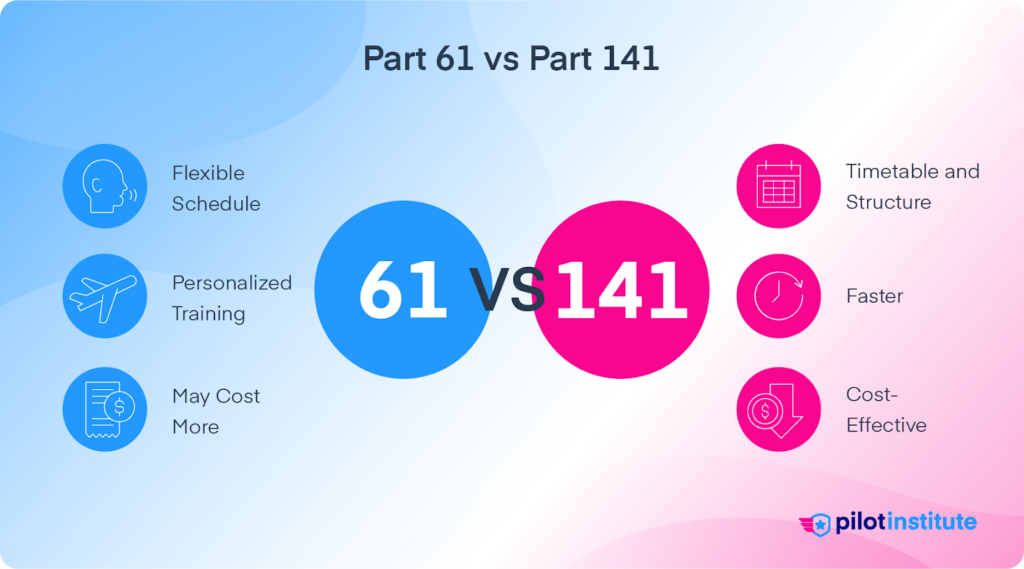
The very first filter you must apply when evaluating flight schools is the regulatory framework they operate under. The FAA divides flight training into two primary categories: Part 61 and Part 141. Part 61 schools offer incredible flexibility, allowing the instructor to tailor the syllabus to your learning pace and schedule. This is often the preferred route for individuals who are working full-time jobs or paying for their training out of pocket on a lesson-by-lesson basis.
Conversely, Part 141 schools are tightly audited by the FAA and operate on a strictly structured, FAA-approved syllabus. Because of this oversight, students at Part 141 academies can legally earn their certificates in slightly fewer flight hours. Understanding the nuances of Part 61 vs Part 141 is critical, especially if you are utilizing veterans’ benefits or securing a large aviation loan, as many financial institutions require the structure of a Part 141 program.
Flight School Evaluation Factors At A Glance
| Evaluation Area | What To Look For | Why It Matters For Your Training |
| Fleet Size and Availability | A ratio of at least one aircraft for every four to five active students | Ensures you can actually book a plane and maintain training momentum |
| Instructor Experience | A mix of young CFIs building time and veteran career instructors | Balances fresh, standard procedures with deep, real-world experience |
| Syllabus and Structure | A clear, documented training plan regardless of the regulatory part | Prevents redundant lessons and keeps you progressing toward the checkride |
Fleet Size, Aircraft Maintenance, And Availability
One of the most common traps student pilots fall into is choosing a school based solely on the lowest hourly rental rate. However, a cheap airplane does you no good if it is constantly grounded for maintenance or booked out three weeks in advance. When touring a facility, you must ask about their aircraft dispatch reliability and the size of their fleet relative to their student population.
If a school only has one trainer aircraft, a single 100-hour inspection or an unexpected magneto failure can ground your training for weeks. You lose proficiency rapidly when you are not flying consistently, which ultimately costs you more money in review lessons. Look for an operation that utilizes a standardized fleet, meaning if your scheduled airplane breaks down, there is another identical airframe ready to take its place so your lesson can continue.
Instructor Turnover And Training Compatibility
Flight instruction is notoriously a stepping-stone career in aviation. Most Certified Flight Instructors (CFIs) are actively building the 1,500 hours required to move on to the regional airlines. While there is nothing wrong with being taught by a pilot building time, high turnover rates can severely disrupt your progress. Having to switch instructors three times during your private pilot training means spending expensive flight hours proving what you already know to a new teacher.
During your visit, ask the chief flight instructor about their average CFI tenure. It is also highly recommended to schedule an introductory flight to evaluate your compatibility with a potential instructor. You want a teacher who prioritizes aeronautical decision-making and safety, not just someone watching the Hobbs meter tick up. For a broader perspective on vetting training environments, utilizing tools like the AOPA flight school directory can help you cross-reference local options and read student reviews.
Transparent Pricing And Hidden Costs
A reputable flight school will be completely transparent about the financial reality of learning to fly. If an operation quotes you a price based strictly on the FAA minimum of 40 flight hours for a private pilot license, they are not being honest with you. The national average is closer to 65 or 70 hours. You need a school that provides a realistic budget that includes pre-flight ground briefings, examiner fees, knowledge test fees, and training materials.
Ask for a detailed breakdown of costs and beware of schools that require massive upfront deposits for discounted block rates unless you have thoroughly vetted their financial stability. Understanding the true private pilot license cost allows you to secure the proper funding before you start. Running out of money halfway through your training is the quickest way to guarantee you will have to relearn maneuvers when you eventually return.
Final Thoughts
Choosing a flight school is the first major pilot-in-command decision you will make. It requires looking beyond the marketing and objectively evaluating the logistics, safety culture, and financial transparency of the operation. Do not be afraid to ask difficult questions about maintenance schedules, instructor turnover, and realistic completion times.
For student pilots, the right school is the one that aligns with your specific schedule and learning style while maintaining uncompromising safety standards. Take the time to tour multiple facilities, speak with current students, and take an introductory flight. When you find an environment that treats you as a future aviator rather than just an hourly customer, you will know you have found the right place to begin your journey.