Flight training offers a unique kind of freedom. One minute, you’re at the controls, and the next, you’re keeping cool as you fly. This sums up the student pilot’s experience in the US: it’s systematic, exhilarating, and a bit humbling.
Flight school kicks off with excitement. On the first day, you might control the plane, which is both thrilling and daunting. The journey then progresses through basic flying lessons, studying on the ground, and completing necessary paperwork.
After starting, you get your student pilot certificate and maybe a medical exam. The focus shifts from practicing with an instructor to flying solo. The first solo flight is a major milestone, where you complete takeoffs and landings while your instructor watches proudly from the ground.
Then, you move on to more advanced skills. These include cross-country flying, navigation, and making important decisions. Your training culminates in a checkride with an FAA examiner. This is where you show you can safely fly and make good decisions.
For serious study, avoid rote learning. Combine practical lessons with helpful books like “Stick and Rudder” by Wolfgang Langewiesche, “Be a Better Pilot” by Alan Bramson, “Pilot’s Weather” by Brian Cosgrove, and “The Naked Pilot” by David Beaty. These resources can save student pilots time and trouble.
Introduction: Why Get a Pilot License?
Smart, busy people often chase a pilot license for noble reasons. Some do it for career goals or business travel. But really, a lot want to fulfill a longtime dream. And let’s not forget that amazing view from above.
Becoming a student pilot isn’t just about flying an airplane. It’s about facing a challenge. It turns math into practical things like fuel burn and wind correction. Planning flights becomes second nature.
Getting a pilot license is also your ticket to adventure. Think about lunch outings to nearby airports or skipping TSA lines for quick weekends away. With more training, you can fly even when the weather is tricky.
The community around flying is also a big part of the appeal. Your flight instructor will guide and challenge you. Flying schools and clubs offer support. And your friends and family will be there too, even when bad weather cancels your flights.
| Motivation | What you actually gain | What surprises most student pilots |
|---|---|---|
| Challenge and mastery | Sharper situational awareness, better decision-making under pressure | The workload is real, even on “easy” flights |
| Career and credibility | Structured training, logbook discipline, professional communication habits | Consistency beats intensity almost every time |
| Business and time utility | More route options, flexible scheduling, access to regional airports | Weather and maintenance still run the calendar |
| Service and community | A pathway to volunteer flying and community aviation events | The community is welcoming, but standards stay strict |
| Pure “I want this” curiosity | A new vantage point on geography, risk, and personal limits | Your student pilot journey changes how you think on the ground, too |
Different Types of Pilot Licenses
Choosing a pilot license is about picking a set of rules to follow. It starts with flight school basics: the type of aircraft you want to fly, your travel distance, and your flying goals. Each path in pilot training seems similar, yet flying privileges vary greatly.
The Private Pilot Certificate is popular in the U.S. for good reason. You need at least 40 hours of flight time, but expect 60–75 due to real-life delays. This certificate is also a great foundation for further training, making your pilot journey smoother.
The Recreational Pilot Certificate is ideal for flying close to home during the day. You need a minimum of 30 hours of flight time. Yet, many see it as a first step, because the next level of license offers more freedom.
The Sport Pilot Certificate is all about light sport aircraft (LSA). These are smaller and often have one or two seats. With a minimum of 20 hours needed, it’s a straightforward choice if you prefer simple planes and missions. Plus, you might use your driver’s license instead of a medical certificate.
To quickly understand your options, compare pilot licenses by privileges and restrictions, not just flight hours. This method provides a clearer picture.
| Certificate | What you can actually do | Typical limits you’ll notice | Minimum flight time | Good fit if your flight school basics are… |
|---|---|---|---|---|
| Sport Pilot Certificate | Fly light sport aircraft for personal travel and local fun | LSA only; mission stays simple; training and gear are often less complex | 20 hours | Short trips, fair-weather flying, and a clean on-ramp to pilot training steps |
| Recreational Pilot Certificate | Daytime flying near your home airport with one passenger | More limits than private; many pilots upgrade later | 30 hours | Local flying with a tight scope and a clear upgrade plan |
| Private Pilot Certificate | Fly a wider range of aircraft for non-commercial trips, including at night | Not for paid flying; training often runs longer than the minimum | 40 hours (many test at 60–75) | Flexibility, longer trips, and a practical base for the next pilot license |
Your training location affects your learning experience. Under Part 61, you enjoy flexibility and a custom pace with your instructor. But Part 141 offers structured, FAA-approved courses with stricter standards.
While some mention a 5-hour difference between Part 141 and Part 61, that’s not what matters. It’s really about what fits your life, how you learn best, and the training path you can commit to when things get hectic.
FAA Requirements at a Glance
A first solo flight feels like a big moment in movies: dramatic music, nervous excitement, and a bold move towards the runway. But the FAA sees it more as a routine step. It shows if a student pilot really understands the basics.
Two things a student pilot must have before flying solo: a valid student pilot certificate and a solo endorsement from a flight instructor. It’s not enough to just feel ready. The endorsement is tailored to the exact plane you’ll be flying. This is because each plane has its own set of behaviors, especially at 800 feet in the air.
Here’s something that might surprise you: the FAA doesn’t require a set number of flight hours before your first solo. It’s not about hitting a certain number of hours. Instructors give the green light based on how well you handle the plane, make decisions, and stay consistent. In flying, last-minute studying doesn’t cut it.
The FAA also tests your knowledge, not just your flying skills. Before going solo, you’ll need to understand the rules and how to operate safely. There’s also a medical exam to pass. This combo ensures that a student is not just able to fly, but also think on their feet.
| FAA Solo Must-Haves | What It Proves in Real Life | Why It Matters on Solo Day |
|---|---|---|
| Student pilot certificate | You’re legally allowed to train toward solo privileges | Keeps the flight inside the rules, not the realm of “I swear I’m learning” |
| Instructor solo endorsement for the specific make and model | You’ve demonstrated safe handling in that aircraft | Prevents swapping into a different airplane like it’s a rental car upgrade |
| Ground evaluation on regulations and operating rules | You can apply the rules under pressure | Reduces “I didn’t know” moments in the pattern and on the radio |
| Medical check as part of solo prerequisites | You meet health standards needed for training and solo activity | Supports decision-making and basic safety margins when you’re alone |
| Planned safe conditions (light winds, good visibility) | You can manage workload without weather adding chaos | Gives a student pilot a wider safety buffer for the first independent laps |
Indeed, the safety net is firmly in place. First solo flights happen in good weather to avoid tough challenges. Student pilots stick to known routes and follow what they’ve been taught. It’s more about practicing what you’ve learned than trying daring maneuvers.
Yes, these rules are strict. However, they’re meant to make sure learning is accurate and safe. In aviation, being careful is key, and that’s where regulations and good sense meet.
Application Process Explained
I used to think applying meant just paperwork and waiting. But in aviation, it’s more about the right steps. First, start your training at a flight school or with a private instructor. Then, dive into ground knowledge right away. This approach stops you from wasting money learning basics during pricey flight hours.
Many overlook the intro flight, but it’s crucial. It’s not just for fun. During this flight, you review weather, do a preflight check, and actually fly. It proves you’ll really be in control of the plane.
Getting your Student Pilot Certificate is a key step. Basically, it lets you fly solo. You can train before getting it, but flying alone requires this certificate. It turns student pilot rules from just facts into real plans.
The endorsement process might remind you of a job review. Just having the certificate isn’t the end. Your instructor needs to approve you for specific tasks. For solo flights, this approval must match the plane you’re flying. While flying can be dreamy, it’s also pretty strict.
| Milestone | What you do | What your instructor provides | Why it matters |
|---|---|---|---|
| Start training | Choose a flight school or independent instructor; schedule lessons | Training plan and lesson flow | Sets the pilot training steps and prevents random “hour collecting” |
| Build ground knowledge early | Study basics like airspace, weather, and charts alongside flights | Coaching on weak spots and pre-lesson briefs | Reduces repeat lessons and keeps student pilot requirements from piling up |
| Student Pilot Certificate | Complete the application process and keep your certificate accessible | Guidance on timing and prerequisites | Required before solo; it’s the “you may fly alone” prerequisite |
| Instructor endorsements | Train to proficiency for solo and other privileges | Written endorsements, including solo for aircraft make/model | Legal permission slips that match your exact aircraft and readiness |
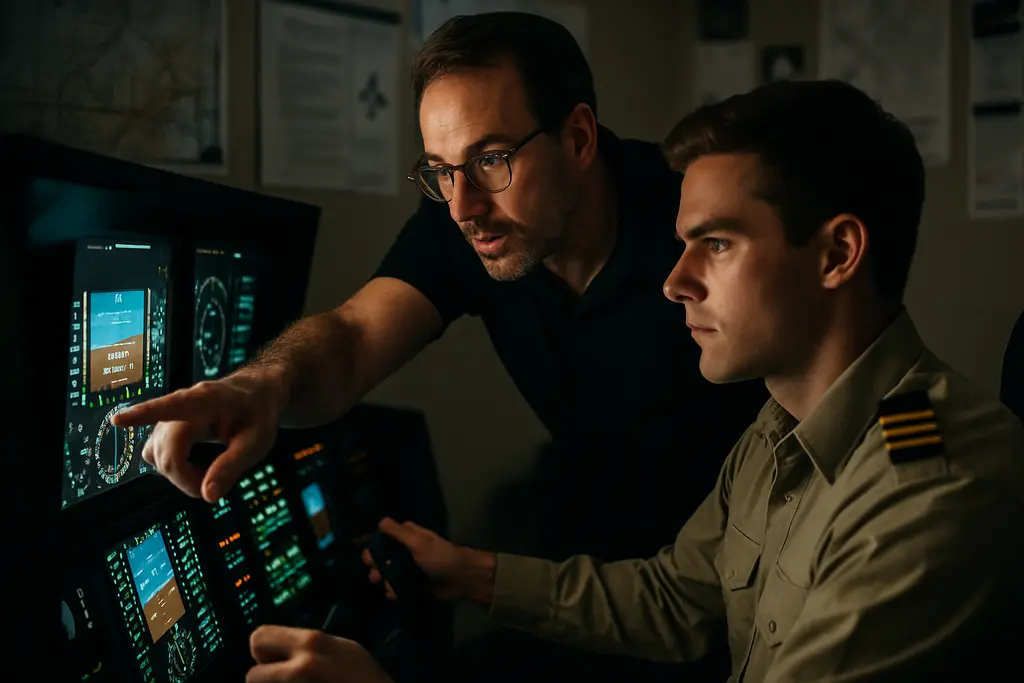
Instructors often use the AOPA Flight Training Advantage (AFTA) to keep lessons organized. It’s free for AOPA members. The tool helps remember what you’ve learned and what’s next. It means fewer repeated lessons and less confusion.
When you follow these steps, the training process gets simpler. It becomes a clear plan: train, learn, get certified, and qualify. This way, you know you’re meeting all student pilot requirements in order.
Written Test, Medical, and Flight Hours
The FAA knowledge test starts your journey from textbooks to takeoffs. It’s a computer-based test with multiple-choice questions designed by the FAA. Students usually face it after learning the basics at ground school. It covers weather, rules, how planes fly, and how to find your way.
If you’re starting out, this exam isn’t about memorizing facts. It’s testing if you can make smart choices high up in the sky. Expect questions on charts, how your plane performs, and different flying situations. They want to see you think and act like a pilot.
Before solo flying, there’s essential paperwork. For a private pilot, you need a Student Pilot Certificate and a 3rd Class medical certificate. If you’re aiming to be a sport pilot, you skip the medical exam. This is a unique part of pilot training.
Let’s talk about how many hours you’ll likely fly. The rules say you need at least 40 hours for Part 61, or 35 for Part 141. But, most students end up flying between 60–75 hours. Counting on the minimum required hours isn’t realistic for planning your budget or flights.
| Training piece | What the FAA expects | What many students experience | Why it changes the plan |
|---|---|---|---|
| Knowledge test (written) | Computer-based, multiple-choice exam created by the FAA | Taken after ground school, with heavy focus on weather, charts, and regulations | More study time reduces retakes and keeps pilot training steps moving |
| Medical and eligibility | Private: Student Pilot Certificate plus 3rd Class medical for solo; Sport: no medical exam | Scheduling an Aviation Medical Examiner visit can take time in busy metros | Medical timing can delay solo even when flying skills are ready |
| Minimum flight hours | Private: 40 hours (Part 61) or 35 hours (Part 141) | National average often runs about 60–75 hours | Realistic hours protect your wallet from “surprise” invoices |
| First solo timing | No strict minimum hour requirement | Many solo around 10–30 hours, based on performance | Instructor sign-off depends on mastery, not the calendar |
About your first solo flight: there’s no set hour count. Many pilots make their first solo flight after 10–30 hours. But it’s all about how skilled you are. Your instructor looks for good takeoffs, landings, and how you handle the plane. They also check how you react to emergencies.
Flight hours mean more than just flying. They include meetings before and after flying, and study time. This helps turn any errors into learning. You’ll practice what to do if something goes wrong or the weather changes quickly. So, training to be a pilot is more than ticking boxes.
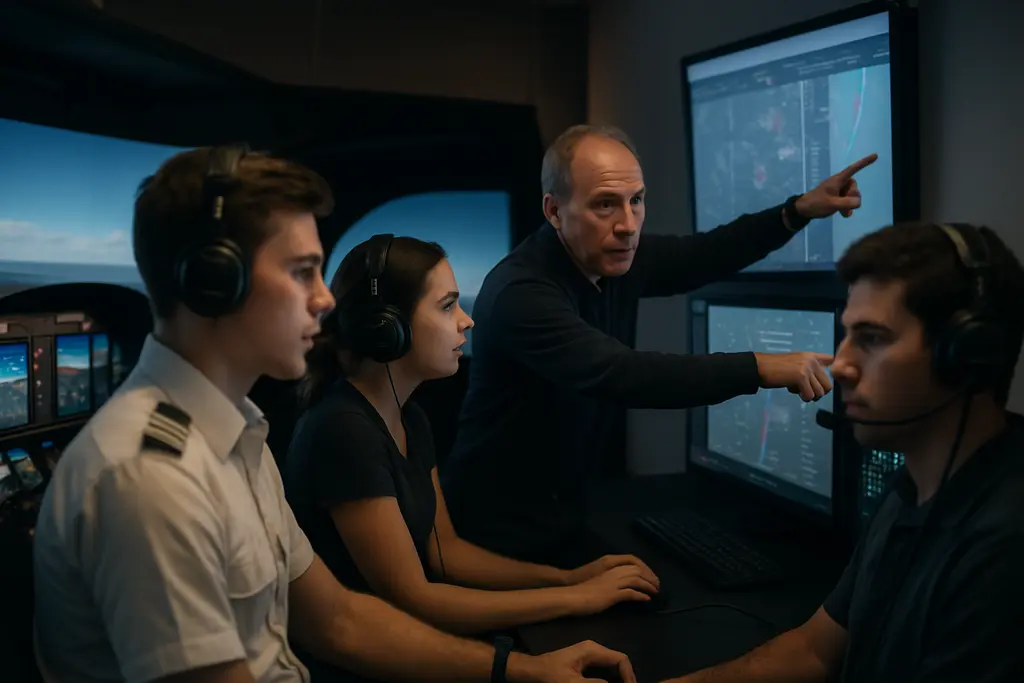
Simulators are another tool to improve. Whether in a training center or at home, they’re great for practicing procedures and making radio calls. For student pilots, using a simulator means keeping your skills sharp, even when you can’t fly due to weather or your schedule.
Costs and Funding Options
Talking about money is when the dream of flying meets the reality of costs. The cost to get a pilot license varies a lot. It depends on how often you take lessons, where you train, fuel prices, and the weather. Your choice of aircraft and how quickly you learn also play a big part. Suddenly, learning to fly feels more like a lesson in economics than adventure.
Here’s the weird truth: flying more can actually save you money. Flying twice or three times a week means you spend less time going over things you’ve forgotten. Being consistent helps keep your skills sharp. This way, you can lower the total cost of getting your pilot license.
When flight schools talk about “total hours in flight,” they’re talking about engine running time. But there’s also ground time. This includes preflight planning, learning theory, and review sessions where your instructor gives feedback. Sometimes, you have to pay for this ground time. So, understanding the rate sheet is crucial.
| Cost driver | How it changes your total | Budget move that helps |
|---|---|---|
| Lesson frequency | Having a long time between lessons can mean more review and slower progress | Having 2–3 lessons a week helps you remember skills better |
| Weather delays | Bad weather can cause delays, needing more review time | Plan extra time for bad weather, especially during stormy months |
| Location-based rates | Higher costs at some airports raise rates for aircraft and instructors | Look at different airports for better rates; get a fees list |
| Training aircraft choice | Different planes have different costs for rent, fuel, and upkeep | Choose a common, easy-to-find plane to avoid schedule issues |
| Individual aptitude and prep | Good preparation means less time spent re-learning | Study well and practice on your own to get better faster |
| Certificate type | Different licenses require different hours and skills | Choose a license that fits how you want to fly |
Remember to account for extra costs like the price of airport coffee. Fees for exams, study materials, a good headset, insurance, and simulator time add up. Think of these as necessary items, not unexpected costs. This approach keeps your training journey smooth.
- Examiner and test fees (costs related to tests)
- Books/resources (materials for studying)
- Aviation headset (important for comfort and clear communication)
- Renter’s insurance (a good idea when you’re renting planes)
- Simulator practice costs (helps with learning procedures)
Here’s a tip: be cautious of flight schools that promise a set price for getting your license. Training is not like ordering fast food; everyone learns at their own pace. Ask about extra time, how they charge for instruction, and any hidden fees.
If you find satisfaction in tracking your progress, tools like AOPA Flight Training Advantage can help. They let you see where you need improvement and push better preparation. It’s not a quick fix, but it can help avoid wasting time and money on your way to getting your pilot license.
Tips for Success and Avoiding Common Mistakes
Every student pilot quickly learns that aviation doesn’t favor last-minute heroics. Instead, it values steady, consistent progress. Think of pilot training as a series of steps—like first takeoff, landing, solo flight, and so on. If one step is missed, the whole journey can falter.
The motto for flight school might as well be: “Always do the smart, safe things.” Even before flying solo, I rely on a checklist I can follow under pressure. This includes a thorough check of the plane, a weather review, and having all necessary papers ready.
When you’re flying solo, mistakes are often the same and somewhat predictable. Managing the plane’s altitude and direction gets tougher with distractions like radio communication and watching for other aircraft. Wind changes can make landings tricky. Staying disciplined, using checklists, and keeping aware of your surroundings help. It’s important to go over the flight right after to remember the details.
Flying solo also tests your ability to handle emergencies quickly. It’s different practicing emergencies on the ground than facing them in the air. During training, remember these steps: fly the plane, know where you are, and then communicate. Stick to the basics, and avoid unnecessary drama.
Remember, you’re not the main star of the show—your instructor is your go-to guide, not the most outspoken person around. Learn from others, but always relate it back to your training. Support from friends and family is crucial too, especially when facing the tough parts of training that test your determination.
| Milestone focus | Common mistake | Simple fix | How it fits flight school basics |
|---|---|---|---|
| First takeoff/landing | Rushing checks to “get airborne” | Slow down, use the checklist, verify runway and winds | Builds procedural memory before the workload spikes |
| First solo | Showing up unprepared on weather, docs, or plan | Aircraft inspection, weather check, documents ready, briefing | Makes solo a repeatable system, not a lucky day |
| First crosswind landing | Fighting the airplane instead of correcting early | Stabilize on final, use proper aileron/rudder, go around sooner | Reinforces judgment and a stabilized approach mindset |
| First solo cross-country | Fixating on the GPS and missing the big picture | Brief airspace, set checkpoints, keep scanning, stay ahead of the plane | Turns navigation into a process, not a gadget demo |
| Checkride prep | Studying in bursts and hoping confidence appears | Short daily review, mock oral, scenario practice, honest debriefs | Aligns pilot training steps with consistent performance |
To fill any knowledge gaps, adding some smart reading to your schedule can be a big help. For starting with the basics, Stick and Rudder by Wolfgang Langewiesche is still relevant. Alan Bramson’s Be a Better Pilot covers techniques and tricks for small fields well. And for weather knowledge that’s easy to digest, Pilot’s Weather by Brian Cosgrove is a good pick.
If you’re curious about the reasons behind accidents and poor decisions, The Naked Pilot by David Beaty provides insightful lessons. And for a boost of motivation, check out classics like Fate is the Hunter by Ernest K. Gann, A Gift of Wings by Richard Bach, and several others. While these books can’t replace actual flying time, they can keep your spirits up and your mind sharp in between lessons.
Timeline: Your Journey Forecasted
Starting as a student pilot isn’t like what you see in ads for airlines. You begin with an introductory flight where conditions dictate the day, and pre-flight checks are essential. Quickly, you find yourself at the controls, surprised and exhilarated.

Early on, you learn to guide the plane with someone’s help, flying in patterns and sometimes handling landings yourself. Some attempts are perfect; others, not so much, as if the wind has a vote on your performance. This phase makes the student requirements feel very real, with a focus on maintaining a logbook, preparing well, and learning from mistakes.
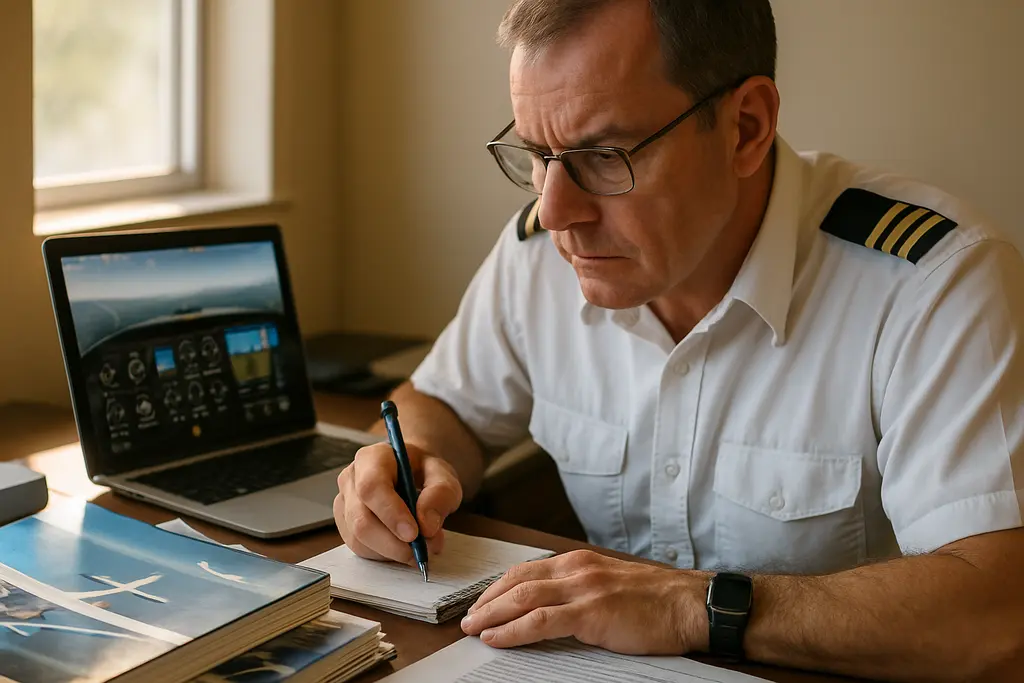
Study for flying isn’t delayed until after your flights; it’s part of the process from the start. You’ll review important subjects like airspace rules and weather conditions regularly. Once you understand the material, not just memorize it, you’re ready for the written test.
Going solo isn’t marked on the calendar; it’s about when you’re ready, based on your skills. This can happen after 10–30 hours of training. The memorable first solo flight usually includes taking off and landing on your own three times.
After your solo flight, you start learning more complex flying skills and navigating to different airports. Training alternates between flying alone and with an instructor. You’ll practice making quick decisions and managing the plane confidently.
The hours needed to get your pilot’s license can vary a lot. While the minimum is 40 or 35 hours, depending on the training path, most people need between 60 and 75 hours. Flying regularly helps you progress; flying sporadically means spending time and money on review.
| Phase | What you’re doing | Typical timing (hours/weeks) | What moves you forward |
|---|---|---|---|
| Intro flight | Preflight basics, local area flying, first feel of the controls | 1 lesson; timing depends on weather and schedule | Comfort with the cockpit flow and basic control feel |
| Early training | Takeoffs with instruction, pattern work, basic climbs/turns/descents | ~5–15 hours across 2–6 weeks | Consistent airspeed control, safer landings, solid radio habits |
| Ground study + review | Airspace, weather, aerodynamics, performance, FAR basics | Ongoing; often 3–8 weeks of steady study | Quicker cockpit decisions and fewer “what was that again?” moments |
| Written exam | Knowledge test after ground school prep | Often mid-training; many take it before heavy checkride prep | Strong practice test scores and instructor sign-off |
| Pre-solo check | Pattern consistency, emergency procedures, endorsements | Commonly ~10–30 hours; frequency matters | Meeting student pilot requirements and showing safe judgment |
| First solo | Often three takeoffs and landings in the pattern | 1 day; the build-up is the real timeline | Stable approaches, safe go-arounds, calm radio work |
| Cross-country phase | Dual and solo cross-country, navigation, diversions, weather decisions | ~10–25 hours across 3–8 weeks | Planning accuracy, fuel management, confident reroutes |
| Polish + checkride prep | Maneuver standards, regs review, mock oral and practical runs | Final 2–6 weeks; often lands total time at 60–75 hours | Meeting Airman Certification Standards with repeatable results |
| Checkride with a DPE | Oral exam plus practical flight against Airman Certification Standards | 1 day, scheduled after consistent performance | Readiness across knowledge, judgment, and flying skills for the pilot license |
That’s your journey, not a simple straight line but a climb with challenges. Keep a steady pace, and your path as a student pilot will feel like a well-planned flight.
Conclusion: From First Flight to Certification
Learning to fly is like boot camp, a coming-of-age movie, and dealing with lots of paperwork all at once. Your first solo flight is thrilling. It shows you can fly safely on your own. At some flight schools, the new solo pilot gets drenched with a bucket of water. It’s a fun way to celebrate this big step towards flying independence.
This guide highlights how pilot training is a series of steps you can track and check off. The first solo flight marks a big moment of independence. Then, cross-country flights challenge your skills in navigation, understanding weather, and making smart choices when far from home.
The checkride is where you show you’re up to FAA standards for flying. By the time you get your pilot license, you’ve passed many important tests. Each step has a clear purpose on this unique journey where following the rules is key.
But getting a pilot license isn’t the endpoint; it’s just the beginning of a lifelong adventure in learning. Pilots often go on to gain more advanced skills and certifications. Some people find the detailed rules and checklists of flying very appealing. In flying, love for the process and continuous improvement is what it’s all about.