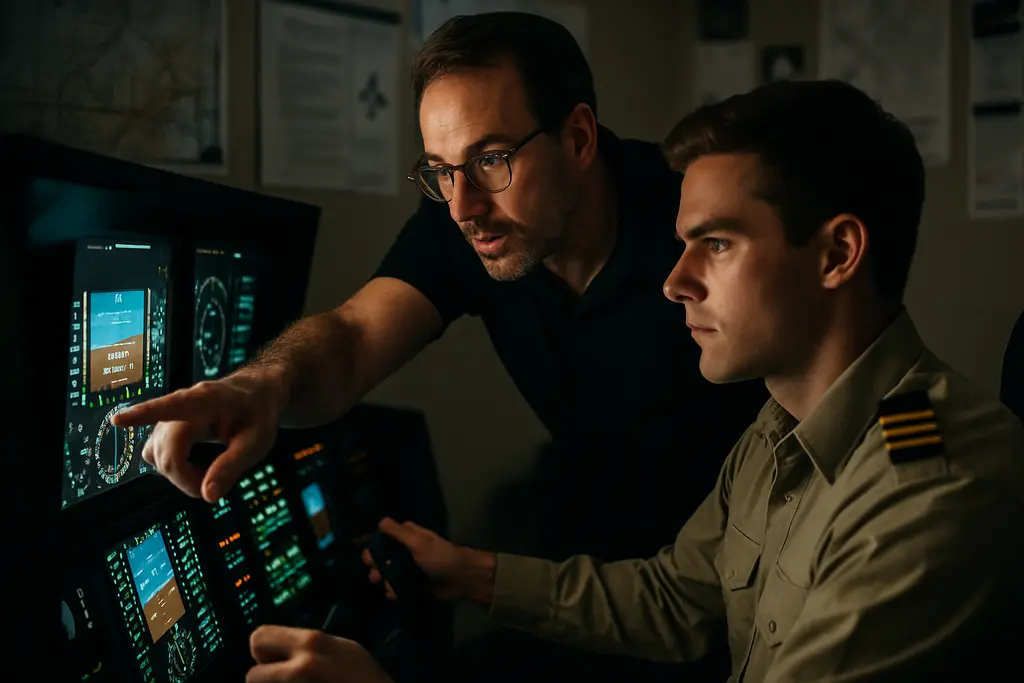
Learning how to log flight time correctly is one of those early pilot skills that seems simple until you realize how much depends on it. Your logbook is not just a diary of flights. It is the record that supports your eligibility for solo endorsements, checkrides, ratings, currency, and future certificates. If your entries are incomplete, inconsistent, or logged in the wrong categories, small mistakes can turn into bigger problems later when an instructor, examiner, or employer needs to verify your aeronautical experience. The FAA’s core logging rule is in 14 CFR § 61.51, which lays out what must be recorded and when pilot time may be logged.
For student pilots, the best approach is to build clean habits early. That means logging flights promptly, understanding the difference between total time and specific categories of time, and avoiding the temptation to “round up” or guess. A logbook should make your training easier to track, not harder to explain later.
Why Accurate Logbook Entries Matter So Much
A pilot logbook becomes more important as training progresses. Early on, it may feel like a running total of lessons and solo flights. But once you move toward endorsements, practical tests, and additional ratings, your logbook becomes proof.
That proof matters because the FAA requires pilots to document specific aeronautical experience, and instructors also use logbook records to confirm training history and endorsements. FAA guidance also notes that keeping records current is beneficial because total flight time and aeronautical experience affect items such as certification records and even insurance considerations.
A good logbook should let someone quickly verify what training you received, what conditions you flew in, what pilot time you can legally claim, and whether the entry supports a future certificate or privilege.
Know What Must Be Logged
Under 14 CFR § 61.51, a pilot must document training and aeronautical experience used to meet the requirements for a certificate, rating, or flight review. The regulation also specifies that each logged entry should include details such as the date, total flight time or lesson time, departure and arrival locations or simulator identification where applicable, and the type and identification of the aircraft, simulator, or training device.
That does not mean every flight has to become an essay. It means each entry should be complete enough to stand on its own if you need to prove what happened during that lesson.
| Logbook Element | What To Record | Why It Matters |
|---|---|---|
| Date | Day of flight or lesson | Establishes training timeline |
| Aircraft type and ID | Make/model and tail number | Confirms aircraft used |
| Route or locations | Departure and arrival airports | Supports cross-country and lesson review |
| Total time | Full duration of flight | Forms the base of experience totals |
| Training type | Dual, solo, PIC, cross-country, instrument, night | Determines certificate eligibility |
| Remarks | Lesson focus, endorsements, maneuvers | Adds clarity for later review |
Understand The Difference Between Total Time And Loggable Categories
One of the most common student mistakes is assuming that every hour flown is logged the same way. It is not. Total time is your broad running total, but additional categories like dual received, solo, cross-country, night, instrument, and pilot in command all have their own rules.
This is where pilots get into trouble. A flight can count as total time, but that does not automatically mean it counts as cross-country, PIC, or instrument time for a specific purpose. The rule in § 61.51 separates these categories because each one supports different privileges and certificate requirements.
The safest mindset is to ask two questions after every lesson:
How long was the flight?
What type of time was this legally and accurately?
Student Pilots Need To Be Especially Careful With Solo And Training Time
For student pilots, solo entries matter because they directly connect to endorsements and training progress. FAA student pilot guidance explains that before solo flight, an instructor endorses the student’s logbook after training and evaluation. The FAA also notes that solo endorsements are placed in the student logbook, not on the student pilot certificate.
That makes the logbook even more important. If your solo flights and endorsement records are not clear, your training trail gets harder to verify. The same is true for dual received. If you are logging instruction, make sure the time clearly reflects that it was training given by an authorized instructor and that any remarks are specific enough to be useful later.
Pilot In Command Time Is Where Many Pilots Get Confused
PIC time is one of the most misunderstood logbook categories. The key issue is that logging PIC is not always identical to acting as PIC in the operational sense. For many student and private pilot situations, the logging rules depend on what privileges you hold and what role you had during the flight.
For example, § 61.51 explains when pilots may log PIC time, including situations involving sole manipulator time for aircraft for which the pilot is rated or has privileges, and other specific circumstances. That means pilots should not assume they can label a flight as PIC simply because they were flying the airplane for part of the lesson.
This is one of the best reasons to keep your logbook conservative and instructor-reviewed during training. A clean, defensible entry is far more valuable than an inflated one.
Cross-Country Time Must Match The Applicable Definition
Another area where students often make avoidable mistakes is cross-country time. In normal conversation, almost any flight away from the home airport sounds like “cross-country.” In certification terms, though, the definition can vary depending on what certificate or rating the time is being used for.
That is why smart pilots do not just label flights casually. They make sure the route and purpose of the flight support the category being logged. If your future checkride preparation depends on a certain amount of cross-country time, sloppy entries create unnecessary cleanup later. That is also why organized recordkeeping supports every stage of training, especially when you start reviewing your experience for a practical test. If you are already thinking ahead to that stage, PilotPointer’s private pilot checkride prep guide fits naturally with keeping a clean training record.
Digital Vs Paper Logbooks
Both digital and paper logbooks can work well if they are accurate and current. A digital logbook makes totals, category tracking, and backups easier. A paper logbook can feel more tangible and is still widely used in training. The better choice is usually the one you will keep updated consistently.
FAA guidance stresses the value of keeping records current, and that principle matters more than format. A digital system with missing flights is worse than a neat paper logbook. A paper logbook with unclear categories is worse than a well-maintained digital one. Consistency matters more than preference.
Log Flights Promptly And Review Totals Often
The easiest way to avoid logbook errors is to enter flights as soon as possible after each lesson. Waiting too long leads to guessed times, forgotten routes, vague remarks, and misclassified training.
A practical review routine helps:
- Log the flight the same day
- Confirm category breakdowns before closing the entry
- Review cumulative totals every few lessons
- Ask your instructor about anything unclear before it compounds
This is especially useful before major milestones like solo, stage checks, and checkride signoff. The cleaner your recordkeeping, the easier it is to see whether your actual experience matches the training requirements you are trying to satisfy.
Use FAA Guidance Instead Of Forum Advice
Pilots often hear logging advice from other students, online groups, or hangar conversations. Some of that advice is helpful, but some of it mixes opinion with regulation. For anything that affects legal logbook entries, go back to the source.
A strong official reference is the FAA’s pilot logbook rules, which spells out the entry requirements and logging categories in 14 CFR § 61.51.
Frequently Asked Questions
Should I Log Every Flight I Take?
You should log the training and aeronautical experience you need to document for certificates, ratings, flight reviews, and currency. Many pilots also log more broadly for personal tracking, but required training records must always be complete and accurate.
Can A Student Pilot Make Mistakes In A Logbook And Fix Them Later?
Yes, but it is much easier to avoid mistakes than to reconstruct old entries. Prompt, organized logging makes corrections less likely and easier to explain if needed.
Is A Digital Logbook Better Than A Paper Logbook?
Not automatically. A digital logbook is often easier for totals and backups, but either format works if it is current, accurate, and clearly organized.
Why Does Logging Flight Time Correctly Matter Before A Checkride?
Because your examiner and instructor may need to verify that you meet the aeronautical experience requirements for the certificate you are seeking. Poor logbook entries can slow that process down or create avoidable questions.
Final Takeaway
Learning how to log flight time correctly is really about building professional habits early. A clean logbook supports training progress, protects you during milestone reviews, and makes future certificates much easier to document. If you log flights promptly, understand what each category actually means, and rely on FAA guidance instead of guesswork, your logbook becomes what it should be: a clear, accurate record of your growth as a pilot.