The Marine One incident at Reagan National Airport has become a practical case study in how small procedural gaps can create outsized safety concerns in dense terminal airspace. On August 4, 2026, Marine One departed from the Ellipse rather than the White House South Lawn because construction affected normal operations. The safety issue was not framed as a single-point failure. Instead, the preliminary record pointed to communication limits, warning procedures, and mixed helicopter-and-airliner traffic operating near one of the country’s most constrained airports.
For pilots, the value of this review is not political. It is operational. Reagan National, known in aviation shorthand as DCA, sits inside highly controlled airspace where helicopters, airline traffic, security procedures, special-use movements, and runway configurations all intersect. The lessons apply well beyond Washington: radio coverage must be dependable, ATC coordination must be timely, and visual assumptions need strict backup when traffic types share tight corridors.
What The Marine One Incident Changed
Marine One Incident Timeline At Reagan National
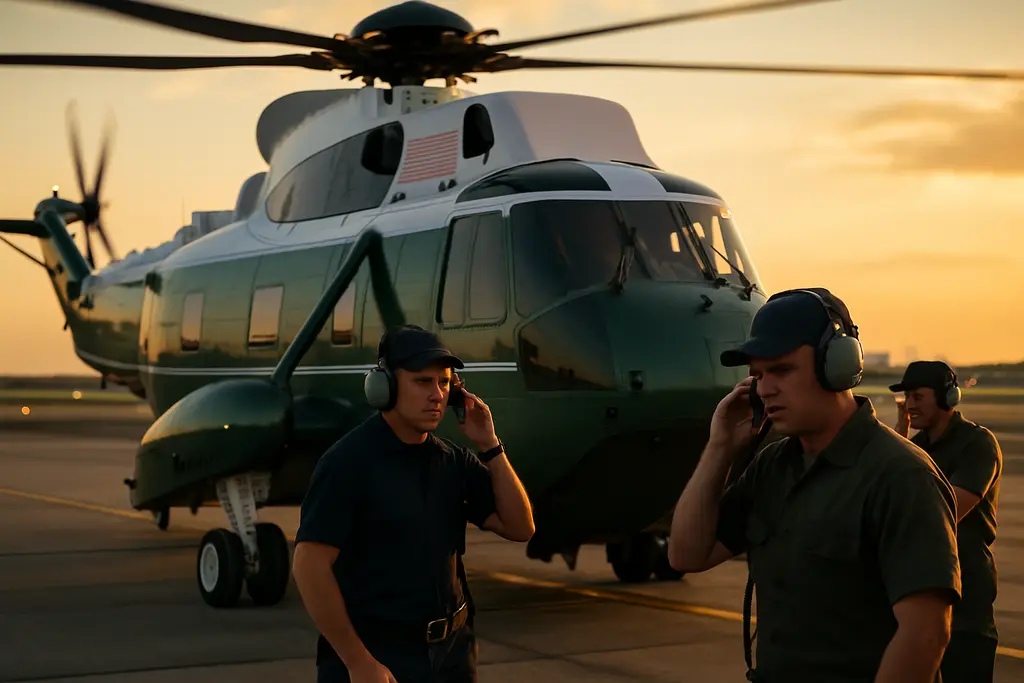
The Marine One incident began on August 4, 2026, when the presidential helicopter departed from the Ellipse, a temporary helipad, rather than the South Lawn. According to the preliminary National Transportation Safety Board findings published on August 27, 2026, White House construction interfered with radio communications between Marine One and air traffic controllers, and Reagan National controllers did not receive the required three-minute warning before departure, as reported by The Washington Post.
That three-minute warning mattered because commercial flights continued operating even though Marine One was preparing to depart. In a terminal environment with heavy airline traffic, the timing of a single notice can affect runway use, departure sequencing, and traffic advisories. The finding did not suggest that pilots alone could have solved the problem from the cockpit. It showed that ground infrastructure, construction planning, interagency communication, and ATC notification procedures all had direct safety relevance.
Radio Coverage And Temporary Helipad Risk
Temporary helicopter operations are not automatically unsafe, but they can introduce new risk if the temporary site changes line-of-sight radio performance or coordination paths. In this case, the departure point changed because of construction. The preliminary finding tied that construction to interference with communications between Marine One and Reagan National’s tower environment. Afterward, one corrective action identified in the research was relocation of an antenna to improve communications between Marine One pilots and the tower.
The pilot takeaway is straightforward: a published or approved operating location still needs a working communication chain under the conditions present on the day of flight. If construction, equipment placement, or temporary staging affects a helicopter route or landing zone, the safety review has to treat communications as an operational item, not just a technical detail. Crews may not control every infrastructure choice, but they can press for confirmation that frequency coverage, backup procedures, and tower coordination have been verified before a sensitive movement begins.
FAA Restrictions Around Reagan National
Permanent Limits Near Runways 15 And 33
Several DCA safety changes predated the August 4 event and shaped the operating environment around Reagan National. On January 22, 2026, the FAA formalized permanent restrictions that barred certain helicopter and powered-lift operations around DCA unless they were essential, with special emphasis on periods when Runways 15 and 33 were in use, according to the FAA notice. The same action prohibited operations on Helicopter Route 4 between Hains Point and the Wilson Bridge when Runways 15 and 33 were active for fixed-wing departures or arrivals.
Those restrictions reflected a policy choice to reduce mixed-use exposure in a confined corridor. For airline crews, helicopter crews, and dispatch teams, the operational message is that runway configuration can change more than departure performance or arrival planning. It can also change which rotorcraft routes are available, which movements are treated as essential, and how controllers protect traffic from each other.
Radar Separation Replaced Visual Reliance
Another procedure change shifted mixed helicopter and fixed-wing operations away from relying on visual separation near DCA. Controllers were instructed to apply radar separation standards instead, using 1.5 nautical miles of lateral separation or 500 feet of vertical separation between aircraft. That change is especially relevant because visual separation can be harder to sustain when aircraft differ sharply in size, speed, climb profile, and route geometry.
Visual acquisition remains a core pilot skill, but it has limits in crowded terminal airspace. Cockpit workload, sun angle, aircraft aspect, and urban background clutter can all make traffic harder to see. The DCA procedure change treated radar-based spacing as a more predictable barrier for mixed operations. That does not remove the pilot’s see-and-avoid responsibility. It strengthens the system around the crew by reducing dependence on human visual performance alone.
Operational Lessons For Line Pilots
Brief The Local Procedure, Not Just The Route
After the Marine One incident, pilots reviewing DCA operations should think in terms of procedure interaction. A helicopter route, a runway assignment, a temporary landing zone, and a tower coordination requirement are not separate pieces. They affect each other. If one element changes, such as a helipad location, the rest of the safety chain may need review as well.
For crews operating near special-use airspace or high-density airports, the preflight briefing should go beyond headings, altitudes, and frequencies. It should include what triggers a route restriction, which runway configurations create special handling, and whether any temporary construction or event setup could affect communications. Even pilots who never fly presidential-support missions can apply the same habit when operating near hospitals, law-enforcement routes, stadium temporary flight restrictions, military heliports, and urban shoreline corridors.
- Confirm the active runway configuration before assuming a helicopter route remains available.
- Verify ATC frequency expectations when using a temporary pad, alternate helipad, or nonstandard departure point.
- Ask early if spacing is being handled by radar separation rather than visual separation.
- Review local notices and tower instructions for route closures affecting mixed helicopter and fixed-wing traffic.
Communication Discipline Is A Safety Tool
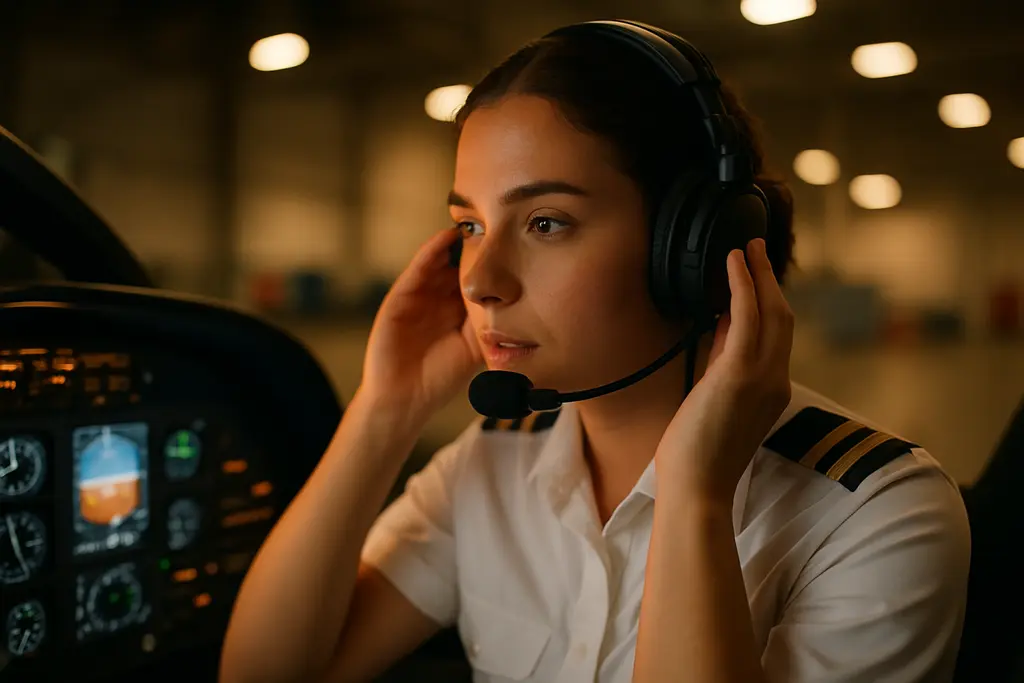
The communications issue in the DCA event reinforces a basic cockpit standard: if the clearance path is unclear, slow the process down. That may mean asking ATC to repeat a clearance, confirming a hold point, or verifying whether another agency has completed the required notification. Professional radio work is not about sounding brief for its own sake. It is about removing ambiguity before aircraft begin moving through the same piece of airspace.
For instructors, this event is also useful in scenario-based training. A student can understand controlled airspace rules in a textbook and still miss the real-world risk created by a delayed warning, a blocked transmission, or a temporary departure site. Building those cases into training helps pilots learn that procedural compliance depends on the full system working at the right time.
Safety Culture And Media Briefings

Clear Training Content Matters
Safety changes only help if crews understand them before they matter in flight. That makes training delivery part of the operational chain. A notice about a route closure or a change from visual to radar separation needs plain language, clear diagrams, and enough context for pilots to understand why the change exists. Operators that use video briefings should treat them as safety communication products, not casual internal updates. For those interested in how educational content is shared across media platforms, our sister site Internet Video Magazine provides insights into video publishing practices that enhance training communication.
The best safety briefing does not overload crews with background. It identifies the changed procedure, the trigger that activates it, the pilot action required, and the consequence of getting it wrong. In the DCA case, that means focusing on runway-dependent helicopter restrictions, radio coverage expectations, and the need for timely notification before special helicopter movements.
What Remained Unsettled By September 3, 2026
As of September 3, 2026, the August 27 preliminary findings had identified contributing factors, but a preliminary report is not the same as a final accident or incident report. The record supported a careful reading: construction affected communications, the required warning was not provided to controllers, and corrective steps were taken to improve procedures and radio performance. It did not support broad claims about intent, blame, or the conduct of individuals beyond the stated findings.
The larger DCA safety program also remained a work in progress. Research for this article noted that the NTSB issued 52 recommendations after the January 29, 2025 midair collision near Reagan National, and that 51 remained open as of mid-August 2026. The closed recommendation involved immediate restrictions on mixed aircraft use and route changes. For pilots, that status matters because open recommendations can later become procedure updates, training revisions, or operating limitations.
Marine One Incident Lessons For Pilots
The Marine One incident should be read as a systems lesson. A temporary helipad, construction interference, a missed warning window, and mixed traffic near DCA combined to expose a gap that procedure changes then sought to reduce. The incident also showed why dense airspace demands more than ordinary radio discipline. It requires reliable infrastructure, clear roles between agencies, and conservative separation standards when rotorcraft and fixed-wing aircraft operate close together.
For the modern pilot, the practical response is disciplined preparation. Know which local procedures depend on runway use. Treat temporary operating sites as fresh risk assessments. Confirm communication paths before movement. Respect radar separation as a safety barrier, not a bureaucratic detail. The DCA record from 2025 and 2026 shows that aviation safety improves through specific, documented changes rather than vague reassurance. That is the standard pilots should expect from the system and bring into their own cockpit habits.