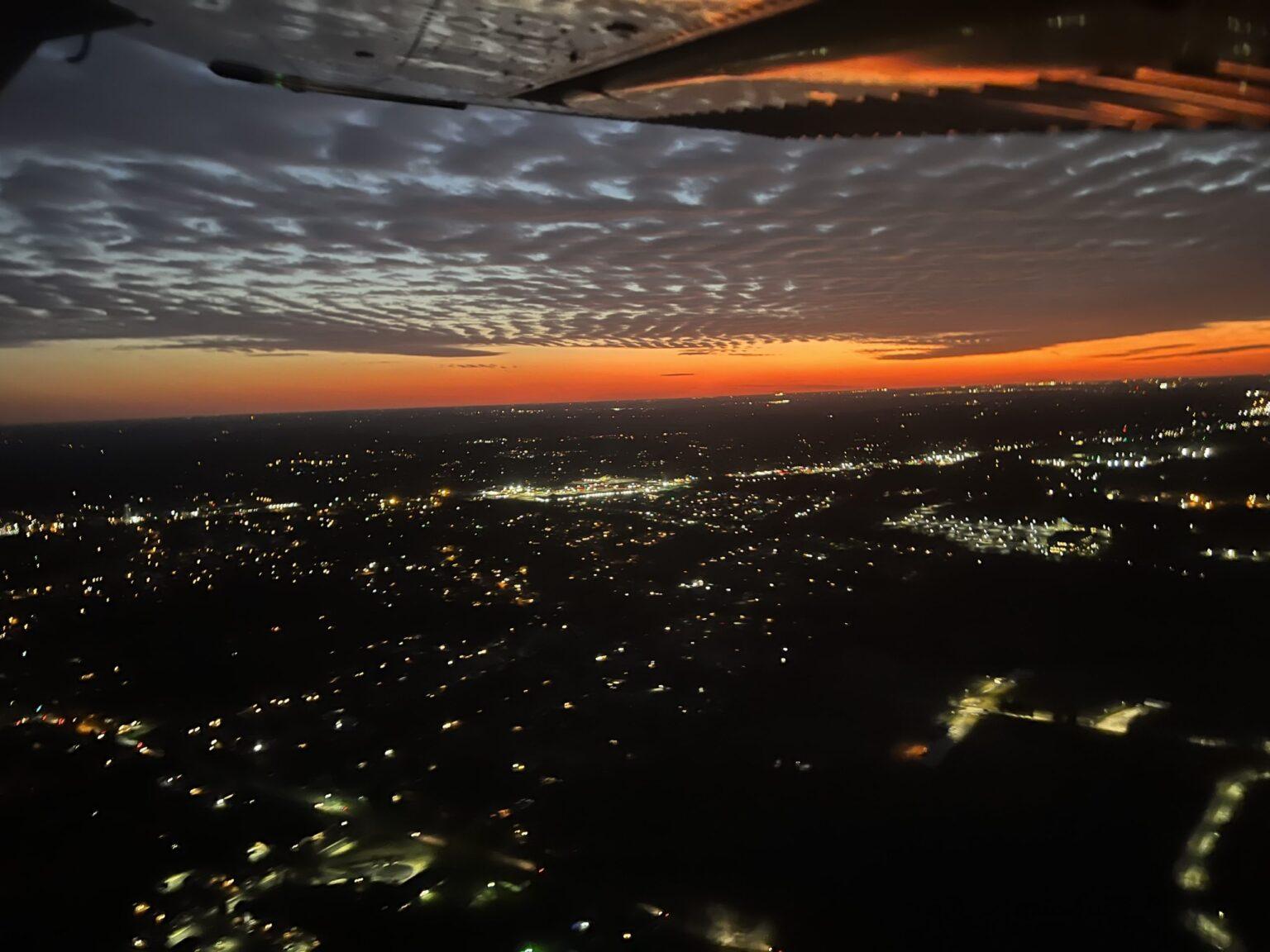
Night flying transforms the familiar landscape into an unrecognizable grid of lights and dark voids. The air generally turns smoother and traffic frequencies quiet down after sunset, but operating an aircraft in the dark strips away your primary source of situational awareness: the visible horizon. Relying entirely on aircraft instruments and ground lighting requires a total mental shift from daytime visual flight rules. A casual evening flight quickly becomes an emergency if an alternator fails or an unexpected cloud layer rolls in. Aviators must approach these operations with extreme discipline, treating a clear night flight with the same respect as hard instrument conditions. Preparing properly guarantees you retain control when your eyes start playing tricks on your brain.
Decoding Night Flying Regulations And Logging Rules
The federal government breaks the definition of night into three distinct categories, and confusing them leads to direct regulatory violations. The first definition dictates when your aircraft must display its position lights, running exactly from sunset to sunrise. The second definition covers logging actual night flight time, which begins at the end of evening civil twilight and ends at the start of morning civil twilight. You can verify these specific times for your exact airport location using the Naval Observatory astronomical data before you ever start the engine.
The third and most critical definition involves carrying passengers. To act as pilot-in-command with passengers on board after dark, you must hold strict night currency. This requires completing three takeoffs and three landings to a full stop between one hour after sunset and one hour before sunrise within the preceding ninety days. Touch-and-go landings do not satisfy this requirement. The landing gear must absorb the full weight of the aircraft, and you must decelerate to a complete stop on the runway. Pilots focused on solo flight success and early training milestones often struggle with the shifting sight pictures during a full-stop night landing, making consistent practice absolutely necessary to build correct muscle memory.
Combating Hazardous Visual Illusions
Human eyes evolved to function in daylight, making them highly susceptible to severe illusions in the dark. Autokinesis ranks among the most disorienting physiological traps a pilot faces. If you stare at a single, stationary light source in a totally dark environment for a few seconds, the light will appear to move. Pilots chasing an autokinetic star or distant ground light often bank the aircraft into a dangerous spiral. You defeat this illusion by keeping your eyes moving and continuously scanning your flight instruments.
Empty-field myopia presents another serious threat during high-altitude night cross-countries. When staring into a featureless, pitch-black sky, the human eye naturally relaxes and focuses on a point just two meters in front of the windshield. This drastically reduces your ability to spot opposing traffic. Similarly, executing a visual approach over a dark body of water or unlit terrain creates the black-hole illusion. Without peripheral visual cues to judge height, pilots routinely fly these approaches dangerously low. Relying on electronic glideslopes and Visual Approach Slope Indicators (VASI) keeps your descent profile strictly mathematical. You can study the full breakdown of these physiological hazards within the Federal Aviation Administration Aeromedical manuals to recognize the symptoms early.
| Visual Illusion | Primary Cause | Required Pilot Action |
| Autokinesis | Staring at a single light in a dark background. | Shift your gaze frequently; rely on the attitude indicator. |
| Empty-Field Myopia | Lack of external visual references. | Focus on distant, bright ground targets or instrument panels. |
| Black-Hole Approach | Landing over water or unlit terrain without peripheral cues. | Fly a strict instrument glide path or follow the VASI/PAPI lights. |
Cockpit Lighting And Physiological Preparation
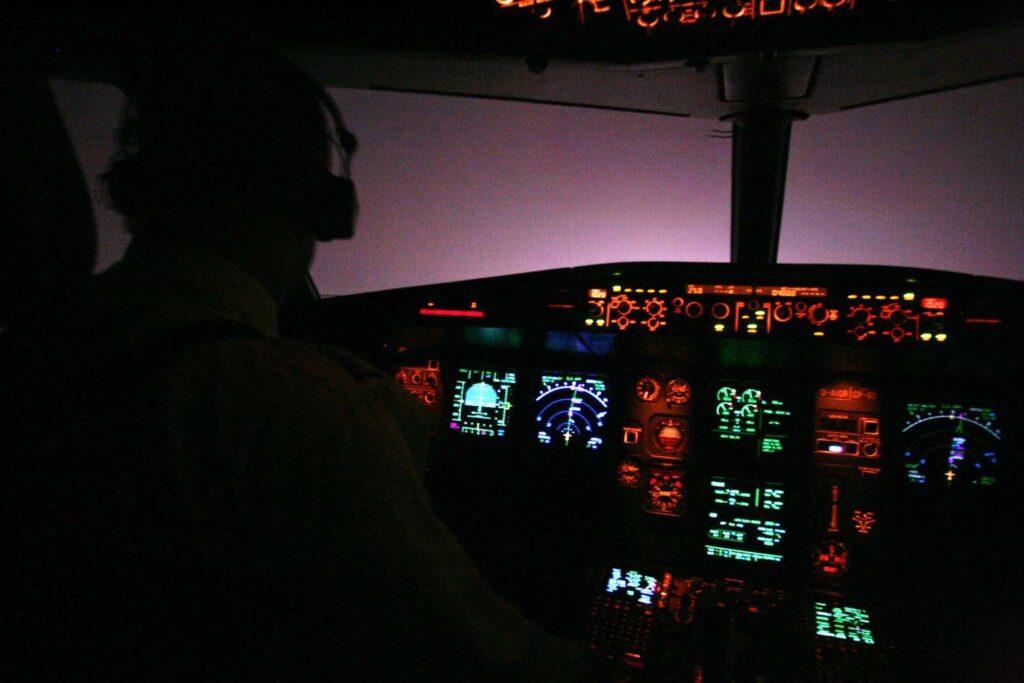
Preserving your night vision dictates every action you take inside the flight deck. The rods in your eyes require roughly thirty minutes to fully adapt to a dark environment. A single flash of bright white light from a smartphone or a poorly aimed flashlight instantly destroys that adaptation, blinding you for another half hour. Standard aviation procedure involves using dim red lighting for chart reading and preflight checks. Red light protects your rod cells, allowing you to read your instruments while maintaining outside visibility.
Modern avionics and electronic flight bags introduce massive panels of bright light right into your lap. You must physically dim your tablet screens to their absolute lowest settings and invert the chart colors to dark mode. Beyond hardware management, your physical health directly impacts your vision. The retina consumes immense amounts of oxygen. At night, your visual acuity begins to degrade at just five thousand feet of altitude. Maintaining a healthy diet, avoiding smoking, and considering supplemental oxygen at lower altitudes keeps your eyes functioning at peak capacity. Organizations like the Aircraft Owners and Pilots Association (AOPA) provide excellent safety seminars focusing specifically on preparing your body and your aircraft for after-dark operations. Treat the darkness as an entirely separate operating environment, and you will fly safely until the sun comes back up.