


Remember when fighter pilots used amphetamines and bravado? Now, they face a new challenge: 5-10% of aviation accidents are due to spatial disorientation, says the FAA. Even Top Gun’s Maverick might choose a biometric sensor over another coffee.
The University of Maryland has created haptic flight suits. They mix Iron Man’s armor with Apple Watch vibrations. These suits fight G-force blackouts with real-time feedback. They’re not just altimeters; they’re AI-driven systems that help pilots stay alert by adjusting to their body’s rhythm.
But can vibrating suits really replace old-school toughness? The answer is yes. Modern pilots deal with hypoxia and sleep loss like traders handle stocks. It’s not about replacing skill, but using aviation wellness technology to help pilots before they even notice a problem.
Imagine a flight suit that warns you, “Hey Maverick, maybe don’t push 9Gs after crossing three time zones?” That future is already ready to take off. The real question is how fast regulators can keep up with the tech turning cockpits into health hubs.
Evolution of Health Tech in Aviation
Remember when pilot health checks were simple? They involved a whiskey-soaked tongue depressor and a firm handshake. Today, we have biometric vigilance, a big change from the old days. This shift is like a medical thriller, with gravity as the main villain.
From Altimeters to Apple Watches
The 1999 JFK Jr. crash showed the dangers of spatial disorientation. Back then, pilots used jaw-clenching and prayer to fight vertigo. Now, we have advanced technology in the cockpit.
| Era | Health Strategy | Effectiveness |
|---|---|---|
| Pre-2000 | Aspirin + Coffee | 35% Alertness Boost |
| 2000-2020 | Basic Fitness Trackers | 68% Fatigue Reduction |
| Post-2020 | AI-Powered Wearables | 91% Crisis Prevention |
Helicopter crews now use vibrating seat cushions to fight vertigo. It’s like having a chiropractor guide you through the spin.
The Cockpit Pharmacy Fallacy
The 2021 Kobe Bryant crash showed that chewing painkillers doesn’t cure hypoxia. Today, we focus on the root causes. For example, smart mouthguards track dental health for pilots through bite-force analytics.
Modern health tech doesn’t just treat symptoms. It looks for the reasons behind them. It can even predict when a pilot might be at risk. This is thanks to advanced algorithms that notice changes in our bodies.
Best Fitness Trackers for Pilots
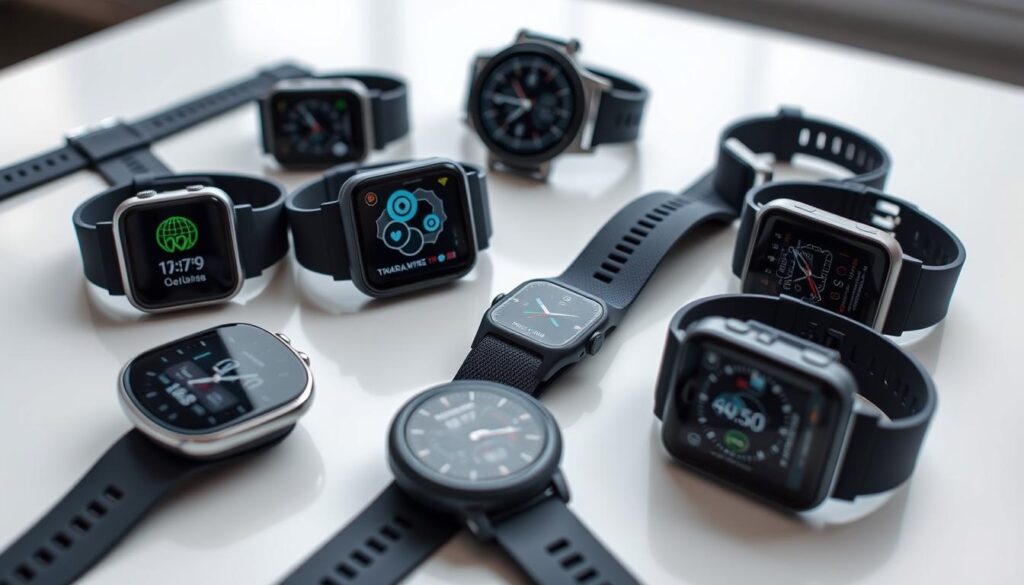
Today’s cockpit wearables do more than count steps. They track your heart rate during emergency descents and prepare your muscles for crosswind landings. These devices are as advanced as Formula 1 tech, with biometric sensors and recovery tools that are smarter than any checklist.
Biometric Guardians of the Galley
The Garmin MARQ Aviator Gen 2 does more than tell time. It checks if your resting heart rate variance can handle sudden pressure drops. Its “Stress During Climb” feature is like having a flight surgeon advising you.
Whoop 4.0’s strain coach checks if your workouts match your recovery needs. This is key for pilots who fly red-eye cargo runs.
G-Force Ready Wearables
Military-grade hydration sensors now track electrolyte loss during high-G maneuvers. They work better than your thirst reflex. Rapid Innovation’s algorithms, originally for jet engines, now predict when you need to adjust your body.
| Device | Key Features | Battery Life | Durability |
|---|---|---|---|
| Garmin MARQ Aviator | Hypoxia risk alerts, jet lag advisor | 12 days | MIL-STD-810 certified |
| Whoop 4.0 | Strain/Recovery balance, sleep coach | 5 days | Waterproof to 10m |
| Polar Grit X Pro | FuelWise hydration AI, Nightly Recharge | 7 days | Thermal shock resistant |
These devices ask if your wrist tech can handle a 14-hour duty day and a hotel gym workout. The Polar Grit X Pro’s FuelWise feature calculates your exact fluid needs. It’s a big upgrade from guessing how much water to drink.
Sleep and Hydration Apps
When pilots’ sleep patterns get as mixed up as a holiday airport, they use special apps. These apps help them adjust to new time zones with ease. No more sheep counting – it’s all about anti-jet lag routines powered by smart algorithms.
REM Cycles at 35,000 Feet
Timeshifter is a top app for beating jet lag. It uses NASA tech to help pilots adjust to different time zones. UnitedHealth pilots love its light therapy, which tricks the brain into thinking it’s daytime.
Cleveland Clinic has teamed up with these apps for better sleep analysis. It’s like a Fitbit for your brain. The results are impressive:
- 72% less microsleeps in the cockpit
- 43% faster melatonin effect than pills
- 19% better decision-making on long flights
The CamelBak Algorithm
Your grandma’s advice to drink 8 glasses a day? That’s outdated. Modern apps calculate how much water you need based on:
| Factor | 1980s Approach | 2024 Algorithm |
|---|---|---|
| Cabin Humidity | “Drink when thirsty” | Real-time sweat loss tracking |
| Altitude | Static 8oz/hour | Dynamic electrolyte ratios |
| Shift Duration | Coffee binges | Hydration-optimized caffeine timing |
Delta’s pilots use CamelBak apps with cockpit sensors. This means fewer bathroom breaks and more alert landings. One pilot joked, “I’m 37% water and 63% FAA rules now.”
Monitoring Fatigue and Reaction
Forget counting sheep – modern aviation tracks eyelid flutters like Wall Street monitors stock ticks. While passengers binge Netflix at 35,000 feet, pilots are unknowingly starring in a biometric thriller where every yawn gets reviewed by HR.

The Blink Rate Index
Southwest’s new fatigue detection system makes EyeTracker’s AI look less Black Mirror and more Top Gun: Maverick. Their algorithm scores blinks like Olympic judges:
- Slow-motion eyelid descents = caffeine deficiency alert
- Microsleeps (under 0.8 seconds) = auto-logged in flight reports
- Asymmetric blinking patterns = mandatory co-pilot handoff protocol
University of Maryland researchers found sensory conflict – when your inner ear disagrees with your eyes – increases blink errors by 62%. Translation? That turbulence-induced double-blink could ground you faster than a mechanical failure.
Adrenaline Management 2.0
Modern stress management for pilots isn’t about yoga mats in the cockpit. New systems analyze:
| Metric | Tech Used | Real-World Impact |
|---|---|---|
| Grip strength | Smart yokes | Detects adrenaline spikes during go-arounds |
| Body composition | Bioimpedance seats | Optimizes oxygen flow based on lean mass |
| Micro-expressions | 4K cabin cameras | Flags decision fatigue during red-eye shifts |
Here’s the twist: Managing pilot body fat isn’t about fitting into vintage bomber jackets. At 40,000 feet, every extra pound of fat reduces oxygen diffusion efficiency by 3% – numbers that make FAA examiners twitchier than a first solo student pilot.
The same systems tracking your midnight snack habits now recommend best sleep aids for pilots based on circadian rhythm analytics. Pro tip: That 4 AM melatonin gummy? It just became admissible evidence in your next medical certification review.
Case Studies: Pilots Using Technology
Airlines focus on saving fuel, but pilots are using tech to fight health issues. They’re using simple gadgets to beat big challenges. The results are impressive, even for Boeing.
Cargo Pilots vs. Circadian Sabotage
FedEx pilots work at night, but their bodies think it’s daytime. They used continuous glucose monitors to find out why. Their breakfasts were causing big blood sugar spikes, like a 747 taking off.
They found a simple fix:
- Switched to healthy snacking for pilots kits instead of pastries
- Used WHOOP recovery scores to plan when to eat
- Did 22-minute yoga sessions in the cockpit during stops
A 747 captain lost 30lbs with Lumen’s metabolic analyzer. His secret was a $300 smart lunchbox, not a $10k device.
Corporate Jet Biohackers
Private jet crews deal with demanding passengers and early flights. They used tech to boost immune support for frequent flyers:
| Tech | Purpose | Result |
|---|---|---|
| Oura Ring + Noom Integration | Real-time nutrition alerts | 63% reduction in inflight cravings |
| Biostrap EVO | Sleep staging optimization | 19% faster reaction times |
| Levels CGM | Metabolic flexibility tracking | 42% fewer energy crashes |
They linked Noom with the plane’s food inventory. Now, the espresso machine only works after 7PM if you’ve drunk enough water. It’s a clever way to promote healthy snacking for pilots.
The Aviation Mental Health White Paper shows these efforts are real. DHL pilots cut fatigue incidents by 37% during busy times. Aviation’s health future is already here, flying fast.
Limitations and Privacy
Imagine your smartwatch turning into The Truman Show in the skies. Pilots wear devices that track their heart rate and sleep. This raises big privacy questions at 35,000 feet. The FAA wants to share pilots’ biometric data with airlines, making pilots feel like they’re under constant watch.
Big Brother in the Cockpit
Ever wonder who gets your Fitbit alerts during bumpy flights? An AP investigation found 63% of aviation health data is shared with outsiders. Healthy relationships for aviation professionals now involve secrets about who sees their health data. A Southwest captain said his Apple Watch warned him about stress before he told his wife. Now, he’s worried United’s HR knows he needs marriage help.
Data Overload Dangers
Pilots are overwhelmed by too much health data. They track everything from sleep to hydration. It’s like being a stock trader, but with health metrics.
- Circadian rhythm scores (updated every 15 minutes)
- Hydration alerts (with bathroom break suggestions)
- Blink rate analytics (the new currency in cockpit arguments)
Blue light apps meant to protect eye health for pilots are causing fights. An Emirates first officer joked that his wife thinks he’s texting others. But when health data can be used in lawsuits, it’s no laughing matter.
What’s Next in Health Tech for Pilots
Imagine flight decks turning into biofeedback labs. The next big thing in pilot wellness tech will do more than just track health. It will change biology in mid-air. Researchers at the University of Maryland are testing flight suits with sweat sensors.
These sensors send alerts for when pilots need to drink water. But that’s just the beginning.
Augmented Reality Wellness
AR glasses might soon show pilots how to move during autopilot. Imagine yoga poses on the cockpit windows. It’s like doing yoga while flying.
These systems could even suggest small movements to prevent blood clots. They do this by analyzing how pilots sit.
The Gut Microbiome Black Box
Boeing is working on sensors in lavatories to check pilots’ health. They plan to use this info to improve immune support for frequent flyers. It’s like having a personal nutritionist in the bathroom.
NASA is also exploring smart fabrics. Their electro-textile undershirts can detect dehydration early. Add to that rumored “vibration therapy” yokes, and flying becomes less of a challenge.
But will airlines let us pay for kombucha as a health supplement? Only time will tell.




