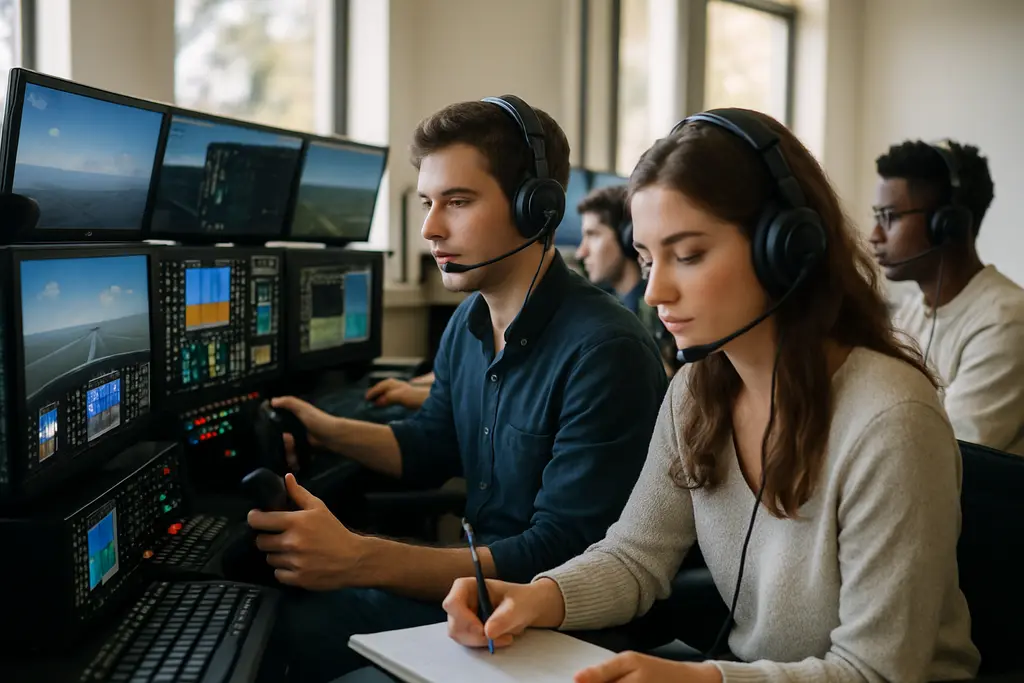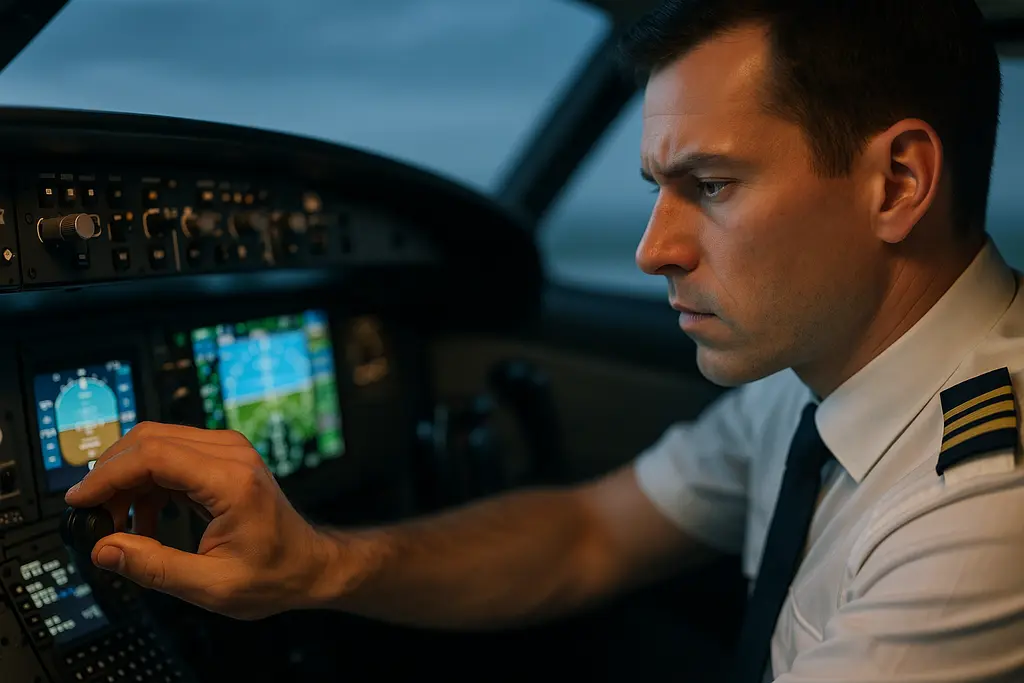
Pilot training technology can strengthen learning outcomes only when schools treat it as a training method, not a novelty purchase. The research supports a disciplined approach: define measurable objectives, introduce tools in stages, prepare instructors, validate outputs against real performance, protect manual flying skills, and set clear data rules. For student pilots, that means the best programs are not the ones with the most screens or headsets. The strongest programs connect each tool to a specific certification need, safety habit, or decision-making skill.
Set Objectives Before Buying Pilot Training Technology
Why Pilot Training Technology Needs A Defined Job
A confirmed best practice is to establish specific, measurable training goals before adding new tools. LTEN describes the need to define objectives before adopting emerging technologies, so the tool addresses an actual instructional need rather than becoming an expensive distraction technology adoption steps. In flight training, that may mean targeting radio phraseology, scan discipline, instrument procedures, abnormal procedures, or crew coordination.
This matters because pilots already train under time, weather, aircraft availability, and certification pressure. A new device should reduce a training gap, not add confusion. If a school cannot explain what the tool improves, how the result will be measured, and how that result supports the syllabus, students should ask more questions before assuming the device will help them progress.
How Students Can Read The Training Plan
For an aspiring pilot, a clear objective should be easy to see in the lesson brief. If a virtual cockpit session is assigned before an instrument lesson, the objective might be to rehearse flows, callouts, and situational awareness before entering the aircraft. If an AI-supported review tool is used after a simulator session, the objective might be to compare procedural consistency with instructor notes. The key is alignment: tool, lesson, instructor feedback, and next flight should point in the same direction.
Introduce New Tools In Stages
Pilot Programs Reduce Training Friction
Gradual adoption is strongly supported in the research. E3 Aviation Association describes AI, VR, and AR methods as training supports and emphasizes feedback and refinement during integration AI, VR, and AR training. A staged rollout gives schools time to learn how a tool affects lesson pacing, instructor workload, and student confidence before it becomes part of every course.
Instrument training is a practical place to test structured technology use because students must connect procedures, cockpit management, scan discipline, and decision-making. A limited trial can show whether the tool helps students arrive better prepared for the aircraft or simulator. It can also reveal problems such as confusing feedback, poor lesson timing, or too much student focus on the device instead of the training task.
What A Sensible Rollout Looks Like
A sound rollout usually starts small, gathers feedback, and expands only after instructors see consistent value. Students should know whether they are part of a trial, what data is being reviewed, and how the school will decide whether the tool remains in the curriculum. This avoids the common problem of changing too many variables at once. If a student improves, instructors need to know whether the gain came from better preparation, more repetition, stronger instruction, or the new platform itself.
Training media should be judged by educational value, not by novelty. That distinction also applies across related coverage in our network, including TrueRealTV, where technology and audience experience are best assessed by practical impact rather than hype.
Keep Instructors At The Center
Pilot Training Technology Should Support The Instructor
AI-supported review, virtual reality, augmented reality, and data dashboards can help structure practice, but the research is clear that live instruction and real-world flight practice remain central. The instructor remains responsible for interpreting performance, identifying unsafe habits, and connecting each lesson to certification standards. A tool may flag a trend, but it does not understand the full context of weather, workload, fatigue, confidence, or aircraft handling on a given day.
Instructor preparation is a major best practice. Flight instructors need training on how the tool works, where it is limited, and how its outputs should be interpreted. Without that preparation, technology can create inconsistent teaching. One instructor may trust the data too much, another may ignore it, and students may receive conflicting guidance. A school should develop a common instructor standard for using the platform in lesson briefs, debriefs, and progress reviews.
Debrief Quality Still Matters Most
A useful debrief should connect recorded data to pilot behavior. If a tool shows unstable altitude control, the instructor still needs to ask why it happened. Was the student overloaded by communication? Was the scan too slow? Did the student understand the clearance? Did stress from the scenario affect control inputs? This is where experienced instruction adds value. For a deeper discussion of scenario practice and post-flight review habits, student pilots can compare these ideas with pilot training models for real scenarios.
Protect Core Flying Skills And Crew Habits

Manual Flying Cannot Be Left Behind
One of the strongest cautions in the research is the need to maintain manual flying skills. Technology can help students rehearse procedures and build familiarity, but pilots still need practice without assistance. Hand-flying, visual references, basic instrument scan, energy management, and correction of deviations remain central to safe training. If every practice session depends on automation, overlays, prompts, or instant scoring, students may become less comfortable when those aids are removed.
Flight schools should plan lessons that intentionally reduce support. A student might use a virtual environment to prepare for an emergency scenario, then practice the same decision pattern in a simulator, then apply the relevant skill in aircraft training when appropriate. The point is not to reject tools. The point is to move from supported learning toward independent performance.
Crew Resource Management Belongs In The Same Plan
The research also supports incorporating crew resource management. Communication, decision-making, task sharing, and teamwork should not be reserved only for airline training. Even single-pilot students benefit from structured callouts, workload management, and clear decision triggers. New tools can create realistic scenarios, but CRM habits must be taught directly and reinforced by instructors.
Competency-based training fits this approach because it looks beyond task completion and examines repeatable performance under realistic conditions. Students who want to understand how human factors and safety behaviors connect with modern training design may find value in this related analysis of competency-based training and pilot safety.
Manage Training Data And Human Factors
Data Policies Build Trust
Training platforms can collect assessment records, performance trends, and instructor notes. The research identifies clear data policies as a best practice, including transparency about collection, retention, and trainee access. Students should know what is being stored, who can view it, and how it will be used in progress decisions. This is not only an administrative issue. Trust affects learning. If students feel unclear about how data is used, they may focus on protecting a score instead of asking honest questions.
- Ask what performance data is collected during simulator, AI-supported, VR, or AR sessions.
- Ask how instructors validate automated feedback against instructor observation.
- Ask whether students can review their own training records.
- Ask how long records are retained and who has access.
Comfort And Fatigue Affect Learning
Mixed reality tools can expose students to visual workload, headset discomfort, visual fatigue, or cybersickness. The research notes the need to manage those human factors. A training session that makes a student physically uncomfortable may not produce reliable learning, even if the scenario is well designed. Schools should watch for fatigue, adjust session length, and invite students to report discomfort without embarrassment.
This is a practical lifestyle issue for pilot trainees. Sleep, hydration, stress level, and screen exposure can affect how well a student absorbs training. A student who leaves a headset session dizzy or fatigued may not be ready for a demanding lesson immediately afterward. Good scheduling protects learning quality as much as aircraft availability does.
Pilot Training Technology Habits That Last
A Student Checklist For Strong Adoption
The best use of pilot training technology is steady, transparent, and instructor-led. Students should look for programs that explain why a tool is being used, how it connects to the syllabus, how instructors are trained on it, and how results are reviewed. Schools should prefer modular curricula, because modular design allows parts of the program to be updated without disrupting the whole course. That structure supports gradual improvement and reduces the risk of forcing every student through an untested method.
Regular evaluation is the safeguard that holds the system together. Automated outputs should be checked against instructor evaluations and real-world performance. Feedback sessions should identify what works, what confuses students, and what needs adjustment. For aspiring pilots, the practical standard is simple: the tool should make training clearer, safer, and more repeatable while preserving live instruction, aircraft practice, manual flying, and sound judgment.