Cross-country flying is one of the most important transitions in private pilot training because it proves a student can do more than take off, stay in the pattern, and return. It requires real navigation, route planning, fuel thinking, weather judgment, airspace awareness, and landing somewhere other than the departure airport. For private pilot applicants in the airplane single-engine category, the FAA’s aeronautical experience rules in 14 CFR § 61.109(a) include specific cross-country training and solo cross-country requirements that must be met before the practical test.
For many students, the confusing part is not the idea of cross-country flying itself. It is the exact meaning of what counts, how much is required, and why one flight may count toward a requirement while another does not. The easiest way to understand it is to separate the requirements into three buckets: instructor-led cross-country training, night cross-country training, and solo cross-country experience.
What Counts As Cross-Country Time
The FAA’s definition of cross-country time in 14 CFR § 61.1 changes depending on what certificate or requirement you are trying to satisfy. In general, cross-country time includes a flight to a landing point other than the departure point using navigation methods such as pilotage, dead reckoning, or electronic navigation. But for private pilot aeronautical experience, the more specific definition matters: the landing point must be more than 50 nautical miles straight-line distance from the original departure point for the time to count toward those certificate requirements.
That distinction is where a lot of student confusion starts. A flight can feel like a real trip, involve navigation, and still not count toward the private pilot cross-country requirement if the landing point is not far enough away under the applicable rule. This is why accurate planning and accurate logbook entries matter so much before checkride time.
The Core Private Pilot Cross-Country Requirements
For a private pilot certificate with an airplane single-engine rating under § 61.109(a), the FAA requires at least 3 hours of cross-country flight training with an authorized instructor, plus 10 hours of solo flight time that includes at least 5 hours of solo cross-country time. The same section also requires one specific long solo cross-country and a separate night cross-country training flight.
Here is the structure most student pilots should remember:
| Requirement Type | FAA Minimum | Key Detail |
|---|---|---|
| Dual cross-country training | 3 hours | Must be with an authorized instructor |
| Solo cross-country time | 5 hours | Part of the required 10 solo hours |
| Long solo cross-country | 1 flight | 150 NM total, 3 full-stop landings, one leg over 50 NM |
| Night cross-country training | 1 flight within 3 hours night training | More than 100 NM total distance |
These are the minimums, not a promise that every student will be ready exactly at those numbers. Most students need to think of them as eligibility thresholds, not graduation guarantees.
The Required Solo Cross-Country Flight
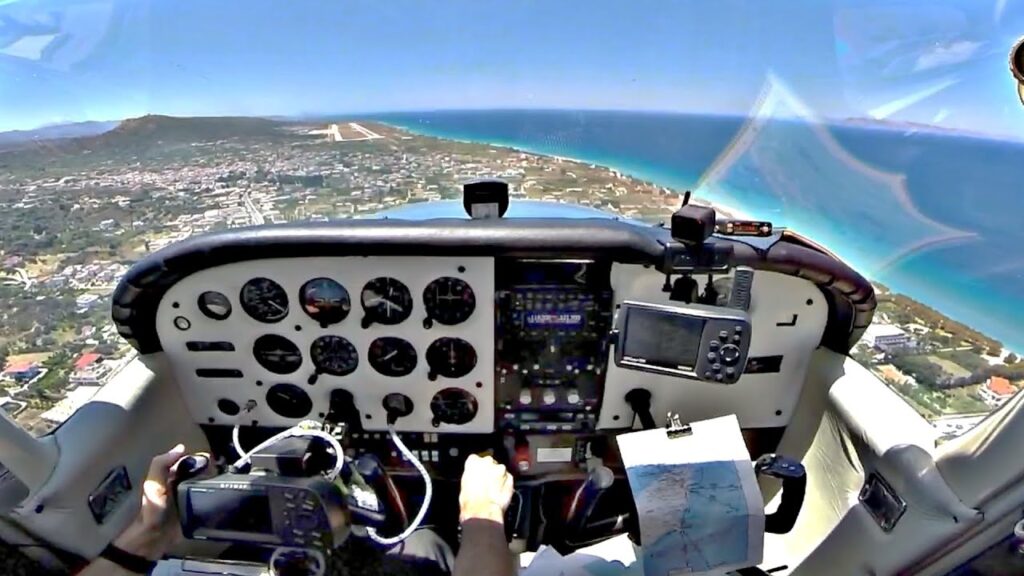
The solo cross-country requirement that gets the most attention is the one in § 61.109(a)(5)(ii). For airplane single-engine applicants, the regulation requires one solo cross-country flight of at least 150 nautical miles total distance, with full-stop landings at a minimum of three points, and one segment consisting of a straight-line distance of more than 50 nautical miles between takeoff and landing locations.
This is where many students and even some instructors can make avoidable planning errors. A route may add up to 150 nautical miles total and still fail the requirement if none of the individual landing points is more than 50 nautical miles straight-line distance from the relevant departure point for that segment. The FAA highlighted this exact type of error in a Safety Briefing article discussing common aeronautical experience mistakes.
The Night Cross-Country Requirement
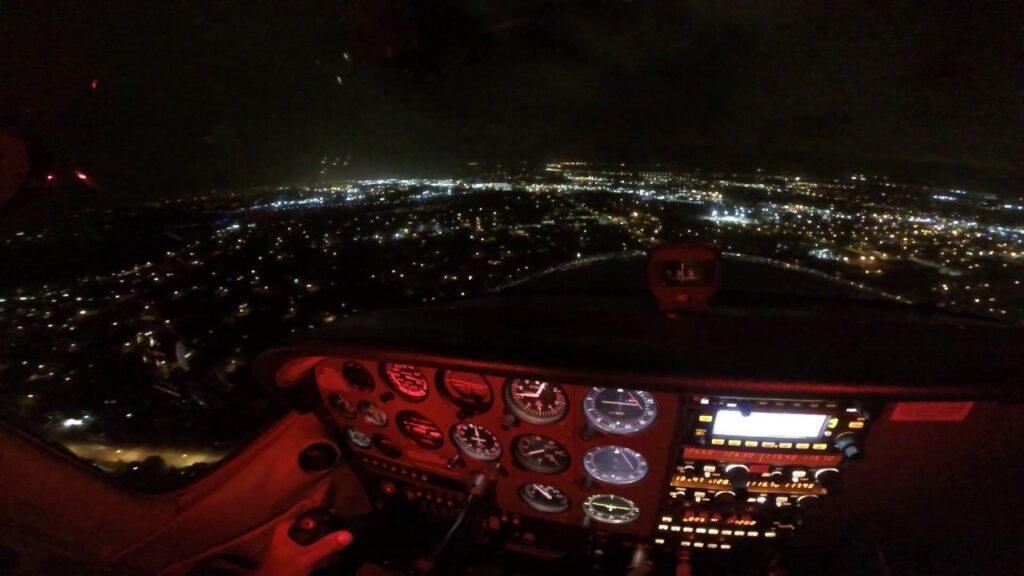
Private pilot applicants also need 3 hours of night flight training, and that training must include one cross-country flight of over 100 nautical miles total distance along with 10 takeoffs and 10 landings to a full stop, each involving a traffic pattern at an airport. That night cross-country is training with an instructor, not solo time.
This matters because students sometimes mentally group all cross-country experience together. The FAA does not. The dual day cross-country requirement, the night cross-country requirement, and the solo cross-country requirement each serve different training purposes and are logged separately for a reason.
Student Pilot Endorsements Matter Too
Meeting the aeronautical experience numbers alone is not enough for solo cross-country privileges. Under § 61.93, a student pilot seeking solo cross-country privileges must receive ground and flight training from an authorized instructor on the applicable cross-country procedures and must have the proper logbook endorsements and limitations. FAA Advisory Circular AC 61-65J also discusses the endorsement framework instructors use for student solo and cross-country operations.
That is why cross-country readiness is never just about hours. It is also about whether your instructor believes you can safely plan, navigate, communicate, and make decisions away from the local training environment. In practical terms, the solo cross-country is one of the clearest early tests of whether you are starting to think like a pilot in command.
Common Mistakes Students Make
The biggest mistake is assuming any flight away from home base counts automatically. The second is misunderstanding the more-than-50-nautical-mile standard that applies when logging cross-country time toward private pilot aeronautical experience. The third is building a long solo route that meets the total distance requirement on paper but misses one of the landing-distance rules in the regulation.
Another frequent problem is poor logbook detail. If the route, landings, and categories are not clearly recorded, it becomes harder for an instructor or examiner to verify that the requirement was actually met. That is one reason PilotPointer’s flight time logging guide fits naturally with cross-country preparation. A clean logbook makes checkride review much easier.
Why The Requirement Exists
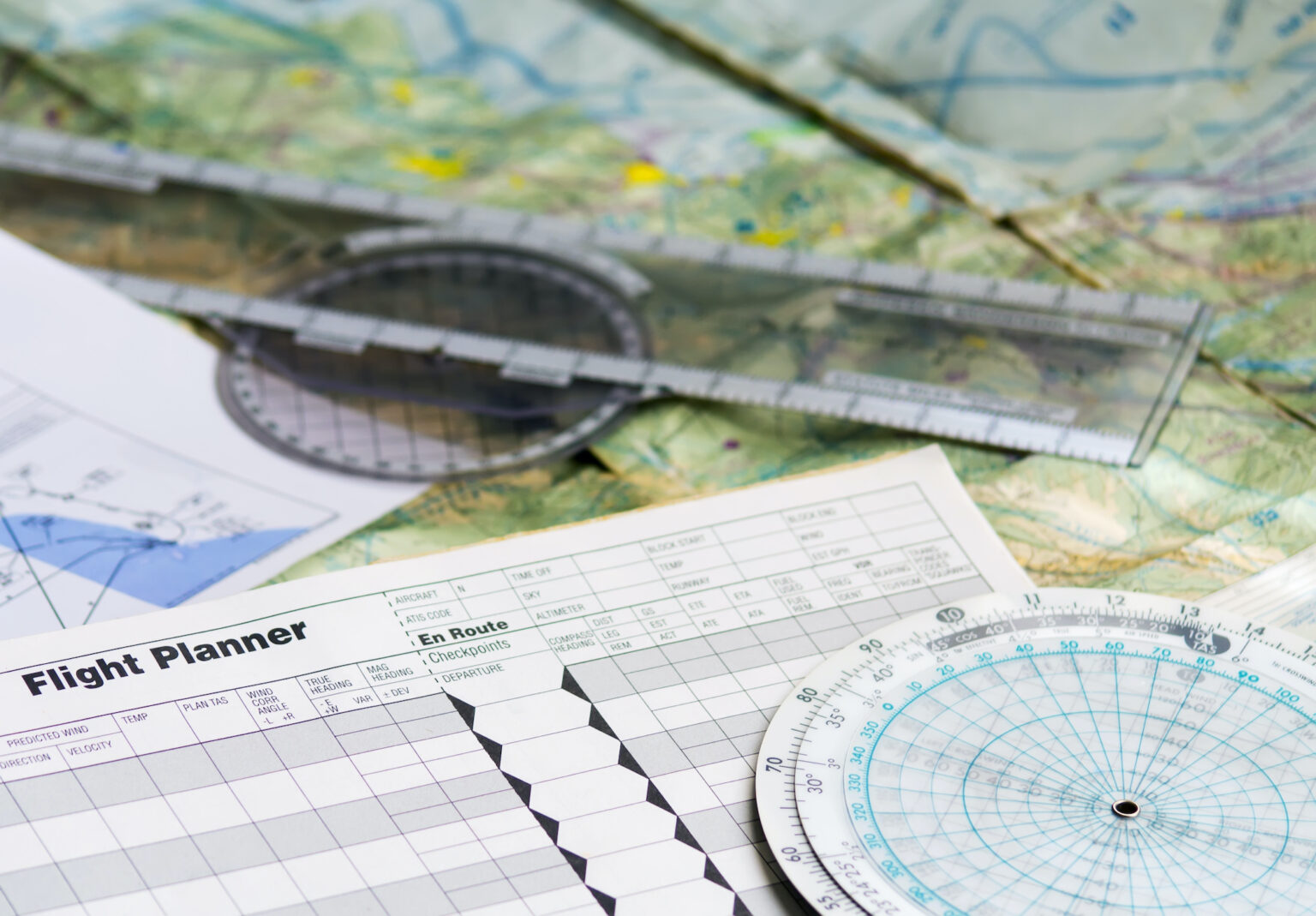
The FAA’s training framework is built around proving progressively broader competence. Pattern work teaches control and repetition. Local maneuver work teaches aircraft handling. Cross-country work proves you can leave the familiar area, navigate to another airport, adapt to changing conditions, and return with a plan instead of just a procedure. The FAA’s navigation guidance in the Pilot’s Handbook of Aeronautical Knowledge and Chapter 16 on cross-country planning both reinforce that cross-country flying is about real route management, not just logging distance.
That is why students often grow quickly during this phase of training. Cross-country flights force you to connect weather, charts, headings, checkpoints, fuel, communications, and time management into one complete operation.
The Best Way To Prepare For Your Cross-Country Requirements
The strongest preparation is simple: plan conservatively, verify distances carefully, and build your route around the regulation instead of trying to “make it fit” afterward. Review the exact requirement with your instructor before the flight, especially for the long solo cross-country, and confirm that the route satisfies both the total-distance rule and the leg-distance rule. The FAA’s own discussion of common experience errors shows that assumptions here can create avoidable checkride problems later.
A high-authority place to review the regulatory details directly is the FAA/eCFR text for 14 CFR § 61.109, which lays out the private pilot aeronautical experience requirements by category and class.
Frequently Asked Questions
How Much Solo Cross-Country Time Does A Private Pilot Need?
For airplane single-engine applicants under § 61.109(a), the FAA requires at least 5 hours of solo cross-country time as part of the required 10 hours of solo flight time.
What Is The Required Long Solo Cross-Country For Private Pilot Training?
It is one solo cross-country flight of at least 150 nautical miles total distance, with full-stop landings at a minimum of three points, and one segment of more than 50 nautical miles straight-line distance between takeoff and landing locations.
Does Any Flight To Another Airport Count As Cross-Country Time?
Not necessarily for private pilot aeronautical experience. For those requirements, the landing point generally must be more than 50 nautical miles straight-line distance from the departure point under the applicable definition in § 61.1.
Is The Night Cross-Country Flight Solo?
No. The private pilot requirements call for 3 hours of night flight training with an instructor, and that training must include one cross-country flight over 100 nautical miles total distance.
Final Takeaway
Private pilot cross-country requirements are not complicated once you separate them into the right pieces: 3 hours of dual cross-country training, 5 hours of solo cross-country time, one specific 150-nautical-mile solo cross-country, and one night training cross-country over 100 nautical miles. The real challenge is not memorizing the list. It is planning flights that truly satisfy the rule, logging them clearly, and building the judgment those flights are designed to teach. Done the right way, cross-country training is where many students stop feeling like local trainees and start acting like real pilots.