

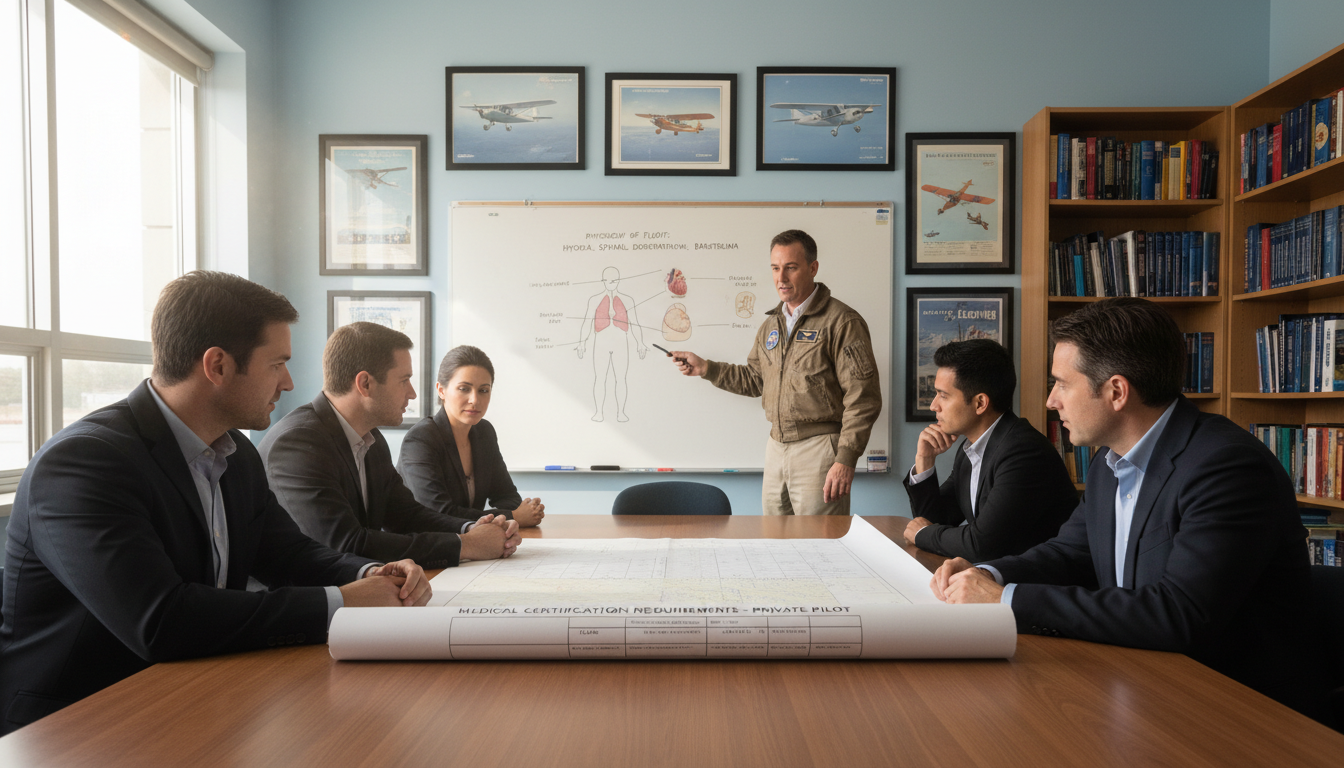
In flight training, flying is the fun part. Ground school teaches why planes behave as they do. This stops you from guessing and helps you make decisions.
I once thought ground school was just an extra, not essential like flying. But then, dealing with paperwork, weather, and mistakes changed my mind. Knowing how to fly is about safety, not just trivia.
From the start, flying mixes theory with practice. You can’t skip ground school. It’s crucial for making smart choices in the air.
Need real-life proof? A student balanced a full-time job, night classes, weekend flights, and study time. It’s about having a goal and a plan, not movie-style glamour.
It’s best to stay ahead in your lessons, but don’t rush. Celebrate small victories until they add up to skill.
Soon, you’ll connect what you learn on the ground to flying. Things like pre-flight checks, weather, and flying straight. Theory becomes part of flying quickly, ready or not.
Why a Medical Certificate?
A medical certificate is like a first step to becoming a pilot. Before diving into flying, I need to make sure I can handle it. It’s more than just wanting to fly; it involves serious skills and health.
Pilot training builds trust step by step. It starts easy, but soon you’re doing more on your own. And just like that, fitness matters: more freedom means I need to show I can handle pressure.
Private pilot ground school teaches more than just theory. It’s about learning how to stay disciplined and make good decisions under stress. Sure, learning all this can be overwhelming, but the goal is to make smart choices despite challenges.
The FAA written exam tests my paper knowledge. But flying requires doing all that plus managing stress in real-time. In a boardroom, you might wing a presentation. Up in the air, your body has to be ready.
In countries like Canada, the approach is simple: health first, then paperwork. You start with a basic medical check-up and advance as you gain more flying rights. It’s all handled by professionals who know aviation health inside out. Check out this aviation medical overview for more. This all emphasizes safety over bureaucracy.
| Training moment | What’s happening in real time | Why the medical certificate matters |
|---|---|---|
| Preflight planning and walkaround | Multitasking, checklist discipline, spotting small defects before they become big ones | Vision, attention, and basic stamina support consistent checks when time pressure creeps in |
| Traffic pattern work | Rapid transitions: configure, fly, listen, talk, and adjust for wind | Hearing, coordination, and stress tolerance reduce mistakes when workload spikes |
| Cross-country decision-making | Weather updates, navigation changes, and fuel planning while staying ahead of the airplane | Cognitive clarity helps avoid “get-there-itis” and keeps judgment sharp |
| Checkride prep and standards | Performance under observation with little margin for distraction | Consistency matters more than confidence; health supports repeatable performance |
The medical certificate is more than a requirement; it’s proof I can endure the demands of flying. If ground school teaches the how, and theory the why, then the medical ensures I’m fit to be in the cockpit. The written exam might gauge my knowledge, but being medically fit means I can actually apply that knowledge when it really matters.
Types of FAA Medicals
In aviation, there are different “types” because flying involves various levels of privileges and risks. Each goal requires its own set of paperwork. Ground school drills this into pilots from the start: aviation adores categories, acronyms, and forms as much as Washington loves committees.
The FAA medical system is built on the same principle. There are three main types: First, Second, and Third Class. Each corresponds to your role in the cockpit. If you’re familiar with aviation theory, you understand this routine: standards, eligibility, checkpoints, then repeat.
FAA medicals are like minimum flight-hour requirements in a program. You can’t just “wing it” and hope for the best. You need to pick the right medical for your flying goals. Otherwise, you could hit a major snag after months of training.
Here’s a simple explanation.
| Medical type | Typical use case | Why it exists | Practical note for training plans |
|---|---|---|---|
| First Class | Airline transport pilot privileges; airline operations | Highest level of medical scrutiny due to the high public-risk environment | If you aim for the airlines, aim for this standard from the start—not later |
| Second Class | Commercial pilot privileges; many paid flying roles | A balance of broader privileges with high, but slightly lower risk than airlines | Check this out if you’re considering a paid flying career soon |
| Third Class | Private pilot privileges; most non-commercial flying | Meant for lower privileges but still screens for key health issues | It’s common early on, but make sure it aligns with your ultimate flying goals |
I don’t just remember these details for fun. I keep track to ensure my training plan makes sense: matching training standards with medical eligibility. That’s a key lesson from ground school for pilots, beyond just weather charts and regulations.
If all the definitions start to blend together, that’s when the best pilot books and official materials prove their worth. They’re not just for fun—they provide precise terms, clear categories, and no surprises. After all, aviation theory doesn’t do well with unclear expectations.
What to Expect During the Exam
When pilots hear “expect,” it means to be ready on arrival. The FAA medical exam is a quick check, like a pre-flight briefing, to confirm everything’s in order. If you come unprepared, you’ll not only lose time but also possibly need to retake it, which costs more.
Having been through private pilot ground school, this mindset should be familiar. Being prepared makes everything run smoother. This approach also makes the FAA written test easier to tackle without it dragging on.

View the exam appointment as a structured routine. Routine helps in verifying if you’re prepared to fly. Skipping steps isn’t an option. Each step, from paperwork to a physical check, ensures safety in flying.
It’s common to feel confident during ground school and then become nervous in an exam. This feeling is normal. Remember, the exam is just a part of your journey, not a final judgment on your abilities.
- Before you go: bring ID, glasses or contacts, and any relevant medical records.
- During the visit: expect standardized checks, questions about history, and a review that rewards clear, consistent answers.
- Afterward: be ready for follow-up paperwork if something needs clarification.
| Exam “Routine” | Pilot Training Analogy | How to Show Up Prepared |
|---|---|---|
| Forms and history review | Weather briefing and paperwork | Fill out details carefully; bring dates, diagnoses, and documentation if applicable |
| Vision checks (near/far, color) | Instrument scan basics | Wear your corrective lenses; know your prescription and any recent changes |
| Hearing and general physical | Preflight walk-around | Sleep, hydrate, and avoid last-minute “fixes” that spike your stress |
| Vitals (blood pressure, pulse) | Weight and balance numbers | Arrive early, sit calmly, and don’t sprint in like you’re catching a connection at O’Hare |
| Follow-up requests if something is unclear | Post-flight notes and logbook clean-up | Respond fast with organized records so training stays efficient |
If you studied for the FAA written exam with focus and organization, you’re on the right path. The medical exam values the same principles: be prepared, follow the process, and treat it like a checklist to keep everything flowing smoothly.
Common Disqualifications
Medical disqualifications are the FAA’s way of keeping flights safe. They are like the weather minimums and fuel reserves for pilots but for health. These standards set safe limits for pilots’ health.
Once training becomes more hands-on, the cockpit demands multitasking. Dealing with checklists, radios, and time pressure becomes a juggle. Adding a preventable medical condition into the mix causes unnecessary trouble. It’s like a fire drill at the worst time.
Disqualifiers focus on essential skills like clear perception, good decision-making, and performance under stress. Sudden impairment or unpredictable symptoms pose a safety risk. It’s not about drama; it’s about the unforgiving nature of physics and focus.
Being able to communicate clearly is crucial, too. You need to be on top of radio communication and stay vigilant. Any condition that affects your attention, memory, or coordination can complicate things fast.
| Area | Why it can raise FAA concern | What you can do before the AME visit |
|---|---|---|
| Vision (uncorrected or unstable) | Inconsistent acuity can affect traffic spotting, approach cues, and night operations | Bring current eyewear or contacts, plus a recent eye exam summary if you have one |
| Hearing and communication limits | Radio comprehension is workload-sensitive; missed words can become missed instructions | List hearing aids if used and note any history of ENT issues or tests |
| Cardiac history and fainting risk | Sudden incapacitation is the nightmare scenario in a single-pilot cockpit | Gather cardiology notes, test results, and a clear timeline of symptoms and treatment |
| Neurologic events (seizure, stroke-like symptoms) | Unpredictable recurrence can compromise control, judgment, and spatial awareness | Bring specialist records and document any triggers, meds, and symptom-free periods |
| Mental health instability | High cockpit workload can amplify stress, distraction, and impulsive decisions | Prepare an accurate treatment history and be ready to discuss symptom control |
| Substance misuse history | Safety depends on consistent judgment, not “usually fine” days | Be honest, bring records, and expect structured documentation requirements |
Studying for this is a smart move, but don’t rely on guesses. Use solid sources to understand disqualifications. Look at FAA guides and top pilot books like the Pilot’s Handbook of Aeronautical Knowledge and the Airplane Flying Handbook. Consider it special ground school about your health.
The rules may seem tough, but they’re there for a reason. The cockpit requires focus and a keen eye for detail. Aviation rules don’t bend for anyone’s convenience or pride. They focus solely on safety.
Medications and Pilot Health
Knowing about medications is a lesson not often talked about. Even top students in pilot ground school can be stopped by just one pill. Aviation may seem modern until it gets strict about things like cough syrup.
Here’s the main issue: training focuses on making quick, smart decisions. Sudden weather changes, ATC changes, and increased workload don’t care if you’re tired. Medications that make you less sharp or slow can affect the skills you’re learning. And the FAA written exam won’t help you while flying.
I approach it like studying: keep track of what you take and its effects. The same steady effort needed for pilot ground school helps you notice medication side effects. If a medication makes you feel off, it’s important to take note.
| Medication or Health Choice | What It Can Do in the Cockpit | Why It Conflicts With Training | Practical Habit That Helps |
|---|---|---|---|
| Sleep aids and sedating antihistamines | Next-day drowsiness, slower scanning, “autopilot brain” | Erases the sharp workload management you practice in aviation theory | Note timing and effects; don’t fly until you’re fully normal again |
| Cold and flu combos (especially multi-symptom) | Jitters, blurred focus, uneven decision speed | Undercuts real-time adjustments you’re judged on during training | Read the label like it’s a checklist; one symptom, one product when possible |
| Pain meds, including some prescription options | Reduced reaction time and divided attention | Makes “aviate, navigate, communicate” feel like a three-ring circus | Separate recovery from flying; reassess before returning to the pattern |
| Alcohol, dehydration, and poor sleep | Headaches, slower thinking, higher stress response | Turns routine tasks into errors you’ll replay all night after the FAA written exam | Hydrate, sleep, and plan conservative go/no-go decisions |
If you like to get things just right, this is where to do it. Be precise but not over the top. Write down any changes, ask straight questions, and see your body as important gear to be checked carefully.
- Check the label for warnings about drowsiness, dizziness, or operating machinery.
- Track timing so you know what “fully clear” feels like for you.
- Be boring on purpose: when in doubt, don’t fly and don’t make excuses.
The awkward truth is, even the fanciest plane relies on a human. You can master aviation theory and ace the FAA exam, but once a chemical is in your blood, you can’t ignore its effects.
If You Are Deferred or Denied
Getting deferred or denied is like an unexpected story twist. It’s part of flying, which includes feedback, lots of paperwork, and sometimes a hit to your pride. I see it as a chance to learn: figure out what happened, understand the issues, and plan what to do next.

A “no” might not mean “never.” One student doubted they would ever fly solo after their first lesson. But by February 2024, they made their first solo flight and felt incredibly proud. It wasn’t a miracle. It took time, good coaching, and more knowledge.
The medical process needs the same approach you use in pilot ground school. Ask lots of questions, and ask them again. If you think you’re being slow, it means you’re just more aware than others.
When deferred, approach it like studying for aviation: identify the issue, know the standards, and gather evidence. Find out what the FAA needs—like tests, notes from specialists, treatment history, or a clear timeline. Being thorough might seem dull, but in aviation, it’s pretty much as exciting as it gets.
Delays also affect your budget since they can extend your training. This means more lessons to stay sharp, more tests, and more administrative work. Some pilots use loans, while others look for scholarships through organizations like Elevate Aviation, COPA, or Scholarships Canada. It’s all about preparing for a longer journey to your goal.
- Get clarity: ask the AME what caused the deferral and what info would satisfy the FAA.
- Get organized: make a clear list of your medical history, medications, doctor visits, and any tests.
- Get strategic: match your training plans with your medical timeline so you don’t waste time or money.
Reading the best books for pilots keeps me focused while I wait. Learning during downtime prevents mindless scrolling. If you can explain something well, you might find what’s missing in your documents. This shows how studying aviation theory turns stress into a clear action plan.
| Medical result | What it usually means | What to do next | Training and budget impact |
|---|---|---|---|
| Deferred by the AME | The AME can’t issue on the spot and must send your file for FAA review | Request a specific document list, confirm deadlines, and track every submission | Expect timeline uncertainty; plan refresher lessons so skills don’t fade |
| Denied by the FAA | The FAA found you ineligible based on current information | Ask what criteria must change and what evidence would support reconsideration | Rebuild your schedule; protect cash flow and avoid rushed training decisions |
| Special issuance pathway | You may qualify if you meet monitoring, stability, or treatment requirements | Follow the exact testing cadence and keep reports consistent across providers | Ongoing costs for follow-ups; steady planning reduces surprise expenses |
| Additional information request | The FAA needs more records before deciding | Submit complete, legible records and a clear summary from the treating clinician | Delays are common; use the time for ground school for pilots and targeted review |
As my file goes through the system, I dive into aviation theory like it’s the only show I’m allowed to watch. I improve my weak spots, learn about weather, and practice decision-making. Confidence comes with preparation. Plus, I always keep the best pilot books handy. If I have to wait, I’ll use the time to become better.
Keeping Your Medical Current
Keeping your medical certificate updated isn’t just “paperwork.” It’s about being consistent, which makes training cheaper. I’ve learned that the hard way. Your certificate must be fully renewed, not almost. Instructors and schedules wait for no one.
In private pilot ground school, practice makes perfect. Just like those practices, keep your medical updates regular. A simple checklist done regularly is better than a last-minute rush.
If you’re on a steady study schedule for ground school, include your medical checkups in it. The FAA written exam has its spot. Your medical checkup needs one too. If not, you could end up grounded, eager yet unable to fly.
It’s better to prepare ahead than rush at the end. Keeping up with medical checkups helps keep your training on track. It keeps things smooth even when lessons pile up or the weather suddenly clears.
| Routine | How Often | What I Check | Why It Helps Training |
|---|---|---|---|
| Calendar audit | Monthly | Medical expiration window, AME availability, travel time | Keeps lesson blocks intact and avoids last-minute cancellations |
| Health snapshot | Monthly | Sleep, stress, vision changes, new symptoms worth tracking | Reduces surprises that can delay scheduling or trigger deferrals |
| Medication log | Any change | New prescriptions, OTC use, side effects, timing vs. flying | Prevents a “wait, can I fly on this?” moment before a lesson |
| Document folder | Ongoing | Prior exam notes, receipts, physician summaries if needed | Makes follow-up requests fast instead of a scavenger hunt |
| Training alignment | Each phase change | Upcoming solos, stage checks, checkride target dates | Matches medical timing with the pace set in ground school for pilots |
When I’m fully into pilot ground school, I line up medical tasks with my study ones. Same focus, same discipline. Ground school turns into a habit-building process. It helps me stay ready to fly legally.
The FAA written exam won’t adjust for you. Nor will the perfect week of weather, instructor availability, and your readiness. Being prepared is key.
When to Seek AME Advice
In politics, the advice is always “talk to counsel.” In flying, it’s “talk to the AME,” especially before small health issues turn into big paperwork problems. Watching training plans get delayed by health issues is like using the wrong tool in a crucial meeting.
If you’re really into aviation and feeling good, that’s awesome. But if something about your health or meds confuses you, listen to that worry. An AME can help sort out what’s standard, what requires documentation, and what might cause a delay.
Here’s a tip: always ask a lot of questions. Just like in private pilot ground school, asking questions helps a lot. Think of questions as tools; they help turn your stress into something you can manage.
Perfectionists, take note. If you often worry about mistakes, talking to an AME can help a lot. They help you turn those big worries into actionable steps. Dealing with facts is always better than worrying.
| Situation | What to ask the AME | Why it saves time and money |
|---|---|---|
| New medication, dose change, or “as needed” prescription | Is this allowed for flying, and do I need to wait after starting it? | Helps avoid training delays and unexpected issues when you’re ready to fly solo |
| Past diagnosis (ADHD, depression, anxiety, sleep issues) | What records do I need, and will the FAA want more tests? | Helps you avoid last-minute searches for documents that can take months |
| Recent ER visit, surgery, or ongoing care by a specialist | What recovery timeline and documents does the FAA want? | Makes your plans more realistic, which is better than being too hopeful |
| Unclear history (old records, childhood conditions, missing dates) | How can I fill out the form right without guessing? | Cuts down on the risk of needing to fix mistakes or facing delays |
Think of AME talks as buying the best pilot books: it saves you from surprises later. The point is to be efficient, not dramatic. Good AME advice helps match your ground school progress with your checkride schedule.
Bring a list of meds, important dates, and any test results you have. Then, ask those tough questions you might not want to. Just like in aviation theory, small changes can make a big difference. Your medical file is just like that.
FAQ
Do I really need a medical certificate to be a private pilot? Yes, in most cases, you do. The FAA needs to know you’re safe in the air. BasicMed is an option for some, but it comes with its own set of rules and paperwork.
What happens at the exam? Expect checks on your vision, hearing, vital signs, and medical history. The examiner keeps it quick. Issues mostly come from untreated health conditions, certain mental health records, or risky medications. Always check your meds with an examiner before filing your forms.
Will studying for training affect my medical timeline? Not straight away, but your schedules might overlap. When planning for the FAA’s written test, remember to allow time for medical paperwork and any follow-ups. Learning solid ground school aviation concepts early can reveal potential hiccups.
What if I’m deferred or denied? It’s tough but not the end. Often, problems arise from missing information or the need for more tests. Stay patient. Continue with your aviation studies and keep your training adaptable. Approach this time like you would a preflight check: taking it slow ensures everything goes smoothly and quickly.




