Transport Airplane Certification Modernization has moved from a policy discussion into a practical training issue for pilots, instructors, training centers, and operators. On June 26, 2026, the FAA published NPRM No. 26-09, titled “Transport Airplane and Propulsion Certification Modernization,” to propose changes to transport-category airplane and propulsion airworthiness rules. The proposal aimed to reduce reliance on special conditions, exemptions, and equivalent safety findings while bringing U.S. standards closer to international approaches. As of September 9, 2026, the comment period was still open, with a scheduled closing date of September 24, 2026, after a thirty-day extension.
Why Transport Airplane Certification Modernization Matters
Certification Rules Now Reach The Training Room
Certification work can sound distant from the daily work of a pilot school, simulator instructor, or line-training captain. In practice, the connection is direct. A transport airplane is not only approved as a machine; regulators also evaluate how pilots are expected to understand, manage, and recover from system behavior. If a certification assumption says a crew should recognize a condition and respond within a defined pattern, training must prepare pilots to meet that expectation.
The FAA’s broader certification reform work includes delegating fewer responsibilities to manufacturers, increasing oversight, and ensuring that a variety of piloting skills are considered when training requirements are determined, according to the agency’s certification reform efforts. From a flight training perspective, that language matters because it points to a more direct feedback loop between aircraft design approval and the way pilots are trained to operate the aircraft.
Human Factors Are No Longer A Side Topic
The research record for the 2026 proposal and related FAA reform work points to human factors assumptions, including pilot response times, automation interaction, and required proficiency in manual flying. That is where Transport Airplane Certification Modernization becomes more than an engineering update. It asks whether the certification case reflects real cockpit behavior across crews with different experience levels, operating backgrounds, and exposure to automation.
As an instructor, I see this as a healthy pressure on training design. Pilots should not be trained only to pass a profile in ideal conditions. They need enough system knowledge to recognize abnormal cues, enough automation discipline to avoid mode confusion, and enough aircraft handling skill to remain effective if automation use is reduced. Certification policy cannot teach those habits by itself, but it can raise the standard for what training programs must address.
How Pilot Feedback Is Changing Certification Inputs
Line-Pilot Experience Has Been Added Earlier
A concrete change already occurred in late 2021, when the FAA modified the Flight Standardization Board process to include air-carrier pilots with varying levels of experience in transport-airplane certification projects. Their feedback is now used to set or influence pilot training requirements. That change is significant because it widens the test of whether a training path works in real airline operations, not only under ideal evaluation conditions.
Experienced test pilots and engineering pilots remain essential, but line pilots bring a different kind of evidence. They understand schedule pressure, high-workload terminal operations, mixed cockpit experience, and the habits that develop after thousands of automated approaches. Bringing that experience into certification review can help regulators identify where procedures may be technically correct yet difficult to execute under stress.
Transport Airplane Certification Modernization And Training Inputs
Transport Airplane Certification Modernization is not a training regulation by itself, and the 2026 NPRM had not become a final rule as of September 9, 2026. That distinction matters. Schools and operators should not rewrite syllabi around proposed language alone. Still, the policy direction is clear enough to support a careful review of training objectives, especially in type rating, recurrent training, and advanced airline preparation programs.
For a practical companion discussion on how knowledge, skill, medical readiness, and recurrent learning connect, see this Pilot Pointer article on modern pilot competencies. Readers who are engaged with cross-network public-interest publishing can explore the BIFF Award site; however, it’s essential for pilot training policy to rely on official aviation authorities and recognized safety organizations for controlling references.
Manual Flying Standards Under Renewed Attention
Manual Skill Needs Repetition, Not Slogans
The 2025 IATA aircraft handling and manual flying skills report, hosted through FAASTeam materials, surveyed more than 5,650 respondents and found that pilots and related professionals viewed manual flying skills as essential while also reporting limited practice opportunities caused by airline policies or regulatory constraints; the report also referenced respondent concern about poor manual techniques in accidents IATA manual flying report. That finding aligns with what many instructors observe during advanced training: manual skill degrades when it is treated as an event rather than a habit.
Manual flying does not mean rejecting automation. A well-trained transport pilot should use automation intelligently, monitor it actively, and disconnect or change levels of automation when the situation calls for it. The weak point is often not stick-and-rudder ability alone. It is the transition: recognizing that the automation is no longer serving the plan, choosing the correct action, communicating with the other pilot, and stabilizing the aircraft without creating a second problem.
Automation Training Must Include Mode Awareness
Modern transport airplanes demand training that links automation use with flight path management. A pilot can know each system page and still lose track of what the airplane is actually doing. Good instruction should connect mode annunciations, thrust behavior, pitch changes, lateral path logic, and energy state into one mental model. That is the practical training effect of the FAA’s focus on automation interaction and human factors assumptions.
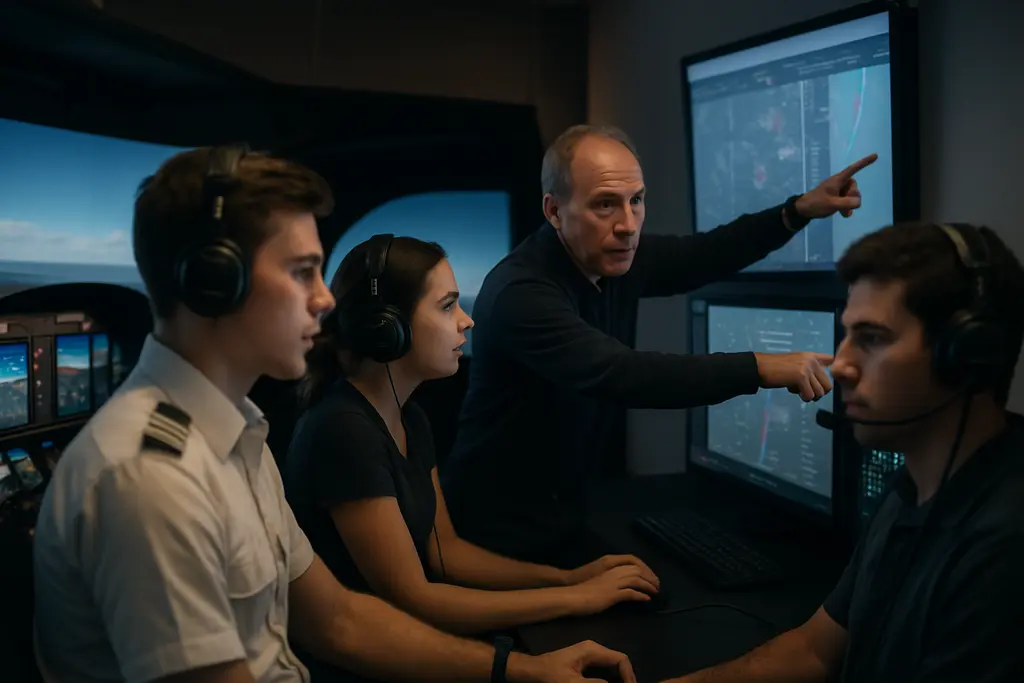
In simulator sessions, this argues for more scenario design around surprise, recovery, and workload management. A scripted failure at a predictable point teaches checklist flow. A better training event also tests recognition, communication, and prioritization. Crews should practice restoring safe flight path control before becoming absorbed in system diagnosis. That principle is not new, but Transport Airplane Certification Modernization gives it a stronger policy foundation.
What Training Providers Should Review Now

Syllabus Alignment Should Start With Assumptions
Part 141 modernization activity also belongs in this discussion. The FAA’s Modernization of Part 141 Pilot Schools initiative held public meetings from March 2025 through March 2026, and its Industry Recommendations Report comment period closed on May 11, 2026. The initiative aimed to update school regulations for technology, safety, and newer teaching methods. While Part 141 school reform is separate from transport-airplane certification, both efforts point in the same direction: training should reflect aircraft technology, human performance, and measurable instructional outcomes.
Training providers should review whether their programs teach the assumptions embedded in certification and operating procedures. If a procedure assumes rapid recognition of an alert, the syllabus should show where recognition is taught, practiced, and evaluated. If a type rating assumes stable manual control after automation degradation, instructors should be able to identify where that skill is built before the checking event.
- Review automation lessons for mode awareness, flight path monitoring, and energy management.
- Build manual flying practice into recurrent cycles rather than isolating it in rare events.
- Use simulator scenarios that test recognition and crew coordination before checklist execution.
- Track instructor standardization so different students receive consistent expectations.
- Separate proposed regulatory changes from final requirements while preparing for likely training effects.
Instructors Need Clear Evaluation Language
One recurring problem in advanced training is vague grading. “Good automation management” or “acceptable manual control” is not enough. Instructors need clear observable behaviors: proper mode verification, timely callouts, stable pitch and power changes, effective monitoring, and correction before deviations grow. Certification modernization may not prescribe every training line item, but it supports a stronger link between design assumptions and pilot performance standards.
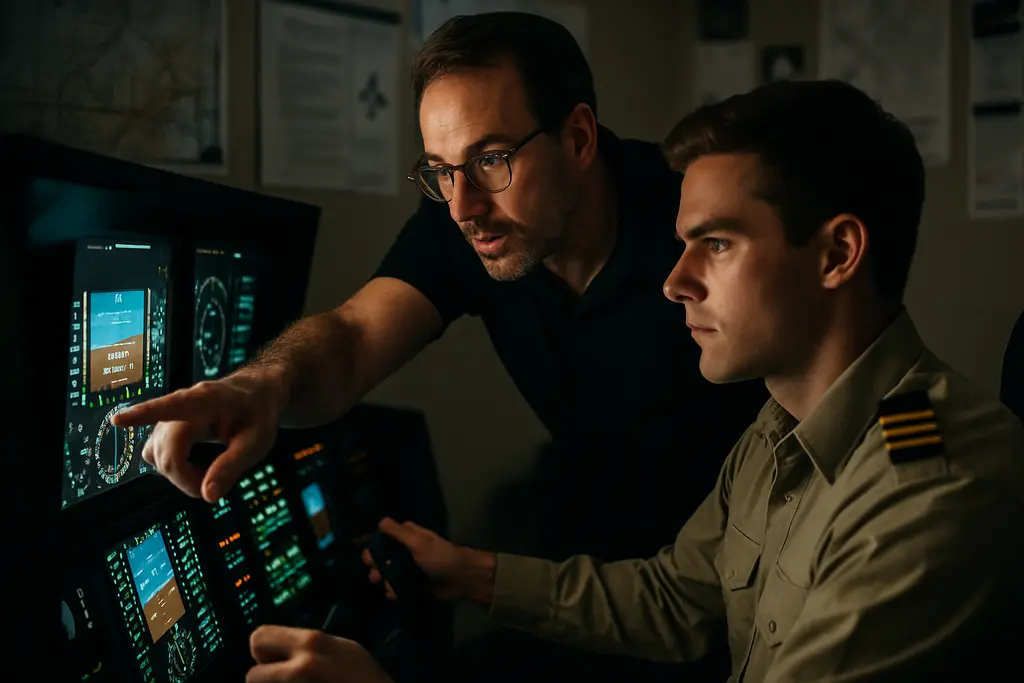
This is also where instructor development becomes central. A simulator instructor must be able to explain why a scenario matters, not just run the profile. If the lesson is automation mode awareness, the debrief should focus on recognition cues and decision timing. If the lesson is manual flight, the debrief should address scan, trim, power management, and crew communication. The aim is repeatable pilot performance, not a one-time pass.
Transport Airplane Certification Modernization In Training Practice
Transport Airplane Certification Modernization should be read as a signal that pilot training standards are being pulled closer to aircraft design assumptions, human factors evidence, and real operator feedback. The 2026 NPRM was still a proposal on September 9, 2026, so training organizations should avoid treating it as final law. Even so, the themes are strong enough to act on: better manual flying practice, sharper automation monitoring, broader pilot input during certification, and clearer instructor evaluation standards.
For students, the practical lesson is simple: do not train as if the airplane will always behave in the most familiar automated mode. For instructors, the task is to build pilots who can explain the system, monitor the flight path, and fly the aircraft with precision when workload rises. For operators, the opportunity is to connect recurrent training more closely to the assumptions that regulators and manufacturers use during certification. That is where policy becomes cockpit performance.