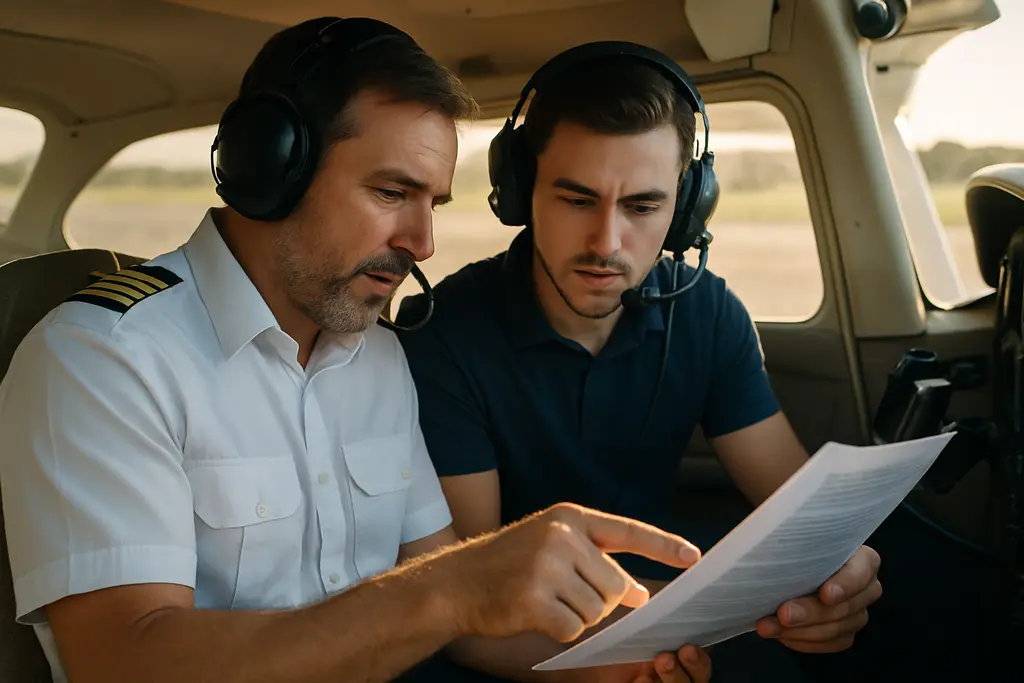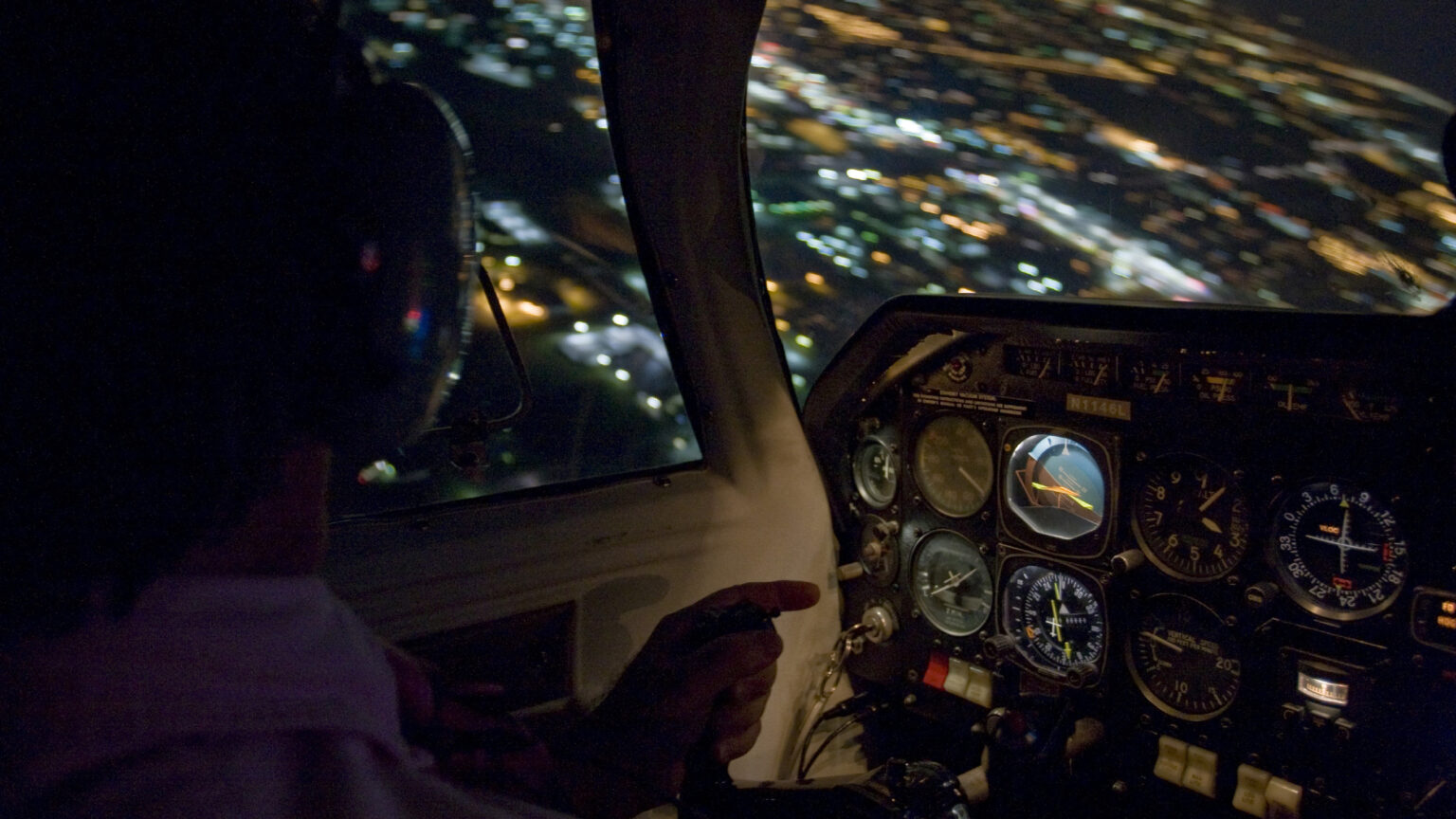
Experiencing the airspace after sunset is a profound milestone in any aviator’s journey. The air is typically smoother, the radio frequencies are quieter, and the visual landscape transforms into a mesmerizing grid of city lights. However, logging night hours introduces a completely new set of physiological and operational challenges that demand rigorous preparation. Just as you meticulously planned when preparing for your first solo flight, your first night flight requires shifting your mindset from visual reliance to strict procedural discipline. Before you ever start the engine for a night sortie, you must familiarize yourself with official FAA night flying guidelines to understand exactly how the absence of daylight alters aerodynamics, weather interpretation, and human performance.
Understanding Physiological Night Vision Adaptation
The human eye relies on two distinct types of photoreceptors: cones for high-resolution daylight color vision, and rods for peripheral, low-light detection. When the sun sets, your eyes require approximately thirty minutes of uninterrupted darkness to fully activate their rod cells and achieve maximum night vision sensitivity. Exposure to a bright smartphone screen, a glaring airport ramp light, or an unshielded strobe can instantly destroy this delicate adaptation, resetting your biological clock back to zero.
To protect your vision, you must strictly manage your cockpit lighting using dim red or low-intensity white LEDs. Red light preserves your night vision, but it will also wash out red-colored markings on your sectional charts, requiring careful map reading. Learning to efficiently manage your biological resources and lighting is a critical component if you want to build flight hours efficiently across different times of the day without suffering from severe visual fatigue or disorientation.
Essential Night Flight Equipment
| Equipment Item | Primary Purpose | Safety Best Practice |
| Aviation Headlamp | Hands-free cockpit illumination for reading charts and checklists. | Select a model with independent red and green LED modes to preserve night vision. |
| Backup Flashlight | Emergency illumination in the event of total electrical failure. | Keep it within immediate physical reach, not buried inside a flight bag in the backseat. |
| Spare Batteries | Ensuring continuous operation of all portable lighting devices. | Test all batteries before engine start and cycle them out every few months. |
Overcoming Spatial Disorientation And Visual Illusions
Night flying severely degrades your depth perception and your ability to accurately judge distance. Without the natural horizon to reference, pilots are highly susceptible to sensory illusions, such as confusing a sloping cloud deck with the ground or mistaking isolated ground lights for stars. The most notorious hazard is the black hole approach, where a pilot approaches a brightly lit runway over a completely dark, featureless terrain environment, causing them to fly dangerously low.
To combat these physiological traps, you must transition to a heavy reliance on your altimeter, attitude indicator, and glide slope path indicators. Cross-referencing your panel data with established night flying safety strategies ensures you are flying the aircraft based on factual instrument readings rather than deceiving physical sensations. Trusting your instruments over your inner ear is a vital survival skill in dark night, VFR conditions.
Navigating Airport Operations And Runway Illumination
Operating around an airport surface at night is vastly different from daytime taxiing. Identifying taxiway centerlines, avoiding runway incursions, and spotting other unlit aircraft require heightened vigilance. In the air, you will frequently need to actively utilize pilot-controlled lighting (PCL) by keying your microphone on the common traffic advisory frequency to activate the runway edge lights and precision approach path indicators.
Thorough preflight planning is non-negotiable for night cross-country flights. Utilizing updated digital aeronautical charts allows you to confirm rotating beacon colors, runway lighting availability, and minimum safe terrain clearance altitudes long before you enter the traffic pattern. When it is time to land, it is imperative to remember that depth perception fails during the flare, requiring you to look further down the runway to smoothly touch down the main landing gear.
Final Thoughts
Successfully completing your initial night instruction opens up an entirely new dimension of aviation. It builds unparalleled confidence in your instrument scanning abilities and teaches you to trust the aircraft’s avionics over your own sensory inputs. While the environment is demanding, the reward of executing a perfect nighttime landing on a quiet, brightly lit runway is unmatched.
Embracing this aspect of the lifestyle of general aviation pilots allows you to view the world from a vantage point few will ever experience. With meticulous preflight planning, respect for your physiological limitations, and a commitment to safety, your nighttime aviation journey will be as safe as it is spectacular. You are no longer just flying the airplane; you are managing a complex, high-workload environment in the dark.