The financial reality of acquiring a personal aircraft stops many pilots from ever leaving the rental market. Buying an airplane requires careful calculation of your personal mission profile against your available budget. Rather than chasing the lowest possible sticker price, smart buyers focus on identifying the best value airplanes available today. Value in aviation means finding an airframe that balances a reasonable initial purchase price with predictable maintenance costs, affordable insurance premiums, and strong parts availability.
When you rent from a flight school, you only pay for the Hobbs time. Ownership shifts the financial burden of annual inspections, hangar fees, and engine overhauls entirely onto your shoulders. Students who learn how to build flight hours efficiently often realize purchasing an asset and flying it frequently lowers their hourly cost significantly compared to retail rental rates. To make an informed decision, prospective owners should review the official aircraft valuation tools provided by AOPA’s Vref service before making an initial offer.
Defining True Value Over Initial Purchase Price
A low asking price often hides a massive deferred maintenance bill. An inexpensive vintage taildragger with fabric that fails a punch test will cost tens of thousands of dollars to recover, instantly destroying any perceived savings. True value exists in aircraft with proven, reliable engines like the Lycoming O-320 or Continental O-200. These engines boast thousands of hours of historical operating data, meaning mechanics universally know how to fix them and replacement cylinders remain widely available.
Insurance companies drastically penalize low-time pilots stepping into heavy, high-performance retractables. By selecting a fixed-gear, simple single-engine trainer, you keep your hull insurance rates manageable during your first few years of ownership. Prioritizing time in the air over prestige on the ramp guarantees a much healthier aviation budget. You can research exact operating cost breakdowns for specific models using the comprehensive aircraft databases at Trade-A-Plane.
Top Certified Aircraft For Budget Conscious Pilots
| Aircraft Model | Typical Purchase Price | Primary Advantage |
| Cessna 150/152 | $30,000 – $60,000 | Unmatched parts availability and extremely low fuel burn. |
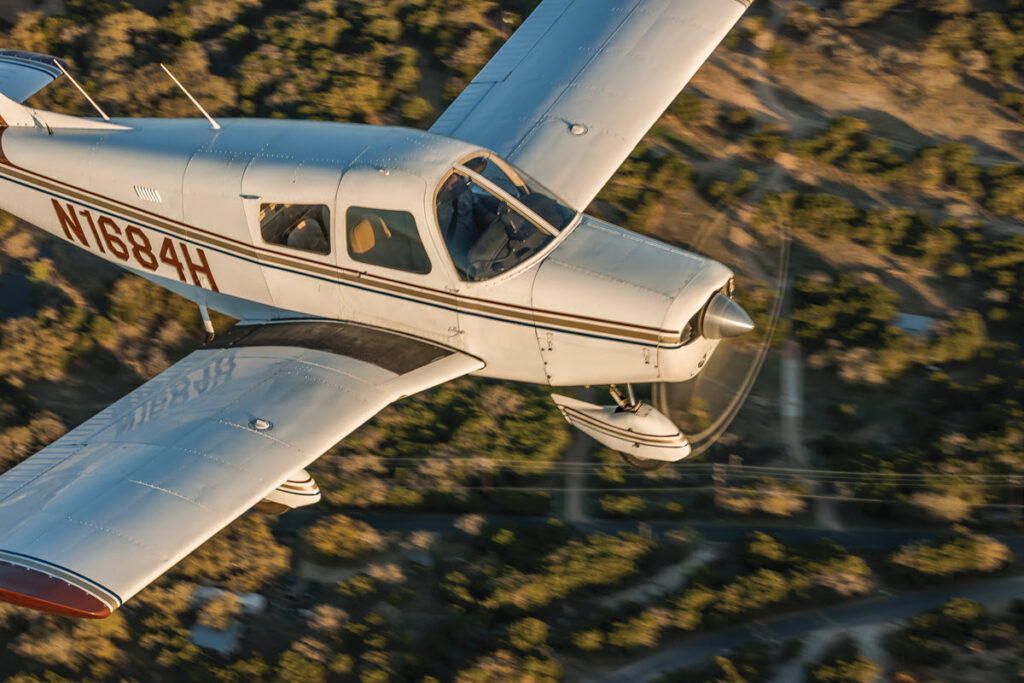
| Piper Cherokee 140 | $45,000 – $75,000 | Four seats, low-wing stability, and excellent useful load for the class. |
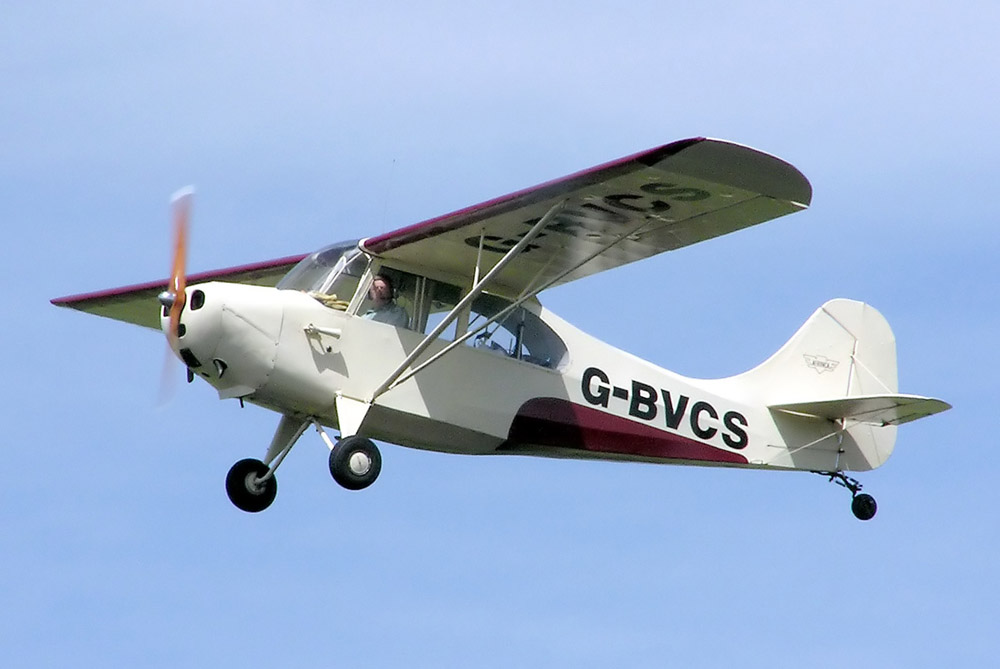
| Aeronca Champion | $20,000 – $35,000 | Exceptionally cheap to buy and operates on grass strips easily. |
The Cessna 150 and 152 series remain the gold standard for personal ownership. They forgive heavy landings, burn roughly five to six gallons of avgas per hour, and fit perfectly into small T-hangars. If your primary goal is logging solo time or taking a single passenger on a weekend breakfast flight, the two-seat Cessna offers the best return on investment.
For pilots requiring a slightly heavier payload, the Piper Cherokee 140 delivers exceptional utility. Marketed as a four-place aircraft, it operates best as a very capable two-person traveler with full fuel and luggage. The Cherokee utilizes a simple manual flap system and a dependable Lycoming engine, making annual inspections predictable and relatively painless.
The Experimental And Light Sport Advantage
The certified aircraft fleet is aging quickly, with many popular models built in the 1960s and 1970s. For buyers seeking modern avionics and better performance, the Experimental Amateur-Built (E-AB) and Light Sport Aircraft (LSA) markets offer incredible alternatives. Airplanes like the Van’s RV-12 or the Sling 2 deliver glass-panel technology and fuel-efficient Rotax engines that run on premium unleaded auto fuel.
Operating a Light Sport Aircraft slashes your fuel bill in half compared to a traditional Lycoming-powered trainer. You can perform your own preventative maintenance under specific regulatory guidelines, keeping shop labor costs exceptionally low. If you are preparing for your first solo flight success, training in a modern LSA provides a seamless transition to eventual ownership.
Final Thoughts
Purchasing your first aircraft is a massive financial commitment that rewards careful analysis and patience. The most affordable airplane is rarely the one with the cheapest listing price. It is the one that stays out of the maintenance shop and stays in the air.
By targeting models with reliable parts networks, simple systems, and efficient engines, you guarantee your flying budget goes to fuel rather than unexpected repairs. Evaluate your typical passenger load, honestly assess your mechanical ability, and choose an airframe that realistically matches your skill level today.