After passing the private pilot checkride, aviators quickly realize the limitations of a standard training aircraft. A 160-horsepower, fixed-gear airplane serves as an excellent classroom, but it lacks the speed and utility required for serious cross-country travel. To fly faster and farther, pilots must transition to advanced airframes. This transition requires specific logbook sign-offs under Federal Aviation Regulations. Securing your high-performance endorsement and complex endorsement proves you possess the aeronautical decision-making skills to manage heavier workloads and faster airspeeds. If you recently celebrated your first solo flight success, setting your sights on these advanced ratings gives your post-graduate flying a clear, actionable purpose. You can verify the exact legal definitions of these aircraft categories by referencing Title 14 of the Code of Federal Regulations Part 61.31 to see exactly what the FAA expects from you.
Defining The High-Performance Endorsement
The FAA defines a high-performance aircraft as one equipped with an engine capable of producing more than 200 horsepower. Pushing the throttle forward in a 230-horsepower Cessna 182 or a 300-horsepower Piper Cherokee Six feels drastically different than flying a basic trainer. The increased engine power creates massive amounts of torque, P-factor, and spiraling slipstream, requiring aggressive right rudder inputs during the takeoff roll. Things happen much faster in these aircraft, meaning you must stay well ahead of the airplane to avoid airspace busts or blown approach speeds.
Earning a high-performance endorsement requires dedicated ground and flight training with an authorized instructor. You do not need to pass a formal practical checkride with an examiner; your instructor simply signs your logbook once you demonstrate proficiency. For pilots planning how to build flight hours efficiently as a student pilot and beyond, securing this sign-off allows you to rent capable cross-country machines that cut hours off long trips. Reviewing transition training guides from the Aircraft Owners and Pilots Association (AOPA) provides excellent baseline knowledge on managing these larger engines safely.
Mastering Complex Aircraft Systems
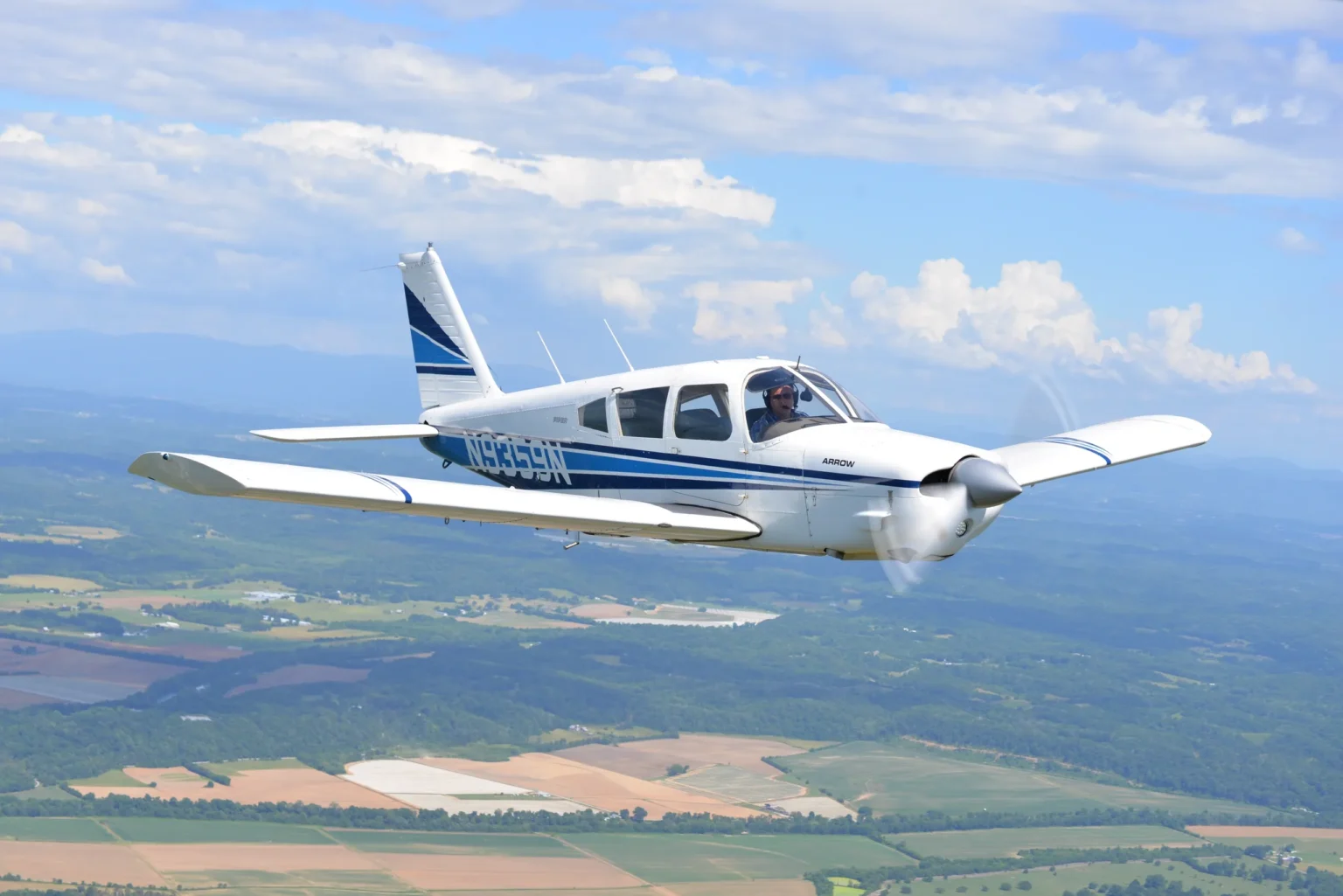
A complex aircraft features a retractable landing gear, flaps, and a controllable pitch propeller. Modern aviation separates the complex and high-performance definitions, though many advanced airplanes fit into both categories simultaneously. Flying a complex machine introduces the constant-speed propeller system, which forces the pilot to manage both a throttle (controlling manifold pressure) and a propeller control (controlling engine RPM). This mechanical relationship requires careful monitoring to avoid overstressing the engine cylinders during power changes.
The addition of retractable landing gear introduces the very real risk of a gear-up landing. Pilots must develop strict checklist discipline, confirming “three green” indicator lights on the downwind leg, base leg, and short final approach.
Comparing Advanced Endorsements
| Endorsement Type | FAA Definition | Primary Pilot Workload Increase |
| High-Performance | Engine exceeding 200 horsepower. | Managing greater left-turning tendencies and faster cruise/approach speeds. |
| Complex | Retractable gear, flaps, controllable pitch prop. | Managing manifold pressure/RPM combinations and strict landing gear checklists. |
The Ground And Flight Training Process
Before you ever start the engine, expect a rigorous ground school session. Your instructor will require you to explain how a governor hydraulically changes the propeller blade angle and how the emergency gear extension system operates. Once in the air, the training focuses heavily on energy management. Advanced, heavy aircraft do not slow down easily. You must learn to plan your descents much further out, gradually reducing manifold pressure to avoid shock-cooling the engine block.
Fully experiencing the lifestyle of general aviation pilots often means taking friends on weekend trips to high-altitude airports or distant coastal strips, a mission that absolutely requires the payload and performance of these upgraded airplanes. To study the mechanical specifics of constant-speed propellers and retractable gear, pilots should read the transition chapters in the FAA Airplane Flying Handbook prior to their first flight lesson.
Final Thoughts
Stepping into a faster, more capable airplane is a thrilling progression for any aviator. It shifts your focus from basic airmanship to advanced systems management. While neither endorsement requires a formal checkride with an FAA examiner, they demand the exact same level of respect, study, and preparation. Mastering these systems makes you a safer, more competent pilot capable of utilizing the national airspace system to its absolute maximum potential.