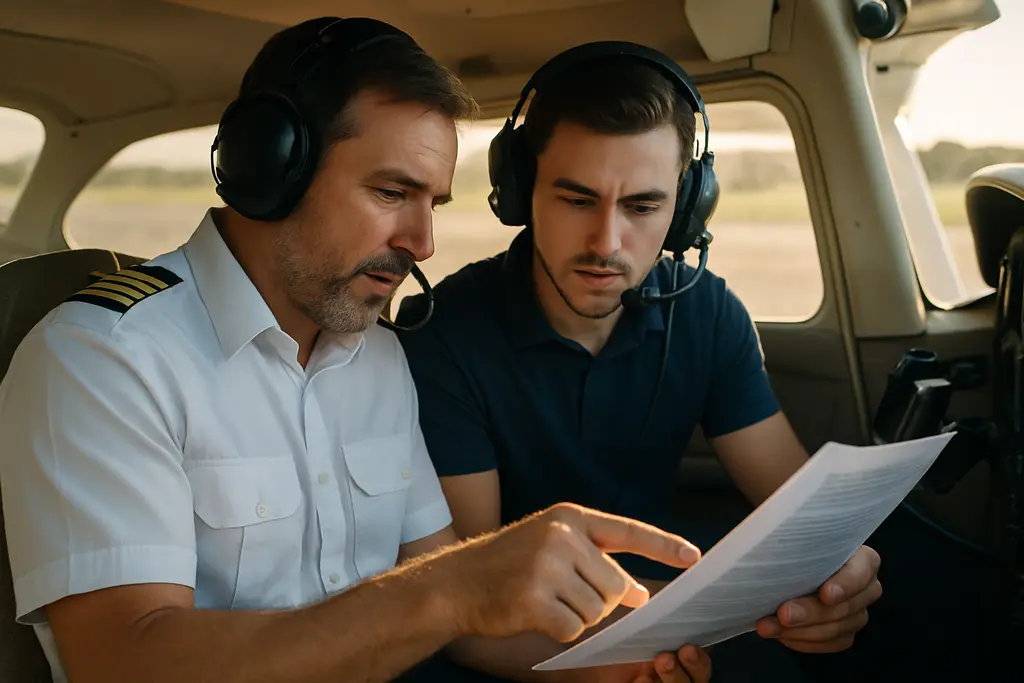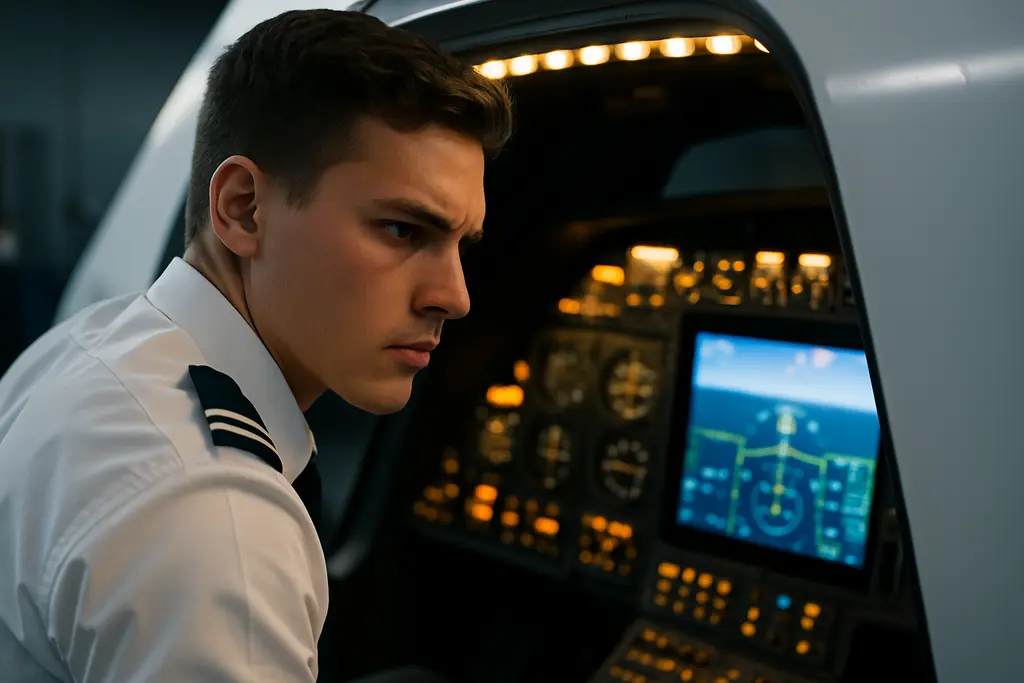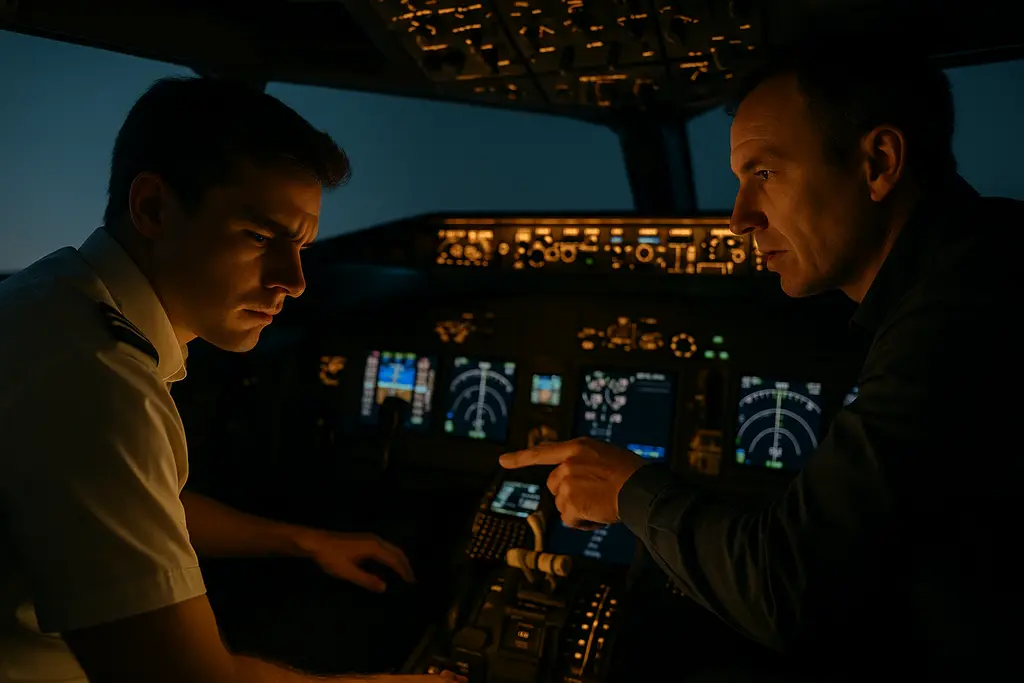
MR pilot training can add useful realism to flight education, but its value depends on how well a program manages human factors. Mixed reality places real cockpit elements and virtual cues into the same training setting, which can support scenario practice while keeping instructors close to the learning process. The same setup can also create discomfort, fatigue, cognitive strain, and monitoring challenges if the training design treats the headset as the solution rather than one part of a safety system.
For student pilots, instructors, and training managers, the core question is practical: how can mixed reality strengthen learning without introducing avoidable risk? The research provided for this topic points to several grounded strategies, including cybersickness mitigation, ergonomic head-mounted display design, exposure limits, instructor operator station development, user feedback, regulatory alignment, and continuous evaluation. Those areas deserve attention before a school expands mixed reality use beyond short demonstrations.
Why MR Pilot Training Needs Human-Factors Controls
Mixed Reality And Cognitive Load
Mixed reality training is not only a display issue. It changes how a pilot receives visual, physical, and procedural information during a lesson. When a student has to interpret virtual flight cues while touching real controls or sitting in a physical cockpit mockup, the training session can place fresh demands on attention, sensory integration, and task prioritization. Research notes that identifying performance shaping factors, including cognitive load and sensory integration, can improve training outcomes.
In MR pilot training, this matters because a task that looks simple in a conventional simulator may feel different when the student is wearing a head-mounted display and responding to a mixed set of real and virtual references. A training provider should not assume that higher visual realism automatically improves learning. The lesson needs a defined purpose, a known workload level, and an instructor who can recognize when discomfort or overload is affecting performance.
A systematic literature review on mixed reality helicopter pilot training describes strategies for managing human factors, including cybersickness reduction, ergonomic considerations, and continuous evaluation of training systems Frontiers review. That research direction supports a measured approach: adopt mixed reality where it fits the lesson, then test whether pilots are actually learning the intended skills.
Where Mixed Reality Fits In Flight Training
Mixed reality can be especially useful when it combines real cockpit references with virtual environments. The research notes that this integration can improve realism and may support better transfer of training to actual flight scenarios. For aspiring pilots, that means the strongest use case is not entertainment-style immersion. It is structured practice tied to cockpit flows, abnormal scenarios, crew communication, and decision-making under supervision.
Flight schools should also avoid treating a new display system as a standalone training program. Mixed reality needs lesson plans, instructor standards, maintenance checks, data handling rules, and clear criteria for stopping a session when a student is uncomfortable. That is consistent with broader guidance on pilot training technology, where a tool works best when paired with clear objectives and instructor preparation.
Readers comparing aviation learning resources across our network may find additional insights on the topic from our partner at Sitebob. For flight training decisions, though, the deciding factors should remain training value, student safety, instructor oversight, and compliance with applicable aviation training requirements.
Reducing Cybersickness And Physical Strain
Cybersickness Mitigation In MR Pilot Training
Cybersickness is one of the most direct human-factors risks in mixed reality training. The research identifies hardware and software steps that can reduce discomfort, including optimizing frame rates and minimizing latency. These are not cosmetic performance targets. If virtual motion and user movement do not line up well, the student may experience discomfort that distracts from the lesson and reduces training quality.
Training organizations should treat cybersickness prevention as part of normal safety planning. Before a session begins, the instructor can ask whether the student has prior discomfort with head-mounted displays. During the session, the instructor can watch for reduced responsiveness, unusual head movement, hesitation, or a request to pause. After the session, a short debrief can capture whether the student felt eye strain, nausea, dizziness, or fatigue. This feedback helps the school adjust content, duration, and equipment settings.
Ergonomics And Session Length
Head-mounted display comfort is another practical concern. The research highlights ergonomic design as a way to reduce physical strain and fatigue during mixed reality lessons. Poor fit, front-heavy weight distribution, pressure points, or awkward cable routing can distract a student from the learning task. For longer certification pathways, that matters because repeated discomfort may reduce acceptance among both students and instructors.
Session duration also deserves firm limits. The provided survey research states that limiting mixed reality sessions to 20–30 minutes can help prevent fatigue and discomfort, improving training effectiveness pilot-training survey. MR pilot training sessions should therefore be planned as focused blocks rather than long headset-based lessons. A school might use a short mixed reality segment for a procedure, a cockpit scan exercise, or a scenario setup, then move into debriefing or another training mode.
This structure respects the learning curve. It also gives instructors time to separate technical trouble from pilot performance. A student who hesitates because of a display mismatch should not be judged the same way as a student who misses a checklist item in a stable training environment. Good human-factors practice keeps that distinction visible.
Instructor Oversight And Safety Protocols

The Instructor Operator Station
An instructor operator station, often shortened to IOS, is central to mixed reality training control. The research identifies IOS development as key for monitoring and guiding trainees in mixed reality environments. In practical terms, the instructor needs a way to see what the trainee is experiencing, control scenario events, pause the lesson, and verify that training objectives are being met.
A weak instructor interface can leave the teacher guessing. That is a poor fit for aviation, where instruction depends on timely correction and clear standards. A stronger IOS gives the instructor better situational awareness over the lesson itself. It can support scenario timing, workload management, and targeted debriefing. The station should serve the lesson, not distract the instructor with unnecessary technical steps.
Safety Protocols For Student Pilots
Safety protocols should define exposure duration, adverse-effect monitoring, headset fit checks, stop criteria, and post-session reporting. These steps do not need to be complicated, but they should be written down and used consistently. A school that records when discomfort occurs can identify whether the issue is tied to a specific headset, scenario, frame-rate setting, lesson length, or student profile.
User-centered design is also supported by the research. Input from pilots and flight instructors helps confirm whether the training meets real operational needs. This is especially useful when building abnormal or emergency scenarios, where the lesson should develop judgment rather than simply impress the student visually. The same principle connects with competency-based training, where human factors and targeted practice help pilots move beyond task completion alone.
Regulatory alignment remains part of the safety picture. The research notes that mixed reality programs should align with existing aviation training regulations so technical requirements and pilot well-being remain balanced. Because training credit and approval pathways can vary by program and authority, schools should avoid promising certification outcomes that have not been formally accepted for their course structure.
MR Pilot Training Strategy For Flight Schools
Evaluation, Regulation, And Practical Rollout
A sensible MR pilot training plan starts small. A school can identify one training objective, build a short lesson, test comfort and instructor monitoring, collect feedback, and revise the scenario before expanding use. Continuous evaluation is supported in the research as a way to improve training effectiveness and pilot performance. That means the program should be reviewed after adoption, not only before purchase.
Evaluation should include more than student enthusiasm. Useful questions include whether the student performed the target procedure more accurately, whether the instructor could monitor the trainee effectively, whether discomfort occurred, and whether the mixed reality portion saved time or improved understanding compared with existing methods. If the answer is unclear, the lesson may need redesign rather than more hardware.
For aspiring pilots, the practical takeaway is to ask how a school uses mixed reality, not just whether it owns the equipment. Strong programs should be able to explain session limits, safety checks, instructor controls, debriefing methods, and how the training supports real flight tasks. MR pilot training can be a valuable part of modern instruction, but only when human factors are planned with the same discipline that pilots expect in the cockpit.