Mixed reality training has moved from a promising training idea into a serious flight-training discussion because it can place pilots inside cockpit tasks, visual scenes, and workload patterns that are hard to repeat safely in an aircraft. As a flight training professional, I see its value in one specific lane: better preparation before the aircraft is placed at risk. The evidence now available from NASA supports careful adoption, not blind enthusiasm. The strongest case for MR is not that it replaces aircraft time; it is that it can sharpen judgment, scan discipline, crew coordination, and scenario familiarity before a student reaches a higher-cost training event.
Why Mixed Reality Training Is Gaining Attention
Mixed Reality Training In NASA Testing
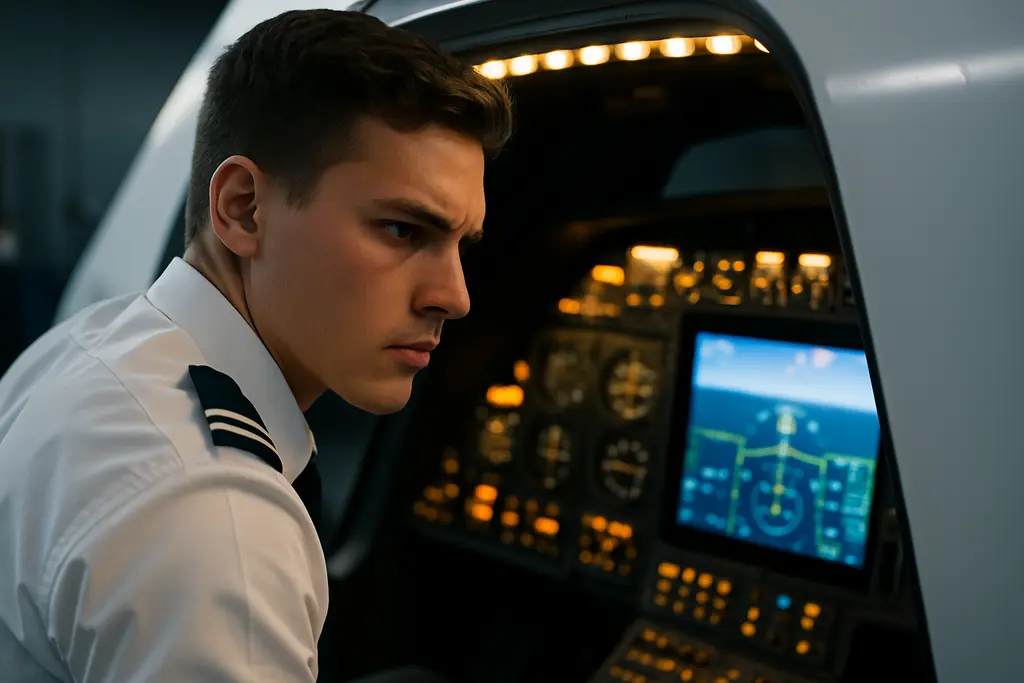
Confirmed research from NASA gives flight schools and training managers a useful starting point. NASA ran mixed-reality visual tests in its Vertical Motion Simulator from May 23 to May 30, 2025, using head-mounted visuals. The agency reported that pilots described lower motion sickness than expected and more fluid realism compared with earlier setups, according to the NASA flight simulator test. That matters because flight training devices can fail instructional goals if the visual system feels detached from aircraft motion or if discomfort forces shorter training periods.
For flight schools, mixed reality training should be treated as a method for increasing meaningful practice repetitions. A student can rehearse traffic-pattern judgment, checklist discipline, abnormal cues, and workload management without consuming aircraft fuel, instructor dispatch time, or maintenance cycles. That does not mean every scenario belongs in an HMD. It means the training department can move selected lessons earlier in the syllabus, so aircraft lessons begin with a better-prepared learner.
The distinction matters. I would not use MR to claim a student has mastered aircraft feel, flare timing, or weather judgment in the real sky. I would use it to make the student less surprised by what comes next. That is where simulation has always helped: controlled repetition, structured feedback, and safer exposure to demanding tasks.
For readers interested in diverse topics within our network, Noir Whale offers a perspective on non-aviation subjects; in contrast, pilot training evaluates immersive tools based on safety evidence, instructor oversight, and their applicability to real cockpit performance.
Instructional Benefits For Flight Schools
More Repetition Without More Aircraft Risk
The most practical benefit is repeatability. In an aircraft, an instructor may need weather, airspace, traffic, aircraft condition, and student readiness to line up before a scenario can be practiced well. In an MR device, the same cue sequence can be reset and flown again. That allows an instructor to isolate one training objective rather than chasing several problems during a short flight block.
Mixed reality training can help most when the lesson depends on perception and decision timing. Examples include runway environment recognition, energy-state awareness, radio-task loading, cockpit flows, and surprise management. These are areas where students often know the procedure in a chair but lose organization once visual motion, time pressure, and cockpit tasking arrive together.
Training managers should not confuse visual immersion with learning quality. A headset can make a lesson feel impressive while still missing the instructional point. The syllabus has to define what the learner should perceive, decide, say, and do. Instructors need a scoring plan that separates visual novelty from measurable progress. This is the same discipline I recommend for any pilot training technology: start with the training outcome, then choose the device.
Better Preparation For Instructor Debriefs
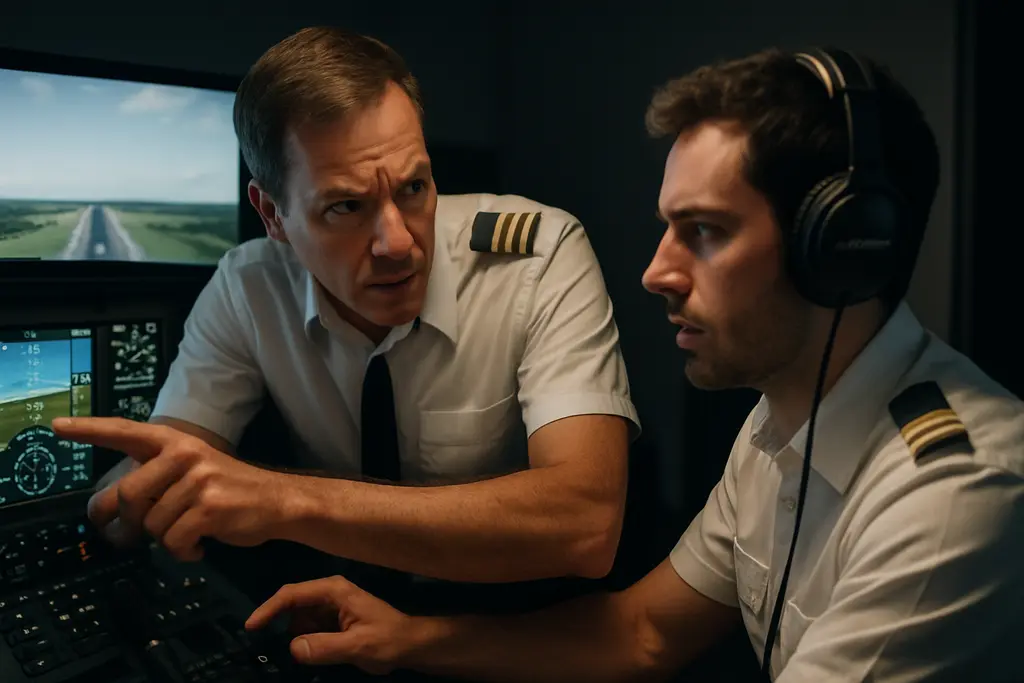
MR also has value after the lesson. A good debrief requires more than “you were high on final” or “you missed the callout.” It needs evidence the student can review. If the system records visual attention, control timing, approach parameters, or scenario choices, the instructor can connect the student’s perception to the aircraft outcome. That makes the next training repetition more focused.
For early-stage students, the most useful debrief is often simple: What did you see? What did you think it meant? What action did you choose? MR can reveal where the mental model broke down. A student may understand a checklist item yet miss the visual cue that should trigger it. Another student may see the cue but delay the decision. Those are different training problems, and they deserve different fixes.
Human Factors And Certification Limits
Motion Fidelity Changes Pilot Performance
The main challenge is human factors. NASA research published on December 11, 2025, reported that simulator motion fidelity levels affected pilot performance with mixed-reality visuals. The reported effects included motion sickness severity, approach speeds, touchdown precision, and battery use, according to the NASA motion fidelity report. That finding is a reminder that motion is not a luxury feature. It can change how the pilot flies.
If a device creates convincing visuals but weak body cues, pilots may adapt in ways that do not match aircraft behavior. If motion cues are too aggressive or poorly timed, discomfort can distract from the lesson. The challenge for instructors is to decide what level of fidelity is needed for the objective. A checklist-flow lesson may not require full motion. An approach-and-landing lesson may demand much tighter alignment between visual cues, motion, and control response.
Instructor Controls Still Matter
No flight school should hand a student a headset and assume learning will happen. The instructor remains the safety filter and the training filter. That means clear entry standards, short acclimation periods, discomfort monitoring, and a defined stop point if the student reports nausea, eye strain, headache, or disorientation. These are not minor comfort issues. A learner who is fighting the device is not building reliable cockpit skill.
Training organizations also need policies for device use. The following checks belong in any serious adoption plan:
- Define which syllabus tasks are suitable for MR and which must remain in aircraft or approved simulator sessions.
- Set limits for session length, rest periods, and student removal from the device if symptoms appear.
- Train instructors to debrief MR sessions using measurable behaviors, not general impressions.
- Keep records showing how device practice supports the required lesson objective.
- Review whether the device’s status fits the credit, approval, or documentation rules that apply to the course.
The certification question deserves caution. A device may be educationally useful even when it does not qualify for formal training credit. That distinction must be clear to students from day one. If a school advertises MR as a replacement for required aircraft or approved simulator time without the proper basis, it risks confusing students and weakening trust.
Mixed Reality Training Benefits And Challenges
The best use of MR in pilot education is targeted, supervised, and tied to measurable outcomes. It can reduce wasted aircraft time, help students arrive better prepared, and give instructors new ways to review decision-making. The strongest benefits appear in lessons that depend on recognition, cockpit organization, scenario rehearsal, and workload management. The weakest use case is treating visual immersion as proof of skill.
Mixed reality training is not a shortcut around fundamentals. Students still need aircraft handling, weather exposure within safe limits, radio confidence, instructor correction, and real-world judgment. The technology earns its place only if it improves those outcomes. Based on the NASA evidence, the path forward is not hype. It is disciplined testing, careful instructor training, and honest limits on what MR can and cannot certify.