Sitting on short-call airport standby forces you to remain within fifteen minutes of the departure gate for an entire eight-hour shift. Surviving this grueling block of unstructured time requires a dedicated routine. Most junior first officers spend the first two hours reviewing company bulletins or studying complex aircraft systems. Once the professional development is complete, the crew room shifts to pure downtime. You will routinely find pilots managing their personal finances, catching up on movies, or using their phones to compare football odds before the Sunday games begin. Finding a way to disconnect mentally while remaining physically ready to fly stands as a mandatory survival skill for any airline reserve pilot. Sitting in a windowless room requires discipline to prevent your cognitive sharpness from degrading before you ever touch the flight controls.
Federal Rest Rules And Duty Clocks
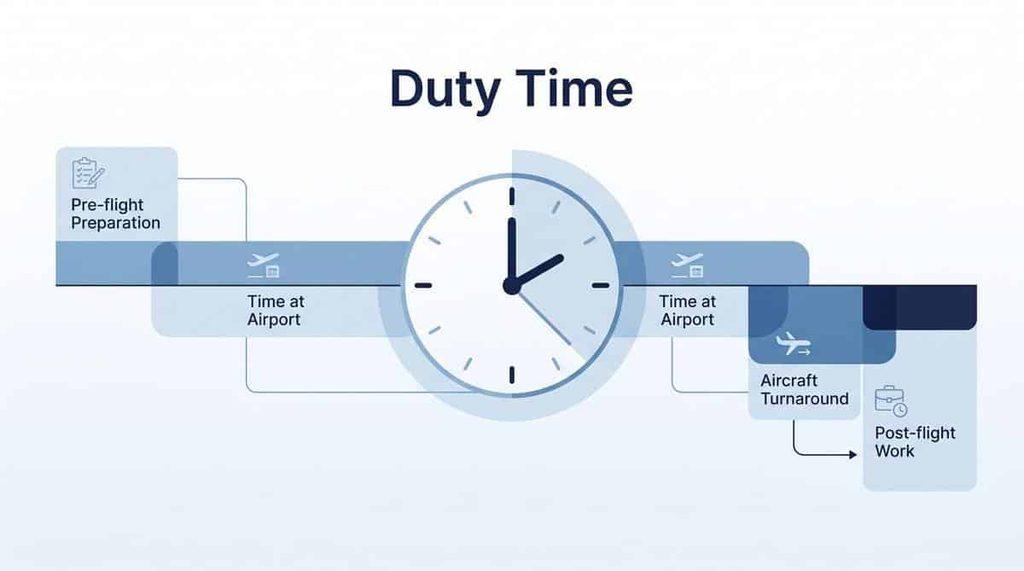
While you wait in the crew room, the federal government tracks every minute of your shift. The Federal Aviation Administration enforces strict Part 117 duty limits that dictate exactly how long you can remain on call before operating an aircraft. Airport standby counts as active duty time. If scheduling assigns you a flight in the seventh hour of your shift, your total allowable flight time shrinks drastically. You must monitor your own legal duty limitations continuously. Schedulers manage thousands of crew members daily and occasionally attempt to assign illegal trips. You hold the ultimate responsibility to reject a trip if it pushes you past your legal fatigue threshold or violates your required rest period.
Professional Development In The Crew Room
Staring at the wall for eight hours destroys your focus. Professional aviators build structured study plans to fill the void. Airlines push digital manual updates weekly, modifying standard operating procedures or rewriting approach profiles. Airport standby provides the perfect isolated environment to sync your electronic flight bag and review these changes.
Many pilots utilize this paid downtime to read safety bulletins published by the Air Line Pilots Association, keeping themselves sharp on industry-wide hazard reports. Equipping yourself with proper aviation resources like active noise-canceling headphones allows you to block out the chaotic noise of a busy crew room and maintain your concentration. Building your technical knowledge on the ground pays massive dividends when you face a mechanical emergency in the air.
| Reserve Category | Response Time Requirement | Primary Location |
| Airport Standby (Ready Reserve) | 15 to 20 minutes | Airport crew room |
| Short Call Reserve | 2 to 3 hours | Pilot’s residence or crashpad |
| Long Call Reserve | 12 to 14 hours | Anywhere within commuting distance |
The Rapid Transition To The Flight Deck
When the crew scheduling phone finally rings, you have minimal time to prepare. The company expects you at the departure gate, in uniform, with your bags packed in under twenty minutes. This rapid transition from a relaxed state to high-stress flight operations demands extreme mental agility.
You must instantly review the dispatch release, analyze the current meteorological data from the National Weather Service, and conduct a complete briefing with a captain you just met. You cannot afford to walk onto the airplane feeling groggy or unprepared. Establishing a disciplined standby routine guarantees you bring a sharp, analytical mind to the cockpit the exact moment your pager goes off. Treating your reserve shift as active duty protects your certificate and keeps your passengers safe.