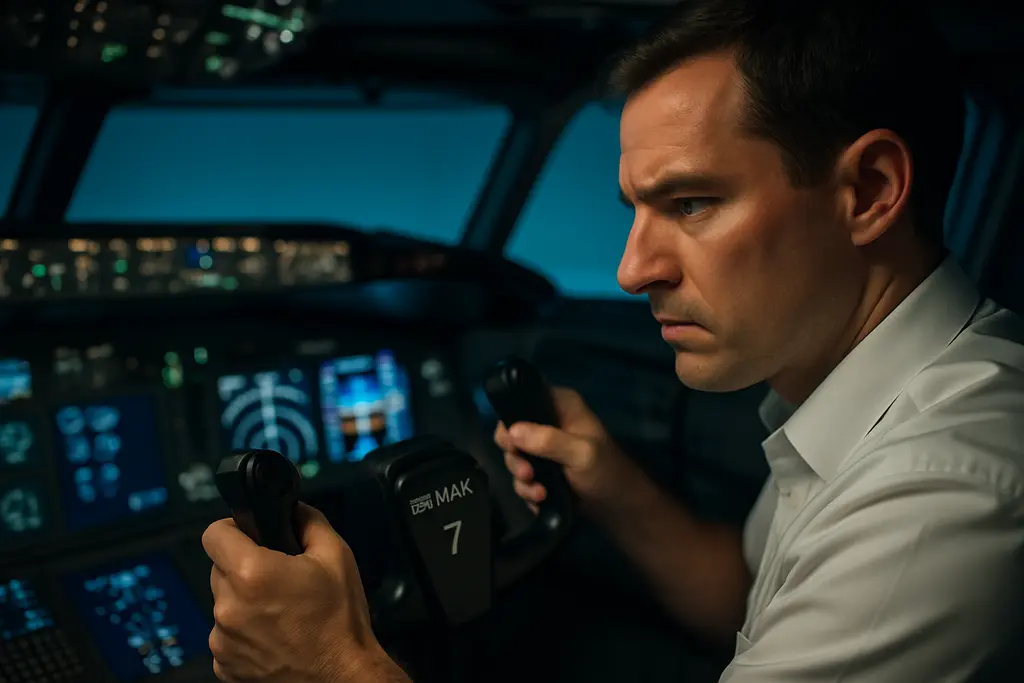
Confirmed FAA action on single-pilot exemptions changed the training and operating assumptions for a defined group of Cessna Citation CE-500 series aircraft. On September 28, 2026, with effect on September 29, 2026, the FAA published a policy rescinding single-pilot training exemptions for certain CE-500 aircraft that require two pilots under their type certificate, as stated in the Federal Register notice. For pilots, training centers, owners, and schedulers, the practical issue is direct: a logbook endorsement obtained through the affected exemption structure no longer provides relief to operate those aircraft single pilot.
The affected group includes Citation, Citation I, Citation II/S-II, Bravo, V, Ultra, Encore, Encore+, and Navy T-47A variants. The key distinction is not simply brand or cabin size. These aircraft were originally certified under Part 25 with two-pilot crew requirements. That certification basis now sits at the center of how pilots should evaluate training, proficiency checks, crew pairing, and operational risk. For a pilot certification audience, the central lesson is that an endorsement is only as useful as the authority behind it, and the FAA has now withdrawn that authority for the affected relief.
Why Single-Pilot Exemptions Were Rescinded
Confirmed FAA Findings On Compliance
The FAA’s stated basis was not a minor paperwork concern. In a 2024 review, the agency found “widespread non-compliance” among exemption holders, including incomplete records, improper use of aviation training devices contrary to conditions and limitations, and falsified records by designated pilot examiners. The FAA also found that 13 of 14 Part 61 exemption holders were denied extension or had their exemption rescinded because of non-compliance or failure to respond to FAA information requests.
That matters for training quality because exemption-based relief depends on strict adherence to conditions and limitations. If a pilot completed a check under a process that was not administered as authorized, the training record may not reflect the proficiency level the exemption was intended to establish. The FAA’s concern was also structural: exemptions were granted to training providers, not operators. As a result, providers often had no ongoing connection with pilots using the relief after training. A pilot could continue relying on an endorsement without fully understanding whether the exemption had expired, changed, or been rescinded.
Accident Data And Equivalent Safety
The FAA’s analysis also included accident-rate findings. Over an 18-year period, the agency found CE-500 aircraft operated single pilot under Part 25 had about twice the accident rate of comparable CE-500, CE-510, and CE-525 aircraft flown single pilot under Part 23. That comparison is significant because it connects certification basis, crew requirements, and operating risk rather than treating single-pilot authorization as a uniform concept across Citation models.
The FAA cited two recent events in its discussion. On May 22, 2025, a fatal crash under NTSB investigation WPR25FA161 killed six people onboard and injured eight people on the ground; the FAA stated the pilot had earlier received an improper check through a designated pilot examiner. On December 18, 2025, an incident in Statesville, North Carolina, under NTSB WPR26MA063 involved a CE-500 variant operated without a qualified second-in-command. These references show why the agency connected training oversight with operational safety outcomes.
Training Effects For CE-500 Pilots
Single-Pilot Exemptions And Logbook Endorsements
For pilots who trained under the affected framework, the immediate certification effect is clear: the relevant single-pilot logbook endorsements no longer authorize single-pilot relief in the affected CE-500 aircraft. The endorsement may still document training history, but it cannot replace the type certificate’s two-pilot requirement after the rescission. Pilots should treat that distinction carefully during aircraft checkouts, insurance reviews, and crew scheduling.
The FAA did provide limited transition recognition for certain training events. A pilot who completed a § 61.58 proficiency check under the exemption’s conditions and limitations may still use that check toward pilot-in-command requirements for two-pilot operation of the relevant CE-500 model. That is not the same as restoring single-pilot authority. It means the check may remain useful for PIC qualification in a properly crewed operation, provided the pilot otherwise meets applicable requirements.
Training Providers Must Reframe The Lesson Plan
Training centers now need to align CE-500 instruction with the two-pilot operating requirement rather than preparing pilots for exemption-based single-pilot relief. That shift affects classroom discussion, simulator scenarios, crew resource management, callouts, abnormal procedures, and check preparation. The aircraft systems knowledge remains essential, but the operating model changes. A pilot preparing for recurrent training should expect more emphasis on pilot monitoring duties, transfer of controls, checklist discipline, and cockpit communication.
This is also a recordkeeping issue. The FAA’s findings placed heavy attention on incomplete records and training conducted outside authorized conditions and limitations. Schools and instructors should review how they document device use, proficiency checks, examiner activity, and pilot eligibility. Pilots can protect themselves by keeping copies of completion records, check results, and any documentation showing whether a prior § 61.58 event was completed under the relevant conditions. A related training-focused discussion is available in our internal resource on CE-500 pilot training changes.
Operational Safety And Crew Planning
From Endorsement Reliance To Crew Verification
Operators now need to verify crew status before dispatch rather than relying on a pilot’s prior exemption endorsement. For affected CE-500 models, that means planning for a qualified second-in-command when the aircraft type certificate requires two pilots. The rescission places practical pressure on scheduling, recurrent training calendars, and pilot availability. A trip that may once have been assigned to one pilot under an exemption-based endorsement now needs a compliant crew plan.
This change may feel administrative, but it has safety implications. Two-pilot operations distribute workload during taxi, departure, high-density airspace, weather deviations, abnormal procedures, and approach briefings. The FAA’s action reflects a finding that the prior exemption model did not provide the oversight needed to support equivalent safety for the affected Part 25-certified aircraft. That does not mean every single-pilot flight is unsafe. It means the FAA no longer accepts the rescinded exemption pathway as sufficient for this defined aircraft group.
Practical Checks Before The Next Flight
Pilots and aircraft managers should review the following items before assigning or accepting CE-500 flights affected by the rescission:
- Confirm the exact aircraft model and whether its type certificate requires two pilots.
- Do not rely on a rescinded exemption endorsement for single-pilot authority.
- Check whether any completed § 61.58 proficiency check may support PIC qualification for two-pilot operations.
- Verify that the second-in-command is qualified for the planned operation.
- Keep training records, checkride documents, and recurrent qualification materials organized for review.
For pilots who appreciate learning through multimedia resources, Internet Video Magazine is a related site within the same network that offers aviation-related content. While FAA documentation governs compliance, engaging media can enhance a pilot’s preparedness for discussions with instructors and chief pilots.
Compliance Priorities For Schools And Operators

Confirmed Responsibilities After The Rescission
The FAA’s September 2026 action puts training providers and operators on notice that exemption administration is not a casual add-on to pilot certification. Training providers should be able to show what was taught, which devices were used, which conditions and limitations applied, and how each pilot met the required standard. Operators should be able to show that flights in affected CE-500 aircraft are staffed according to the aircraft’s two-pilot requirement.
For pilots, the best practical approach is to separate three questions. First, what does the aircraft type certificate require? Second, what training and checking records do I actually hold? Third, do those records support the operation being planned after September 29, 2026? If the answer depends on a rescinded pathway, the plan needs correction before flight.
Safety Culture In Recurrent Training
Recurrent training should now treat this rescission as more than a regulatory update. It is a case study in how certification basis, oversight, examiner integrity, and training records connect to cockpit safety. Pilots should expect instructors to discuss why CE-500 variants certified under Part 25 are being treated differently from aircraft certified for single-pilot operations through other pathways. That distinction can reduce confusion and prevent pilots from assuming one Citation training model applies across the fleet.
Schools should also avoid vague assurances. A pilot should not leave a course believing that a prior endorsement still permits a prohibited operation. Clear briefing language is essential: the affected single-pilot exemptions ended, the relevant endorsements no longer provide relief, and compliant two-pilot operations remain available when pilot qualifications are satisfied.
Rescinding Single-Pilot Exemptions In CE-500 Operations
The rescission of single-pilot exemptions for affected CE-500 aircraft is a certification and safety event with direct consequences for training plans. It changes what pilots may do with prior endorsements, how schools should structure recurrent programs, and how operators should staff flights. The FAA’s findings tied the action to non-compliance, weak oversight links between training providers and pilots, and accident-rate concerns involving Part 25-certified CE-500 operations.
The practical response is straightforward but demanding. Pilots should verify their aircraft model, update their understanding of PIC and SIC requirements, preserve training documentation, and stop treating prior exemption endorsements as current single-pilot authority. Training providers should tighten records and align lessons with two-pilot operations. Operators should confirm crew qualification before release. In a certification environment, safety depends not only on skill in the cockpit but also on knowing exactly which authority permits the flight.