The September 17, 2026 first flight of Bye Aerospace’s eFlyer 2 gave electric training aircraft a useful reference point for flight schools that have been waiting for data beyond concept art, order books, and cost projections. As a training platform, the aircraft’s value will not be judged by one short hop alone. It will be judged by repeatable dispatch performance, instructor acceptance, certification progress, maintenance behavior, and whether it can fit the daily rhythm of private pilot and commercial pilot instruction.
What Electric Training Aircraft Proved In Flight
Electric Training Aircraft Flight Data
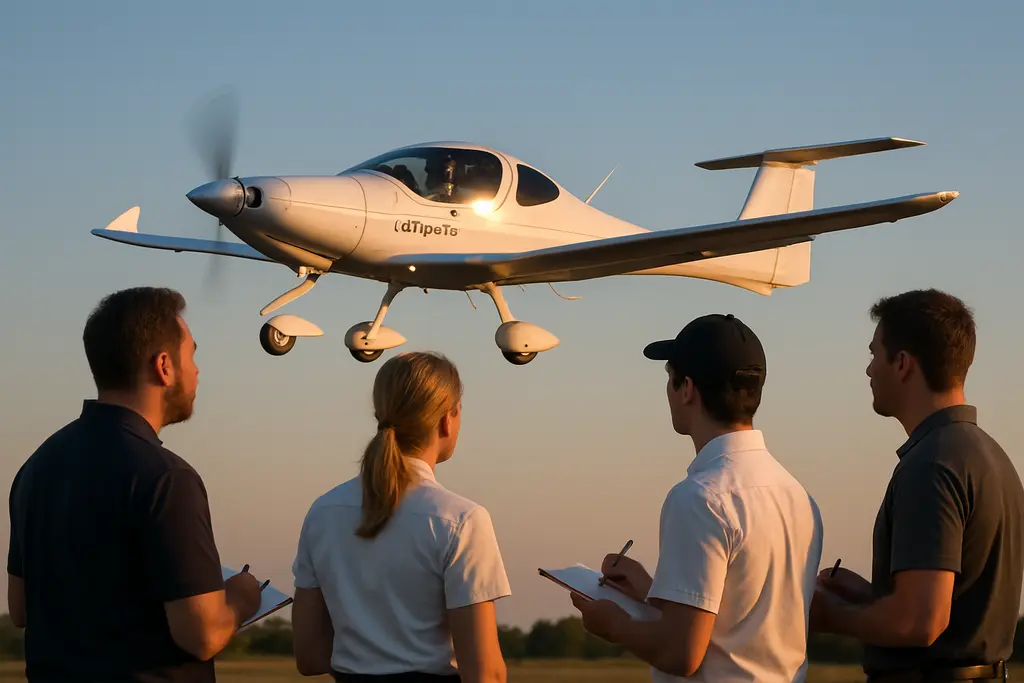
Confirmed: Bye Aerospace’s full-scale eFlyer 2 prototype made its first flight on September 17, 2026, from Centennial Airport near Denver after the FAA issued a special airworthiness certificate. The flight lasted about five minutes, was flown by Elliot Seguin, reached a peak altitude of 7,251 feet mean sea level, and achieved a top ground speed of 135 knots. Bye Aerospace also reported no maintenance discrepancies and said the aircraft’s handling, aerodynamics, propulsion, and performance exceeded expectations, according to Aviation International News.
For an electric training aircraft program, that first flight mattered because it moved the discussion from expected performance to observed flight-test behavior. A five-minute sortie does not prove school-ready durability, but it does confirm that the full-scale prototype left the runway, flew under its own electric propulsion, and returned without the reported maintenance findings that often shape early test programs.
Why Five Minutes Still Matters
Flight schools should read the result with discipline. A first flight is not a certification finish line, and it is not a fleet reliability study. It is an early test point. From a training expert’s standpoint, the useful lesson is that the aircraft has now entered a phase where real flight data can begin replacing assumptions. That matters for chief instructors, maintenance managers, insurance reviewers, and school owners who need evidence before changing a fleet plan.
Training Use Cases For The eFlyer 2
Sortie Length And Recharge Timing
Confirmed: Bye Aerospace describes the eFlyer 2 as a two-seat, side-by-side aircraft with a composite airframe, Garmin G500 TXi avionics, rugged aluminum landing gear, a 125 kW electric motor, a 90 kWh battery, over two hours of mission endurance, and a target recharge time of less than 30 minutes. The company also says operating costs could be up to 80 percent lower than traditional piston trainers because of fuel, maintenance, and system simplicity factors listed on the eFlyer aircraft page.
Training analysis: the two-hour endurance target aligns with many common flight-school missions. A normal primary lesson often includes briefing, preflight, taxi, airwork, pattern practice, and a reserve margin. Many local training flights run near the one-to-one-and-a-half-hour range in practice, so the value of electric training aircraft will depend less on headline endurance and more on how consistently schools can schedule charging between lessons without creating dead time.
Cockpit Standardization For Students
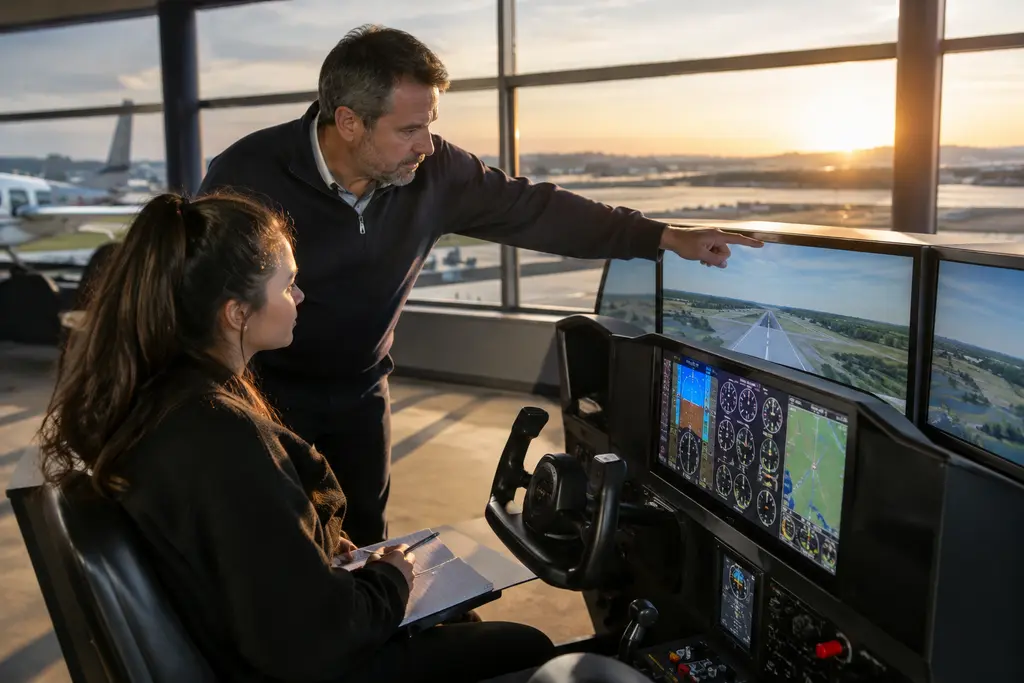
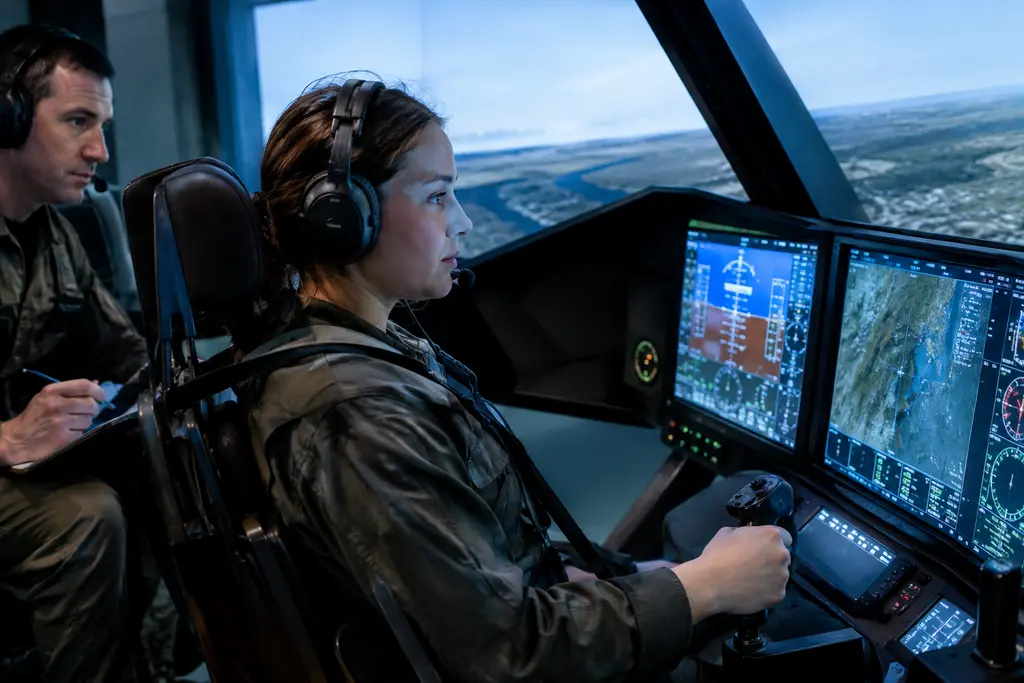
The Garmin G500 TXi avionics suite matters because students benefit from a cockpit environment that supports consistent scan habits and instructor demonstrations. That does not mean every new student needs advanced avionics on day one. It means schools would need a clear syllabus path so a student understands energy state, avionics management, traffic awareness, and basic stick-and-rudder skills without allowing screens to distract from aircraft control.
The side-by-side seating arrangement fits the instructional model already used by many schools. Instructor visibility, control transfer, and demonstration flow remain familiar. The bigger training shift is energy management. Students will need to understand battery state, charging windows, weather effects on planning, and conservative decision-making in a way that is comparable to fuel planning, but not identical to it.
Cost, Maintenance, And School Economics
Operating Cost Claims Need Discipline
Market-analysis: the cost argument is the reason many schools are watching the eFlyer 2 closely. Fuel, oil, spark plugs, exhaust systems, and many vibration-related maintenance items are central cost drivers in piston training fleets. An electric motor reduces some of that mechanical burden. Still, a school cannot budget from a claim alone. It needs verified maintenance intervals, battery life data, charging equipment costs, utility costs, mechanic training requirements, and insurance terms.
That is where cautious financial planning protects a school. If the projected savings prove accurate in line service, the aircraft could help reduce hourly training cost pressure. If charging infrastructure or battery replacement costs land higher than expected, the savings may narrow. Flight departments should model best-case, middle-case, and conservative-case scenarios before using purchase assumptions in tuition pricing. For readers seeking additional industry insights, SiteBob offers valuable perspective on related aviation education trends.
Dispatch Reliability Still Has To Be Earned
Reviewed from a training operations perspective: dispatch reliability is where training aircraft either earn trust or sit idle. A school can tolerate short range if the aircraft turns quickly, charges predictably, and remains available across morning, afternoon, and evening blocks. It cannot tolerate uncertain charging status, frequent grounding items, or a maintenance process that requires long waits for specialized support.
Electric propulsion may reduce some routine maintenance tasks, but it also introduces school-level questions about battery health monitoring, charger availability, ramp placement, thermal management procedures, and instructor standardization. The maiden flight did not answer all of those questions. It did start the data-gathering process needed to answer them.
Certification And Instructor Readiness
Training Standards Before Fleet Adoption
Confirmed from the supplied research: the aircraft is being developed toward FAA Part 23 Amendment 64 certification, and the September flight followed a special airworthiness certificate rather than a final production approval. That distinction matters for training providers. Schools cannot treat a prototype milestone as permission to rewrite programs, advertise new aircraft availability, or quote student completion costs around unapproved equipment.
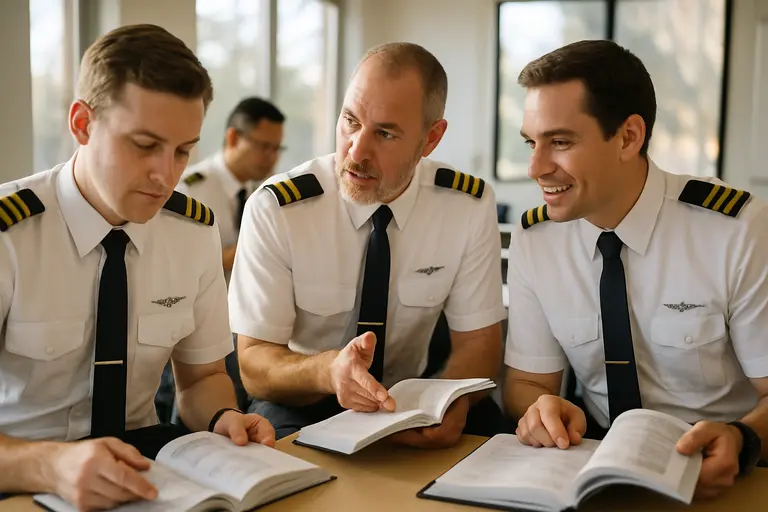
Moving electric training aircraft into daily instruction will require more than a purchase order. Schools will need standard operating procedures for charging, dispatch release, minimum battery state, diversion planning, abnormal indications, and post-flight energy logging. Instructors will need common language for teaching energy reserves so students do not treat battery percentage as a casual cockpit number.
Cross-Training With Advanced Air Mobility
Training analysis: electric fixed-wing trainers also sit near a wider training conversation about advanced air mobility and powered-lift operations. They are not the same category, and instructors should not blur certification differences. Still, there is practical overlap in how pilots learn electric propulsion awareness, energy planning, charging discipline, and automation management. Related coverage of eVTOL pilot training standards shows how regulators and schools are already treating new aircraft types as training-system questions, not just hardware questions.
For traditional flight schools, the immediate opportunity is more grounded. An electric two-seat trainer could support local lessons, pattern work, and short proficiency flights if it proves reliable and certifiable. The challenge is making that aircraft fit an existing syllabus without adding confusion for students who may later transition into piston aircraft, complex aircraft, or airline training pipelines.
Electric Training Aircraft Training Decisions
What Flight Schools Should Watch Next
Opinion based on the confirmed data: schools should evaluate electric training aircraft only after they see repeat flight-test results, certification progress, charging requirements, maintenance guidance, and real operating data. The eFlyer 2’s first flight was a meaningful step, but it was the beginning of a test story rather than the end of one.
Chief instructors should prepare now by updating lesson plans for electric propulsion concepts, training staff on energy-management language, and identifying which missions would suit an electric trainer without disrupting the rest of the fleet. Owners should avoid building a business case on one claim or one flight. The sound approach is to track measured performance, verify cost assumptions, and decide whether the aircraft improves training quality as well as hourly economics.
The practical lesson from the eFlyer 2’s maiden flight is clear: electric propulsion is moving closer to the training ramp, but successful adoption will depend on disciplined instruction, repeatable maintenance outcomes, and honest scheduling math.